
Taking home a $100,000 salary is a financial milestone for many Americans, but the actual amount you need to earn to achieve this varies significantly by state. Factors like state taxes, cost of living, and deductions play a crucial role in determining how much of your salary you’ll actually keep. Exploring the salary required to net $100K across different states offers insights into the financial landscape of the U.S.
Understanding the Impact of Taxes on Your Salary

Federal taxes are the initial significant deduction from any gross salary, and understanding how they operate is crucial for financial planning. The federal income tax system is progressive, meaning that the tax rate increases with higher income brackets. For instance, as of 2025, the tax rate for income over $539,900 for singles is 37%. However, with standard deductions and tax credits, the effective rate can be substantially lower. Additionally, contributions to retirement accounts and Health Savings Accounts (HSAs) can further reduce taxable income, allowing individuals to better strategize their tax obligations.
State income taxes add another layer of complexity. Rates can vary dramatically from one state to another, affecting take-home pay significantly. For instance, California, known for high state taxes, can cut deeply into a paycheck, whereas Florida imposes no state income tax, leading to a higher net income. States like Texas and Washington also have no state income tax, offering a financial advantage for residents. It’s important to consider these differences when evaluating job offers across state lines or contemplating relocation.
Beyond federal and state taxes, local taxes and other deductions such as Social Security and Medicare also impact take-home pay. These deductions are typically fixed percentages of income, with Social Security set at 6.2% and Medicare at 1.45%. Depending on your location, you might also face local income taxes, which can further reduce net income. Understanding these elements is crucial for anyone trying to reach a specific take-home salary goal.
Cost of Living Considerations

Housing costs are often the most significant expense for Americans, and these costs can vary widely from state to state. In high-cost areas like New York or California, rent or mortgage payments can consume a substantial portion of one’s salary. For instance, in San Francisco, the median home price can be over $1 million, significantly impacting disposable income. Conversely, in states like Ohio or Indiana, housing costs are much lower, making it easier to stretch a salary further.
Everyday expenses also play a vital role in determining how far a $100K salary can go. Groceries, transportation, and healthcare costs can differ dramatically across regions. For example, according to a study by the Sacramento Bee, groceries in Hawaii are notably higher than in mainland states, affecting the overall cost of living. Similarly, public transportation costs in urban areas like New York City are higher compared to rural regions, where car ownership is more common but gas prices can fluctuate.
Lifestyle choices and discretionary spending significantly influence the perceived value of a $100K salary. Personal spending habits, such as dining out frequently or maintaining a particular lifestyle, can quickly eat into disposable income. Individuals in states with lower living costs might find their salary stretches further, allowing for more discretionary spending or saving. Recognizing these factors is crucial for maintaining financial stability and achieving personal financial goals.
State-by-State Breakdown of Required Salaries

The salary needed to net $100K varies widely across states due to differences in tax burdens and cost of living. In high-tax states like New York and California, individuals might need to earn substantially more to take home a $100K salary. For instance, in California, the combination of state and federal taxes can require a gross salary of approximately $150,000 to achieve a $100K net income. Similarly, New York’s high state and local taxes mean residents might need to earn even more.
On the other hand, states with low or no state income tax, such as Florida, Texas, and Nevada, require a lower gross salary to achieve the same net income. In these states, individuals can take home more of their earnings, potentially requiring only around $130,000 in gross salary to net $100K. The financial benefits of living in states with no income tax can be significant, especially for high earners. This disparity makes these states attractive for those looking to maximize their take-home pay.
Regional comparisons reveal further insights. For example, in the Northeast, states like Massachusetts and New Jersey have higher tax rates compared to the South, where states like Tennessee and Florida offer a more favorable tax environment. A Yahoo Finance study highlights these regional differences, emphasizing the importance of considering both salary and tax implications when evaluating job opportunities or relocation plans.
Strategies to Maximize Take-Home Pay
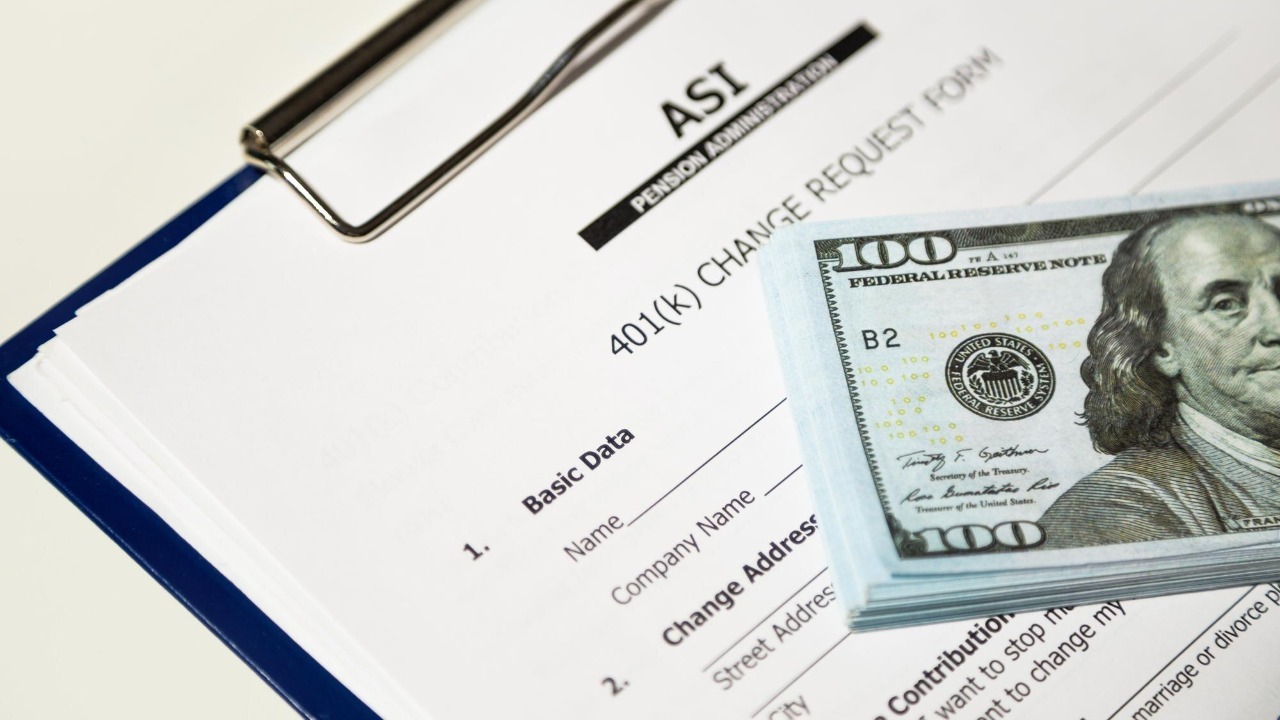
Effective tax planning and utilizing available deductions are key strategies for increasing net income. Contributing to retirement accounts such as 401(k)s or IRAs can reduce taxable income, as can using HSAs for healthcare expenses. Additionally, understanding and applying for available tax credits, such as the Earned Income Tax Credit (EITC), can further enhance take-home pay. Staying informed about potential changes in tax laws can also provide opportunities for strategic tax planning.
Relocation and remote work opportunities present additional options for maximizing earnings. As remote work becomes more prevalent, individuals have the flexibility to live in lower-tax states while maintaining employment with companies in higher-cost areas. This shift can result in significant savings and increased disposable income. For those considering relocation, understanding the financial implications of different states’ tax policies is essential.
Investment and retirement planning play a critical role in optimizing income and savings. By strategically investing in stocks, bonds, or real estate, individuals can grow their wealth over time. Additionally, setting up a comprehensive retirement plan ensures financial security in the future. The combination of smart investment choices and effective tax planning can significantly impact long-term financial health and the ability to maximize take-home pay.
Future Trends in Salary and Taxation

Several economic factors, including inflation and employment trends, influence salary requirements. As the cost of living continues to rise, salary demands may need to adjust accordingly to maintain purchasing power. Economic growth and technological advancements also play a role in shaping job markets and salary expectations. Staying informed about these trends can help individuals make informed career and financial decisions.
Policy changes and tax reforms can significantly impact state and federal taxes. Legislative developments, such as changes in tax rates or deductions, directly affect take-home pay. Monitoring potential reforms and understanding their implications is crucial for effective financial planning. For instance, recent discussions on altering federal tax brackets could reshape salary dynamics across the country.
The evolving workforce, characterized by the rise of remote work and gig economy roles, is transforming salary dynamics and tax implications. As more individuals embrace flexible work arrangements, traditional notions of salary and taxation may shift. Understanding these changes and adapting to new workforce realities is essential for staying competitive in the job market and maximizing financial opportunities. A Nasdaq report provides insights into how these trends are reshaping the financial landscape.
Alabama: $145,000
Alaska: $135,000
Arizona: $142,000
Arkansas: $140,000
California: $150,000
Colorado: $145,000
Connecticut: $148,000
Delaware: $142,000
Florida: $130,000
Georgia: $140,000
Hawaii: $155,000
Idaho: $140,000
Illinois: $145,000
Indiana: $138,000
Iowa: $140,000
Kansas: $140,000
Kentucky: $140,000
Louisiana: $138,000
Maine: $142,000
Maryland: $145,000
Massachusetts: $148,000
Michigan: $140,000
Minnesota: $145,000
Mississippi: $138,000
Missouri: $140,000
Montana: $142,000
Nebraska: $140,000
Nevada: $130,000
New Hampshire: $135,000
New Jersey: $150,000
New Mexico: $140,000
New York: $155,000
North Carolina: $140,000
North Dakota: $138,000
Ohio: $140,000
Oklahoma: $138,000
Oregon: $145,000
Pennsylvania: $145,000
Rhode Island: $142,000
South Carolina: $140,000
South Dakota: $135,000
Tennessee: $130,000
Texas: $130,000
Utah: $140,000
Vermont: $145,000
Virginia: $145,000
Washington: $130,000
West Virginia: $138,000
Wisconsin: $140,000
Wyoming: $135,000

Cole Whitaker focuses on the fundamentals of money management, helping readers make smarter decisions around income, spending, saving, and long-term financial stability. His writing emphasizes clarity, discipline, and practical systems that work in real life. At The Daily Overview, Cole breaks down personal finance topics into straightforward guidance readers can apply immediately.

