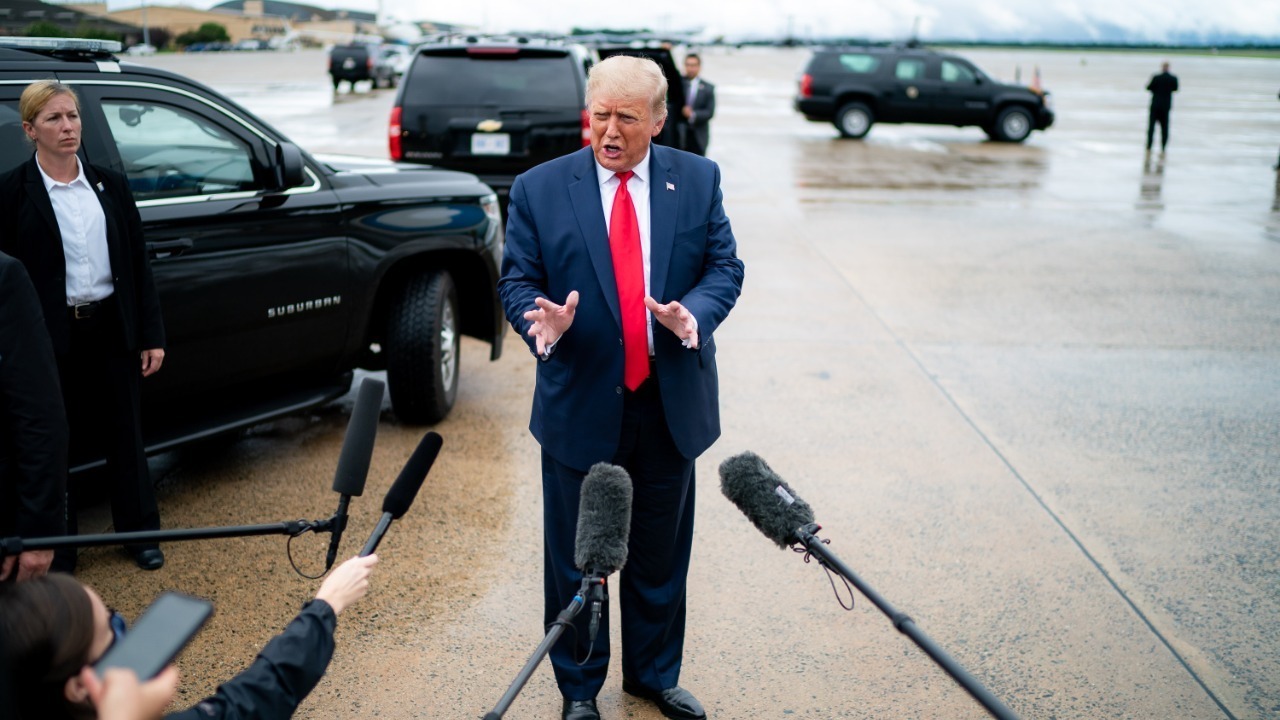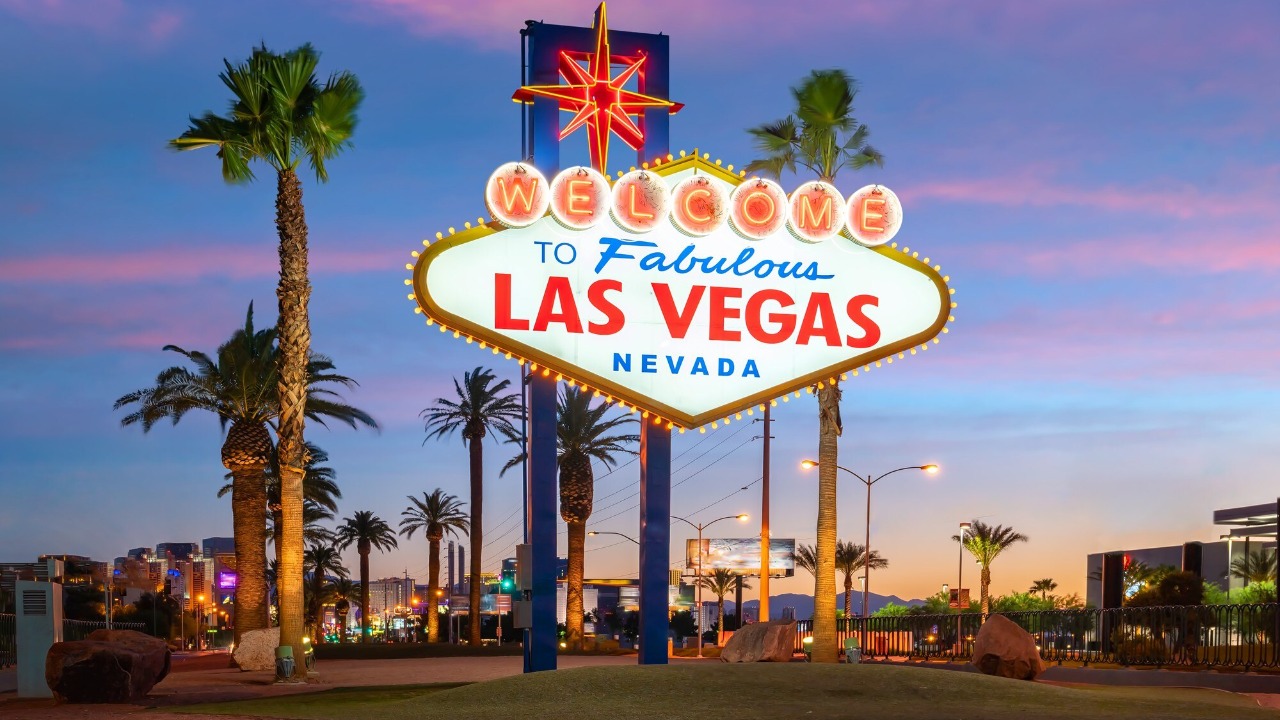
Las Vegas, a city renowned for its vibrancy and tourism, is now grappling with a significant rise in foreclosures, which have surged by 32%. This unexpected trend is attributed to a combination of exorbitant housing prices and the economic impact of boycotts linked to Trump-era policies. The ripple effects of these factors are evident, impacting not only homeowners but also the broader Las Vegas economy.
Economic Impact of Rip-off Prices
The Las Vegas housing market has long been a topic of considerable interest due to its volatility and tendency for rapid changes. Recently, the market has been characterized by inflated property prices, which have deterred potential buyers and strained current homeowners. The rising costs are partly driven by speculative investments, leading to price hikes that are unsustainable for many residents. Prospective homeowners find themselves priced out, while those with mortgages are struggling to keep up with payments amidst skyrocketing housing costs.
For local residents, the consequences are profound. Families and individuals who are unable to meet mortgage payments face financial strain, often leading to foreclosure. The increase in foreclosures further impacts rental prices and availability, creating a challenging environment for both potential renters and landlords. As housing becomes less affordable, the economic fabric of Las Vegas experiences additional stress.
Role of Trump Boycotts in Economic Downturn

While the housing market is a significant factor, the economic downturn in Las Vegas is also linked to boycotts associated with Trump-era policies. These boycotts targeted specific industries and businesses, driven by political and social motivations. The tourism sector, a cornerstone of the Las Vegas economy, was particularly hard hit as travelers chose to boycott regions or establishments perceived as supportive of these policies.
The fallout from these boycotts is evident in the decline of tourist activity, which in turn affects the local economy. Several businesses, ranging from hotels to entertainment venues, have reported decreased patronage and, in some cases, have been forced to close their doors. This economic decline exacerbates the foreclosure crisis, as those employed in these industries face job losses or reduced income, further limiting their ability to maintain mortgage payments.
Community Response and Adaptation
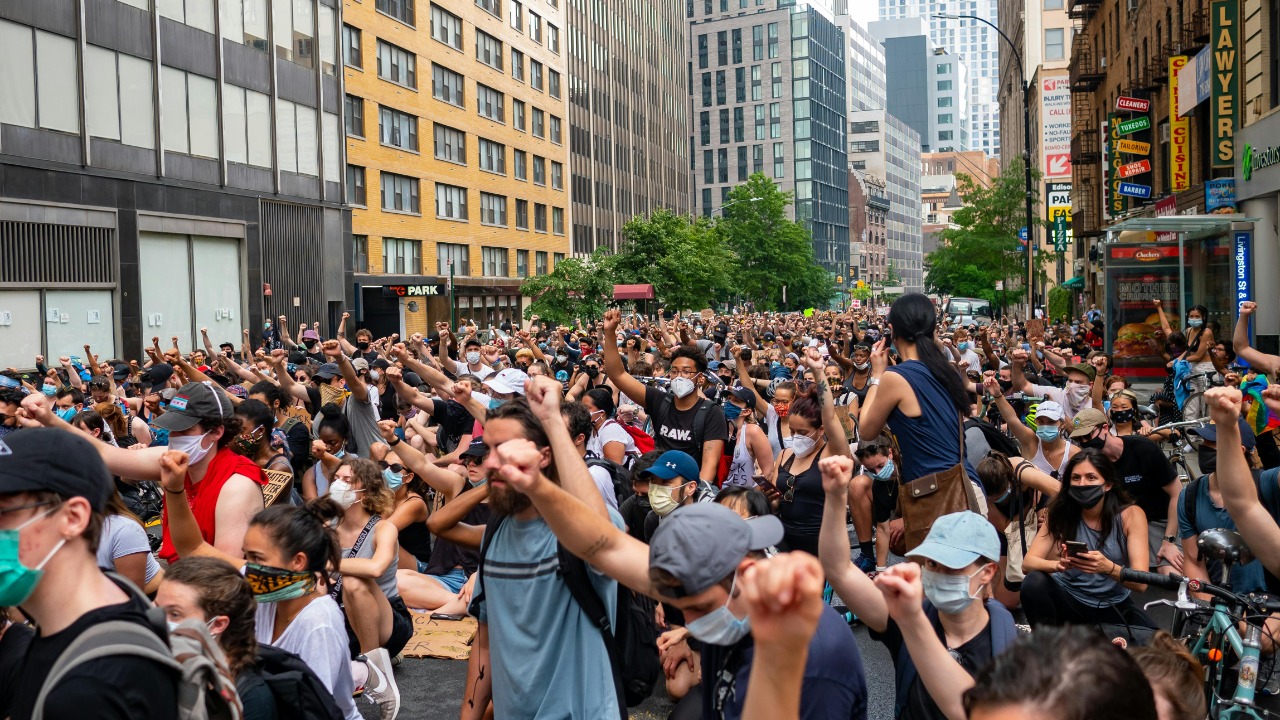
In response to the rising foreclosure rates, community initiatives have emerged to support affected homeowners. Local government and non-profit organizations have launched programs aimed at foreclosure prevention, offering resources and assistance to those in need. These efforts include financial counseling, legal aid, and restructuring mortgage agreements to provide relief to struggling homeowners.
There are also success stories of community support and advocacy efforts that have made a tangible difference. By fostering a sense of collective responsibility, Las Vegas residents and organizations are working together to mitigate the impact of the foreclosure crisis. Additionally, discussions on long-term strategies for economic recovery are underway, focusing on potential policy changes to stabilize the housing market and reduce Las Vegas’ dependence on tourism and hospitality industries.
Future Outlook for Las Vegas
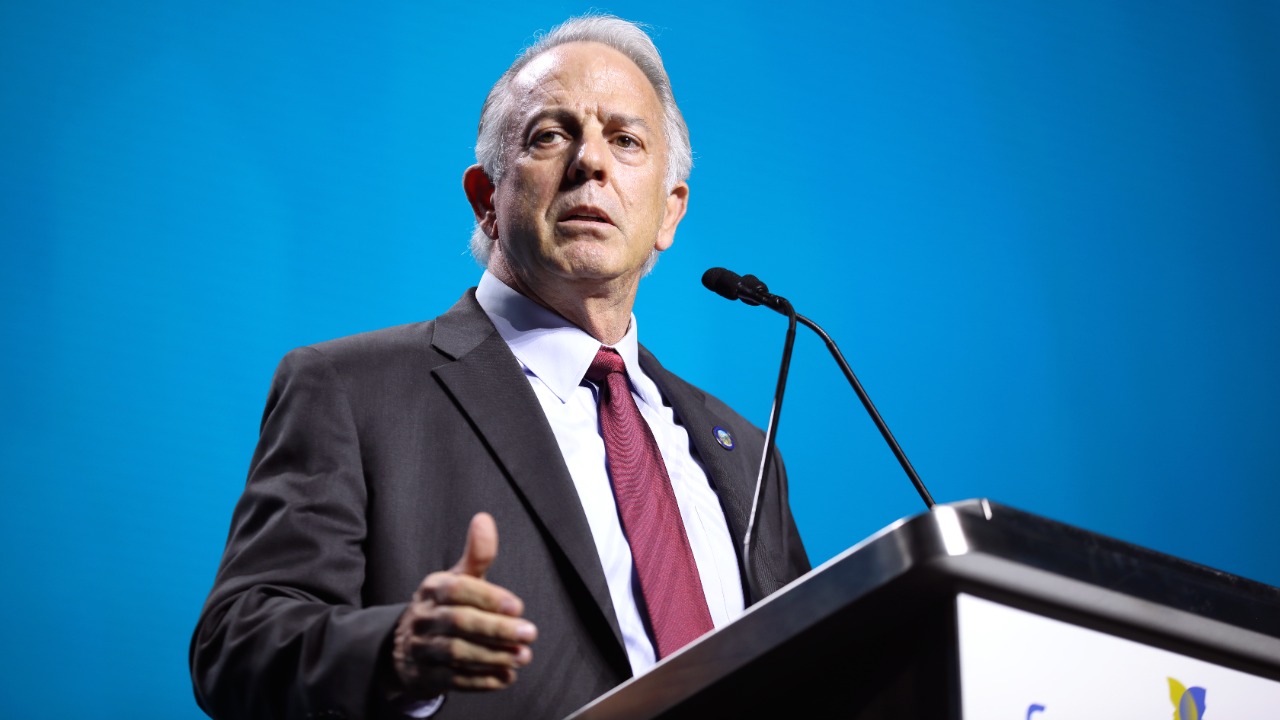
The future of the Las Vegas housing market remains uncertain, with experts offering varied forecasts. Some predict that the trend of rising foreclosures may continue unless significant economic changes occur, while others suggest stabilization may be on the horizon as national economic policies evolve. The impact of these policies on local real estate will be a crucial factor in determining the market’s trajectory.
Beyond the immediate housing market concerns, Las Vegas faces broader implications for urban development. Sustainable growth and urban planning are essential considerations in light of recent challenges. Lessons learned from the current crisis can inform future urban policy, ensuring that Las Vegas develops in a manner that is resilient and adaptable to economic fluctuations. By addressing these issues, the city can aim for a more stable and diversified economic future.
For more insights and ongoing discussions about the economic challenges facing Las Vegas, you can explore further. The challenges are significant, but with strategic planning and community resilience, Las Vegas can navigate this period of economic uncertainty.

Elias Broderick specializes in residential and commercial real estate, with a focus on market cycles, property fundamentals, and investment strategy. His writing translates complex housing and development trends into clear insights for both new and experienced investors. At The Daily Overview, Elias explores how real estate fits into long-term wealth planning.