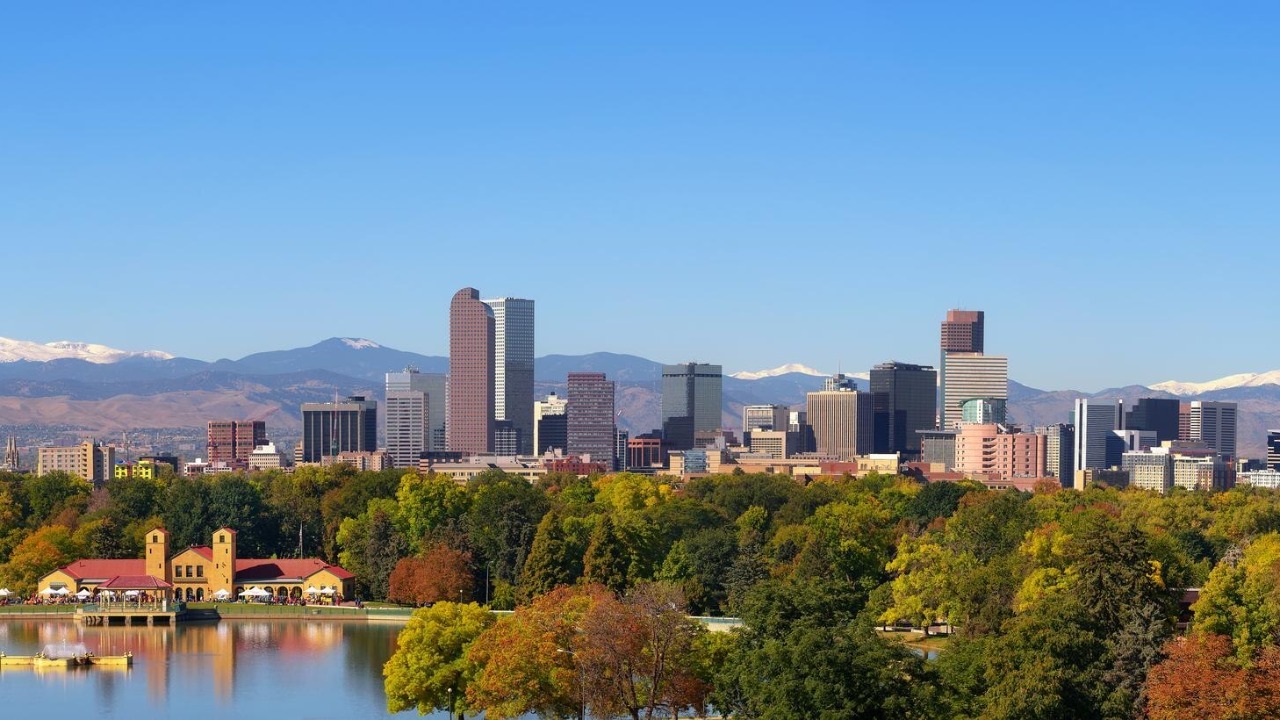
Retirement is often seen as a time for relaxation and enjoyment, but choosing the right place to settle down is crucial. While small cities can offer charm and tranquility, some may pose unexpected challenges. This article explores the small cities that retirees should approach with caution.
Economic Stability and Employment Opportunities
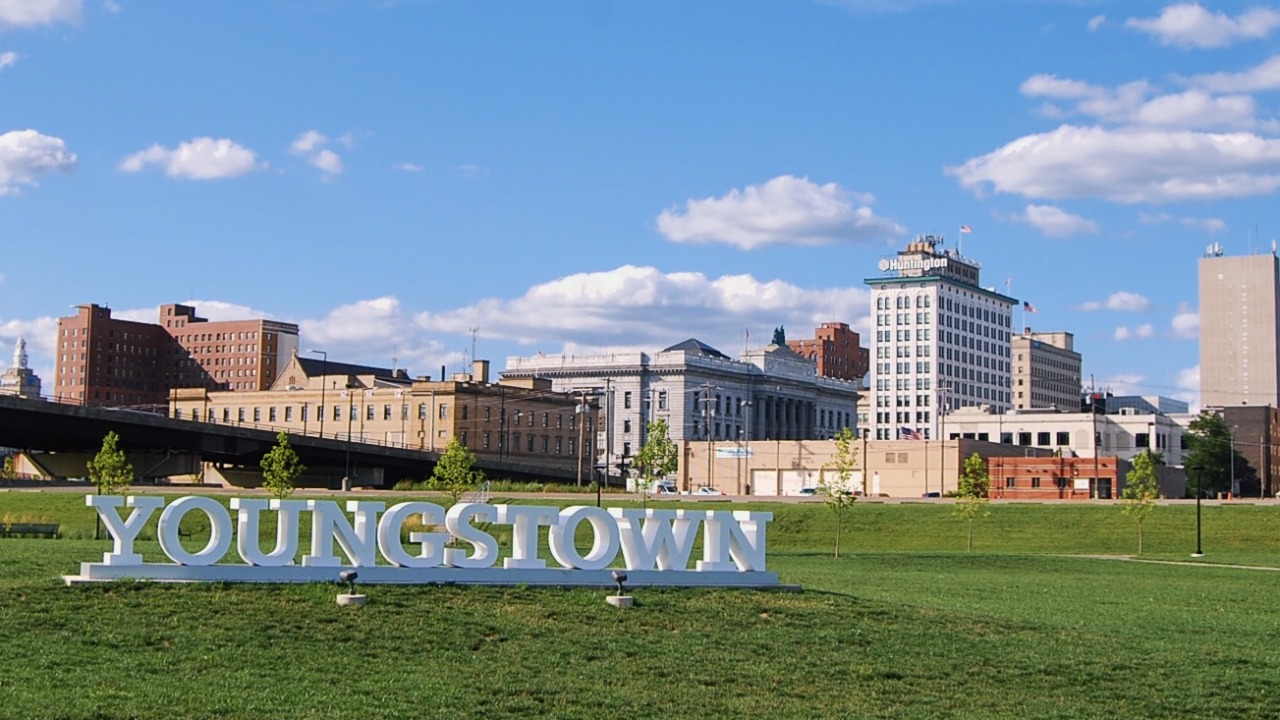
Small cities like Youngstown, Ohio, and Scranton, Pennsylvania, have experienced volatile local economies over the years. These fluctuations can significantly impact retirees who rely on fixed incomes. Economic instability can lead to a decrease in public services and an increase in living costs, which can strain retirees’ budgets. The effects of economic downturns are often more pronounced in smaller cities where diversification of industries is limited.
Moreover, the scarcity of part-time work opportunities in these areas can be a concern for retirees who wish to supplement their income or maintain an active lifestyle. In cities with limited economic growth, part-time jobs that are typically available to retirees, such as retail or consultancy positions, are harder to come by. This lack of job opportunities can affect not only financial stability but also the social engagement of retirees, as work often provides a valuable social outlet.
Healthcare Accessibility and Quality
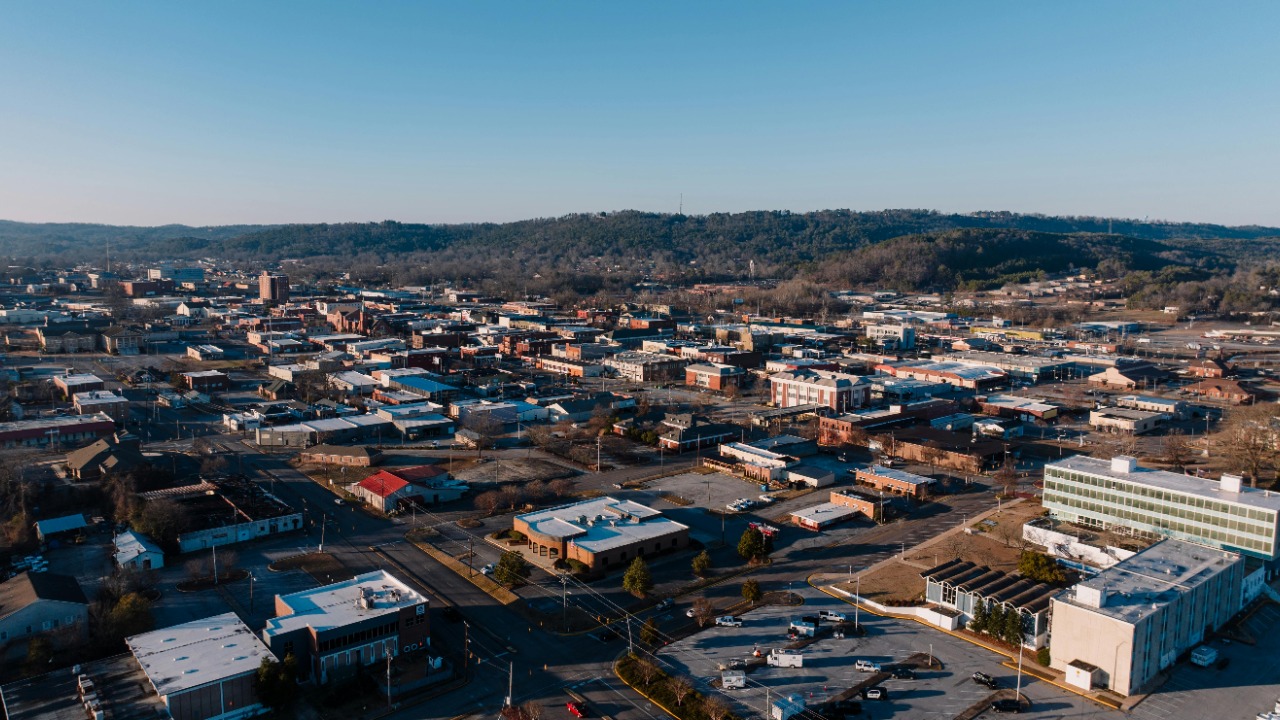
Access to quality healthcare is a critical factor for retirees considering relocation. In small cities like Florence, Alabama, and Hattiesburg, Mississippi, medical facilities may not offer the same level of care as those in larger urban areas. The availability of healthcare services is often limited, with fewer hospitals and specialized medical professionals. This situation can be particularly challenging in emergencies or for those with chronic health conditions.
Specialized care shortages are another significant concern. Retirees may find it difficult to access necessary treatments without traveling long distances. According to studies on healthcare distribution, access to specialties like cardiology or oncology can be severely limited in smaller cities. It’s crucial for retirees to evaluate the healthcare infrastructure, including the presence of medical alert systems, which can be lifesaving in areas with limited healthcare resources.
Safety and Crime Rates
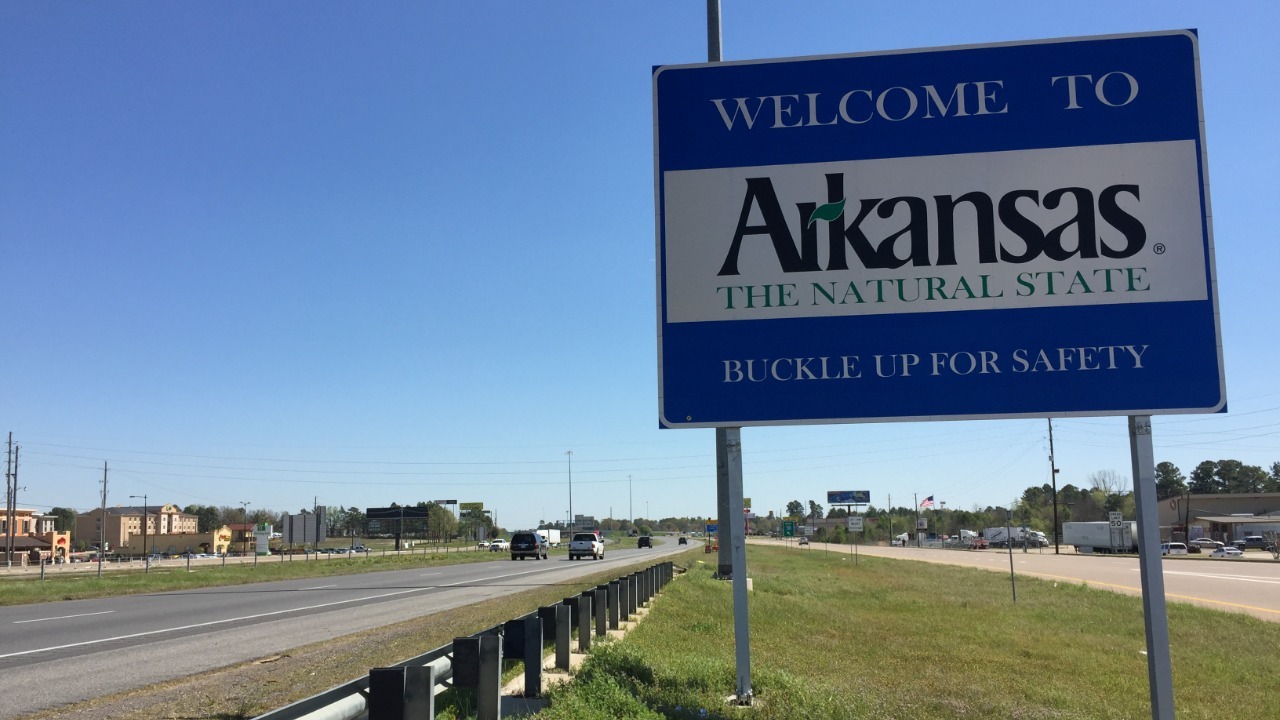
Safety is a primary concern for retirees, and some small cities have higher-than-average crime rates. According to a Yahoo Finance article, cities such as Pine Bluff, Arkansas, and Albany, Georgia, have been noted for their elevated crime statistics. Retirees in these areas may face risks related to property crimes and personal safety, which can affect their quality of life and peace of mind.
The presence or absence of effective community safety initiatives can significantly impact the overall security of retirees. Cities that lack strong community policing programs or neighborhood watch schemes may not provide the secure environment that retirees need. Evaluating the local law enforcement’s engagement with the community and the effectiveness of crime prevention programs is essential for retirees considering a move to a small city.
Cost of Living and Affordability
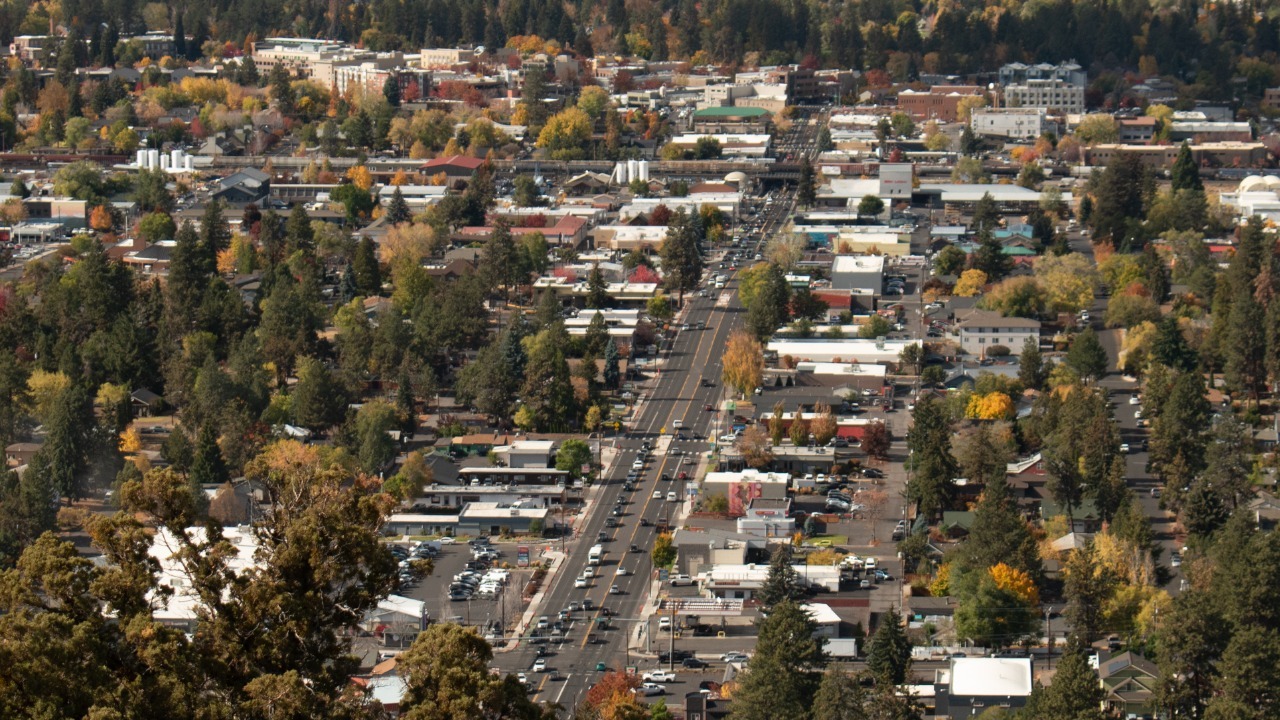
Rising housing costs can be a significant burden for retirees on a fixed income. In cities like Asheville, North Carolina, and Bend, Oregon, the demand for housing has driven prices up, making it difficult for retirees to find affordable living arrangements. According to economic analyses, even small cities are not immune to the housing market pressures typically seen in larger urban areas.
Beyond housing, retirees must also consider other living expenses that may be higher than expected. Costs for groceries, utilities, and transportation can vary significantly depending on the region. In some small cities, the lack of competition can lead to higher prices for basic goods and services. Retirees should carefully assess the overall cost of living and compare it to their anticipated retirement income to ensure financial sustainability.
Social and Recreational Opportunities

Engagement in social activities is vital for retirees to maintain a fulfilling life. However, small cities such as Grand Junction, Colorado, and Medford, Oregon, may offer limited social engagements. The availability of clubs, organizations, and events that cater to seniors can be scarce, impacting retirees’ ability to build new friendships and stay active.
Recreational facilities, including parks and community centers, are essential for promoting physical health and social interaction among retirees. The accessibility of these amenities can vary widely in small cities, with some lacking the infrastructure to support diverse recreational activities. Retirees should consider the availability and quality of recreational opportunities when choosing a city, as these factors play a crucial role in enhancing the overall retirement experience.

Nathaniel Cross focuses on retirement planning, employer benefits, and long-term income security. His writing covers pensions, social programs, investment vehicles, and strategies designed to protect financial independence later in life. At The Daily Overview, Nathaniel provides practical insight to help readers plan with confidence and foresight.

