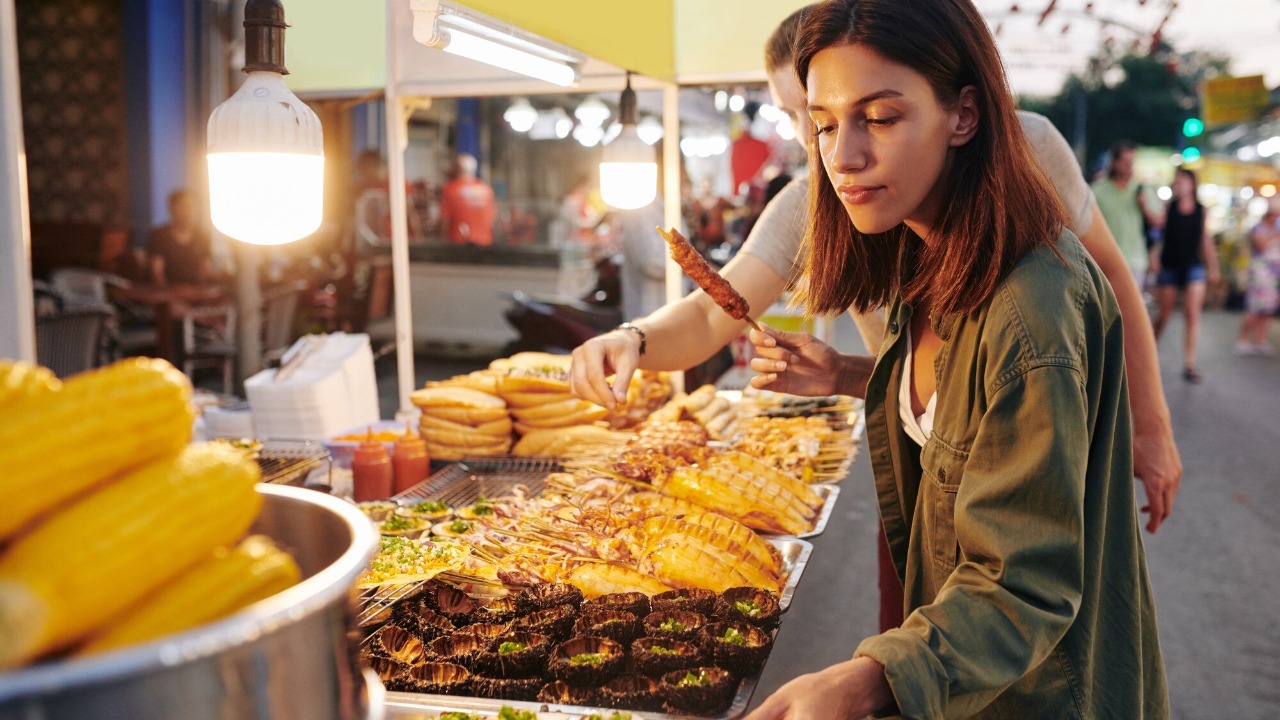
On any busy city night, the sidewalk food cart and the sit‑down restaurant are selling more than dinner. They are competing visions of who gets to profit from urban life, and under what rules. As restaurant owners rage about “unfair” competition and health risks, the more uncomfortable truth is that restrictive policies and broken permit systems are quietly pushing thousands of vendors into the shadows, where exploitation and real safety problems are most likely to flourish.
Seen through that lens, the fight over street vending is less a morality play about clean kitchens versus dirty grills and more a systems failure. Cities have built regulatory mazes that protect some businesses while trapping others in illegality, then blame vendors for the predictable fallout. If officials keep tightening the screws without fixing permits, enforcement, and space, they risk supercharging the very underground economy they say they want to control.
Why restaurants are furious, from San Diego to the curb outside your favorite bistro
In tourist districts, the anger is visceral. In the Gaslamp Quarter, downtown San Diego restaurant owners describe illegal sidewalk grills popping up just steps from their patios, undercutting menu prices without paying rent, property tax, or staff benefits. For operators who survived pandemic shutdowns and inflation only to watch customers peel off for a cheaper taco on the corner, the sense of betrayal is real. Their frustration is not just about money, it is about feeling that the city is tolerating a parallel food economy that plays by different rules.
That resentment is echoed in national debates where critics argue that mobile vendors lack “skin in the game” because they do not invest in real estate or long‑term leases the way brick‑and‑mortar owners do. In one widely cited analysis, opponents claim that food trucks can swoop into high‑traffic areas at peak hours, skim off demand, then roll away without contributing to neighborhood upkeep. Some Big Cities Jump Into the Fray, Enacting Parking Restrictions to Cope With Rising Tide of Gourmet Vendors, as reported by Sarah and Needle, shows how quickly that narrative can translate into law, with curbs effectively turned into contested commercial real estate.
The hidden labor behind the cart: long hours, debt and trafficking risks
Strip away the romance of the late‑night hot dog stand and the work looks brutally familiar to anyone who has studied low‑wage labor. Our research shows that full‑time sidewalk vendors put in, on average, more than 11 hours a day, five‑and‑a‑half days a week, according to Our and Thre. That schedule rivals the grind inside many restaurant kitchens, but without the formal protections of payroll jobs. For immigrant workers, especially those without secure status, the cart can be both a lifeline and a trap.
San Francisco’s recent explosion of hot dog stands around nightlife hubs illustrates how quickly that trap can close. While hot dog vendors have been part of the city’s gray market for decades, reporting has documented cases where workers are recruited from abroad, charged steep “placement” fees, then required to hand over most of their daily take to handlers to whom they are indebted. One investigation into While hot dog vendors describes conditions that border on human trafficking, with vendors laboring long shifts to pay off debts they barely understand. When cities criminalize vending instead of regulating it, they make it far harder for these workers to seek help without risking arrest or deportation.
Permits, proximity rules and the black market cities do not like to talk about
Behind the sidewalk drama sits a quieter story of paperwork and scarcity. In New York, the number of legal vending permits has been capped for decades, even as demand for cheap street food has grown. The result is an impossibly long wait list, a thriving black market in permits, and a situation in which three‑quarters of the city’s vendors operate without licenses, according to The result and related analysis. That underground market does not just hurt vendors who pay thousands of dollars under the table for a permit that officially costs a fraction of that, it also deprives the city of transparent oversight and tax revenue.
Other cities use geography instead of caps to achieve a similar effect. Given the density of restaurants, the Given the 200-foot proximity restriction effectively eliminated food trucks from most of the city’s downtown, one federal housing and urban development study notes. On paper, such rules are framed as neutral tools to prevent congestion. In practice, they function as de facto bans in the very areas where vendors could earn enough to comply with health and tax rules. When I look at these systems side by side, the pattern is clear: scarcity and distance rules do not remove vending, they just push it into alleys, side streets and informal arrangements where exploitation and health violations are harder to monitor.
Health fears, real risks and the double standard on sanitation
Restaurant owners often lead with hygiene when they argue against carts, and there are genuine concerns. The King County Health Department said they need the public to report illegal vendors, stating that they “take the issue of unpermitted” mobile food operations seriously, in a warning about King County Health and Seattle. In Santa Maria, community reporter Juliet Lamar warned viewers that the next time they want to buy a taco from a street vendor they may want to reconsider, highlighting how some unpermitted setups lack basic refrigeration or hand‑washing. These are not abstract worries; foodborne illness can spread quickly when meat sits at unsafe temperatures or gray water is dumped into storm drains.
Yet critics sometimes use those risks as a blanket indictment of all vending, ignoring the difference between regulated carts and those forced underground. During the pandemic, Critics condemned vending for its supposed lack of sanitation control and for posing unfair competition to brick and mortar restaurants, even as many vendors scrambled to adopt masks, sanitizer and distancing before some indoor dining rooms did. The deeper problem is not that carts are inherently dirtier, it is that cities often fail to provide clear, accessible pathways for training, inspections and trash pickup. While these rules exist, without the proper city agency support for regulation, education, and vending space identification resources, vendors and neighbors are left guessing about what is allowed, as New York’s own While legislative review concedes.
Inflation, adaptation and the quiet ingenuity of vendors
For all the focus on conflict, the economic logic that drives people to the sidewalk is straightforward. Many people start street vending as it is one of the simplest business forms, a Philippine study of Poblacion, San Isidro, Nueva Ecija notes, but as vendors struggle with inflation’s effects, more significant problems arise, including higher input costs and shrinking margins, according to Many and However. When rice, cooking oil and fuel spike, vendors cannot simply raise prices to fine‑dining levels; their customers are often the same workers squeezed by those increases. That is one reason urban diners gravitate to carts in the first place, especially during economic downturns.
Faced with these pressures, some vendors innovate rather than disappear. In some contexts, street vendors have shifted their mode of working as an adaptive strategy, with Some downscaling the products they sell, changing hours or moving to less policed streets, as documented in research on Some and Main North Road. Others experiment with digital tools, taking orders via WhatsApp or Facebook Messenger to smooth demand and reduce the time they need to occupy contested corners. My read is that these adaptations are a form of quiet entrepreneurship, but they also show how policy gaps push vendors into ever more precarious arrangements instead of integrating them into formal local economies.
More From The Daily Overview
*This article was researched with the help of AI, with human editors creating the final content.

Grant Mercer covers market dynamics, business trends, and the economic forces driving growth across industries. His analysis connects macro movements with real-world implications for investors, entrepreneurs, and professionals. Through his work at The Daily Overview, Grant helps readers understand how markets function and where opportunities may emerge.