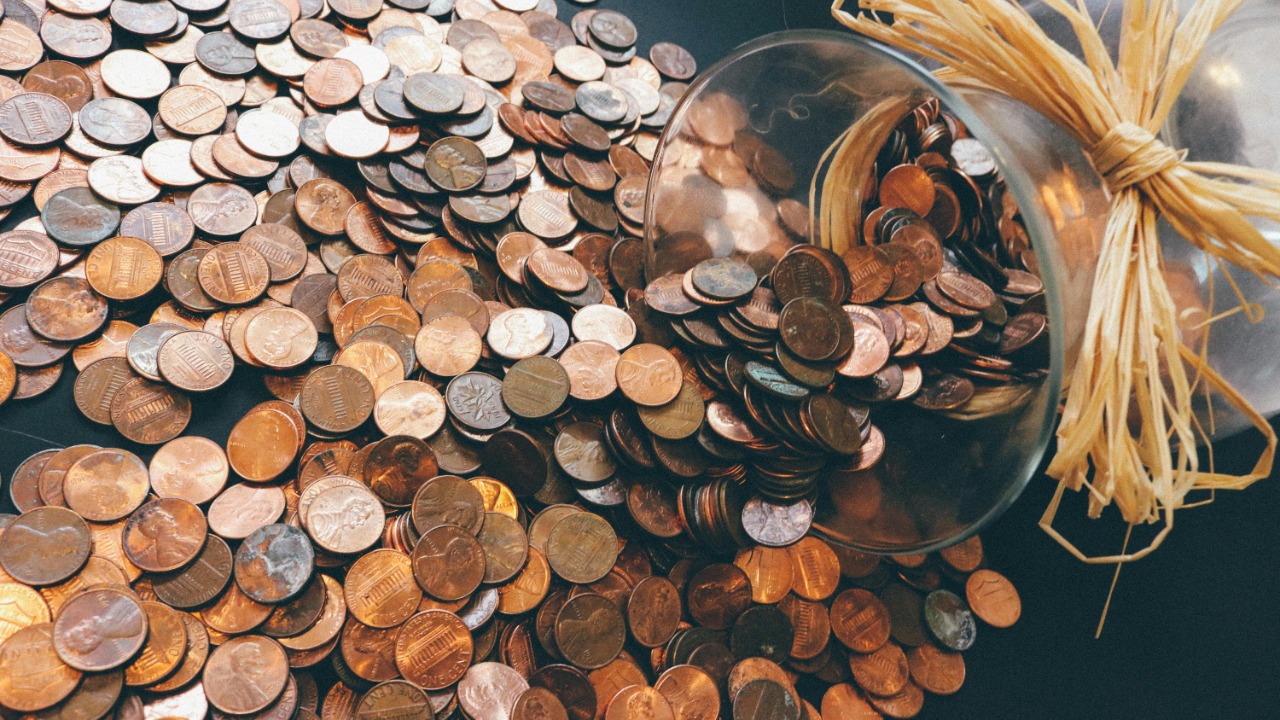
The United States Mint announced on November 12, 2025, that it has stamped its last penny, marking the end of an era for the one-cent coin after more than two centuries in circulation. This decision represents a historic conclusion for a coin that has been a staple of American pocket change, reflecting shifting economic realities and the penny’s declining relevance in everyday transactions. The announcement underscores a significant moment in the nation’s numismatic history, as the penny has long been a symbol of American currency.
The US Mint’s Announcement
The US Mint confirmed that it has stamped its last penny, marking a definitive end to the production of the one-cent coin. The official statement highlighted the culmination of a long-standing tradition, emphasizing the significance of this transition. The final minting process took place at the Philadelphia Mint, where a small ceremony was held to commemorate the occasion. This event was attended by key figures in the numismatic community, underscoring the penny’s historical importance. The announcement was made public capturing the attention of collectors and the general public alike.
The decision to cease penny production has been years in the making, with discussions around the coin’s future taking place over the past decade. The US Mint’s announcement on November 12, 2025, marks the culmination of these discussions, as economic factors and changing consumer habits have rendered the penny increasingly obsolete. The final penny was stamped with a special mark to signify its place in history, a fitting tribute to a coin that has been part of American life for over 200 years.
Historical Significance of the Penny
The penny has a storied history in the United States, tracing its origins back to the Coinage Act of 1792, which established the US Mint and authorized the production of the first American coins. The penny quickly became a fixture in American commerce, serving as a practical means of exchange for everyday transactions. Over the years, the penny has undergone several design changes, with the most iconic being the Lincoln cent introduced in 1909 to commemorate the centennial of Abraham Lincoln’s birth.
Throughout its history, the penny has been more than just a coin; it has been a cultural symbol, representing thrift and the value of small change. Its discontinuation marks a significant turning point in American numismatics, as the US Mint shifts its focus to more relevant denominations. The penny’s role in American culture and commerce has been profound, and its absence will be felt by collectors and the public alike.
Reasons Behind the Discontinuation
The decision to discontinue the penny was driven by several economic factors, as outlined in the US Mint’s announcement. The cost of producing a penny has long exceeded its face value, with rising material costs and production expenses making it financially unsustainable. The US Mint has faced increasing pressure to address these inefficiencies, leading to the decision to stamp the last penny.
In addition to production costs, the penny’s declining use in everyday transactions played a significant role in its discontinuation. With the rise of digital payments and the decreasing need for physical change, the penny has become less relevant in modern commerce. Legislative efforts to eliminate the penny have also gained traction in recent years, reflecting a broader consensus on the need to streamline the nation’s currency system.
Impact on Circulation and Collectors
The US Mint’s decision to stamp its last penny will have a lasting impact on the circulation of existing pennies. While the production of new pennies has ceased, billions of pennies remain in circulation and will continue to be used in transactions for the foreseeable future. However, as these coins gradually disappear from circulation, their absence will be felt in everyday transactions, prompting adjustments in pricing and payment practices.
For numismatists and collectors, the final penny represents a unique opportunity to own a piece of history. The last batch of pennies, marked with a special insignia, is expected to become highly sought after by collectors, driving interest in the coin’s historical significance. The discontinuation of the penny also highlights the evolving nature of currency and the role of the US Mint in adapting to changing economic realities.
Overall, the end of penny production marks a significant shift in American currency, reflecting broader trends in the economy and consumer behavior. As the nation moves forward without the penny, the legacy of this humble coin will endure, remembered for its role in shaping American commerce and culture.
More From TheDailyOverview
- Dave Ramsey says these two simple questions show whether you’re rich or poor
- Retired But Want To Work? Try These 18 Jobs for Seniors That Pay Weekly
- IRS raises capital gains thresholds for 2026 and what’s new
- 12 ways to make $5,000 fast that actually work

Grant Mercer covers market dynamics, business trends, and the economic forces driving growth across industries. His analysis connects macro movements with real-world implications for investors, entrepreneurs, and professionals. Through his work at The Daily Overview, Grant helps readers understand how markets function and where opportunities may emerge.

