Throughout history, wealth has been amassed in staggering amounts by individuals who have shaped economies and societies. From ancient emperors to modern-day entrepreneurs, the richest people have often wielded significant influence. This article explores some of the wealthiest figures, drawing from historical and contemporary sources to understand their impact and legacy.
1) Mansa Musa, Emperor of Mali
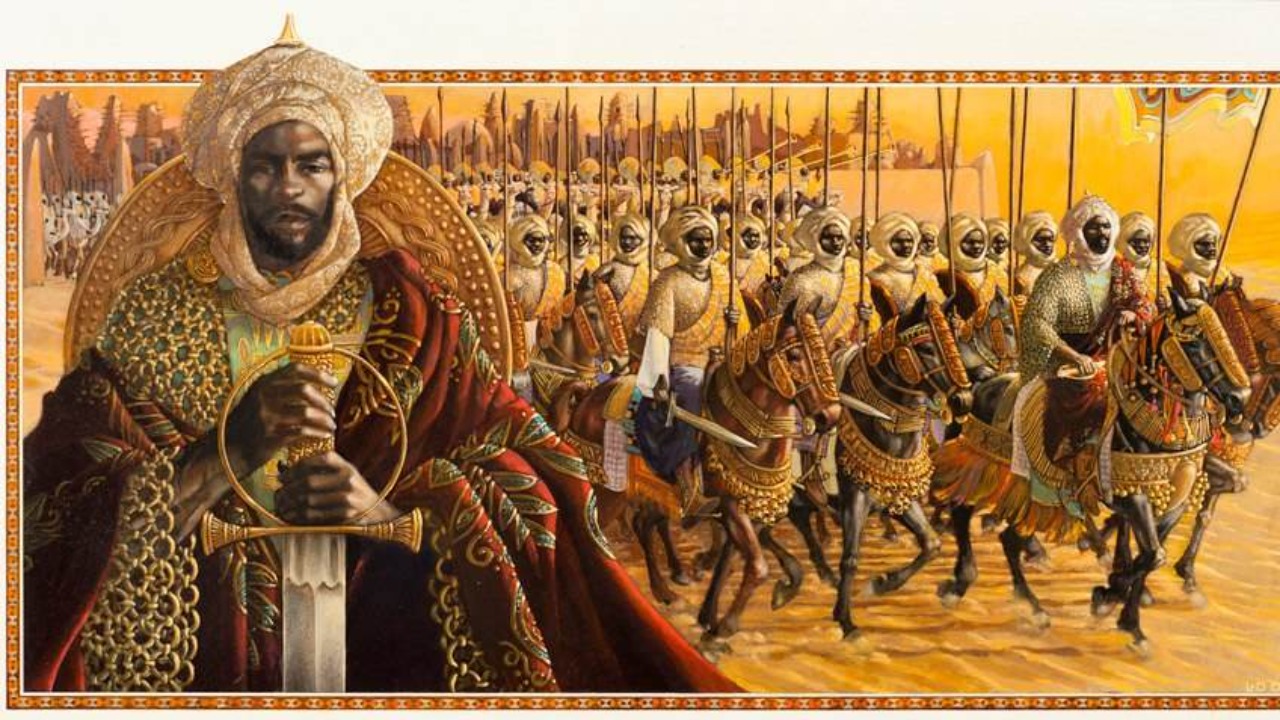
Mansa Musa, the 14th-century emperor of the Mali Empire, is often cited as the richest person ever. His wealth, primarily derived from the abundant gold resources of West Africa, was so vast that it is said to have exceeded modern trillions when adjusted for inflation. According to Investopedia, Musa’s control over the gold trade and his legendary pilgrimage to Mecca, where he distributed gold lavishly, cemented his status as a historical economic powerhouse.
Musa’s reign not only brought immense wealth to Mali but also established it as a center of culture and learning. His investment in education and architecture, including the construction of the famous Djinguereber Mosque in Timbuktu, left a lasting legacy that extended beyond his wealth. His story illustrates the profound impact that resource control and strategic leadership can have on a nation’s prosperity.
2) John D. Rockefeller, U.S. Oil Tycoon
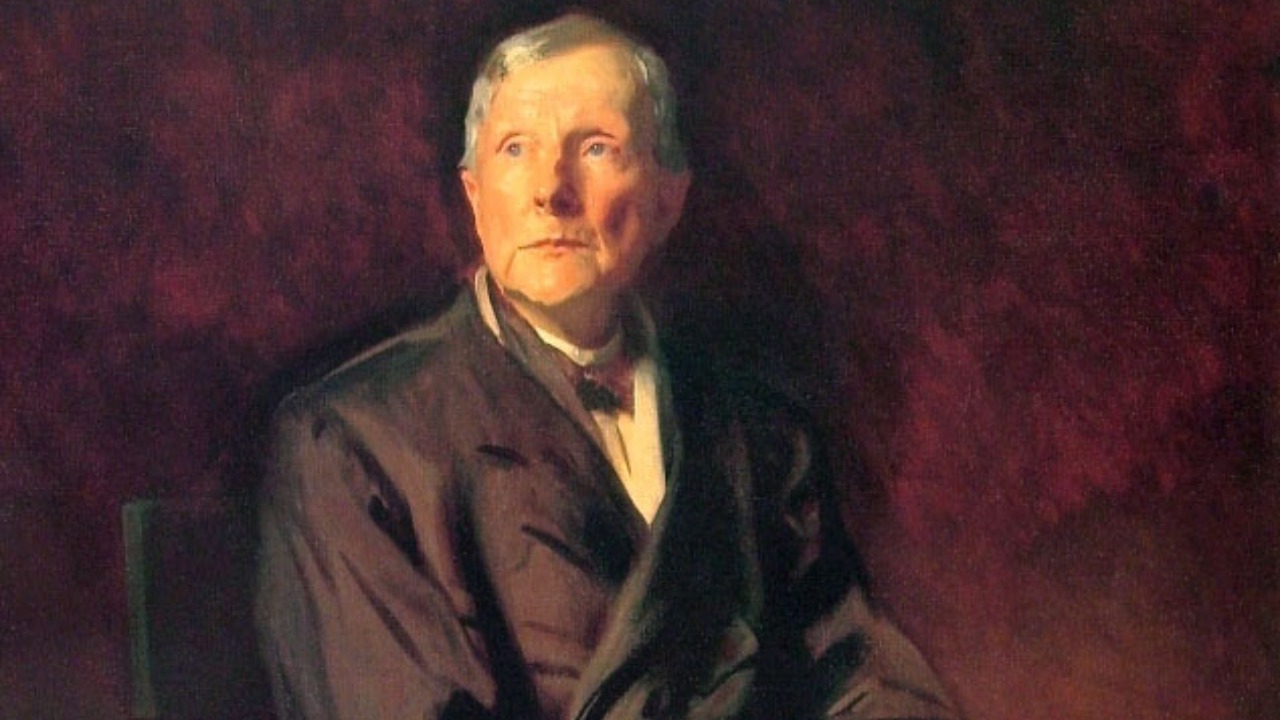
John D. Rockefeller, the American oil magnate, is another figure frequently mentioned among the richest individuals in history. His wealth, estimated at $340 billion in today’s dollars, was amassed through the Standard Oil Company, which dominated the oil industry in the late 19th and early 20th centuries. As reported by Investopedia, Rockefeller’s business acumen and strategic monopolization of the oil market set a benchmark for American industrialists.
Rockefeller’s influence extended beyond his business empire. He was a prominent philanthropist, establishing foundations that contributed to education, science, and public health. His legacy is a testament to how industrial success can be leveraged for societal benefit, shaping the landscape of American capitalism and philanthropy.
3) George Washington, Founding U.S. President
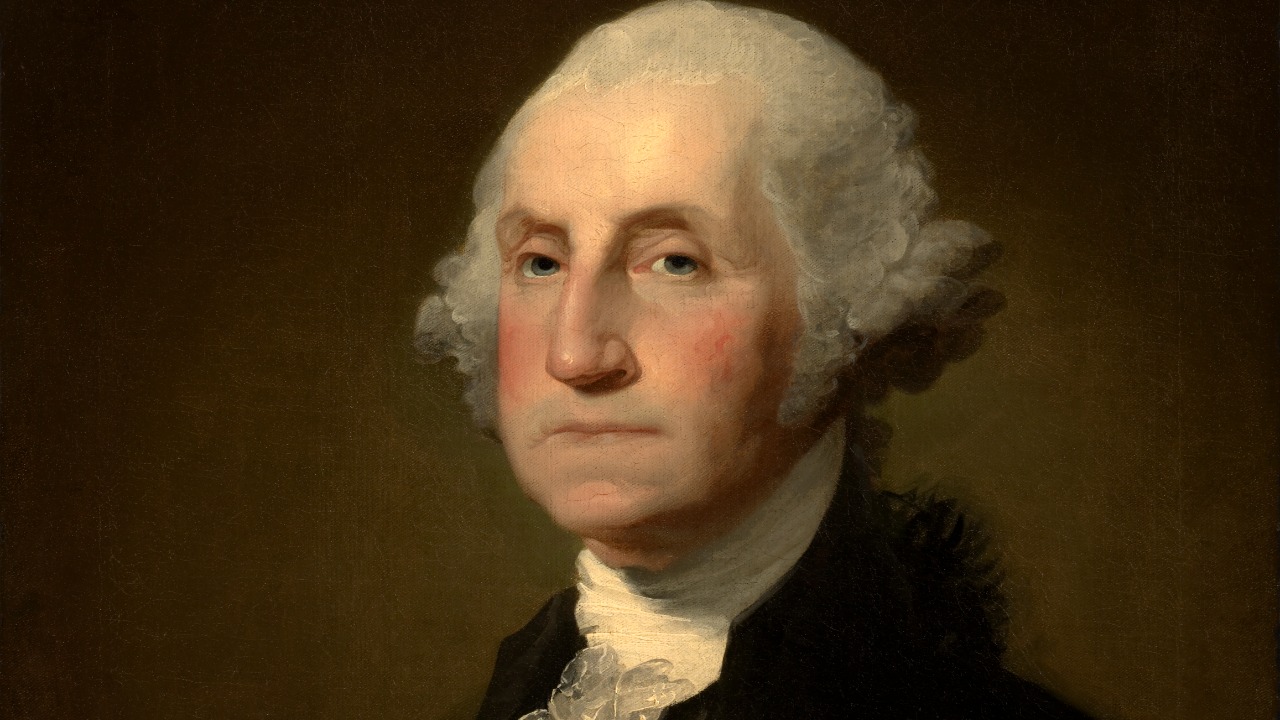
George Washington, the first President of the United States, is often recognized for his substantial wealth during his lifetime. His fortune was largely derived from extensive land holdings and agricultural enterprises. According to CBS News, Washington’s wealth made him one of the richest U.S. presidents, although not among the richest globally.
Washington’s economic success was intertwined with his leadership in the founding of the United States. His estate, Mount Vernon, was a symbol of his wealth and influence. Washington’s financial acumen and land management skills contributed to his ability to lead and sustain the early American republic, highlighting the role of economic stability in governance.
4) Elon Musk, Tech Entrepreneur

Elon Musk, known for his ventures in technology and space exploration, is a contemporary figure whose wealth and influence are significant. As of 2025, Musk’s citizenship and business activities place him among the top global billionaires. Nomad Capitalist discusses the citizenship patterns of the world’s richest, noting the prominence of U.S. citizens like Musk in the billionaire rankings.
Musk’s companies, including Tesla and SpaceX, have revolutionized industries and contributed to his substantial wealth. His vision for sustainable energy and space colonization continues to drive innovation and economic growth. Musk’s story exemplifies how modern entrepreneurship can create unprecedented wealth and technological advancement.
5) David Thomson, Canadian Media Mogul
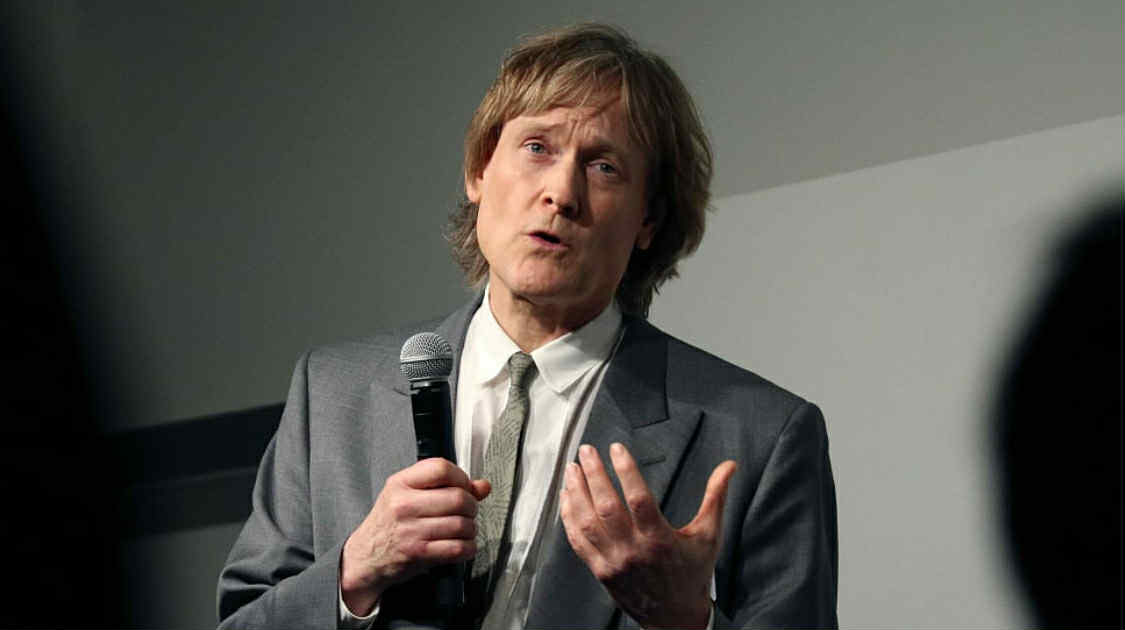
David Thomson, a leading figure in Canada’s media industry, represents the wealth amassed through inherited and expanded business empires. As highlighted by Maclean’s, Thomson is a prominent member of Canada’s billionaire class, with his wealth rooted in the Thomson family’s media holdings.
The Thomson family’s influence in media has shaped public discourse and information dissemination in Canada and beyond. David Thomson’s leadership in maintaining and growing this empire underscores the enduring power of media ownership in the modern economy. His wealth reflects the significant role of media in shaping societal narratives and economic landscapes.
6) Herb Kohl, Wisconsin Retail and Political Figure
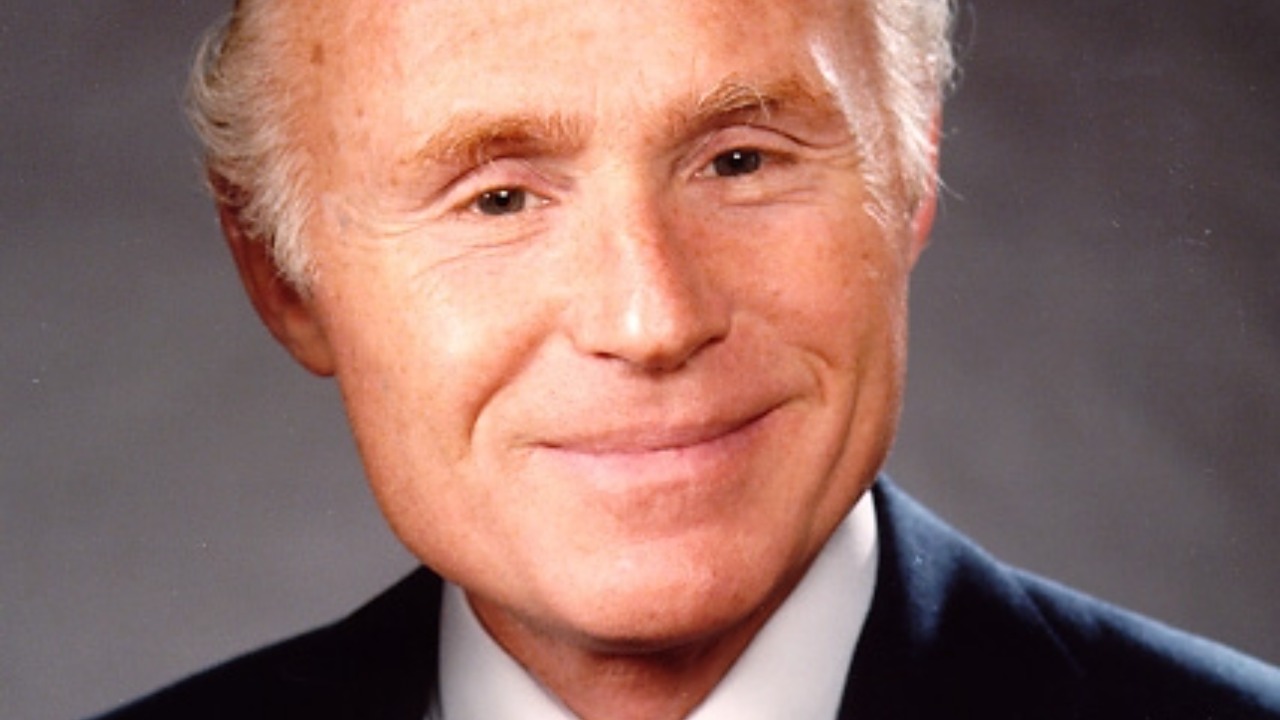
Herb Kohl, a notable figure in Wisconsin’s business and political spheres, contributes to the state’s collective wealth. According to Urban Milwaukee, Kohl is part of the group of Wisconsin’s seven richest individuals, whose combined worth totals $72 billion.
Kohl’s wealth stems from his ownership of the Kohl’s department store chain and his tenure as a U.S. Senator. His dual roles in business and politics highlight the intersection of economic and political power in regional contexts. Kohl’s contributions to Wisconsin’s economy and governance illustrate the impact of local business leaders on state-level prosperity.
7) Diane Hendricks, Wisconsin Business Leader

Diane Hendricks, another key player in Wisconsin’s economic landscape, is also part of the state’s wealthiest group. As reported by Urban Milwaukee, Hendricks’ success in the manufacturing sector has significantly contributed to the state’s collective wealth.
Hendricks’ company, ABC Supply, is a leading distributor of roofing and building materials, reflecting the importance of manufacturing in regional economies. Her achievements in business demonstrate how industrial leadership can drive economic growth and create substantial wealth, reinforcing the role of manufacturing in the American Midwest.

Grant Mercer covers market dynamics, business trends, and the economic forces driving growth across industries. His analysis connects macro movements with real-world implications for investors, entrepreneurs, and professionals. Through his work at The Daily Overview, Grant helps readers understand how markets function and where opportunities may emerge.

