
Retirement is a significant milestone that requires careful planning and foresight. Men over 50 often face unique challenges as they transition from the workforce into this new phase of life. Avoiding common pitfalls can help ensure a comfortable and financially secure retirement. Here are ten mistakes that are frequently made, and tips on how to avoid them.
1. Failing to Plan for Healthcare Costs

One of the biggest mistakes is underestimating healthcare expenses. Medical costs tend to rise with age, and failing to account for them can lead to financial strain. Medicare may not cover all expenses, such as long-term care or dental services. It’s crucial to explore supplemental insurance options and establish a dedicated savings fund for unexpected medical needs.
Consider investing in a Health Savings Account (HSA) if you’re eligible, as it offers tax advantages and can be a safety net for future healthcare costs. Planning for healthcare expenses today can prevent financial woes tomorrow.
2. Underestimating Longevity

People are living longer, and it’s essential to plan for a retirement that could last 20 to 30 years or more. Many underestimate how long their retirement savings need to last, which can lead to financial shortfalls. According to a study in the Journal of Aging & Social Policy, longevity is a critical factor that must be incorporated into retirement planning.
Utilize online calculators and consult with financial advisors to estimate how much you’ll need to sustain your lifestyle in retirement. Adjusting your savings plan to accommodate a potentially lengthy retirement can ensure you don’t outlive your assets.
3. Not Diversifying Investments

Relying too heavily on one type of investment or failing to rebalance your portfolio as you age can jeopardize your retirement savings. Diversification helps to spread risk and can provide a more stable income during retirement. Consider a mix of stocks, bonds, and other investment vehicles to create a balanced portfolio.
Review your investment strategy regularly and adjust based on market conditions and your retirement timeline. Consulting with a financial advisor can provide guidance tailored to your specific needs and risk tolerance.
4. Claiming Social Security Too Early

Claiming Social Security benefits at the earliest opportunity, typically age 62, may result in reduced monthly payments for life. By delaying benefits until full retirement age or later, you can increase your monthly income significantly. Understanding the implications of early claims is essential for maximizing your benefits.
Consider your health, financial needs, and life expectancy when deciding when to claim Social Security. For many, waiting until full retirement age or beyond is a financially beneficial decision.
5. Neglecting to Update Estate Plans

As life circumstances change, so should your estate plans. Failing to update wills, trusts, and beneficiary designations can lead to unintended consequences. Regularly reviewing and updating these documents ensures that your wishes are honored and can help minimize potential legal disputes.
Consult with an estate planning attorney to ensure your documents are current and reflect your current financial situation and family dynamics. This proactive approach can offer peace of mind for you and your loved ones.
6. Ignoring Inflation’s Impact

Overlooking inflation can erode the purchasing power of your savings over time. Even a modest inflation rate can significantly impact your financial situation in retirement. It’s essential to factor inflation into your retirement planning.
Consider investments that have the potential to outpace inflation, such as stocks or real estate. Additionally, regular reviews of your retirement plan can help ensure it remains aligned with economic conditions.
7. Overspending in the Early Years

It’s tempting to spend freely in the initial years of retirement, but this can deplete your savings faster than anticipated. Establishing a realistic budget that accounts for both essential and discretionary spending is crucial for long-term financial health.
Monitoring your spending and making adjustments as needed can prevent overspending. Tools like budgeting apps can offer insights into your financial habits and help you stay on track.
8. Not Considering Part-Time Work or Hobbies

Retirement doesn’t necessarily mean the end of work. For some, part-time employment or monetizing a hobby can provide additional income and a sense of purpose. It can also help ease the transition from a full-time career to retirement.
Exploring opportunities for part-time work or small business ventures can supplement your income and keep you engaged. This approach can also delay the need to tap into retirement savings, offering more financial flexibility.
9. Failing to Downsize Appropriately

Holding onto a large home or multiple properties can be a financial burden in retirement. Downsizing to a smaller, more manageable living space can reduce maintenance costs and free up equity.
Consider the best locations for retirement, as some areas may offer tax incentives or lower costs of living. Researching potential destinations can help you make informed decisions about where to spend your retirement years.
10. Overlooking Tax Implications
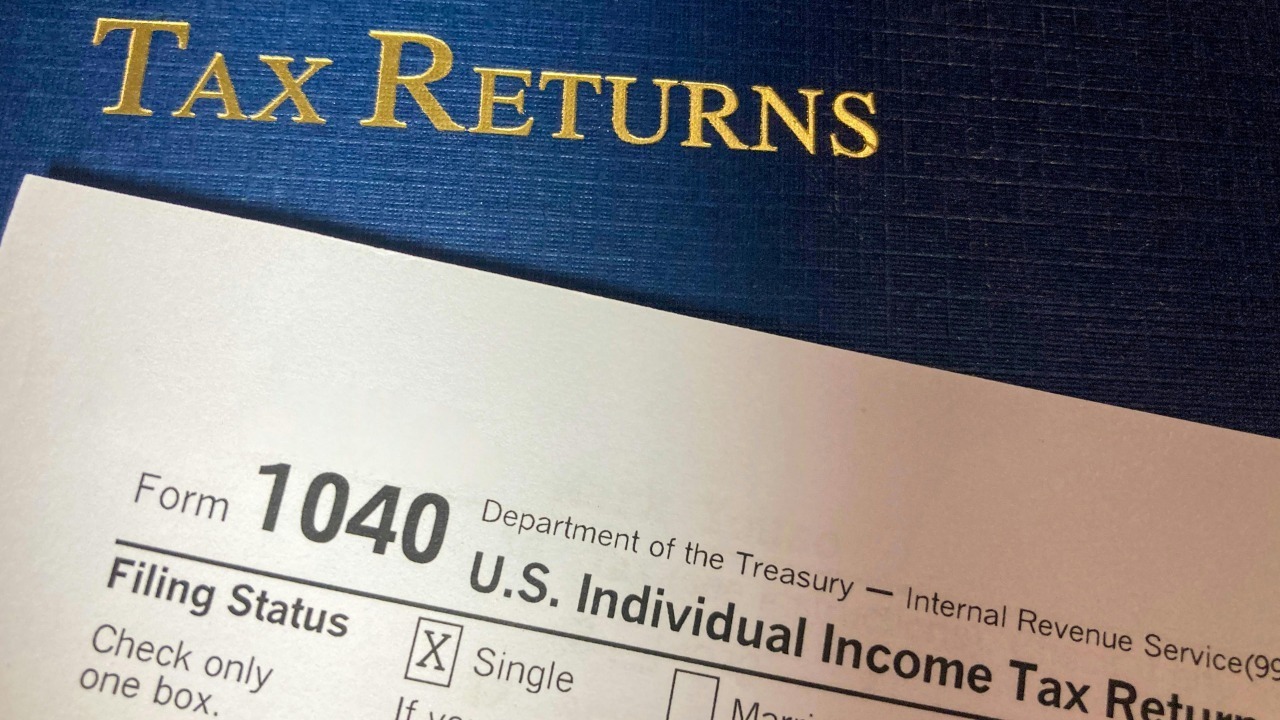
Tax considerations are often overlooked in retirement planning. Withdrawals from retirement accounts, Social Security benefits, and other income sources can have tax implications that affect your overall financial situation.
Consult with a tax professional to understand how different income sources are taxed and explore strategies to minimize your tax burden. Proper planning can help you maximize your retirement income and avoid unexpected tax liabilities.

Nathaniel Cross focuses on retirement planning, employer benefits, and long-term income security. His writing covers pensions, social programs, investment vehicles, and strategies designed to protect financial independence later in life. At The Daily Overview, Nathaniel provides practical insight to help readers plan with confidence and foresight.