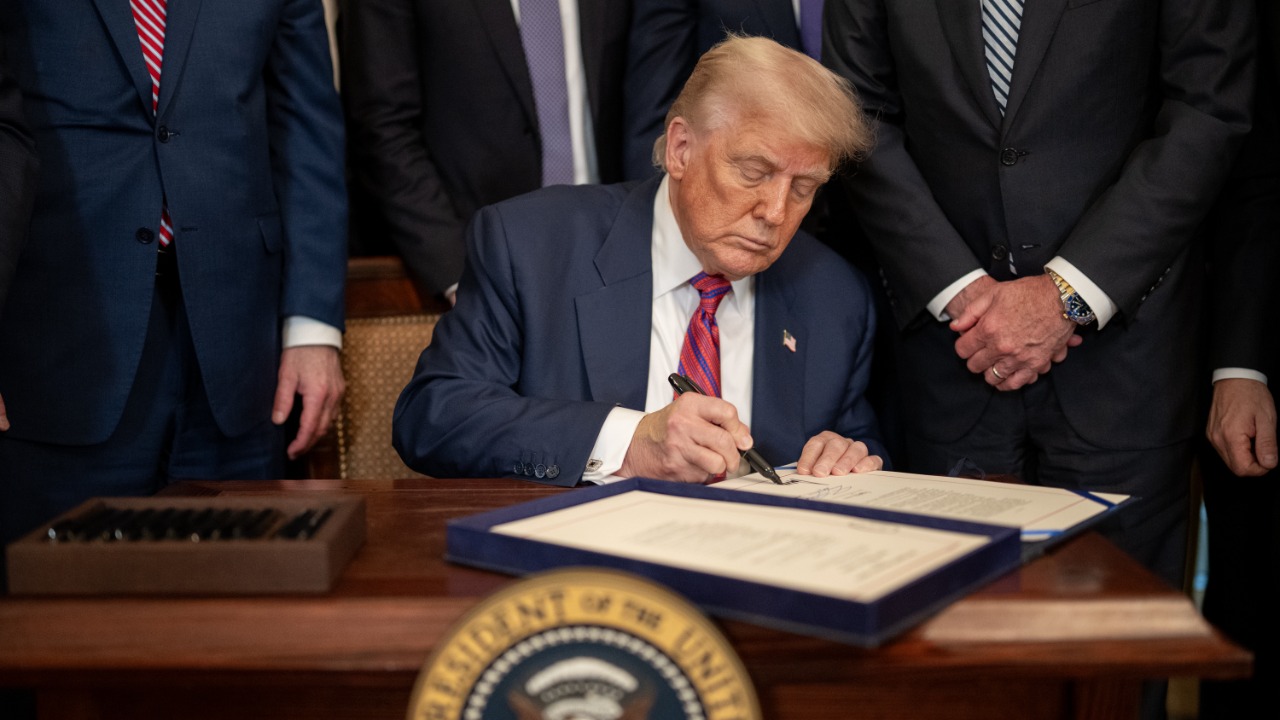
President Donald Trump has approached Congress to request additional security measures, raising questions about the financial implications for taxpayers. Understanding the potential costs and the rationale behind this request is crucial as the debate unfolds in Washington. This request comes amid heightened security concerns and a complex political landscape.
Security Concerns Driving the Request
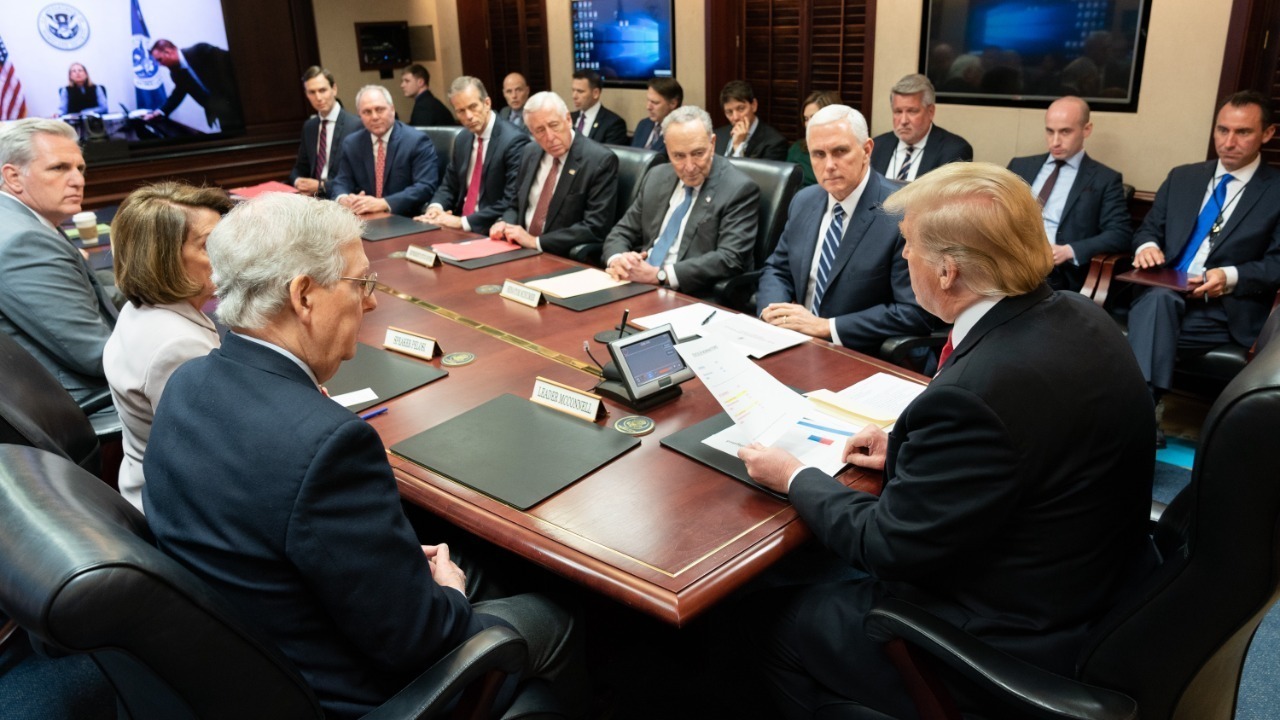
Donald Trump’s request for increased security measures is driven by specific threats he perceives as significant. According to the report, Trump has cited a rise in threats against him and his family as a primary reason for seeking enhanced security. This aligns with a broader trend where former presidents have occasionally sought additional protection due to evolving security landscapes. The nature of these threats, while not detailed in public reports, suggests a perceived escalation in risk that Trump believes warrants federal intervention.
Historically, former presidents have requested additional security measures under various circumstances. For instance, after leaving office, former presidents often receive Secret Service protection, but the level of security can be adjusted based on specific threats. Comparing Trump’s current situation to past instances, such as when former President Barack Obama faced increased security concerns post-presidency, highlights the unique challenges each former leader faces. Trump’s request, however, appears to be more public and politically charged, reflecting his ongoing prominence in national discourse.
In addition to the threats mentioned, the broader security environment for public figures has become increasingly volatile. The rise in politically motivated violence and the proliferation of online threats have contributed to a climate where enhanced security measures are often deemed necessary. This context underscores the challenges faced by former presidents, who, despite leaving office, remain symbols of their political legacies and are thus potential targets for those with extremist views. Trump’s request can be seen as a response to these evolving threats, reflecting a need to adapt security protocols to contemporary risks.
The Financial Implications for Taxpayers

The financial implications of Trump’s request for additional security are a significant concern for taxpayers. The estimated costs associated with the proposed security enhancements have not been publicly detailed, but they are expected to be substantial. Funding for such measures typically involves federal budget allocations, which could lead to adjustments in other areas of spending. This raises questions about how these costs will be absorbed and whether they will result in increased taxes or reallocation of existing resources.
Understanding the potential impact on taxpayers requires a closer look at how similar requests have been handled in the past. When former presidents have required additional security, the costs have often been covered by reallocating existing federal funds. However, given the current political climate and economic pressures, there is concern about whether this approach will suffice or if new funding mechanisms will be necessary. The debate in Congress will likely focus on balancing security needs with fiscal responsibility, a challenge that requires careful consideration of both immediate and long-term financial impacts.
Moreover, the financial implications extend beyond immediate costs. Long-term considerations include the potential need for ongoing security enhancements, which could set precedents for future requests by other former presidents. This raises questions about the sustainability of current funding models and whether new frameworks should be developed to address these evolving needs. The debate in Congress may also explore alternative funding strategies, such as public-private partnerships or increased contributions from private security firms, to mitigate the financial burden on taxpayers.
Congressional Response and Debate

The response from Congressional leaders to Trump’s request for more security has been mixed. Key figures in Congress have expressed varying levels of support and skepticism, reflecting the broader partisan divides that characterize much of today’s political landscape. Some leaders have voiced concerns about the necessity and cost of the proposed measures, while others have emphasized the importance of ensuring the safety of former presidents.
This debate is further complicated by the political dynamics at play. While some members of Congress may support Trump’s request as a matter of principle, others may view it through a partisan lens, considering the broader implications for their constituencies and political agendas. The outcome of this debate will likely hinge on the ability of lawmakers to reach a consensus that balances security needs with fiscal prudence, a task that requires navigating complex political and economic considerations.
Additionally, the debate in Congress is influenced by broader discussions about the role of government in providing security for former officials. Some lawmakers argue that the federal government has a responsibility to ensure the safety of those who have served at the highest levels, while others contend that private means should be explored to supplement public funding. This ideological divide reflects deeper philosophical differences about government spending and the prioritization of resources, which are likely to shape the contours of the debate as it unfolds.
Historical Context and Comparisons
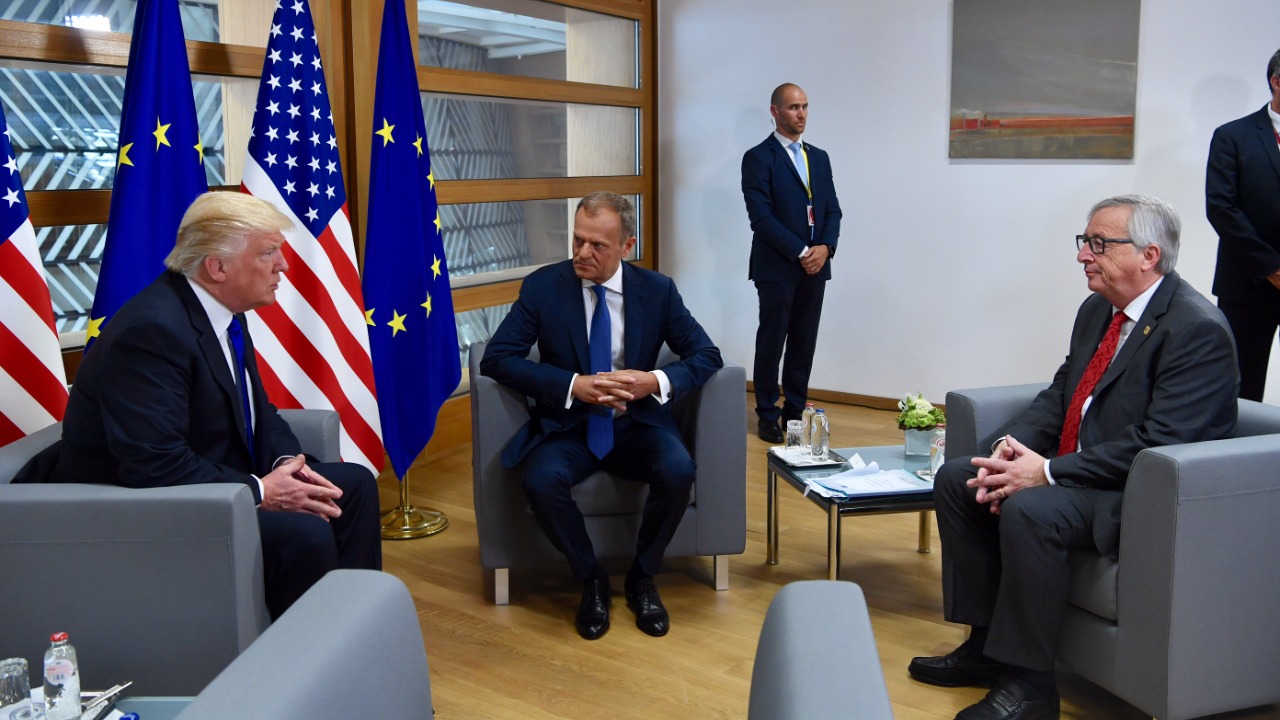
Examining past instances where former presidents have sought additional security provides valuable context for understanding Trump’s current request. Historically, such requests have been driven by specific threats or events that necessitated enhanced protection. For example, after the September 11 attacks, security measures for former presidents were significantly increased, reflecting the heightened threat environment.
Comparing Trump’s request with those of his predecessors reveals both similarities and differences. While the underlying need for security is a common thread, the scale and public nature of Trump’s request set it apart. This distinction may be attributed to his unique position as a former president who remains actively engaged in political discourse, a factor that influences both the perceived need for security and the public’s reaction to his request.
Public Opinion and Reaction
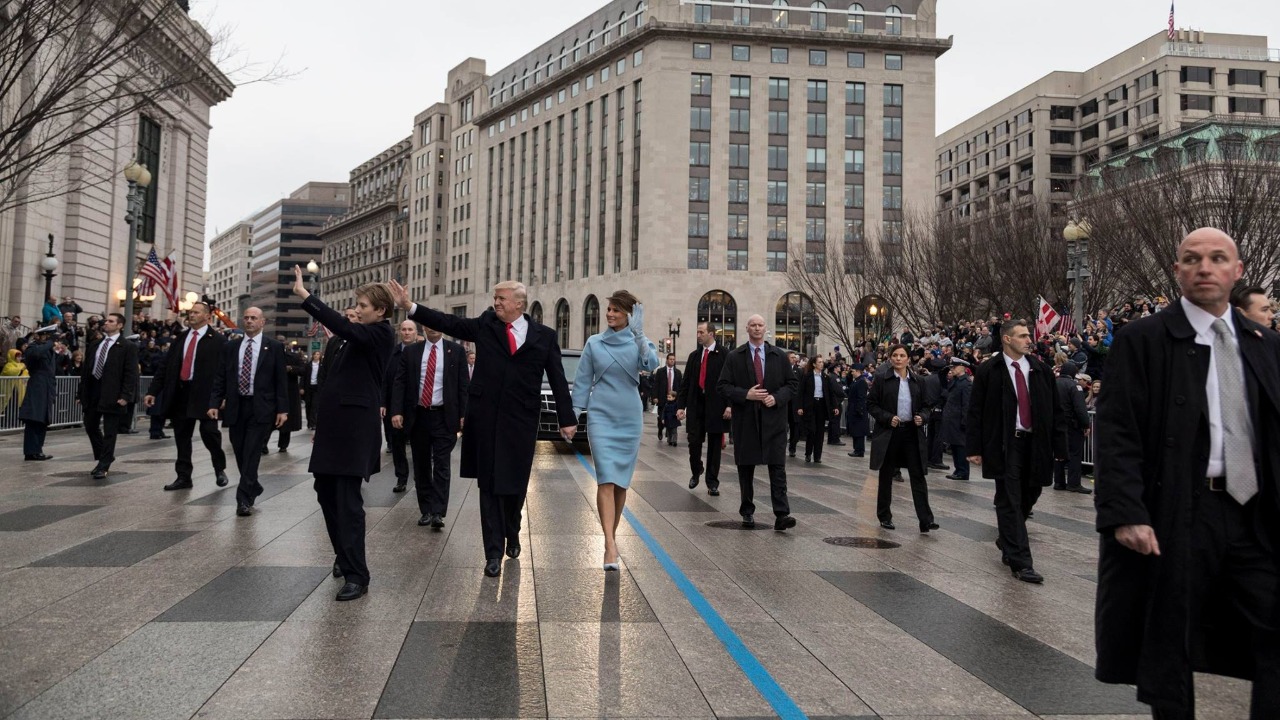
Public opinion on Trump’s request for additional security is divided, reflecting broader societal attitudes toward his presidency and post-presidential activities. Some view the request as a necessary precaution given the threats he faces, while others see it as an unnecessary burden on taxpayers. This division is indicative of the polarized nature of American politics, where opinions on Trump’s actions often align with broader partisan affiliations.
The influence of public perception on Congressional decision-making cannot be underestimated. Lawmakers are acutely aware of their constituents’ views and may factor these opinions into their deliberations on whether to approve or deny the request. As the debate continues, the interplay between public sentiment and political decision-making will be a critical factor in determining the outcome of Trump’s request for enhanced security measures.

Julian Harrow specializes in taxation, IRS rules, and compliance strategy. His work helps readers navigate complex tax codes, deadlines, and reporting requirements while identifying opportunities for efficiency and risk reduction. At The Daily Overview, Julian breaks down tax-related topics with precision and clarity, making a traditionally dense subject easier to understand.

