The recent cuts to the Supplemental Nutrition Assistance Program (SNAP) have led to significant challenges for many states across the United States. These reductions have particularly impacted low-income families and individuals, making it harder for them to access essential food resources. This exploration delves into the ten states most affected by these cuts and examines the broader implications for their communities.
Economic Impact on Affected States
The reduction in SNAP funding has delivered a considerable blow to local economies, particularly in states that have traditionally had higher reliance on these benefits. The diminished purchasing power of SNAP recipients directly translates to decreased revenue for grocery stores and local markets, which often depend on this steady stream of income. With fewer resources allocated to the purchase of essential goods, these businesses face lower sales. This, in turn, can lead to reduced staffing levels and even closures, exacerbating unemployment rates.
The ripple effect of SNAP cuts extends beyond immediate economic downturns. Businesses such as local grocers and farmers markets, which heavily rely on SNAP beneficiaries, are experiencing a downturn. For many of these small enterprises, SNAP recipients may constitute a significant portion of their customer base. The long-term economic projections for states like New Mexico and West Virginia, where SNAP cuts have been most severe, suggest a potential decrease in economic growth coupled with a rise in poverty rates.
Demographic Disparities

Within the hardest-hit states, certain demographic groups are disproportionately affected by the SNAP cuts. Families with children, the elderly, and individuals with disabilities stand at the forefront of those who suffer the most. In states like Mississippi and Louisiana, where poverty rates are among the highest in the country, SNAP has traditionally played a vital role in mitigating poverty and providing a safety net for vulnerable populations. With reduced benefits, these groups face increased food insecurity, which can lead to adverse health outcomes and widened economic disparities.
Moreover, disparities in SNAP accessibility and utilization across different demographics highlight systemic issues. For instance, rural communities often face logistical challenges in accessing SNAP benefits due to limited transportation and fewer retail outlets that accept SNAP. Urban areas, while having more access points, may still struggle with bureaucratic hurdles that prevent eligible households from obtaining the full benefits they need. These disparities underscore the need for targeted interventions to ensure equitable access to SNAP.
State-by-State Analysis
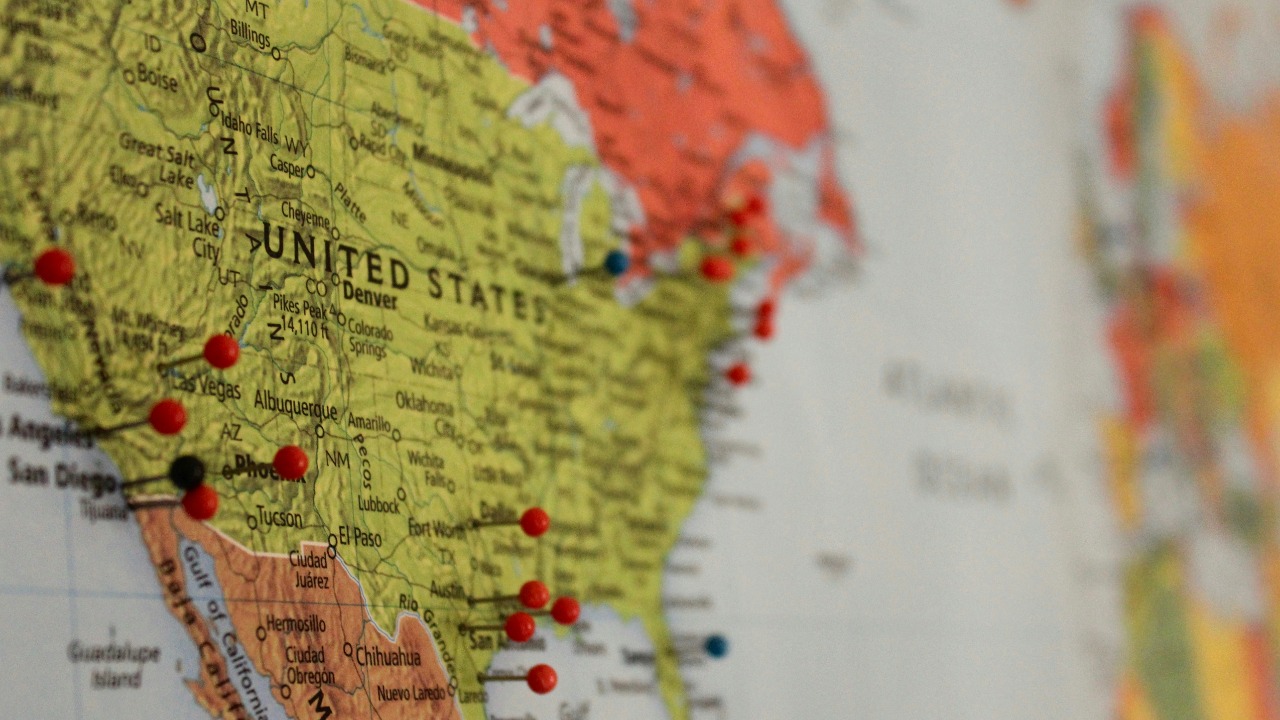
A detailed examination of the ten hardest-hit states reveals specific challenges unique to each region. For example, in New Jersey, where living costs are high, the reduction in SNAP benefits places additional strain on low-income families already struggling to make ends meet. Similarly, in Alabama, the agricultural sector, which benefits indirectly from SNAP through increased demand for produce, is experiencing a decline in sales.
- New Jersey
- New Mexico
- West Virginia
- Mississippi
- Louisiana
- Alabama
- Arizona
- Kentucky
- Arkansas
- Oklahoma
A comparative analysis of SNAP reliance indicates that states like Kentucky and Oklahoma, where economic recovery post-pandemic remains sluggish, are grappling with the dual challenge of increased food insecurity and limited economic opportunities. Case studies from these communities reveal stories of individuals who, despite working multiple jobs, rely on SNAP to provide for their families. The reduction in benefits has forced many to turn to food banks and other charitable organizations for assistance.
Policy Responses and Challenges
State governments have been grappling with the challenge of responding to federal SNAP reductions. In some states, officials have attempted to supplement the cuts with state-funded programs to mitigate immediate hardships. However, budget constraints and competing priorities often limit the effectiveness of these measures. For instance, Arizona has implemented temporary assistance programs, but these are not sustainable in the long term without federal support.
Advocacy efforts are underway to restore benefits and address the root causes of food insecurity. Organizations are pushing for policy solutions that include expanding eligibility criteria and increasing benefit amounts. However, these efforts face significant hurdles, including political opposition and budgetary limitations. A comprehensive overview of these challenges can be found in this policy analysis, which outlines potential pathways for restoring SNAP benefits to pre-reduction levels.
Social Implications and Community Response
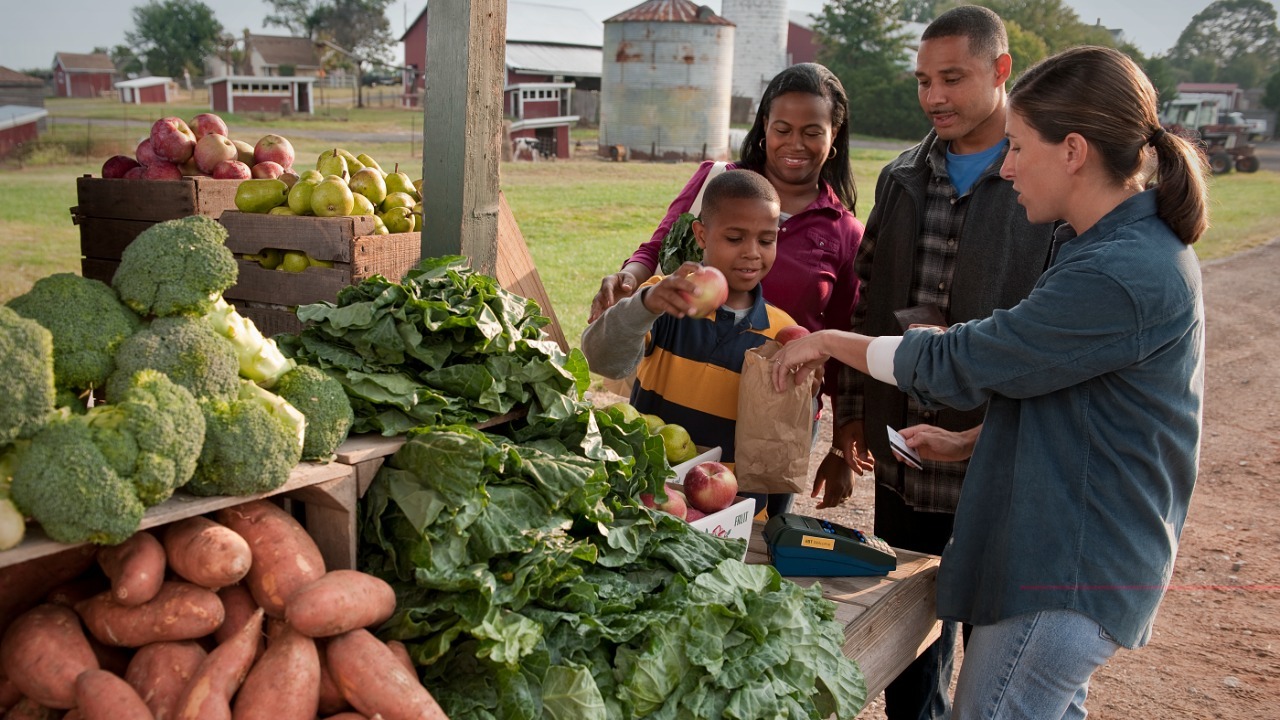
Beyond the economic and policy dimensions, the social implications of SNAP cuts are profound. Increased food insecurity in affected states has led to heightened stress and anxiety among families uncertain of where their next meal will come from. The social fabric of communities is strained as more people turn to food banks, which are often overwhelmed by the surge in demand. Non-profit organizations and community-led initiatives are stepping in to fill the gap, providing essential services and support to those in need.
Public awareness and engagement are crucial in addressing the issue of SNAP cuts. Grassroots movements and advocacy groups are working tirelessly to bring attention to the plight of those affected. By fostering a greater understanding of the issue, these efforts aim to galvanize public support for policy changes. A recent study on the social effects of SNAP highlights the importance of community involvement in advocating for a more equitable food system.

Julian Harrow specializes in taxation, IRS rules, and compliance strategy. His work helps readers navigate complex tax codes, deadlines, and reporting requirements while identifying opportunities for efficiency and risk reduction. At The Daily Overview, Julian breaks down tax-related topics with precision and clarity, making a traditionally dense subject easier to understand.

