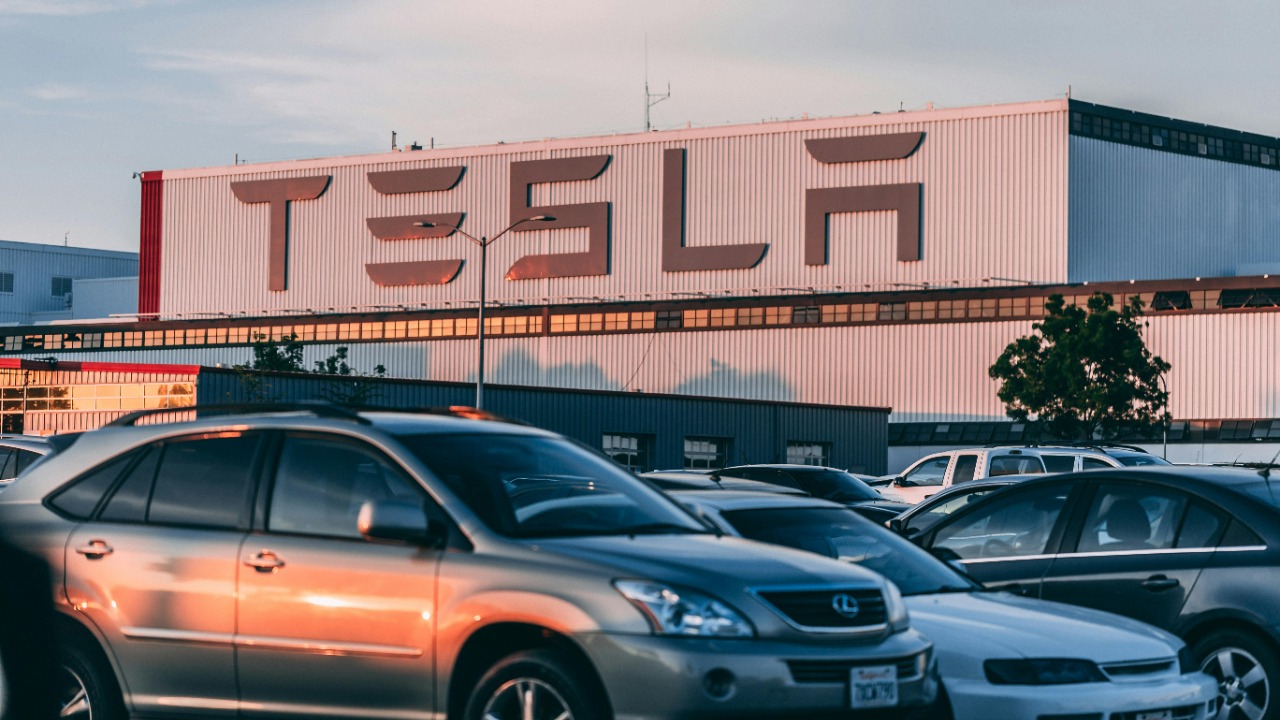
Investors and executives thought electric rentals would print money, turning sleek battery cars into long‑lived assets that barely lost value. Instead, a wave of aggressive bets on Teslas has exposed how fragile that dream was once depreciation, repair costs, and fickle customers hit the balance sheet. The collapse of one Tesla‑only rental firm and the turmoil at a global giant show how quickly a “cash cow” can turn into a write‑off when the story outruns the spreadsheets.
I see the saga of these rental fleets as a cautionary tale about believing technology hype more than basic unit economics. From a Dutch upstart that built its entire business on Tesla robotaxis to Hertz’s headline‑grabbing order for 100,000 cars, the pattern is the same: executives trusted promises of self‑driving and residual value more than the hard lessons of the rental counter.
The dream of Teslas as perpetual money machines
The core fantasy behind these bets was simple and seductive: a Tesla would behave less like a normal car and more like a software platform that earned revenue for years with minimal wear and tear. In that story, depreciation barely mattered, because future software upgrades and self‑driving features would keep pushing up utilization and pricing power. For rental companies used to squeezing profit out of every mile, the idea of a vehicle that could eventually drive itself between customers sounded like a structural shift in their favor.
That logic encouraged some executives to treat Teslas as if they were financial assets rather than metal that rusts and batteries that age. The most extreme version of this thinking came from a Dutch operator that openly described its cars as “money machines,” a phrase that captured how far expectations had drifted from the gritty reality of roadside damage reports and insurance claims. When those assumptions collided with real‑world costs and slower‑than‑promised autonomy, the gap between narrative and numbers became impossible to ignore.
Mistergreen’s Tesla‑only bet and sudden collapse
No company embodied that optimism more completely than Mistergreen, a Dutch leasing and rental firm that decided to build its entire fleet around Tesla vehicles. Mistergreen assembled more than 4,000 Teslas, a portfolio worth roughly $200 m, and presented that concentration as a strength rather than a risk. The company’s leadership leaned heavily on the idea that these cars would hold their value and eventually participate in a robotaxi ecosystem, turning a conventional rental fleet into a high‑margin technology play.
Instead, Mistergreen is now bankrupt, with bondholders wiped out and its once‑celebrated fleet being liquidated. Reporting on the collapse describes how the firm bought into Elon Musk’s vision of self‑driving and treated Teslas as a “money machine,” only to discover that the vehicles were still subject to ordinary depreciation and mounting maintenance costs. The Dutch company’s Tesla‑only strategy, highlighted in coverage of Mistergreen, which built a fleet of over 4,000 Tesla vehicles worth roughly $200 million, left it dangerously exposed when used EV prices softened and financing tightened.
How robotaxi hype distorted basic rental economics
Underpinning Mistergreen’s strategy was a belief that Elon Musk’s repeated promises about self‑driving would turn Teslas into appreciating assets. The company’s leaders embraced the idea that once full autonomy arrived, their cars could operate as robotaxis around the clock, generating revenue even when no human renter was behind the wheel. That assumption encouraged them to stretch on leverage and accept thinner margins in the short term, because the big payoff was always just a software update away.
In practice, the robotaxi future did not arrive on the timeline many investors expected, and the cars behaved like what they were: depreciating hardware that required insurance, repairs, and capital to finance. Detailed accounts of the Dutch leasing company Mistergreen describe how it bought into Elon Musk’s self‑driving narrative and treated its Tesla fleet as a “money machine,” only to end up bankrupt when depreciation and financing costs overwhelmed the business. The story of the Dutch leasing company Mistergreen shows how robotaxi hype can warp basic rental math, especially when a firm concentrates its risk in a single brand and technology roadmap.
Hertz’s giant Tesla order and the Wall Street halo
While Mistergreen was making its all‑in bet in Europe, Hertz was staging a very public embrace of electric vehicles that briefly sent its stock and Tesla’s valuation higher. The rental giant announced plans to buy 100,000 Teslas, a figure that signaled to Wall Street that electric cars had moved from niche to mainstream. For a company that had only recently emerged from a bruising restructuring, the order was framed as proof that Hertz could reinvent itself as a tech‑forward mobility platform rather than a commodity car renter.
That narrative played well with investors who were eager to see traditional firms align themselves with high‑growth brands and futuristic technology. A detailed breakdown of the deal describes how executives effectively took Elon Musk’s pitch, added some Wall Street polish, and turned the 100,000‑vehicle order into a symbol of strategic daring. The scale of the commitment, captured in analysis of how Elon Musk and Wall Street combined around 100,000 Teslas, set expectations that Hertz would quickly build a profitable, differentiated EV fleet that competitors would struggle to match.
From COVID bankruptcy to an EV and CEO about‑face
Hertz’s Tesla push did not happen in a vacuum. The company had already been through a dramatic collapse when Hertz Global Holdings filed for Chapter 11 after travel demand evaporated during COVID lockdowns. That bankruptcy wiped out shareholders and forced a painful restructuring, but it also cleared the way for new owners and a leadership team eager to show that the business could grow again. In that context, a bold EV strategy looked like a way to turn the page on the crisis and present Hertz as a cleaner, more innovative brand.
As the EV experiment ran into trouble, however, Hertz’s leadership began to reverse course. Reporting on the company’s recent moves describes an “about‑face” on electric vehicles and a search for a new CEO as the board reassessed the scale and timing of its Tesla exposure. The same company that had once trumpeted its green pivot after a COVID bankruptcy was suddenly selling off parts of its EV fleet and rebalancing toward gasoline cars. Coverage of how Hertz’s electric vehicle and CEO about‑face followed a COVID bankruptcy filing underscores how quickly strategic fashion can change when the numbers disappoint.
The EV gamble’s financial toll: billions in losses and mass sell‑offs
Once the initial excitement faded, the financial cost of Hertz’s EV strategy became impossible to ignore. The company disclosed that it had lost billions of dollars on its electric fleet, driven by higher than expected repair costs, lower residual values, and weaker rental demand than the marketing suggested. Those pressures forced Hertz to unwind part of its bet by selling a large block of EVs into a used market that was already softening, which in turn locked in losses that might otherwise have been spread over several years.
One detailed account notes that Hertz ultimately lost $2.9 billion on its electric vehicle gamble and responded by selling 30,000 EVs after its big bet failed to deliver the promised returns. That mass disposal, described in coverage of how Hertz Lost $2.9 Billion After EV Gamble Didn’t Pay Off and Hertz Sells 30,000 EVs After Its Big Bet Failed, not only crystallized the financial damage but also flooded the secondary market with used Teslas. That supply shock further pressured prices, hurting other owners and lessors who had also counted on strong resale values to justify their investments.
Weak earnings, stock pain, and the unraveling of the Tesla thesis
The operational headaches around EVs quickly showed up in Hertz’s earnings and share price. As repair bills climbed and utilization lagged expectations, the company’s profitability suffered, prompting investors to reassess the value of its Tesla‑heavy strategy. When Hertz reported weak results, the market reaction was swift, with the stock dropping sharply as analysts questioned whether the EV pivot had been mismanaged from the start.
One report notes that Hertz’s failed Tesla bet kept getting worse as disappointing earnings weighed on the stock, which at one point fell as much as 12 percent in a single trading session. That slump, described in coverage of how Hertz dropped as much as 12% after its failed Tesla bet, marked a stark reversal from the earlier period when simply announcing a big Tesla order was enough to send the share price higher. The market’s change of heart reflected a broader realization that EVs, at least under current conditions, do not magically fix the structural challenges of the rental business.
What Hertz’s struggles reveal about US EV infrastructure and demand
Beyond the balance sheet, Hertz’s experience has exposed deeper pain points in the American EV ecosystem. Renters often discovered that charging infrastructure was patchy or inconvenient, especially in regions without dense networks of fast chargers. That made electric rentals a harder sell for travelers who did not want to spend precious vacation or business time hunting for plugs or learning new charging apps. For many customers, the perceived hassle outweighed the novelty or environmental benefits of driving a Tesla for a few days.
Internal data and outside analysis suggest that utilization rates for the EV fleet lagged behind gasoline cars, particularly in markets where charging was scarce or electricity prices were high. One detailed examination of the company’s experience notes that the rental car giant’s EV gamble exposed US pain points and soft demand, especially within the electric fleet. That assessment, captured in reporting on how the rental car company’s Tesla EV gamble revealed America’s pain points, particularly within the EV fleet, suggests that even well‑capitalized firms struggle to make the numbers work when infrastructure and consumer habits are not yet aligned with electric mobility.
Lessons for investors: when tech narratives collide with old‑school depreciation
For investors and lenders, the twin stories of Mistergreen and Hertz are a reminder that technology narratives do not erase the fundamentals of asset‑heavy businesses. Cars, even sophisticated ones packed with software, still depreciate, require maintenance, and depend on customer behavior that is often slower to change than executives hope. When capital providers treat vehicles like perpetual cash machines rather than wasting assets, they risk mispricing both credit and equity, as Mistergreen’s wiped‑out bondholders discovered.
The collapse of the Tesla‑only leasing firm and the struggles of America’s largest rental company echo earlier episodes in which investors chased fashionable themes without fully understanding the underlying economics. A retrospective on Hertz Global Holdings’ Chapter 11 filing describes how the company’s earlier collapse under heavy debt offers lessons that resonate across industries, from leverage discipline to the dangers of overconfidence. That analysis of when America’s largest car rental company collapsed and what it teaches about transformation now sits alongside the newer EV debacle as a case study in how quickly bold strategies can unravel when they are built on optimistic assumptions about future technology rather than conservative views of present‑day cash flow.
Why the Mistergreen failure matters beyond one Dutch company
It might be tempting to dismiss Mistergreen as an outlier, a niche Dutch player that simply flew too close to the sun. I think that would be a mistake. The company’s Tesla‑only model distilled many of the same beliefs that shaped larger corporate strategies: faith in Elon Musk’s self‑driving roadmap, confidence that Teslas would behave like appreciating digital platforms, and a willingness to ignore concentration risk in pursuit of a compelling story. When that story broke, the damage rippled beyond equity holders to creditors and employees who had little say in the original bet.
Accounts of the collapse describe how the Tesla‑only leasing firm Mistergreen, based in the Netherlands, was left with a fleet that no longer matched its financing assumptions once robotaxi dreams faded. The firm’s downfall, detailed in coverage of how Tesla-only leasing firm Mistergreen collapses after bet on robotaxi future fails, shows how quickly a concentrated technology thesis can turn into a systemic problem for creditors when residual values disappoint. For anyone financing fleets, from banks to bond investors, the message is clear: treat EVs as cars first and platforms second, and price the risk accordingly.
More From TheDailyOverview

Elias Broderick specializes in residential and commercial real estate, with a focus on market cycles, property fundamentals, and investment strategy. His writing translates complex housing and development trends into clear insights for both new and experienced investors. At The Daily Overview, Elias explores how real estate fits into long-term wealth planning.

