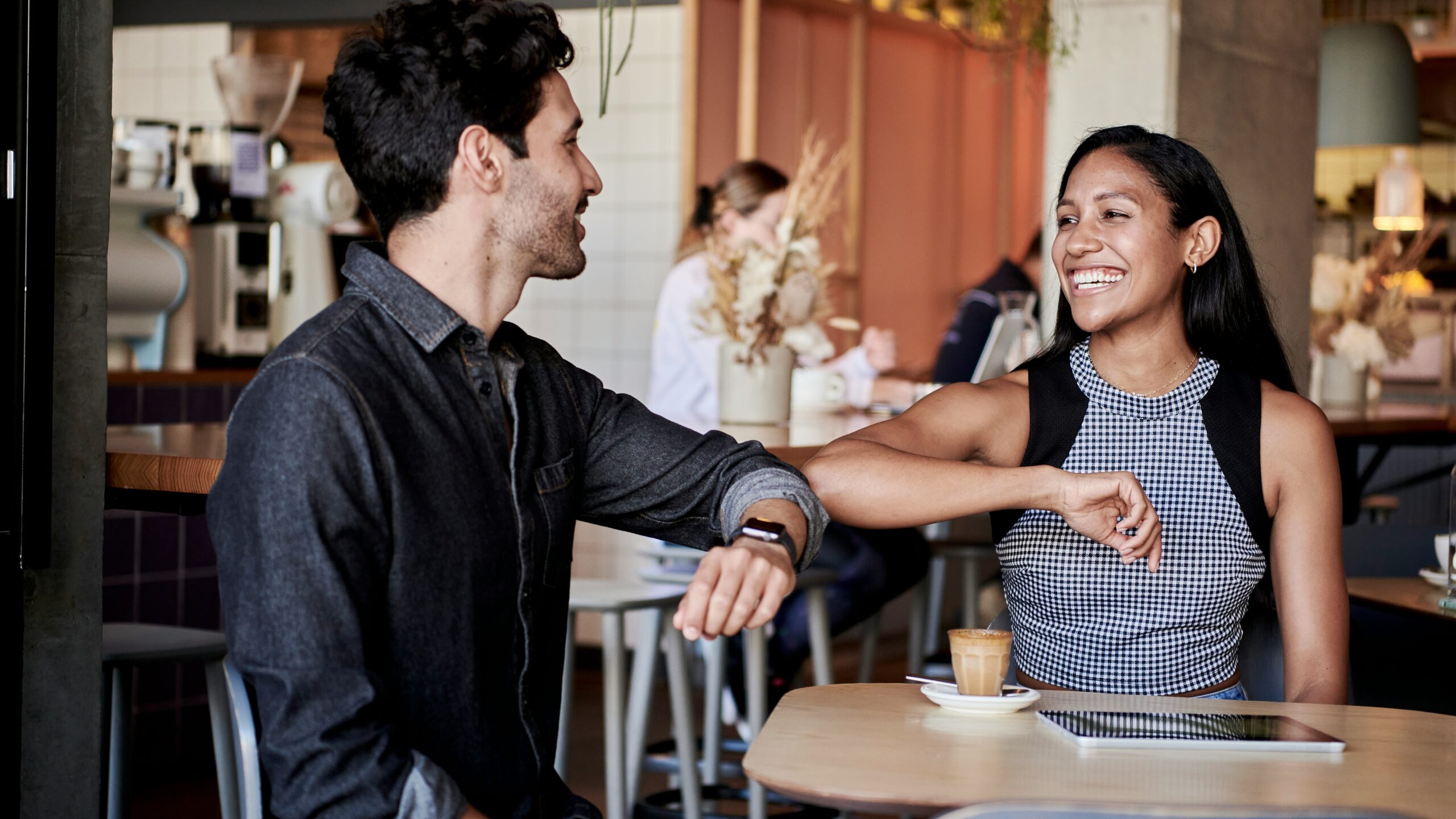
Digital kiosks, delivery apps, and tablet screens have turned a once simple transaction into a moral math problem, especially when you are just grabbing food to go. The expectation to tip on takeout has crept into coffee counters, pizza windows, and curbside pickup, leaving many customers unsure what is generous and what is excessive. I set out to answer that question by looking at what top etiquette voices and restaurant veterans actually recommend, and how those norms have shifted since the pandemic.
The short answer is that tipping on takeout is no longer an edge case, it is part of mainstream dining culture. But the size of the tip, and whether it is truly obligatory, depends on how much service you receive, how complex your order is, and how much strain the restaurant is under. With that in mind, here is how a leading etiquette expert, working servers, and long‑standing etiquette institutions say you should handle that tip screen.
What etiquette pros say about tipping on takeout
Modern etiquette specialists have moved firmly toward the view that takeout deserves at least a modest tip. Diane Gottsman, an etiquette expert and founder of Protocol School of, argues that even when you never sit down, staff members still take your order, coordinate with the kitchen, and package your food, so leaving something is a sign of respect for that labor. Her guidance reflects a broader shift away from seeing tipping as tied only to table service and toward recognizing the behind‑the‑scenes work that makes a quick pickup possible.
At the same time, traditional etiquette voices still draw a line between what is polite and what is mandatory. According to the etiquette experts at the Emily Post Institute, tipping on a basic takeout order is technically in the “no obligation” category, although they note that a small gratuity is appreciated, especially when staff handle large orders or curbside service. In other words, the classic rulebook does not demand a tip for every to‑go bag, but the modern consensus among etiquette professionals is that a few extra dollars are the courteous default.
How much to tip, and when it really matters
Once you accept that some tip is appropriate, the next question is how much. A growing number of service experts suggest that a lower percentage than dine‑in is reasonable, often in the 5 to 10 percent range, especially when you are simply picking up a bag at the counter. One set of Key Takeaways from tipping guidance notes that even for takeout, tipping is encouraged because staff still prepare, package, and check your order, and it recommends that 5 to 10 percent band as a practical benchmark. That range acknowledges the work involved without equating a quick pickup with full table service.
Other etiquette specialists calibrate the amount to the complexity of the order and the level of personal attention. Advice on how much to tip takeout suggests that if staff are doing nearly everything they would for a dine‑in guest, such as managing special requests or timing multiple courses, then a higher percentage, closer to what you would leave at a table, is appropriate. Guidance on which to‑go orders deserve a gratuity also notes that when workers assemble large catering trays or repeatedly walk food out for curbside pickup, the effort justifies more than a token amount, a point echoed in a Special Note About that highlights how fragile many local restaurants remain.
What restaurant workers see from the other side of the counter
If etiquette experts provide the theory, servers and hosts supply the reality. Darron, a longtime server who has appeared on NBC‘s the Today show and CBS Sunday Morning and is the author of The Bitchy Waiter, argues bluntly that takeout orders deserve a tip because someone still has to ring in the order, monitor it on the line, and pack it correctly. From that vantage point, a customer who walks in, signs the receipt, and leaves nothing is benefiting from labor that is structurally similar to table service, just compressed into a shorter interaction.
Workers also point out that takeout can be more disruptive than diners realize. Large to‑go orders can tie up the kitchen, and constant phone or app orders pull staff away from guests in the dining room. Industry advice framed as rules for ordering stresses that the person bagging your food is often a tipped employee whose income depends on those extra dollars. When you leave even a small gratuity, you are not just rewarding convenience, you are helping stabilize pay in a system that still leans heavily on tips to make up for low base wages.
Why tipping on takeout feels more confusing now
The pandemic scrambled tipping norms, and takeout was at the center of that shift. Early in the crisis, many customers consciously over‑tipped to keep neighborhood spots afloat, a habit that some have maintained even as life has normalized. Coverage of how takeout tipping quietly notes that expectations have expanded into places where little or no service is provided, from coffee shops to counter‑service bakeries, and that some customers are now pushing back when prompted for 20 percent on a basic drip coffee.
That tension shows up in the etiquette guidance as well. One analysis of whether we should be tipping restaurants for takeout points out that the pandemic made tipping more complicated and that leaving a tip at a restaurant now feels more like a moral choice than a simple custom, a dynamic captured in a discussion of Should You Tip and how Leaving a gratuity has become a flashpoint. As a result, many diners are trying to balance empathy for workers with fatigue over constant prompts, which is why clear, situational rules of thumb are more useful than ever.
Practical rules: when a tip is optional, expected, or essential
To cut through the noise, I find it helpful to sort takeout scenarios into three buckets. For minimal‑service situations, such as grabbing a pre‑made sandwich from a display case or paying at a self‑checkout kiosk, etiquette institutions like the Emily Post Institute treat tipping as optional, though rounding up or dropping a dollar in the jar is a nice gesture. For standard call‑ahead or app orders that staff prepare and bag, modern etiquette voices, including Diane Gottsman of Protocol School of, lean toward a modest but consistent tip, often around 10 percent, to acknowledge that work.
The third bucket covers high‑touch or high‑impact orders, where a tip moves from polite to essential. That includes large family orders, catering trays, or curbside service where staff repeatedly bring food to your car, all situations where guidance on Tip When Picking up Takeout Food suggests tipping closer to what you would leave if you were dining in. Advice from pizza operators who ask, “To tip or not to tip?” notes that there are many reasons to leave something on a takeout order and that the exact amount you give is up to you, but it emphasizes that staff still handle your food with care, a point underscored in guidance that There are many to treat takeout like any other service interaction.
More From TheDailyOverview
*This article was researched with the help of AI, with human editors creating the final content.

Cole Whitaker focuses on the fundamentals of money management, helping readers make smarter decisions around income, spending, saving, and long-term financial stability. His writing emphasizes clarity, discipline, and practical systems that work in real life. At The Daily Overview, Cole breaks down personal finance topics into straightforward guidance readers can apply immediately.

