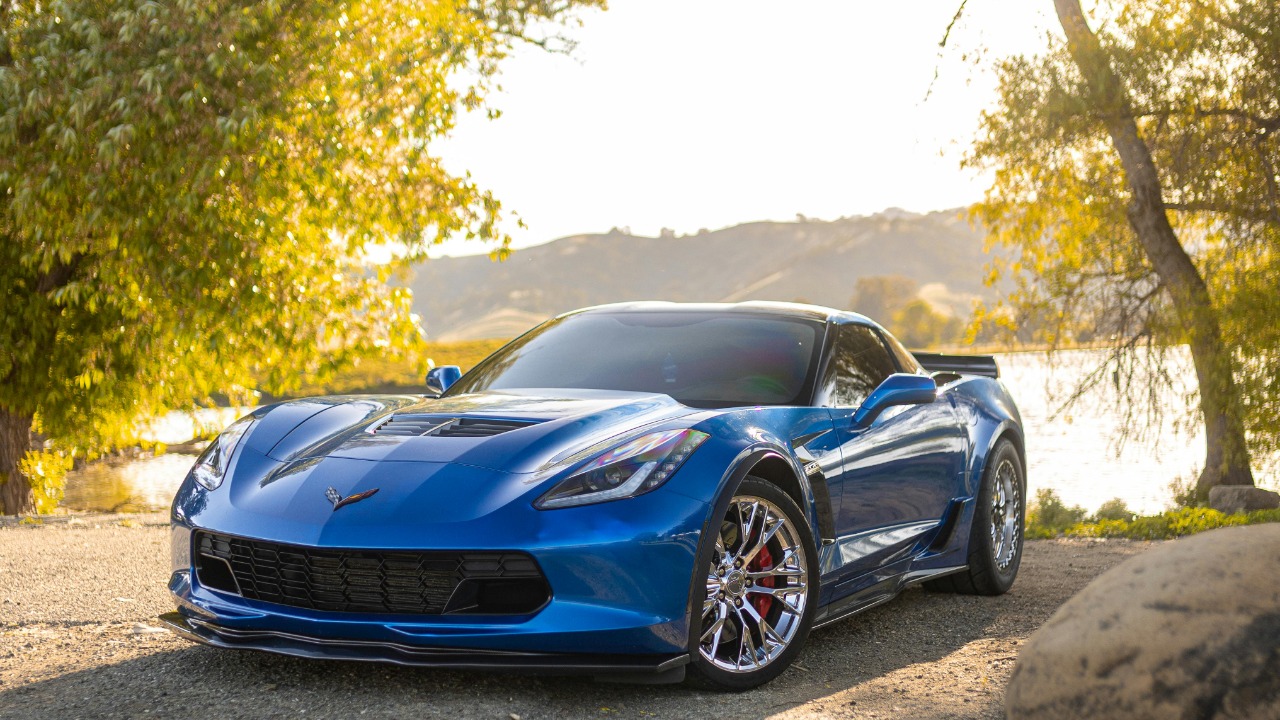
Used Corvette prices have shifted enough that twenty thousand dollars now buys a surprisingly capable, modern-feeling sports car rather than a tired project. In that price band, I keep coming back to one generation that balances performance, reliability, and everyday usability better than the rest: the later-model C5 Corvette, especially the 2001 to 2004 cars with the LS1 V8 and updated equipment. With careful shopping, this era delivers the strongest mix of speed, comfort, and long-term value for a buyer capped at roughly $20,000.
Why the late C5 hits the $20K sweet spot
When I look at the used Corvette market around $20,000, the late C5 stands out because it offers genuine modern performance without the complexity and cost of newer generations. The LS1-powered C5 delivers around 350 horsepower in its later years, a lightweight chassis, and real-world 0–60 mph times in the low five-second range, which keeps it competitive with far newer performance cars. At the same time, it avoids the higher parts prices, more intricate electronics, and elevated insurance costs that tend to follow the C6 and C7 into the used market, especially as those newer cars still command a premium in asking price and repair bills compared with a well-kept C5 best Corvette generations.
Price data and enthusiast-market tracking consistently show that clean, driver-quality C5s have settled into a relatively stable band, with many coupes and some convertibles trading near or just under the $20,000 mark depending on mileage and options. Earlier C4s can be cheaper, but they bring older electronics, less refined interiors, and more dated performance, while C6 models with the LS2 or LS3 V8s usually sit above this budget unless mileage is very high or condition is compromised. That puts the late C5 in a rare position: it is new enough to feel contemporary on the highway, yet old enough that depreciation has largely done its work, which is a key reason it is often highlighted among the most attainable performance Corvettes for value-focused buyers Corvette history.
Performance that still feels modern
The core appeal of the late C5 is that its performance numbers have aged remarkably well. The LS1 V8 is an aluminum small-block that combines roughly 350 horsepower with a broad torque curve, so the car feels strong not only in magazine-style acceleration runs but also in everyday passing and on-ramp pulls. Weighing in around 3,200 pounds in coupe form, the C5 benefits from a favorable power-to-weight ratio, and period testing placed its quarter-mile times in the mid-13-second range, which still matches or beats many current V6-powered sports cars and hot hatches. That level of pace, paired with a relatively simple naturally aspirated engine, is a major reason the C5 continues to be recommended as a performance bargain among used Corvettes Corvette performance.
Beyond straight-line speed, the C5’s chassis and suspension layout give it handling that does not feel out of place on modern roads. The car uses a hydroformed frame and composite body panels, with independent suspension at all four corners and available performance-oriented packages that sharpen steering and body control. Even in standard form, the C5 delivers confident grip and stability at highway speeds, and the long wheelbase helps it track cleanly over rough pavement. Later cars also benefited from incremental tuning improvements and optional systems like the more advanced Active Handling stability control, which added a layer of safety without dulling the car’s character when driven with intent C5 chassis.
Reliability, maintenance, and what to watch
For a buyer with a $20,000 ceiling, long-term reliability and predictable maintenance matter as much as raw speed, and this is another area where the late C5 makes a strong case. The LS1 engine has a reputation for durability when maintained properly, with many examples running well past 150,000 miles on original internals. Routine service items like oil changes, spark plugs, and belts are straightforward and relatively inexpensive compared with more exotic sports cars, and the parts ecosystem for LS-based engines is deep thanks to their widespread use across General Motors performance models. That combination of robustness and parts availability is a key reason the C5 is frequently cited as a smart entry point into Corvette ownership for drivers who plan to rack up real miles rather than store the car as a collectible C5 buyers guide.
There are, however, specific issues that a careful shopper should factor into any pre-purchase inspection. Common C5 trouble spots include wear in the interior plastics and seat bolsters, potential failures in the head-up display or gauge cluster electronics, and age-related problems with weatherstripping that can lead to wind noise or water intrusion. Some cars also develop clunks in the driveline or suspension bushings, especially if they have seen track use or rough roads. Later-model C5s benefited from incremental improvements in build quality and component design, which is one reason I focus on the 2001 to 2004 window, but even then, a thorough inspection and service history review are essential to avoid turning a budget-friendly purchase into a repair-heavy project C5 common problems.
How it stacks up against C4, C6, and newer Corvettes
To understand why the late C5 is such a compelling choice around $20,000, it helps to compare it directly with the generations that bracket it. The C4, especially the later LT1 and LT4 cars, can be significantly cheaper to buy, but they bring an older interior layout, less refined ride quality, and more dated ergonomics. Their performance is respectable, yet the gap in comfort and noise levels is noticeable on longer drives, and the C4’s electronics and aging components can create their own maintenance headaches. On the other side, the C6 introduced the LS2 and later LS3 engines along with a more modern cabin and updated styling, but clean examples typically sit above this budget, and when they do fall near $20,000, they often carry higher mileage or accident history that adds risk for a cost-conscious buyer generation comparison.
Newer Corvettes, including the C7 and the mid-engine C8, operate in a completely different price and complexity bracket, which makes them less relevant for someone capped at $20,000 but still useful as context. Those cars deliver higher performance and more advanced technology, yet they also bring more intricate electronics, more expensive bodywork, and insurance premiums that reflect their newer status and higher replacement costs. By contrast, the C5 occupies a middle ground where performance is still strong, but the car is old enough that depreciation has flattened and parts are widely available on the aftermarket. That balance of capability and cost is why the C5 is often singled out as the point where the Corvette became a truly modern sports car without losing the mechanical simplicity that makes ownership approachable for enthusiasts on a budget C5 value case.
Which C5 to target and how to shop smart
Within the C5 range, not every car is equally suited to a $20,000 buyer who wants a mix of performance and livability. I prioritize 2001 to 2004 coupes with the LS1 engine, a six-speed manual when possible, and a documented maintenance history that shows regular fluid changes and prompt attention to any repairs. The fixed-roof coupe and Z06 variants offer sharper handling and more focused performance, but they often command higher prices and may have seen harder use, so they can stretch the budget or increase the risk of hidden wear. For someone who plans to drive frequently on the street, a standard coupe or convertible with the right options and a clean history can deliver nearly all of the enjoyment with fewer compromises in ride quality and cabin noise C5 Z06 focus.
Shopping smart in this segment means being patient and methodical rather than jumping at the first car that fits the price. I look for signs of careful ownership, such as complete service records, unmodified or lightly modified mechanicals, and consistent paint and panel gaps that suggest no major accident repairs. A pre-purchase inspection by a technician familiar with Corvettes is money well spent, particularly to check for frame damage, suspension wear, and any warning lights or stored fault codes in the car’s electronic systems. With those safeguards in place, a late C5 bought around $20,000 can deliver years of fast, engaging driving with running costs that stay surprisingly reasonable for a car that still turns heads and holds its own against much newer performance machines used Corvette tips.
More From TheDailyOverview
- Tennessee loses $2.6B megafactory and faces major layoffs
- Retired But Want To Work? Try These 18 Jobs for Seniors That Pay Weekly
- What to do with your pennies after the U.S. stops minting them
- Home Depot CEO warns of a troubling customer trend in stores

Cole Whitaker focuses on the fundamentals of money management, helping readers make smarter decisions around income, spending, saving, and long-term financial stability. His writing emphasizes clarity, discipline, and practical systems that work in real life. At The Daily Overview, Cole breaks down personal finance topics into straightforward guidance readers can apply immediately.
