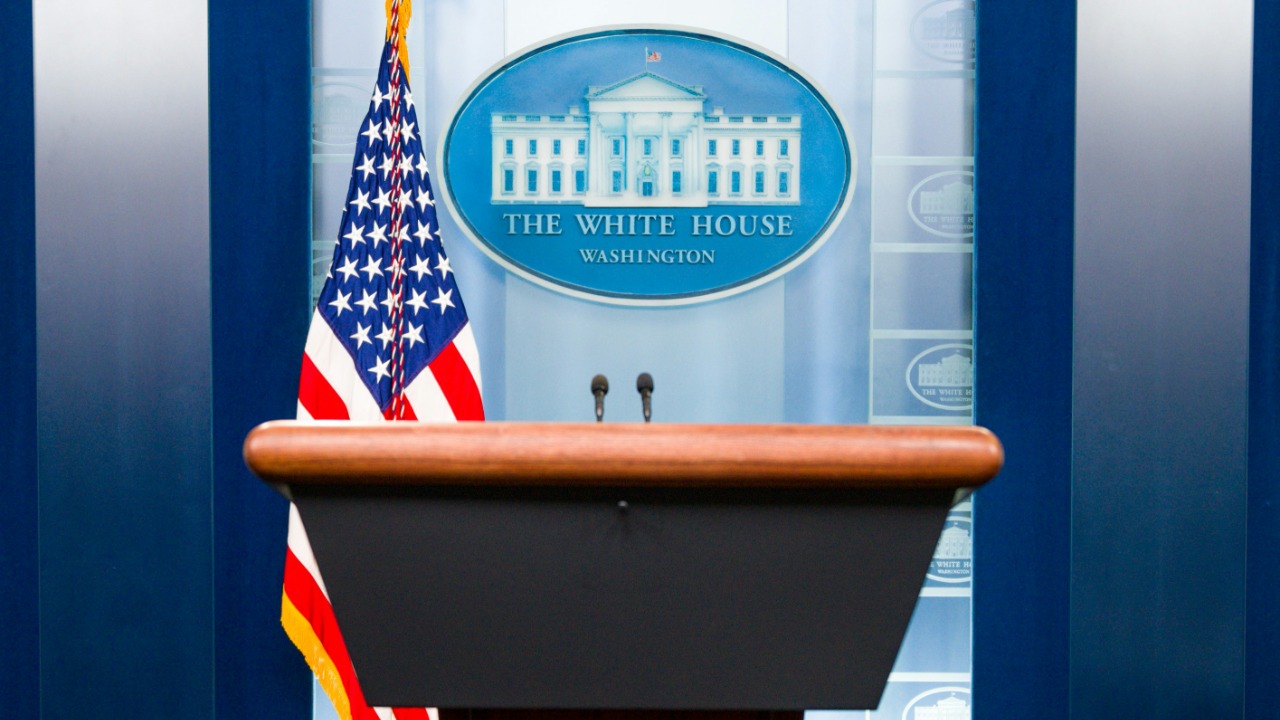
The ongoing U.S. federal government shutdown is poised to become the longest in history, with projections suggesting it could extend until Thanksgiving. This unprecedented situation has already impacted the U.S. court system for the first time in three decades, disrupting judicial operations nationwide. As the shutdown continues, concerns about the broader economic fallout from prolonged federal inaction are mounting, raising urgent questions about its potential impact on various sectors.
Background on the Federal Government Shutdown
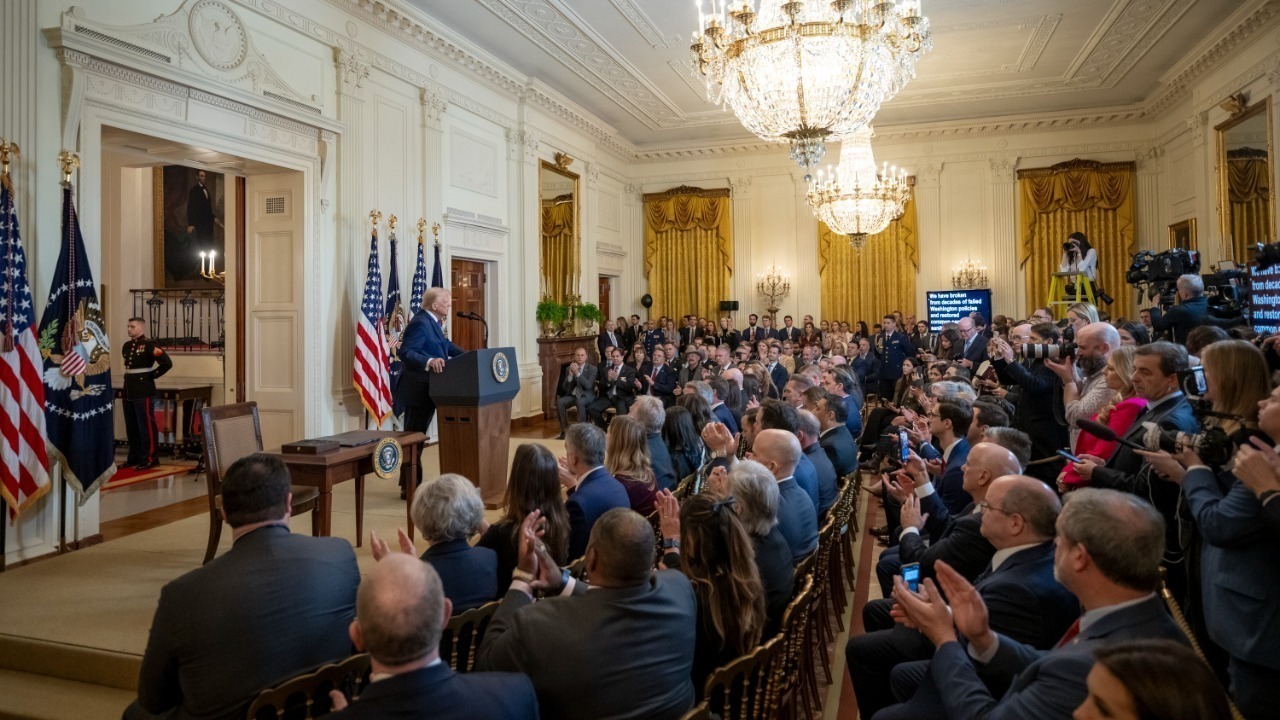
The current federal government shutdown stems from a complex interplay of political and fiscal challenges. At its core, the shutdown is a result of congressional gridlock, where budget negotiations have stalled, leaving federal operations without necessary funding. This impasse has led to a cessation of non-essential government services, affecting a wide range of federal activities and employees. According to The Wall Street Journal, the shutdown has disrupted routine government functions, leading to funding lapses for various services.
One of the critical factors contributing to the shutdown is the inability of Congress to reach a consensus on budget allocations. This deadlock has resulted in a failure to pass appropriations bills, which are essential for funding government operations. The MarketWatch reports that this gridlock has left many federal employees furloughed and has halted numerous government programs, highlighting the significant impact of the shutdown on daily operations.
Projections for Shutdown Duration

Industry insiders predict that the current shutdown could extend until Thanksgiving, potentially making it the longest in U.S. history. This projection is based on the current trends and the lack of progress in budget negotiations. According to Futunn News, the shutdown’s duration is expected to surpass previous records, including the 2018-2019 shutdown, which lasted 35 days.
The implications of such a prolonged shutdown are significant, affecting not only federal employees but also the broader economy. The extended closure could lead to increased uncertainty and instability, impacting sectors reliant on government contracts and services. As noted by MarketWatch, the potential for this shutdown to become the longest ever underscores the urgent need for a resolution to prevent further economic damage.
Effects on the US Court System
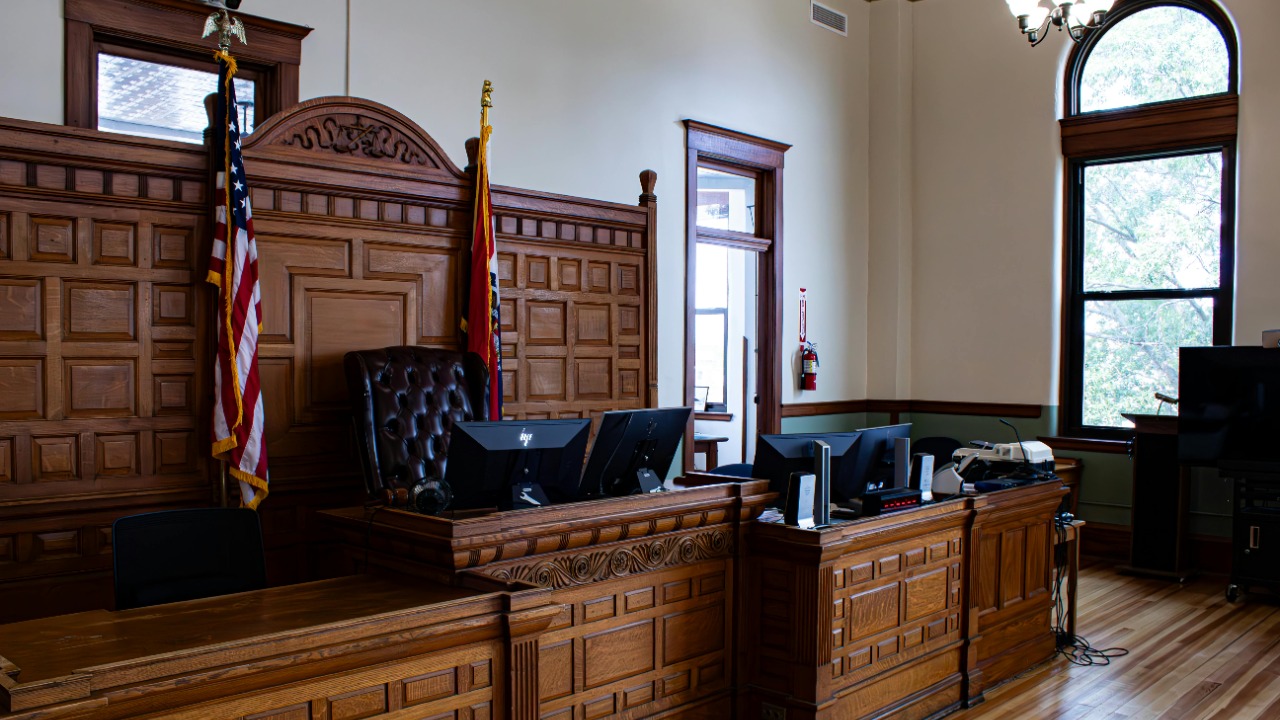
For the first time in 30 years, the U.S. court system has been significantly affected by a government shutdown. This disruption has led to operational halts, including delayed trials and reduced staffing in federal courts across the country. According to Futunn News, these disruptions are causing a backlog of cases, which could have long-term implications for the judicial system.
The impact on the court system highlights the broader consequences of the shutdown, as legal proceedings are essential for maintaining justice and order. The delays and reduced capacity in federal courts could lead to prolonged legal battles and increased costs for individuals and businesses involved in litigation. The Wall Street Journal emphasizes the risk of a growing backlog, which could strain the judicial system even after the shutdown ends.
Potential Paths to Resolution

Resolving the government shutdown requires navigating complex political dynamics and exploring various potential solutions. One key avenue for resolution is reaching a bipartisan budget agreement, which would require cooperation and compromise from both political parties. According to BBC News, such an agreement could provide the necessary funding to reopen the government and resume normal operations.
Another potential solution involves temporary funding extensions, which could avert further damage by providing short-term relief while longer-term negotiations continue. This approach would require Congress to pass stopgap measures, allowing essential services to resume and reducing the immediate impact on federal employees and services. Additionally, executive actions or procedural maneuvers in Congress could also play a role in ending the shutdown, though these options may face legal and political challenges.
Assessing Economic Damage

The economic damage from the prolonged government shutdown is multifaceted, affecting both direct and indirect stakeholders. One of the most immediate impacts is the loss of pay and productivity for federal workers, many of whom are furloughed or working without pay. This loss not only affects the employees themselves but also has ripple effects on local economies where these workers spend their income. MarketWatch highlights the broader economic implications, noting that sectors such as travel and small businesses are particularly vulnerable to the effects of halted government services.
In addition to these immediate impacts, the shutdown could have long-term consequences for the U.S. economy. If the shutdown becomes the longest in history, it could lead to a decrease in GDP, as government spending is a significant component of economic activity. Historical precedents suggest that prolonged shutdowns can have lasting effects on economic growth, underscoring the importance of finding a resolution to prevent further damage. The potential for long-term economic harm highlights the urgency of addressing the underlying issues and restoring normal government operations.

Grant Mercer covers market dynamics, business trends, and the economic forces driving growth across industries. His analysis connects macro movements with real-world implications for investors, entrepreneurs, and professionals. Through his work at The Daily Overview, Grant helps readers understand how markets function and where opportunities may emerge.

