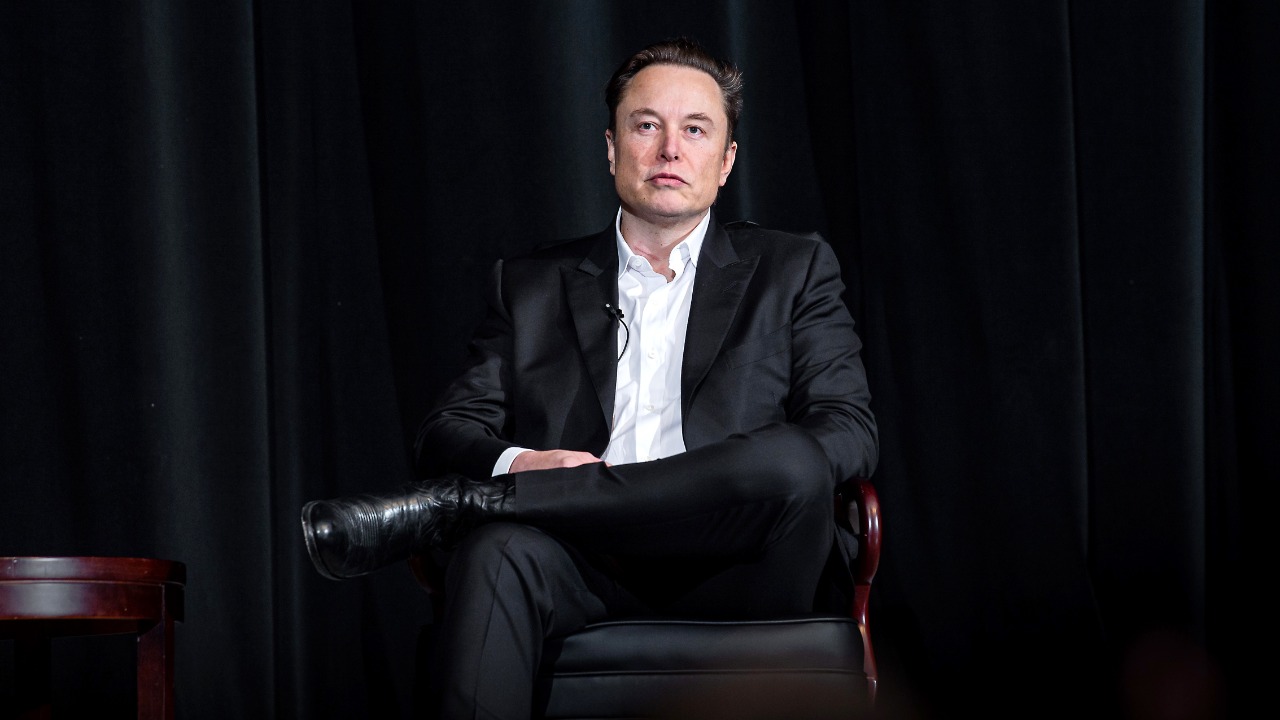
The concentration of wealth is reaching unprecedented levels, with the world’s top 1% owning more than 50% of the Earth’s combined resources. This disparity raises critical questions about economic inequality, environmental impact, and the sustainability of current global systems.
The Current State of Wealth Inequality

The distribution of wealth today is more skewed than ever before. According to Oxfam, the top 1% of the world’s population controls more wealth than the bottom 95% combined. This staggering statistic highlights the extreme concentration of resources in the hands of a few, creating a significant gap between the rich and the rest of the world.
Historically, wealth has always been unevenly distributed, but the current levels of inequality exceed those seen in previous eras. During the Gilded Age, similar patterns of wealth concentration were observed, yet modern globalization and digital economies have amplified these disparities. The shift from industrial-based economies to those driven by technology and finance has further entrenched the wealth divide.
Several factors contribute to this growing inequality. Global economic policies favoring deregulation, lower taxes for the wealthy, and the increase in financialization have enabled the accumulation of wealth among the richest. Moreover, technological advancements, while beneficial in many respects, have also favored those who own capital over those who provide labor, exacerbating the wealth gap.
Environmental Impacts of Wealth Concentration
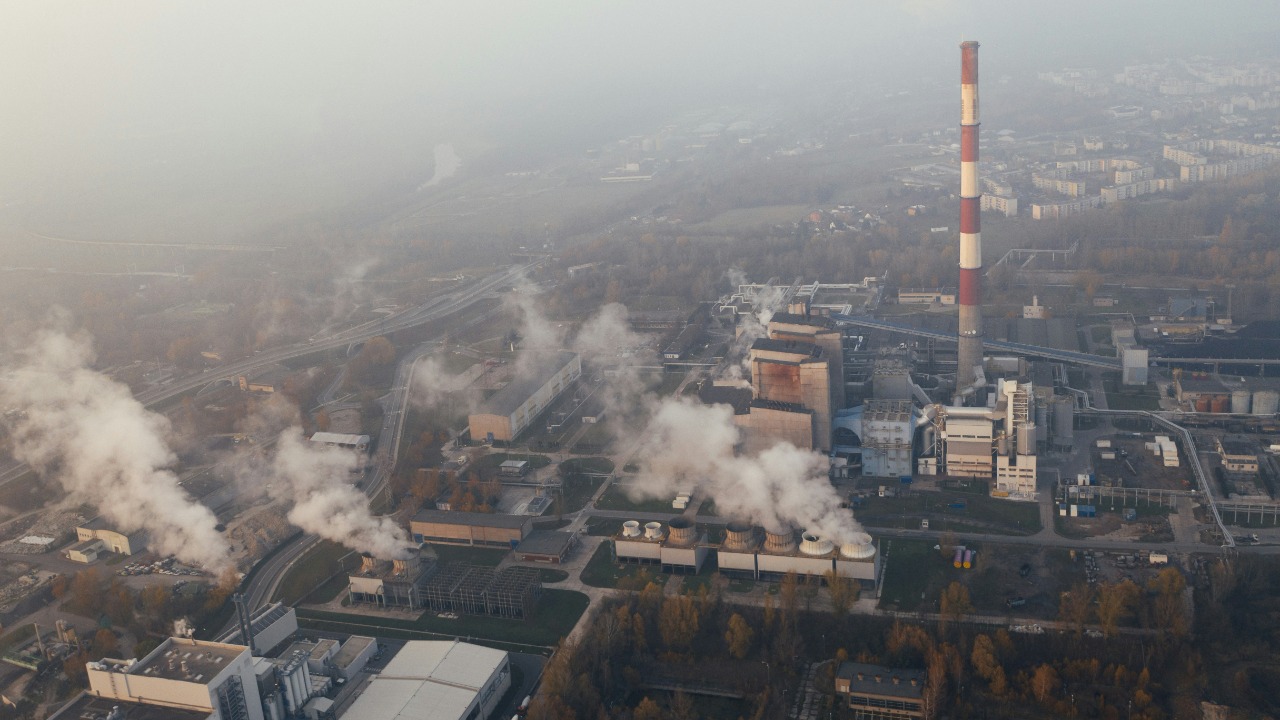
The environmental footprint of the wealthiest individuals is disproportionately large. The richest 1% are responsible for more carbon emissions than the poorest 66% of the global population. This disparity in emissions highlights the environmental impact of affluent lifestyles, which often include high levels of consumption and waste.
The resource consumption habits of the wealthy contribute significantly to environmental degradation. Their lifestyles often involve excessive use of natural resources, leading to faster depletion and increased waste. The luxury of private jets, sprawling estates, and constant travel are just some examples of how the top 1% utilize more than their fair share of the planet’s resources.
Moreover, the role of billionaires and large corporations in driving climate change cannot be understated. Many of these entities are significant contributors to carbon emissions and environmental harm. Oxfam America outlines how the actions of the affluent are accelerating climate change, and underscores the need for them to take responsibility and lead efforts to mitigate their environmental impact.
Social and Economic Consequences
The concentration of wealth has profound effects on global poverty and development. When resources are concentrated in the hands of a few, it can hinder economic progress in less affluent regions. The wealth gap limits access to essential services and opportunities for many, perpetuating cycles of poverty and underdevelopment.
Economic power often translates into political influence, and this can undermine democratic processes. Wealthy individuals and corporations can shape policy and governance to their advantage, sidelining the needs and voices of the broader population. This influence erodes the foundation of democratic systems by prioritizing the interests of the few over the many.
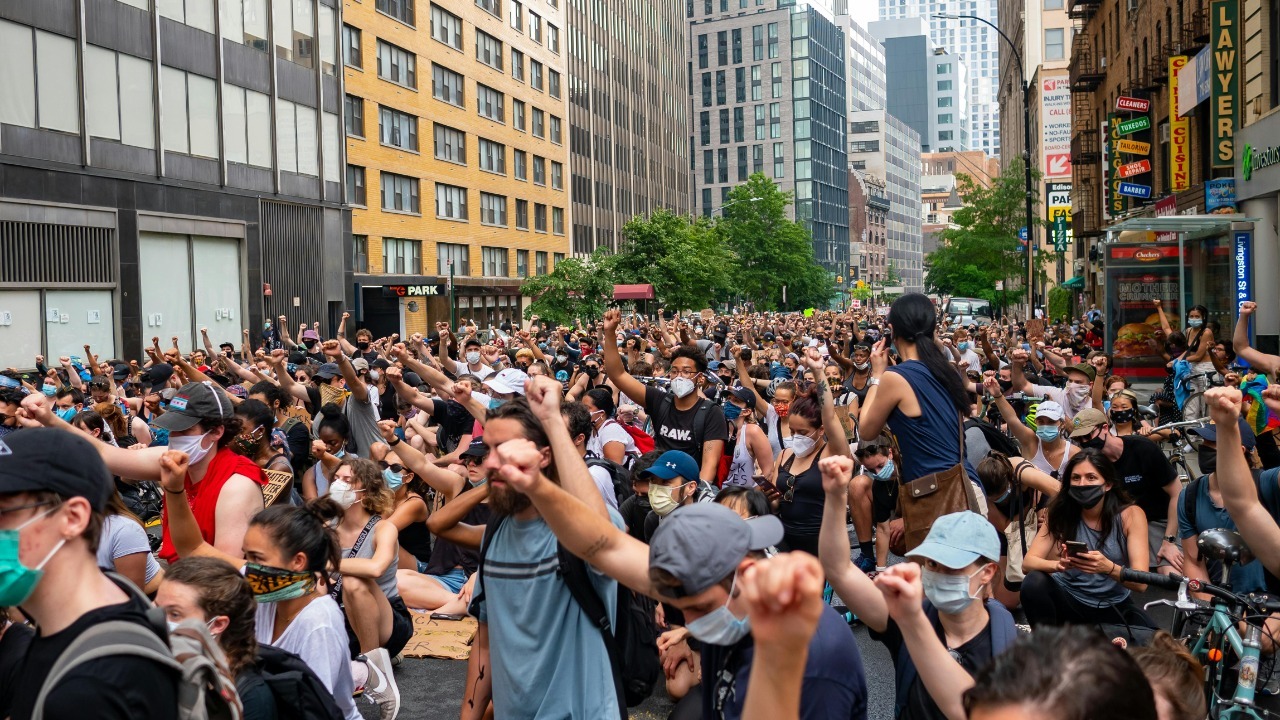
Such extreme economic disparity can also lead to social unrest. As inequality rises, so does the potential for increased social tensions and conflicts. The frustration and disillusionment of those left behind by the economic system can manifest in public protests and demands for change, challenging the stability of societies.
Pathways to Reducing Inequality

Addressing wealth inequality requires comprehensive policy measures. Progressive taxation and wealth redistribution are crucial steps in rebalancing the scales of economic fairness. Implementing higher taxes on the ultra-wealthy can provide governments with the resources needed to invest in public services and infrastructure that benefit all.
Corporate accountability and regulation are also key to addressing the social and environmental impacts of wealth concentration. Stronger regulations can ensure that corporations and billionaires contribute their fair share to society and operate within frameworks that prioritize sustainability and social responsibility. Nature argues for policies that hold these entities accountable for their actions and environmental impact.
Promoting sustainable development is another essential strategy. Initiatives that focus on equitable resource distribution and environmental stewardship can help create a more balanced and sustainable global economy. By prioritizing long-term ecological health and social equality, societies can work towards reducing the wealth gap and its associated challenges.
The Role of Global Institutions
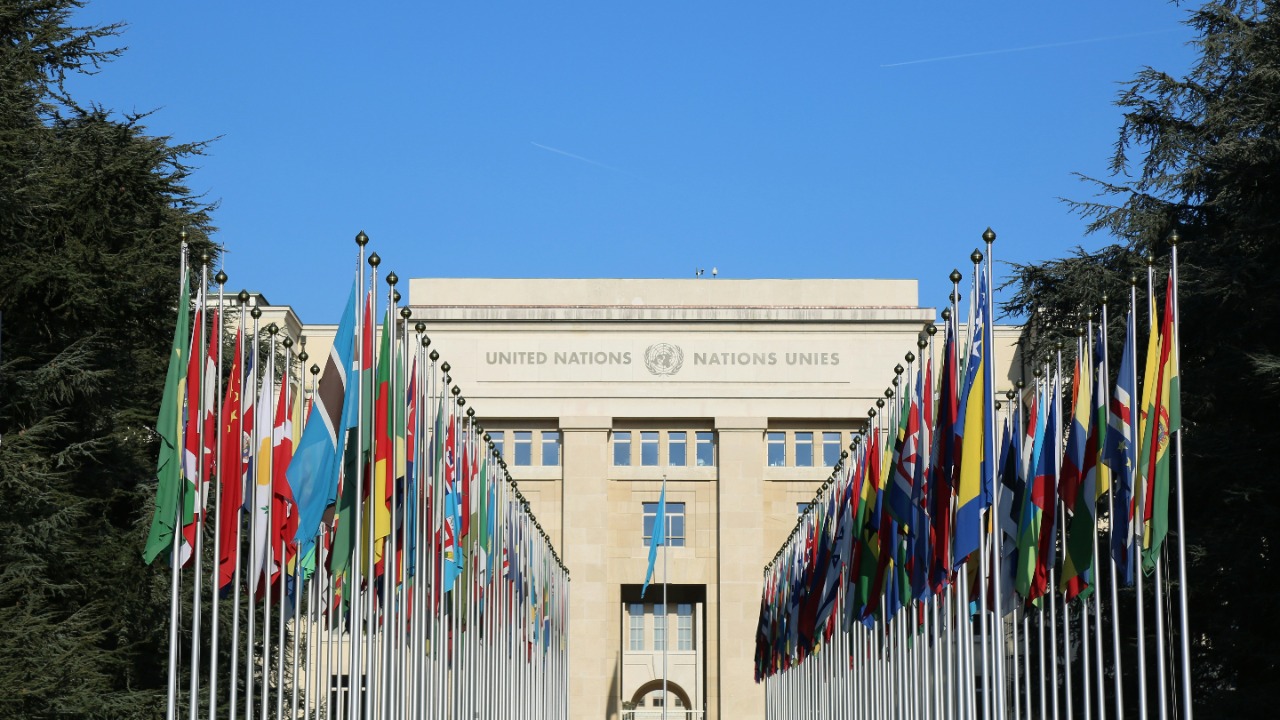
Global institutions play a vital role in addressing wealth inequality. International cooperation and policy-making can promote fair economic practices and ensure that wealth is distributed more equitably. Organizations like the United Nations and the World Bank are positioned to lead efforts in developing and implementing policies that address these global challenges.
Non-governmental organizations (NGOs) are also instrumental in advocating for change. They can hold the wealthy accountable and push for reforms that prioritize social and environmental justice. By raising awareness and mobilizing public support, NGOs can influence policy and drive progress towards reducing inequality.
Looking ahead, global institutions face both challenges and opportunities in tackling wealth concentration. While there are significant obstacles, such as entrenched interests and resistance to change, there are also opportunities to create a more equitable and sustainable world. By leveraging their influence and resources, these institutions can pave the way for meaningful progress in addressing the impacts of wealth concentration.

Grant Mercer covers market dynamics, business trends, and the economic forces driving growth across industries. His analysis connects macro movements with real-world implications for investors, entrepreneurs, and professionals. Through his work at The Daily Overview, Grant helps readers understand how markets function and where opportunities may emerge.