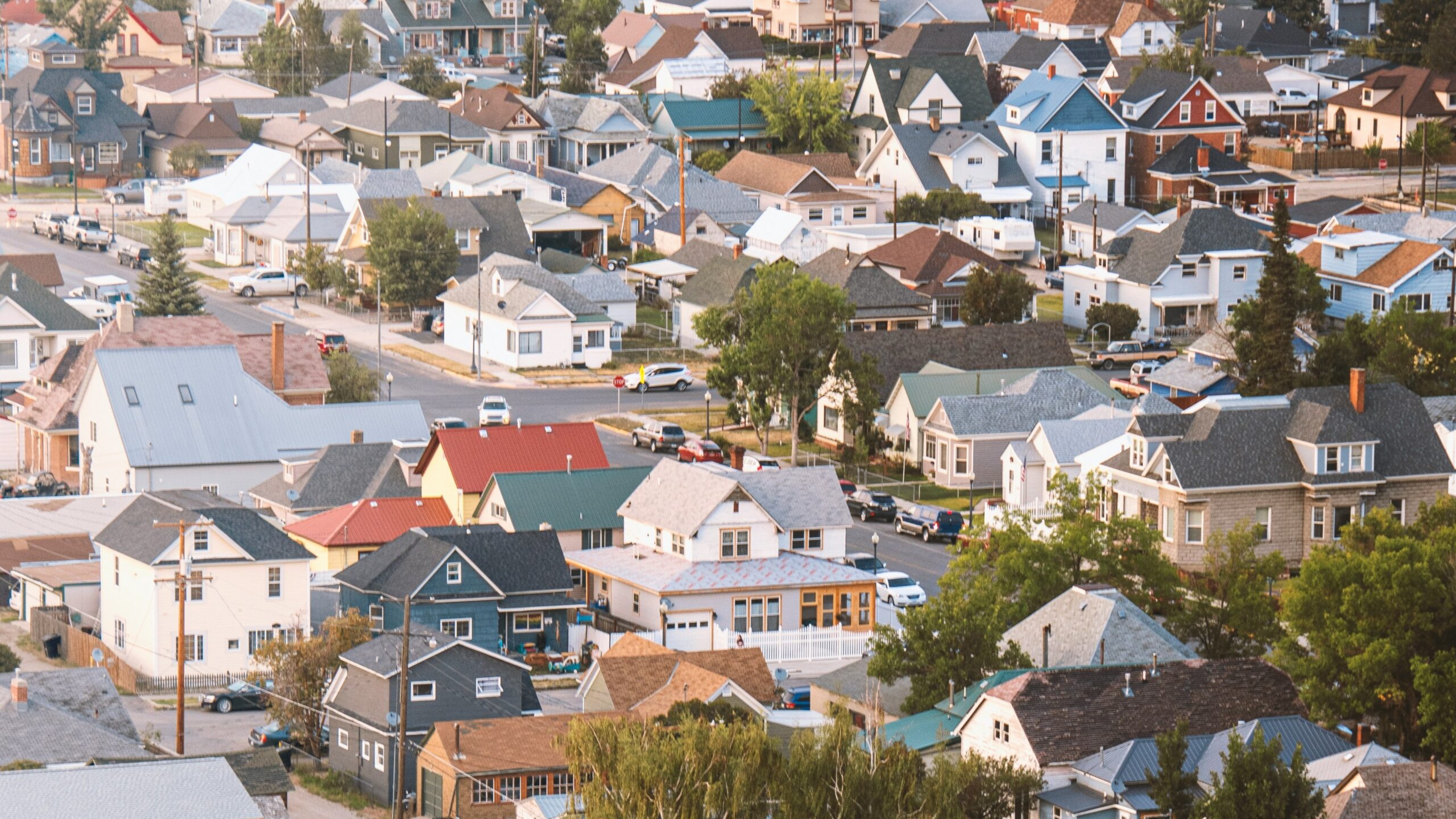
Have you ever wondered if your neighborhood is on the cusp of transformation? Many indicators suggest a community is about to experience a significant upswing. From new businesses to infrastructure investments, these signs can be exciting for homeowners and investors alike. Here are ten key indicators your neighborhood might be poised for a boom.
Increased Real Estate Development
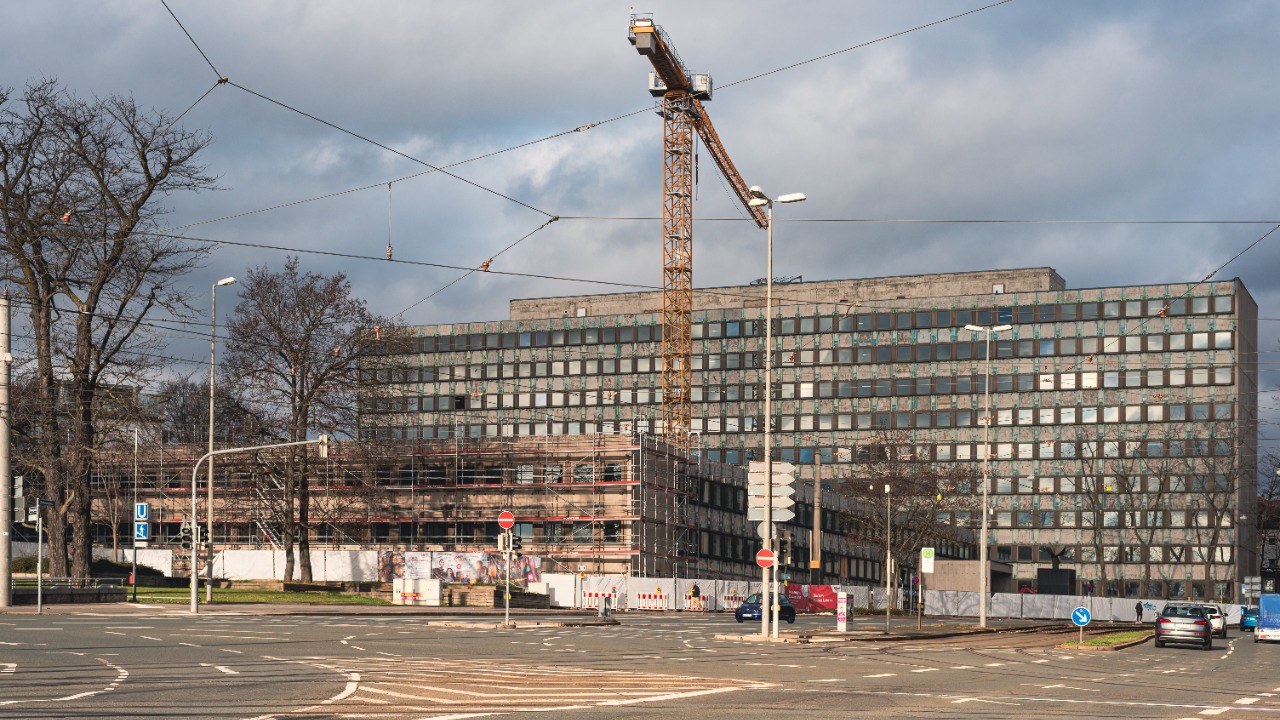
When you notice cranes and construction sites popping up in your area, it’s a strong signal of impending growth. Developers are often the first to detect a neighborhood’s potential, and their investment can increase property values. Keep an eye out for new apartment complexes, condos, or mixed-use developments. These projects often aim to attract both residents and businesses, creating a vibrant community atmosphere.
Real estate development can also bring about infrastructure improvements, such as better roads and utilities. This development cycle often attracts more people, boosting the local economy. According to Norada Real Estate, such changes are critical indicators of an area on the rise.
Arrival of Trendy Businesses
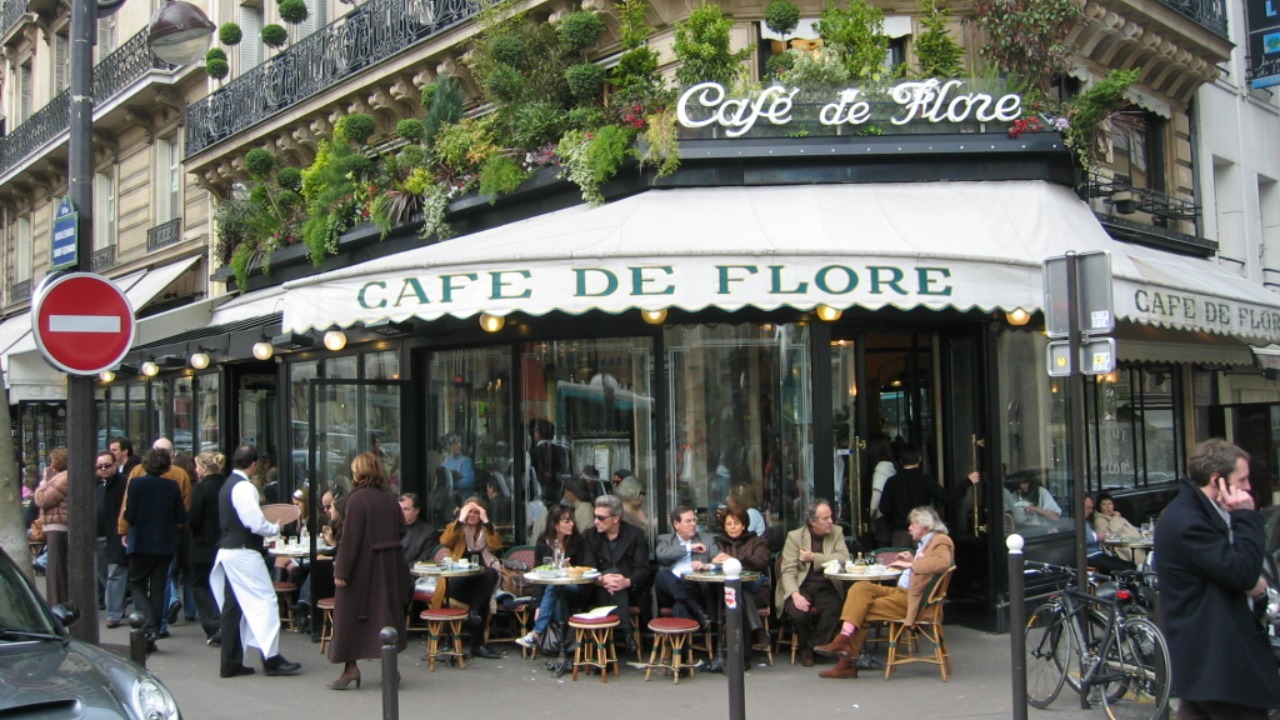
The opening of hip cafes, boutique shops, and gourmet eateries can signal that your neighborhood is becoming a hotspot. Trendy businesses often follow the influx of young professionals seeking unique experiences close to home. These establishments contribute to a lively neighborhood vibe and can enhance the area’s overall appeal.
As more people discover these local gems, foot traffic increases, and other businesses may follow suit. This chain reaction can lead to a thriving business ecosystem. As Homeownership Matters suggests, keeping an eye on business trends is essential for spotting a neighborhood on the verge of a boom.
Rising Property Values
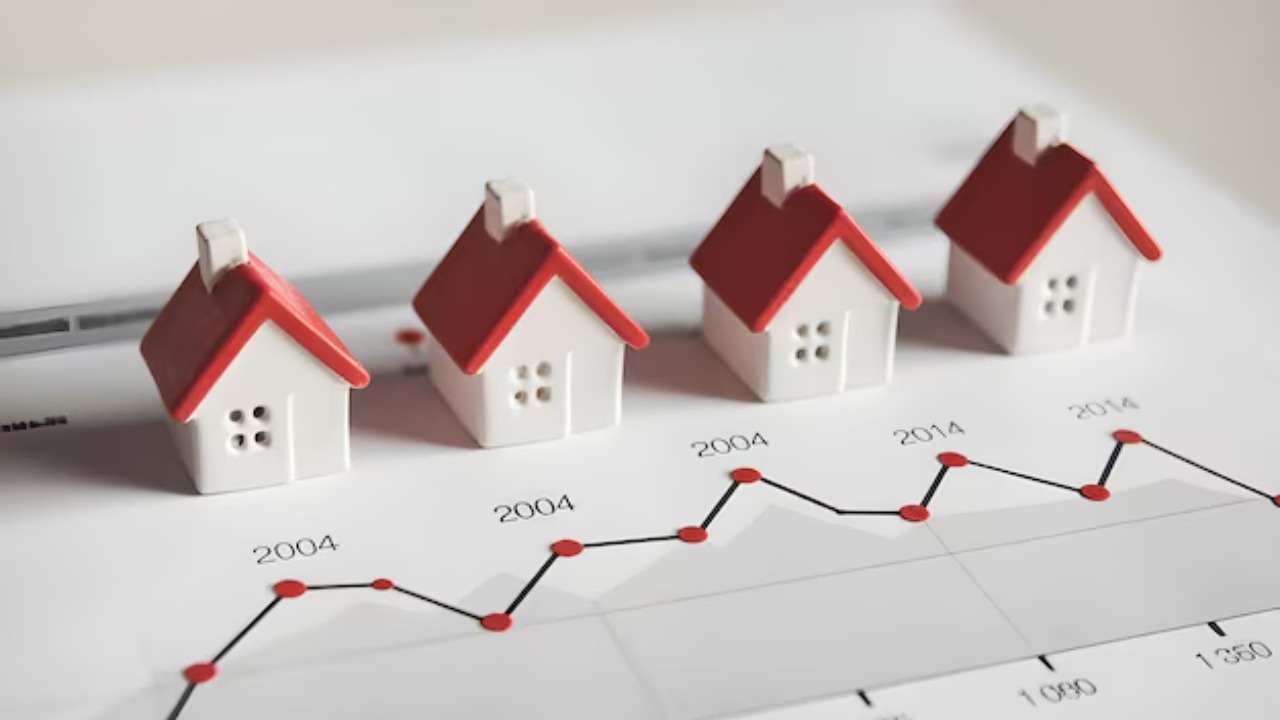
Higher property values are a clear sign of a neighborhood’s rising status. As demand increases, so do prices, making it a potential hot spot for future investments. If you notice a steady increase in property values over a few years, it could indicate that your area is becoming more desirable.
Rising property values can also lead to more amenities and services as residents demand better options. The National Bureau of Economic Research highlights the importance of recognizing these trends early for potential investment opportunities.
Enhanced Public Infrastructure
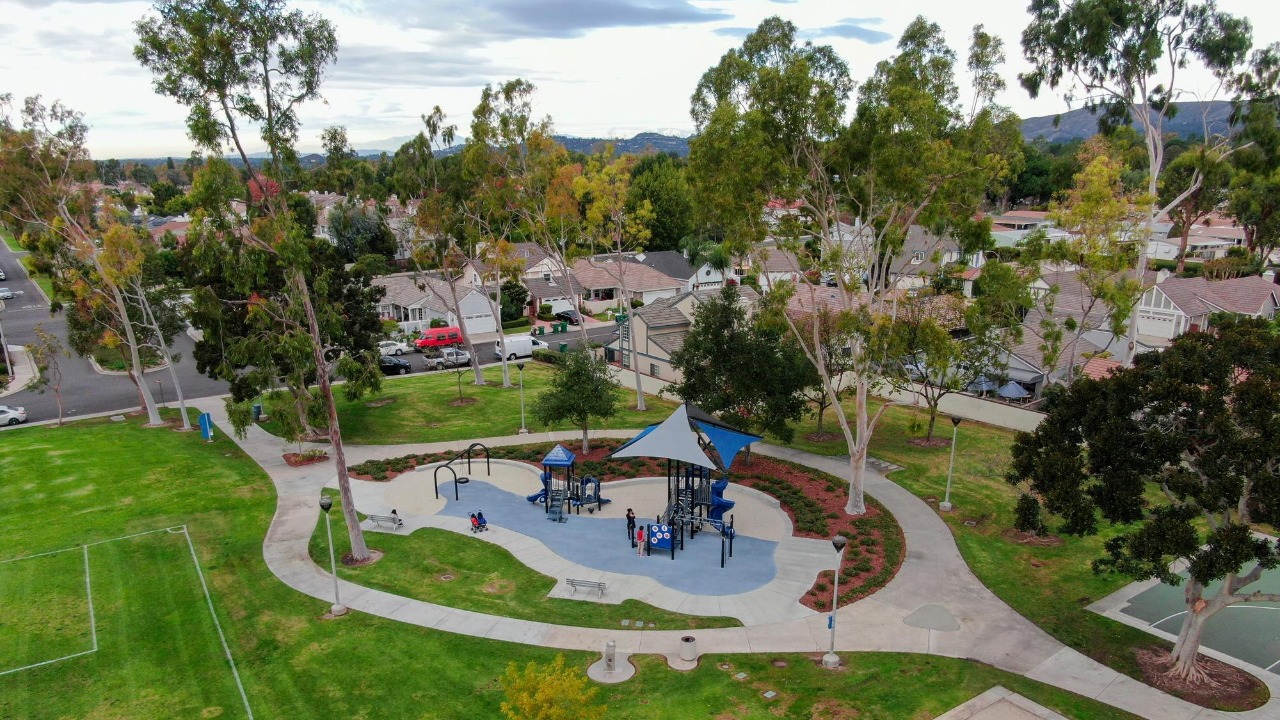
Infrastructure upgrades, such as improved roads, new parks, or community centers, often precede a neighborhood boom. These enhancements make the area more appealing to both current and prospective residents. Government investments in public infrastructure can be a catalyst for further private sector development.
New infrastructure projects can also boost local employment, providing additional incentives for growth. These improvements are often a response to a growing population and increased demand for quality amenities.
Influx of Young Professionals

A neighborhood that attracts young professionals is likely on the upswing. This demographic often seeks affordable housing options close to work and leisure activities. Their presence can invigorate the community, leading to a demand for more services and amenities.
Young professionals tend to have disposable income, which they spend in local businesses, further stimulating economic growth. As noted by real estate experts, communities that attract this group often experience rapid development and revitalization.
Improved Public Transportation

Enhanced public transportation options, such as new bus lines, bike paths, or a subway extension, can significantly impact a neighborhood’s growth. Improved transit makes commuting easier, attracting more residents and businesses to the area.
Efficient public transportation systems reduce traffic congestion and pollution, making neighborhoods more livable. As accessibility increases, so does the area’s desirability, which can lead to a surge in property values and business opportunities.
Expansion of Community Events
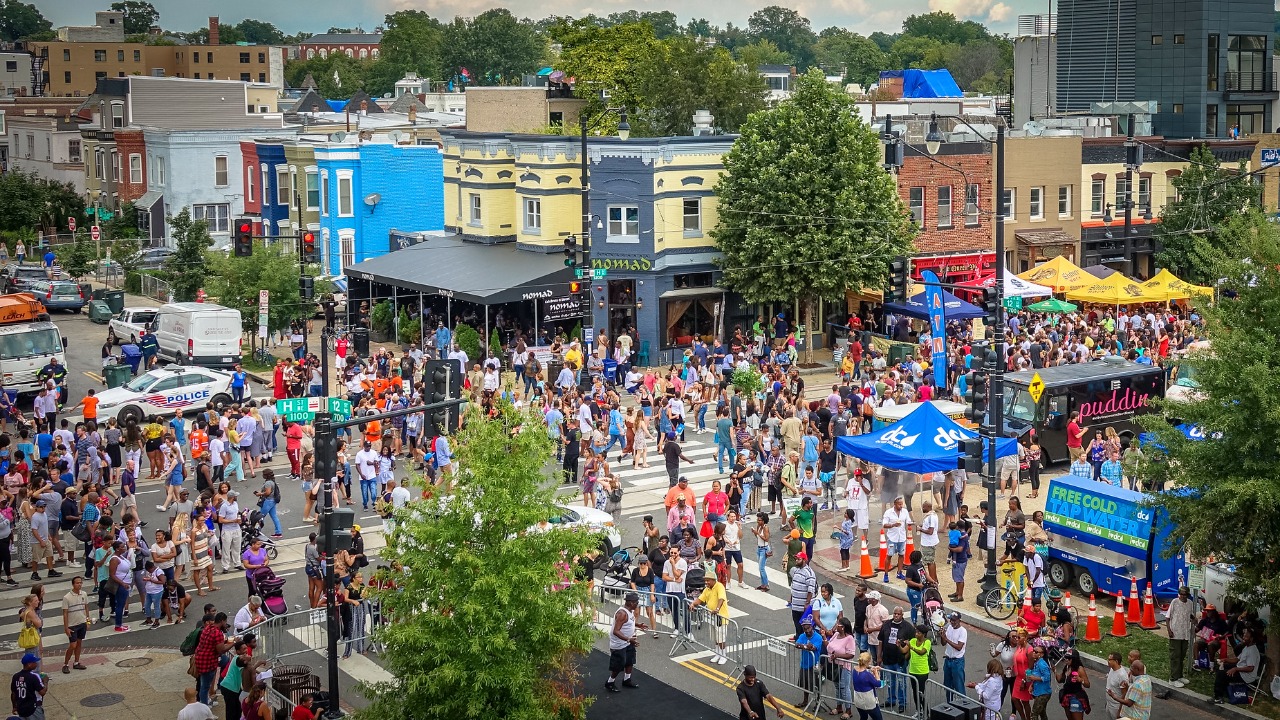
An uptick in community events, such as farmers’ markets, street festivals, or outdoor concerts, can be a sign that your neighborhood is becoming more vibrant. These events foster a sense of community and attract visitors, showcasing the area’s unique charm.
Increased social activities can also encourage local spending and investment, contributing to the area’s economic vitality. A lively community calendar often correlates with a growing, thriving neighborhood.
Opening of High-End Retail Stores

The arrival of high-end retailers often signifies that a neighborhood is moving upmarket. These stores are attracted to areas with a strong customer base willing to spend on luxury goods, indicating economic prosperity.
High-end retail can elevate the area’s profile, attracting more affluent residents and tourists. The presence of such stores can also signal confidence in the neighborhood’s future growth potential.
Growing Arts and Culture Scene
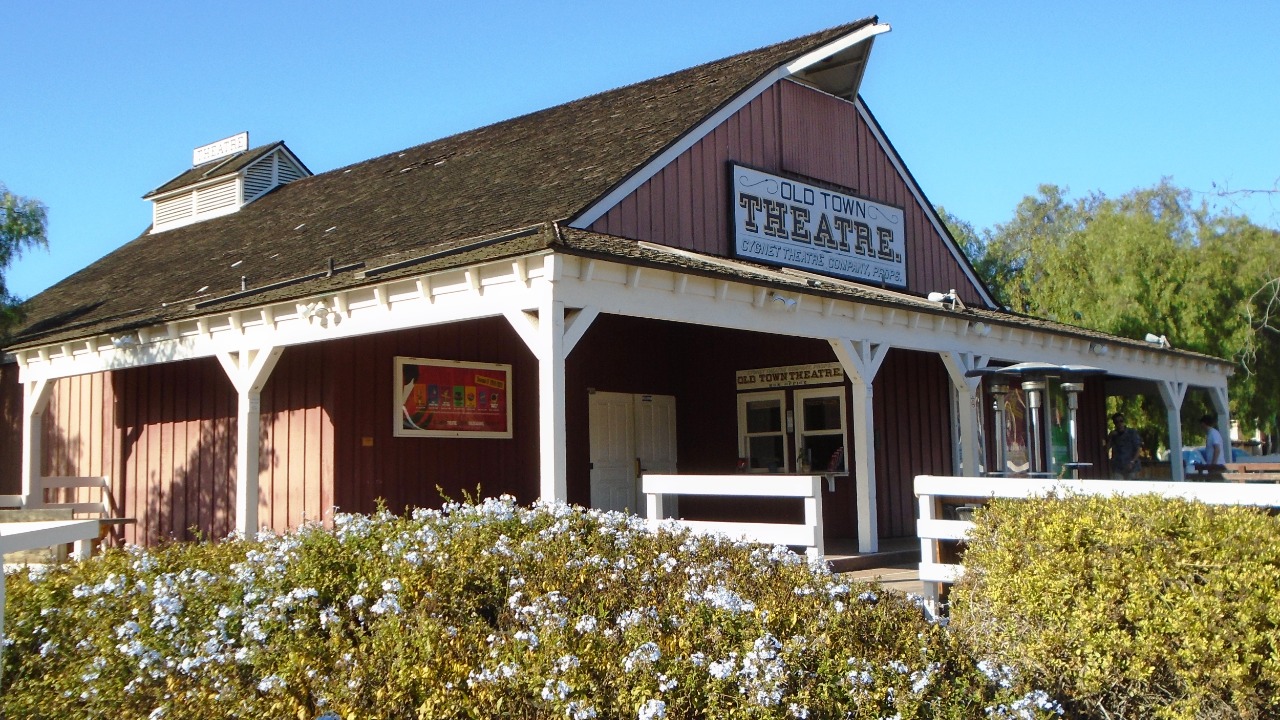
A burgeoning arts and culture scene can be a key indicator of a neighborhood’s transformation. Galleries, theaters, and music venues enrich the community, attracting creative individuals and fostering a vibrant cultural atmosphere.
The arts can also drive economic growth by attracting tourists and new residents who value cultural experiences. As the neighborhood gains a reputation for its cultural offerings, it often sees increased attention from developers and businesses.
Investment in Local Schools
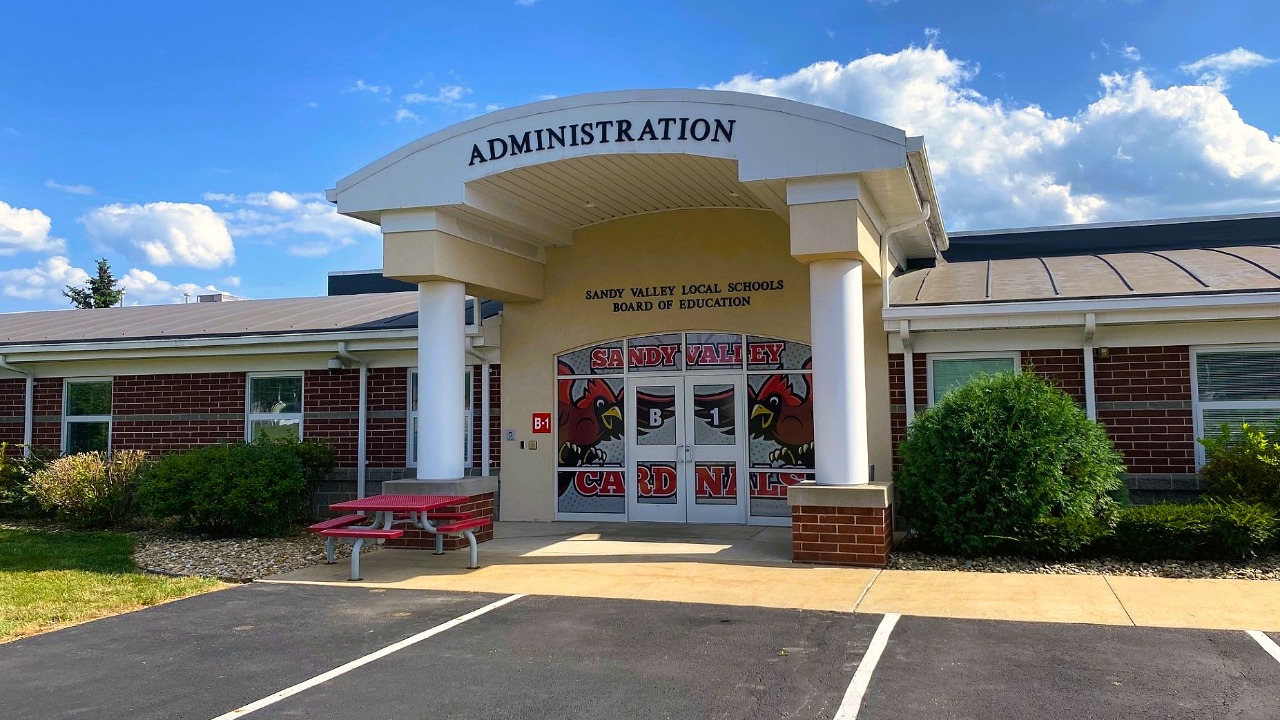
Increased funding and improvements in local schools can be a strong signal of a neighborhood on the rise. Better schools attract families looking for quality education options, driving demand for housing in the area.
Investments in education often lead to a more engaged and informed community, which can contribute to overall neighborhood development. Fox Business highlights that quality schools are often a top consideration for homebuyers, impacting property values and neighborhood desirability.

Elias Broderick specializes in residential and commercial real estate, with a focus on market cycles, property fundamentals, and investment strategy. His writing translates complex housing and development trends into clear insights for both new and experienced investors. At The Daily Overview, Elias explores how real estate fits into long-term wealth planning.