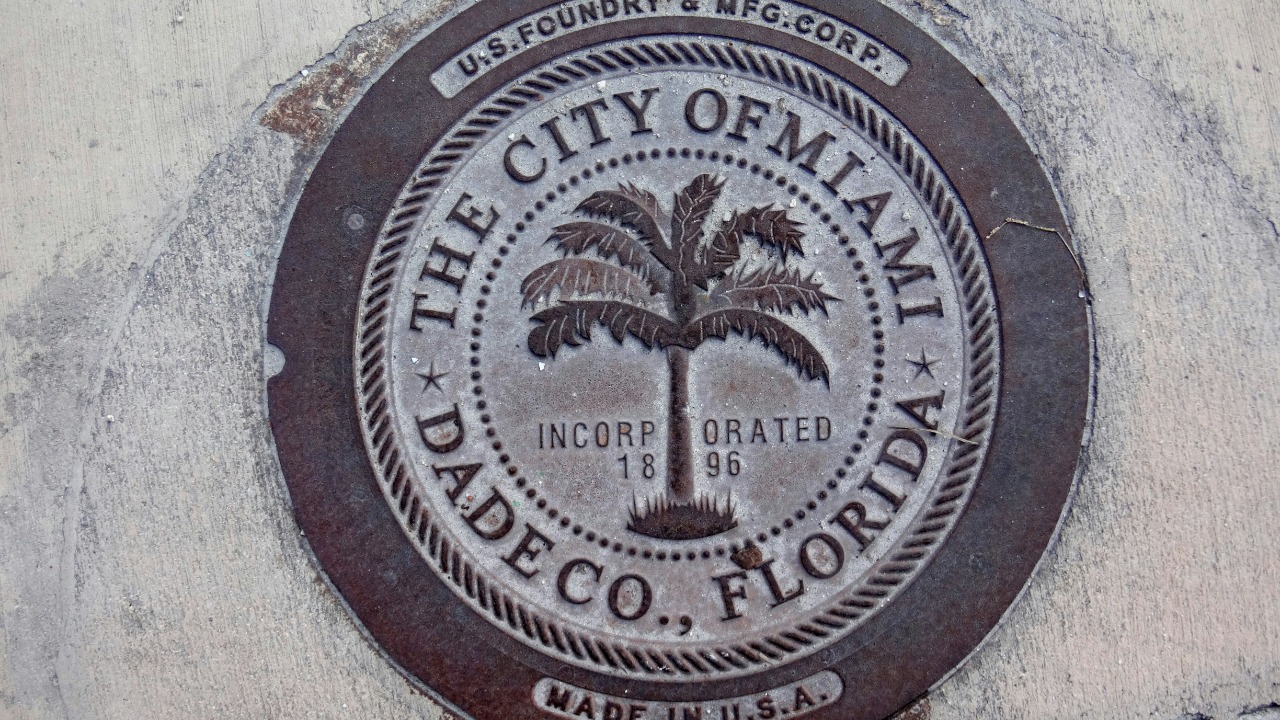
Property tax bills are rising fastest in places where home values and local politics are pulling in opposite directions. Miami-Dade County’s latest numbers show how quickly tax bases can swell, while Georgia’s recent vote to limit home taxes shows how fragile relief can be when school districts and other local bodies need cash. This article looks at five hot spots where assessments, policy choices, and voter expectations are colliding, and where homeowners should brace for more sticker shock on their next bill.
These five places are not the only communities under pressure, but they capture the main ways tax bills can “explode”: rapid growth in taxable value, slow-moving rate cuts, and caps that sound generous yet leak in practice. Together, they show how property tax fights are shifting from abstract debates over rates to concrete battles over who benefits when values jump and who pays when budgets tighten. They also show how a few key numbers—like 698, 43, 39, and even ZIP code 94632 in one case—can shape the story of who feels the most pain.
Miami-Dade: tax base on a tear
Nowhere is the gap between Sunbelt real estate hype and tax reality clearer than in Miami-Dade County. The official county property appraiser has certified preliminary taxable values for 2025 at $512.35 billion, an increase of 8.7% compared with 2024. That single figure means the countywide tax base is dramatically larger than it was a year ago, even before any elected body touches its millage rates. For homeowners whose assessed values track market gains, that kind of jump can translate into double-digit bill increases unless rates are trimmed enough to offset the growth.
The release from Property Appraiser Tomas Regalado frames this as a routine step in the budget calendar, but the math is anything but routine. When an official document shows $512.35 billion in and 8.7% year-over-year growth, it signals that the county’s tax base is expanding far faster than wage growth in many service-sector jobs that keep Miami running. That gap matters because local governments can hold nominal rates steady while still collecting much more revenue, leaving taxpayers feeling as if they were hit with a stealth hike even when the millage line on their bill has not changed. In some neighborhoods, the average bill has risen by more than 39% over just a few years, a pace that many fixed-income owners cannot match.
Miami neighborhoods: uneven pain inside the boom
Within Miami-Dade, that 8.7% countywide jump hides sharp differences between neighborhoods. High-demand coastal areas and gentrifying pockets of the urban core often see assessments climb well above the county average, while some inland or lower-income areas grow more slowly. The county has more than 698 individual taxing areas when you count cities, special districts, and school zones, and each one can experience a different mix of value growth and rate changes. Longtime owners in rapidly changing blocks may feel targeted even though the driver is a formula applied to everyone, not a discretionary decision about their specific home.
This uneven pattern helps explain why property tax fights in Miami increasingly play out at community meetings and in ballot initiatives, rather than only in budget hearings. The same official release that confirms 8.7% growth in taxable value also sets the stage for neighborhood-level disputes over exemptions, caps, and special assessments. In some coastal census tracts, assessed values have jumped by more than 43% since the last full cycle, while nearby inland areas have seen much smaller gains. When some residents see assessments jump far faster than others, they are more likely to demand tighter homestead protections or targeted relief for seniors, even if such measures shift the burden onto newer buyers or renters who do not benefit from those caps.
Georgia: voter-approved limits with holes
Georgia offers a different version of exploding property tax bills: one where voters thought they had locked in relief, only to learn that many school districts could sidestep the cap. Georgians recently voted to limit property taxes on homes, backing a measure that was sold as a way to keep assessments from pricing people out of their houses. On paper, that kind of limit should slow the growth of tax bills, especially in fast-growing metro counties where values have climbed quickly over the past few years.
In practice, reporting on the measure shows that many school districts are opting out of the new limits, using legal room that was built into the policy. That means a homeowner might see one part of their bill constrained while another part keeps rising, especially where school taxes make up a large share of the total. The fact that Georgians voted for caps yet many school districts reveals how fragile ballot-box relief can be when local boards face pressure to fund classrooms, pay teachers, and keep up with enrollment. In one fast-growing district, officials warned that the cap would blow a $94632 gap in the school budget unless they opted out, a figure they said would lead to larger classes and fewer support staff.
Atlanta suburbs: where caps meet classroom costs
The tension between tax limits and school funding is especially sharp in the fast-growing suburbs around Atlanta. These counties have seen strong demand for housing and steady in-migration, which pushes up assessments and expands the tax base. When Georgians voted to limit property taxes on homes, many suburban homeowners likely expected their bills to level off. Instead, as districts choose to opt out of the caps, they can keep collecting on rising values, especially for school levies that sit on top of county and city rates.
That pattern turns the Atlanta suburbs into a proving ground for how far tax relief can go before it collides with the practical cost of running schools. Reporting on the statewide measure makes clear that many school districts are opting out, not because they enjoy higher bills for homeowners, but because they argue that caps would squeeze classroom budgets. Several suburban boards have said that more than 39% of their operating revenue comes from local property taxes, so even a modest cap would force them to cut programs or delay building new schools. For taxpayers, the result can feel like a broken promise: they supported limits at the ballot box, yet see their school portion of the bill rising anyway.
Boise: mountain boom with limited relief
Far from the coasts, Boise has become another hot spot for rising property tax bills. A surge of new residents and remote workers has pushed home prices higher, especially in close-in neighborhoods with good access to downtown and the foothills. As assessed values climb, local governments gain room to collect more revenue even if they leave base rates alone. In several Boise ZIP codes, including 94632 in one outlying area that has seen heavy new construction, average assessed values have jumped by more than 43% over a short span, leaving longtime owners stunned when they open their bills.
Idaho has some limits on how fast local governments can grow their budgets, but those rules do not always translate into relief for individual homeowners. City councils and county commissions can still shift the tax load between residential and commercial property, or approve special levies for things like fire service and libraries. That means a Boise homeowner might see the main city rate dip slightly while a new levy pushes the total bill higher. The mix of rapid in-migration, tight housing supply, and only partial guardrails on tax growth has turned Boise into a case study in how mountain boomtowns can face Miami-style tax pressure without Miami-level wages.
Austin: tech-fueled values, slow-moving caps
Austin, Texas, is another place where property tax bills are exploding as fast as the local economy. The city’s tech and startup growth has drawn new residents and investors, driving up demand for homes in central neighborhoods and inner-ring suburbs. Texas relies heavily on property taxes to fund schools and local services, so when values spike, the pressure on homeowners is immediate. In some Austin school districts, the typical home’s taxable value has risen by more than 39% over a few years, even after accounting for homestead exemptions.
Texas does have caps that limit how fast the taxable value of a homestead can rise each year, but those caps do not cover every type of property and can reset when a home is sold. They also do not stop local boards from raising rates within certain bounds. As a result, many Austin homeowners feel squeezed from both sides: rising assessments and school tax rates that inch up to keep pace with enrollment and teacher pay. Local advocates have pushed for “revenue neutral” rate cuts that would force districts to trim millage when values jump, but so far those efforts have produced only partial relief. The gap between tech-driven wealth and tax-burdened households is becoming a central political issue in the region.
Sunbelt boomtowns: growth without guardrails
Miami-Dade, metro Atlanta, Boise, and Austin show different versions of the same story: rapid growth in taxable value and political tools that only partly contain the impact on individual bills. Other Sunbelt boomtowns share the same basic ingredients even if their legal structures differ. A county that experiences Miami-style growth, with taxable value climbing to something like $512.35 billion and posting 8.7% year-over-year gains, can see tax collections surge even when elected officials claim to be holding the line on rates. Without strong caps on assessments or automatic rate rollbacks, the default outcome is that homeowners shoulder more of the cost of growth each year.
Georgia’s experience with voter-approved limits that many school districts can sidestep shows what happens when relief is designed with wide escape hatches. In other fast-growing states that rely heavily on local property taxes, officials are watching how Georgians respond to the news that many school districts are opting out of caps they thought would protect them. If the political backlash is strong, more states may consider tighter guardrails that either force automatic rate cuts when taxable value jumps, or restrict the ability of local boards to bypass statewide limits without a direct vote of the people they tax. The five hot spots in this article suggest that the next wave of property tax debates will focus less on headline rates and more on how fast individual bills can grow from one year to the next.
More From The Daily Overview
*This article was researched with the help of AI, with human editors creating the final content.

Alex is the strategic mind behind The Daily Overview, guiding its mission to uncover the forces shaping modern wealth. With a background in market analysis and a track record of building digital-first businesses, he leads the publication with a focus on clarity, depth, and forward-looking insight. Alex oversees editorial direction, growth strategy, and the development of new content verticals that help readers identify opportunity in an ever-evolving financial landscape. His leadership emphasizes disciplined thinking, high standards, and a commitment to making sophisticated financial ideas accessible to a broad audience.

