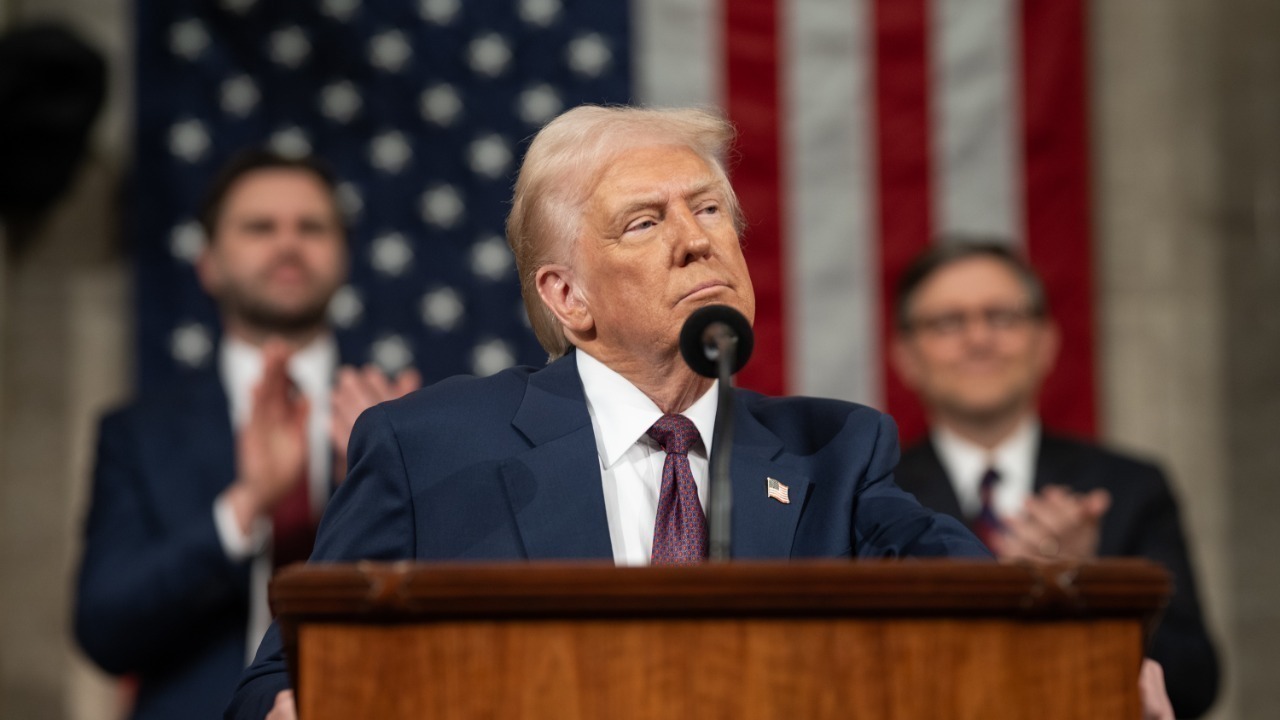
Health policy in President Donald Trump’s second year back in office is shifting from emergency pandemic-era supports to a new architecture built around price transparency, personal savings accounts, and tighter federal spending. The White House is betting that a mix of tax-advantaged accounts, drug price reforms, and revised Medicare and Medicaid payments can slow premium growth without reviving the old Obamacare subsidy structure. For patients, the result in 2026 is a landscape where coverage may feel less automatic but potentially more customizable, with bigger rewards for those who can navigate the new rules.
Trump’s team is framing this as a reset that puts households, not insurers or foreign governments, at the center of the system. The Great Healthcare Plan, new Health Savings Account flexibility, and tools like TrumpRx are all pitched as ways to lower costs and deliver money directly to the people, even as traditional Affordable Care Act supports recede. I see a system emerging that is more fragmented but also more explicitly designed to push consumers toward shopping, comparing, and negotiating.
The Great Healthcare Plan moves from slogan to governing blueprint
The centerpiece of Trump’s 2026 health agenda is The Great Healthcare Plan, which the administration describes as a comprehensive push to cut costs and rewire incentives. The White House says President Donald is CALLING on CONGRESS to LOWER HEALTHCARE COSTS, presenting the initiative as a direct challenge to lawmakers to tackle premiums, deductibles, and surprise bills in one package. In official materials, President Donald Trump positions the plan as a way to reduce the cost of health insurance while preserving coverage for people with preexisting conditions, and he is explicit that he wants Congress to move quickly on that mandate, a message underscored in the administration’s language about CALLING on CONGRESS.
Under the hood, The Great Healthcare Plan leans heavily on drug pricing reforms and competitive pressure. The administration highlights that The Great Healthcare Plan calls for codifying the Trump Administration’s Most Favored Nation prescription drug price deals so that Americans the government covers do not pay more than patients in other wealthy countries for the same medicines. By locking those Most Favored Nation arrangements into statute, the White House argues it can secure lasting savings that extend beyond executive orders, a claim it ties directly to projected budget impacts in its description of Great Healthcare Plan.
Trump’s promise to “deliver money directly” and the politics of premiums
Trump is not just talking about abstract savings, he is promising visible cash flows back to households. In a high-profile rollout, the White House framed the initiative under the banner President Trump Unveils The Great Healthcare Plan to Lower Costs and Deliver Money Directly to the People, signaling that rebates, direct deposits, or premium credits are central to the political sales pitch. I read that phrase, Lower Costs and Deliver Money Directly, as a deliberate contrast with earlier models that routed most benefits through insurers and hospital systems, and the administration’s own description of how the money would go directly to you reinforces that this is meant to be felt in family budgets, not just in federal spreadsheets, as reflected in the language around President Trump Unveils.
At the same time, the administration is trying to reassure voters that premiums will not spike as Obamacare-era subsidies fade. In a detailed Fact Sheet, officials say President Donald Trump Calls on Congress to Enact The Great Healthcare Plan with a specific focus on LOWERING INSURANCE PREMIUMS, arguing that the package will stop sending taxpayer dollars to what they describe as middlemen and instead use those funds to reduce the cost of health insurance. That framing, which casts the plan as a way to cut out intermediaries while keeping coverage intact, is central to the White House’s case that the reforms are pro-consumer rather than simply cost cutting, a point it drives home in the Fact Sheet where.
Health Savings Accounts move from niche to mainstream
One of the most immediate shifts in 2026 is the rapid expansion of Health Savings Accounts, which are tax-advantaged vehicles that let people set aside pre-tax dollars for qualified medical expenses. Earlier this year, policy analyst In Chao described HSAs as “exploding” under the Trump administration, noting that for the first time they are being integrated into a much wider range of plan designs and employer offerings. In Chao argued that what used to be a niche product for high-deductible plans is now moving into the center of the benefits conversation, predicting that “now it will be mainstream,” a forecast that captures how central HSAs have become to Trump’s cost-sharing strategy and is reflected in the reporting that In Chao offered in Feb.
Regulatory changes are helping that shift along. Starting in 2026, more plans now work with Health Savings Accounts, and federal guidance explains that a hardship exemption can allow people to access HSA funds in specific circumstances while still preserving the core tax advantages. The official marketplace notes that an HSA is a type of savings account that lets you set aside money on a pre-tax basis to pay for qualified medical expenses, and it emphasizes that by using untaxed dollars you can lower your overall health costs, a message that is front and center in the description of New in 2026.
Marketplace coverage after Obamacare subsidies: a leaner safety net
The end of enhanced Obamacare subsidies at the close of 2025 has left the individual market in a state of flux. Trump’s team has responded with a new outline of a health care plan that is meant to replace those supports, but even sympathetic analysts note that the proposal still lacks many details and that key questions about affordability remain open. The administration’s own description acknowledges that the outline comes after Obamacare subsidies expired and that it is an early-stage framework rather than a fully fleshed-out statute, a reality captured in coverage of how Obamacare supports ended and the new News outline emerged.
On the ground, enrollment data show that ACA Marketplace sign-ups are down in 2026, although analysts caution that not all of the information is in yet because Returning subsidized customers are generally given a 3 month grace period for nonpayment of premiums. That grace period means some people who appear to have dropped coverage may still be reinstated if they catch up on payments, so the final picture of how many Americans lost ACA Marketplace coverage remains unclear. What is clear is that 2026 marks the first year without the expanded federal subsidies that had propped up enrollment, a turning point highlighted in assessments of how Returning customers are navigating the new environment.
Medicare and Medicaid: higher costs, tighter reimbursement
For older Americans, the most tangible change in 2026 is the rise in Medicare premiums and cost sharing. Analysts tracking Trump’s policies note that Medicare premiums are on the rise under his OBBB budget framework, with out-of-pocket maximums for some enrollees climbing from $2,100 in 2025 to higher levels this year. A detailed review of Changes to Medicare in Trump’s OBBB underscores that the administration is pairing these higher premiums with other adjustments to benefits and payment rules, and it situates those moves alongside separate discussions of what Trump has done with Social Security, a linkage that highlights how intertwined retirement and health policy have become in the analysis of Changes to Medicare.
Baseline program rules are also shifting. Official guidance on What Medicare beneficiaries can expect in 2026 notes that Medicare changes for 2026 include increases for Medicare Part B and Part A premiums, along with adjustments to deductibles and premium surcharges for Medicare Part coverage at higher income levels. Those changes mean that even apart from Trump’s broader budget strategy, retirees are facing higher fixed costs for hospital and physician coverage, a trend that is spelled out in the explanation of What Medicare enrollees will see in their Part premiums.
Drug prices, TrumpRx, and the Most Favored Nation bet
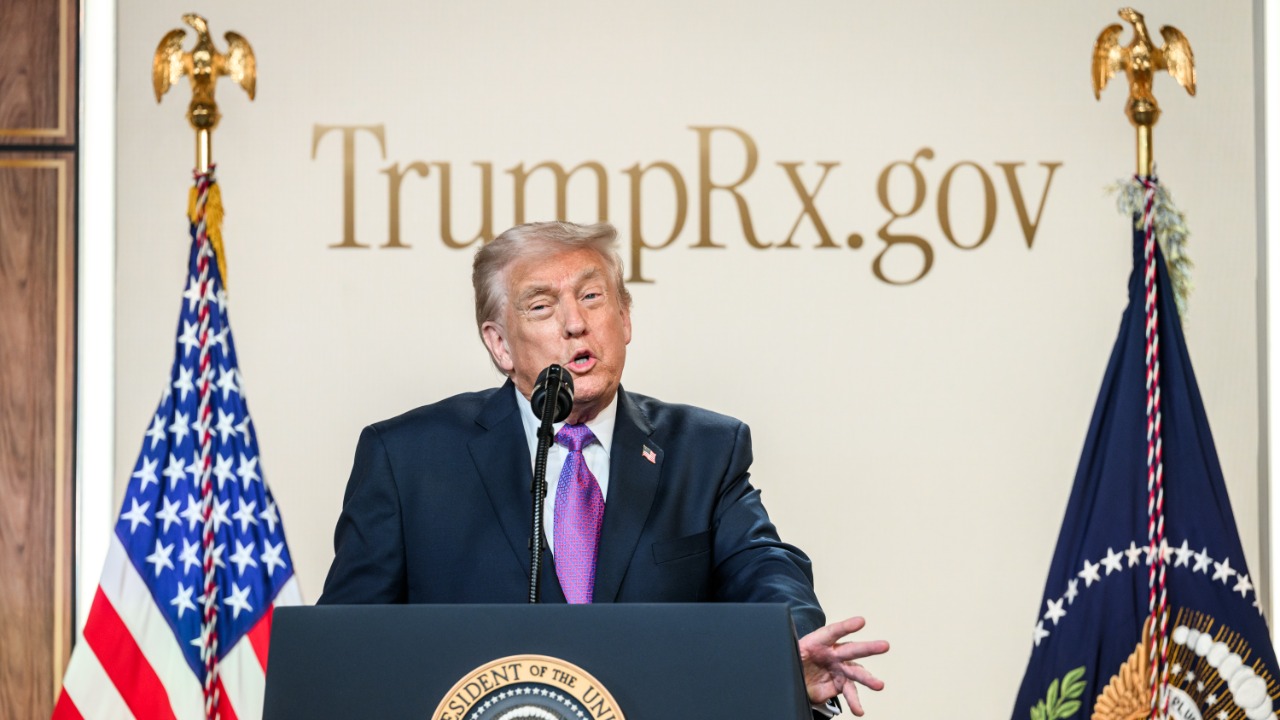
Drug pricing is where Trump’s team is most aggressively trying to claim populist ground. One of the federal health care initiatives to watch in 2026 is TrumpRx, a portal set to launch early this year that is designed to help patients compare prescription prices and identify out-of-pocket savings. Policy analysts describe TrumpRx as part of a broader push to use transparency tools and digital platforms to give consumers leverage at the pharmacy counter, and they flag it as One of the key federal efforts that could shape how much people actually pay for their medications, a role highlighted in the discussion of One of the major 2026 policy initiatives.
At the same time, the White House is trying to lock in structural reforms through Congress. Budget experts note that to lower health care costs, The Great Healthcare Plan would Codify Most Favored Nation prescription drug price deals, often referred to as MFN, that the administration has negotiated in recent months. The expectation is that this proposal would likely reduce federal spending on prescription drugs and generate modest savings and cost reductions for patients, although the exact magnitude depends on how manufacturers and foreign governments respond, a dynamic that is laid out in the analysis of how the plan would Codify Most Favored MFN arrangements.
Accountability, HSAs, and what patients should watch next
Beyond premiums and drug prices, Trump’s second year back is also reshaping how providers are paid and how patients are expected to shop for care. Financial planners point out that Medicaid and Medicare reimbursement rates are set to change under the Trump administration, and that these shifts will ripple through hospital budgets and physician practices that rely heavily on public programs. In that context, experts like DeWitt have forecasted that the accountability mechanisms built into new payment models will push providers to be more explicit about which services are covered and which are classified as “non-covered services,” a distinction that could leave patients with larger surprise bills if they do not scrutinize their coverage, a warning captured in the discussion of Medicaid and Medicare changes in Feb.
In parallel, the federal marketplace is trying to make it easier for consumers to compare plans that integrate HSAs and other new features. Updated guidance explains that starting in 2026, a hardship provision and clearer plan labeling are meant to help shoppers understand which options are HSA compatible and how those accounts can be used when they apply for coverage. The goal is to let people line up their tax-advantaged savings with the deductibles and networks that fit their needs, but it also raises the stakes for getting those choices right, a tension that is evident in the marketplace’s explanation of how Starting in 2026 the new HSA rules are supposed to help you compare during enrollment.
More From The Daily Overview
*This article was researched with the help of AI, with human editors creating the final content.

Nathaniel Cross focuses on retirement planning, employer benefits, and long-term income security. His writing covers pensions, social programs, investment vehicles, and strategies designed to protect financial independence later in life. At The Daily Overview, Nathaniel provides practical insight to help readers plan with confidence and foresight.