The H-1B visa has long been the main legal route for highly skilled foreign workers to take jobs in the United States, especially in technology and research. That system is now under direct attack from a new legislative push that aims not just to tighten rules, but to abolish the category altogether. At the same time, the Trump administration is reshaping how remaining visas are priced and allocated, creating a one‑two punch that could, in practical terms, end the program as we know it.
In Congress, hardline proposals to terminate H-1B are converging with an aggressive regulatory agenda that raises costs, narrows eligibility and rewires the lottery in favor of the very highest earners. Taken together, these moves amount to a coordinated plan that could permanently shut out many of the Indian and other international professionals who have relied on H‑1B status to live and work in the US.
The EXILE Act and a new abolition push in Congress
The most direct threat now comes from a bill explicitly drafted to wipe H‑1B off the books. A Florida Representative has introduced what is being called The EXILE Act, a measure designed to bring the H‑1B visa programme in the US to an end rather than simply reform it. Reporting describes the proposal as a frontal assault on the category, framed around claims that employers have used H‑1B to undercut domestic hiring and suppress wages for American workers.
The EXILE Act is not an isolated gesture. A US lawmaker has separately moved a bill to abolish the H‑1B visa program outright, arguing that corporate misuse has harmed American workers and even national interests. Coverage of that effort notes that the sponsor portrays H‑1B as fundamentally incompatible with protecting US jobs, a framing that dovetails with the rhetoric around the EXILE Act and signals a broader abolitionist turn rather than a push for incremental fixes.
Marjorie Taylor Greene, Greg Steube and the anti‑H‑1B bloc
On the political right, opposition to skilled immigration has become a rallying point, and H‑1B sits at the center of that fight. Representative Marjorie Taylor Greene has publicly vowed to introduce a bill to “completely eliminate the H‑1B visa program,” telling Americans that the category has been abused at their expense. Her message, delivered in the language of economic nationalism, casts foreign professionals not as complements to the US workforce but as direct competitors whose presence must be curtailed.
She is not alone. Florida’s Republican Congressman Greg Steube has also stepped in with his own proposal in the US House to end the H‑1B program, a move detailed in reporting by Lubna Kably of TNN. That account notes that the Florida Republican Congressman is targeting both the existence of the program and the H‑1B visa cap, reinforcing a coordinated bloc that wants Congress to choose abolition over repair.
Trump’s $100,000 fee and wage‑weighted lottery
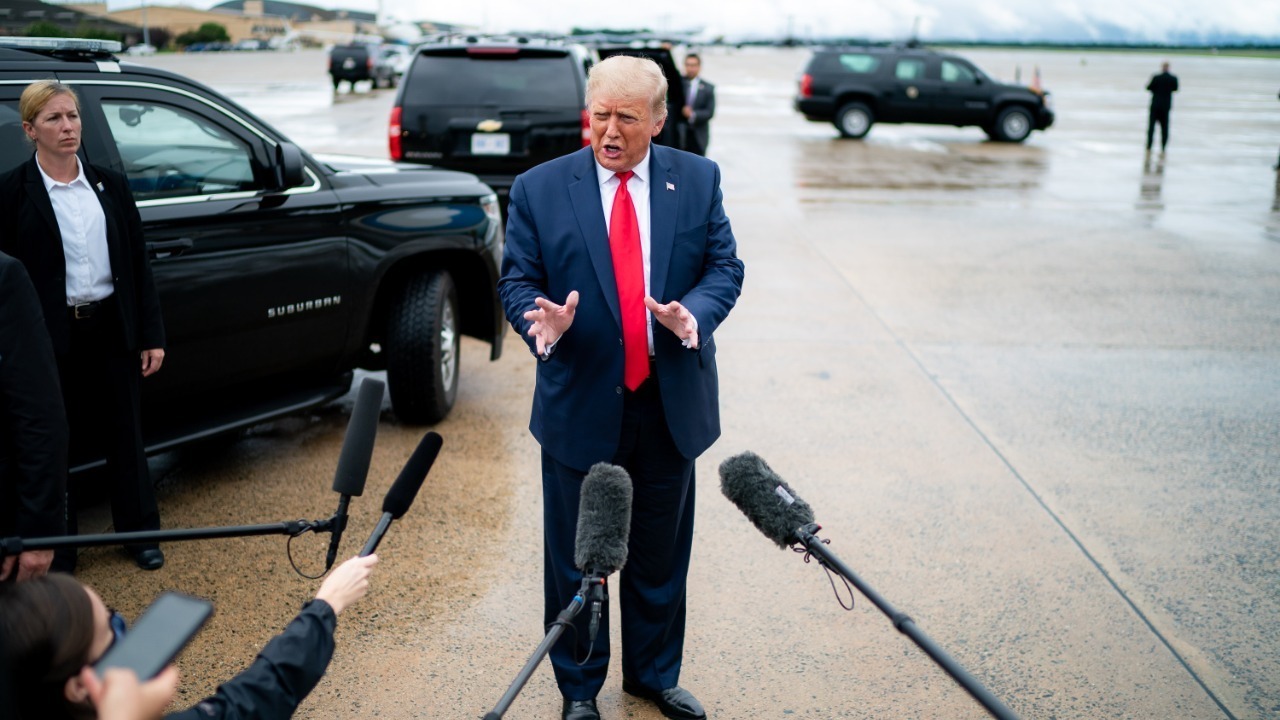
Even if Congress does not immediately pass an abolition bill, the Trump administration is already making H‑1B dramatically harder to access. President Trump issued a proclamation introducing a new rule that sets the H‑1B visa application fee at $100,000, a figure that instantly prices out most start‑ups and smaller employers. The same analysis notes that The White House has paired this fee with instructions to revise regulations and enforce stricter oversight, signaling that the goal is not just revenue but a structural re‑engineering of America’s high‑skill visa program.
In parallel, the Department of Homeland Security has finalized a shift to a wage‑weighted selection system that rewrites how the annual cap lottery works. Official guidance explains that the new H‑1B selection process prioritizes allocating visas to higher‑skilled and higher‑paid workers in order to better protect wages, a change laid out in the FY 2027 cap alert and echoed in a separate DHS announcement. A legal briefing on the change notes that USCIS now Implements Wage Level Lottery rules that give higher selection odds to employers offering top wage levels, a shift that, in practice, channels visas toward the largest and richest firms.
From reform to restriction: how the system is being rewired
To understand how these moves could effectively kill H‑1B, it helps to look at the cumulative redesign of the system over the past two years. The Trump administration is undertaking major reforms to the H‑1B visa system by raising fees, curbing eligibility and implementing new selection rules, according to a policy analysis that argues these steps are being justified as necessary for the United States to succeed in a global market. Another detailed review of the “next Trump H‑1B rule” stresses that President Trump’s proclamation is part of a broader plan for structural re‑engineering, not a one‑off tweak, and that The White House is explicitly directing agencies to tighten oversight.
USCIS has already embedded these priorities into the mechanics of the annual cap. Official “Cap Season” guidance notes that Alert updates now emphasize compliance and scrutiny, while a separate practice advisory for employers describes the FY 2027 Lottery as a New Wage Weighted Selection Process DHS rule that takes effect in late February 2026. A business‑focused explainer on the broader Visa Shakeup and in APAC underscores that the United States is not just raising costs but also shifting how visas are allocated, with ripple effects for hiring strategies across Asia‑Pacific financial and technology hubs.
State‑level crackdowns, fraud concerns and the Project 2025 agenda
While Washington rewrites federal rules, some states are moving to choke off H‑1B hiring in their own institutions. In Texas, a student newspaper reports that H‑1B visas are coming to an end on campus after On Jan. 27, Gov Abbott ordered Texas universities and state agencies to cease sponsoring new H‑1B positions, a directive that immediately put research labs and academic departments on notice. That local shift mirrors the national narrative that foreign professionals are displacing domestic talent, even in sectors like higher education that have long depended on international PhDs.
At the same time, critics of the program are seizing on allegations of abuse to justify sweeping restrictions. One detailed account of fraud allegations in India notes that, as the U.S. continues to grapple with immigration reform, the future of the H‑1B Visa program will remain contested and could reshape the way America attracts talent from abroad. A separate policy blueprint tied to the Project 2025 group proposes new H‑1B restrictions that would mandate the DOL to publish monthly statistics on petitions, layoffs, complaints and denials, and would apply tougher rules to cases filed on or after September 21, 2025. Together, these moves show how concerns about transparency and fraud are being harnessed to support an agenda that narrows, and potentially eliminates, the pipeline.
More From The Daily Overview
*This article was researched with the help of AI, with human editors creating the final content.

Grant Mercer covers market dynamics, business trends, and the economic forces driving growth across industries. His analysis connects macro movements with real-world implications for investors, entrepreneurs, and professionals. Through his work at The Daily Overview, Grant helps readers understand how markets function and where opportunities may emerge.