The Trump administration is reshaping the rules that govern how cars are built, sold, and financed in the United States, with a clear tilt toward cheaper gasoline vehicles and fewer perks for electric models. Fuel economy standards are being reset, consumer tax credits for electric vehicles have been eliminated, and new tax breaks are being steered toward conventional car buyers instead. The result is a sweeping realignment of auto policy that prioritizes short term affordability over aggressive electrification.
At the same time, automakers and consumers are already reacting to slowing demand for electric vehicles, reinforcing the administration’s argument that the market was moving faster than many drivers were ready to follow. I see a feedback loop emerging: policy is responding to consumer hesitation, and that new policy is likely to slow the very EV transition that earlier rules tried to accelerate.
Resetting CAFE: “Freedom Means Affordable Cars”
The centerpiece of the shift is a move to rewrite federal fuel economy rules so they no longer lean on electric vehicles to hit compliance targets. Consistent with direction in Secretary Duffy’s memorandum, “Fixing the CAFE Program,” the National Highway Traffic Safety Administration, or NHTSA, is proposing to reset CAFE standards in a way that aligns the categories with congressional intent and strips out assumptions about rapid EV adoption. The administration is packaging this as part of a broader affordability push, arguing that the previous framework effectively forced automakers to cross subsidize electric models by raising prices on popular gasoline cars, a claim it underscores through the CAFE reset.
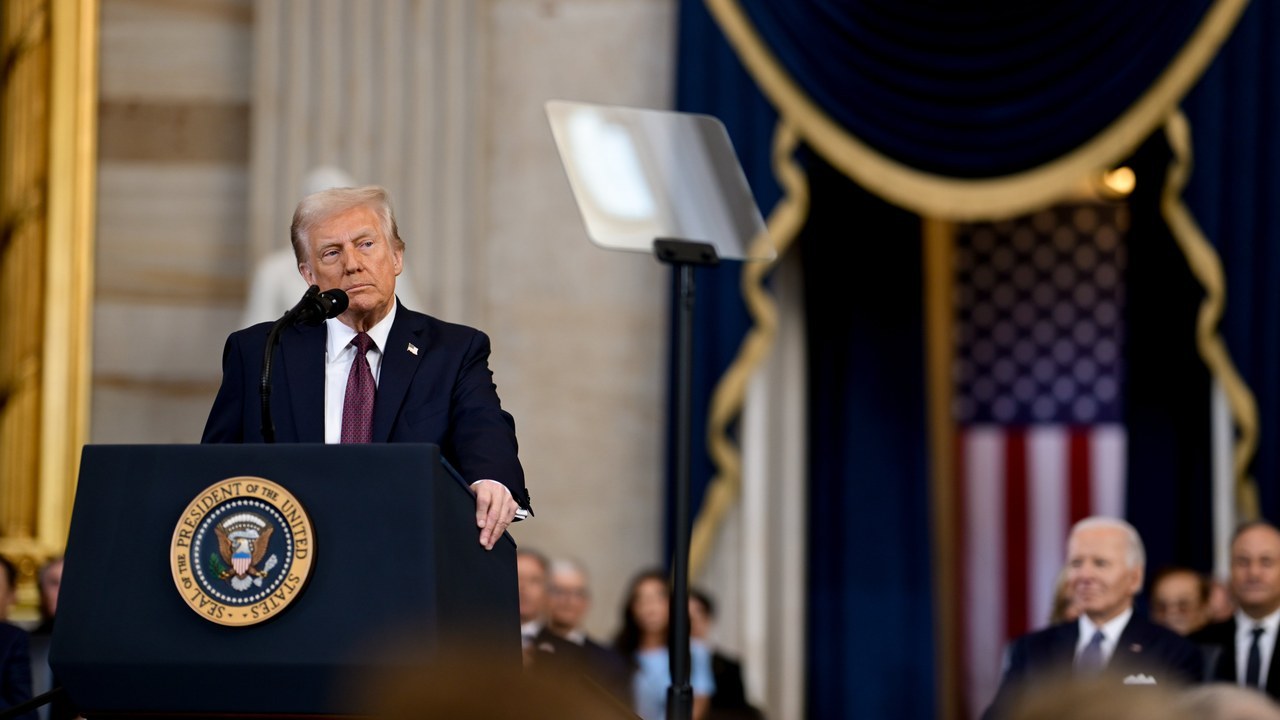
President Trump and Transportation Secretary Sean P. Duffy have wrapped this regulatory overhaul in populist branding, unveiling the “Freedom Means Affordable Cars” Initiative to Reset Fuel Economy Standards as a promise to deliver vehicles American families want to buy. In that framing, the administration is not just tweaking technical rules, it is explicitly rejecting a policy model that used EV credits and trading to push the fleet toward higher efficiency. By presenting the Freedom Means Affordable initiative as a consumer win, the White House is betting that voters will prioritize lower sticker prices over the climate and fuel savings that stricter standards were designed to deliver.
Fuel rules without EVs, and a rollback with national stakes
From those reset standards, developed without consideration of electric vehicles and credit trading, NHTSA is proposing to increase fuel economy at a slower, more linear pace that reflects what regulators say is achievable with improvements to internal combustion engines alone. That design choice matters because it removes a powerful regulatory nudge that had encouraged automakers to flood their lineups with battery powered models to meet aggressive fleetwide targets. The proposal models a future in which efficiency gains come from better gasoline technology rather than a wholesale shift to plugs, a direction spelled out in the new standards.
Critics see this as part of a broader rollback of environmental ambition that could slow the adoption of cleaner vehicles for years. Reporting on the administration’s move notes that the second Trump presidency has coincided with Congress eliminating the consumer tax credit for purchasing electric vehicles and other policies that encouraged or incentivized EVs, effectively removing both the carrot and much of the stick that had been pushing the market toward electrification. That combination, described in coverage of the fuel economy rollback, raises the stakes of the CAFE rewrite far beyond a technical rulemaking.
Tariffs, tax breaks, and the new price politics of cars
Regulation is only one lever the administration is pulling to reshape the auto market. Earlier in the term, President Trump used trade authority to adjust how imports of automobiles and automobile parts enter the United States, arguing that certain foreign supply chains posed a threat to national security. The presidential action states that, to more effectively eliminate the threat to impair national security posed by imports of automobiles and automobile parts, the president found it necessary to extend and adjust measures through April 30, 2027, a stance laid out in the amendments on imports. Those trade steps intersect with domestic rules by potentially raising costs for foreign built EVs and components while the administration loosens efficiency mandates at home.
On the consumer side, the White House is pairing the loss of EV tax credits with a new benefit for buyers of conventional vehicles. Treasury is now implementing a car loan interest tax break that was enacted as part of what President Trump has called his “big, beautiful bill,” allowing eligible taxpayers to deduct up to $10,000 a year in car loan interest for vehicles purchased between 2025 and 2028. That incentive, detailed in the $10,000 deduction policy, directly subsidizes borrowing for gasoline cars at the very moment EV buyers lose their federal tax support, a clear signal about which technologies the administration wants to favor.
Cheaper trucks now, higher fuel bills later
Supporters of the new approach argue that the previous regime was pricing working families out of the vehicles they actually want, especially larger trucks and SUVs. Legal scholars have noted that under the old rules, if a company like Ford makes a truck that gets 20 miles to the gallon, the manufacturer might have to offset that with more expensive technology or cross subsidies elsewhere in its lineup, costs that ultimately show up in monthly payments. The Burke Chair of Environmental Law at Case Western Reserve University has warned that loosening standards could mean drivers pay more at the pump by the end of 2026, even if their upfront purchase price falls, a tradeoff highlighted in analysis of fuel efficiency and.
Inside the administration, the political calculus is clear. President Donald Trump is grappling with economic headwinds a year after taking office and ahead of November’s midterm elections, and aides are eager to show they are “getting down to the consumer” by lowering visible costs like car payments. That message has been central as officials promote their push to lower car prices and de emphasize EVs, a theme that has featured prominently in coverage of Trump’s affordability pitch. I see that framing resonating with buyers who feel squeezed by inflation, even as it sidelines longer term concerns about fuel costs and emissions.
EV slowdown, industry recalculations, and climate fallout
The policy shift is landing at a moment when the electric vehicle market is already wobbling. Automakers that once raced to announce all electric futures are now quietly tapping the brakes, citing slower than expected demand and higher costs. General Motors, for example, has disclosed a multibillion dollar charge tied to its EV strategy shift due to slowing demand, with its outlook for 2026 noting that certain regulatory changes could increase costs by $1.5 billion even as CFO Paul Jacobson expects to see a cost reduction of $1 billion to $1.5 billion within the business. Those figures, laid out in reporting on GM’s EV strategy and the related $1.5 billion swing, underscore how volatile the economics of electrification have become.
Against that backdrop, the administration’s decision to roll back standards is being cast by some analysts as a historic pivot away from the previous push for EVs. One prominent critique asks why Trump’s rollback of standards is important and answers that it raises concerns about the future of EV adoption, because it backs away from using regulation as a driver of cleaner technology and leaves the market to rely more on voluntary moves by industry. That argument, captured in analysis of why the rollback, suggests that without the stick of tougher rules, and with the carrot of EV incentives gone, the transition could slow sharply.
More From TheDailyOverview
*This article was researched with the help of AI, with human editors creating the final content.

Grant Mercer covers market dynamics, business trends, and the economic forces driving growth across industries. His analysis connects macro movements with real-world implications for investors, entrepreneurs, and professionals. Through his work at The Daily Overview, Grant helps readers understand how markets function and where opportunities may emerge.