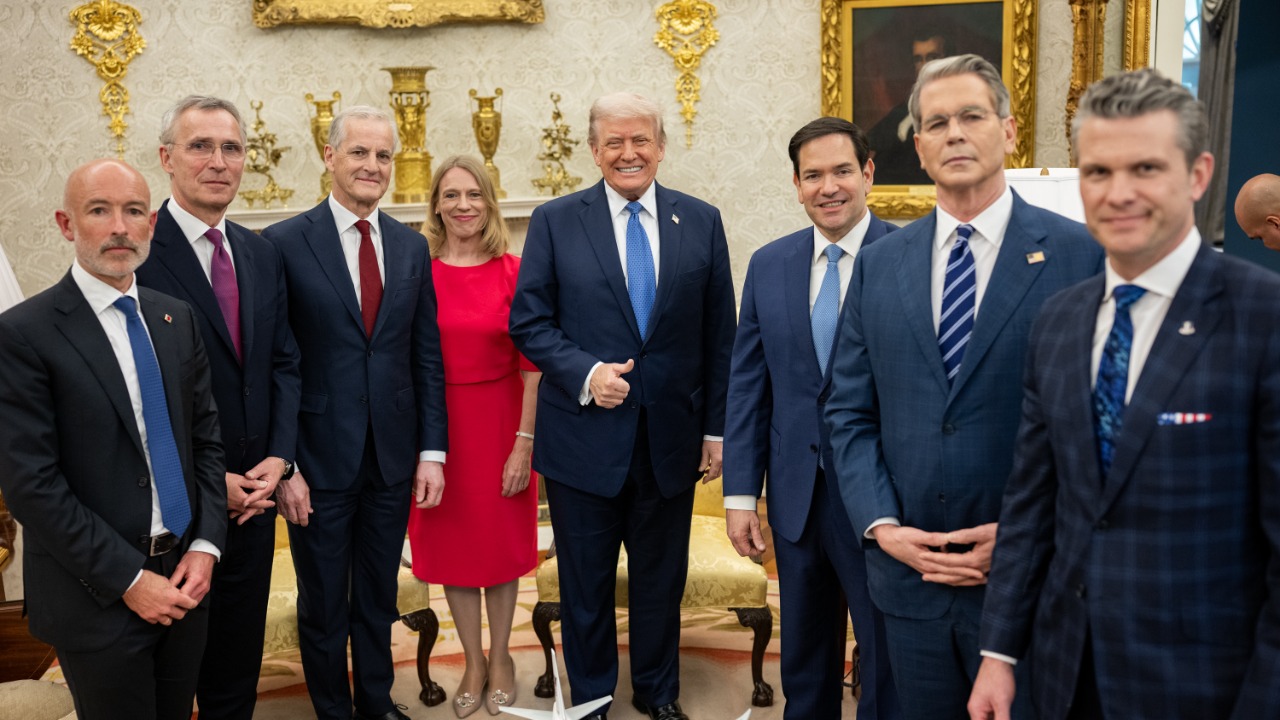
Recent developments in U.S. economic strategy have sparked significant attention as key figures like President Donald Trump and investment manager Scott Bessent take bold steps in reshaping national debt management. Their actions are notably impacting the relationship with China, one of America’s largest creditors, aiming to redefine how the U.S. handles its debt obligations.
The Trump-Bessent Alliance
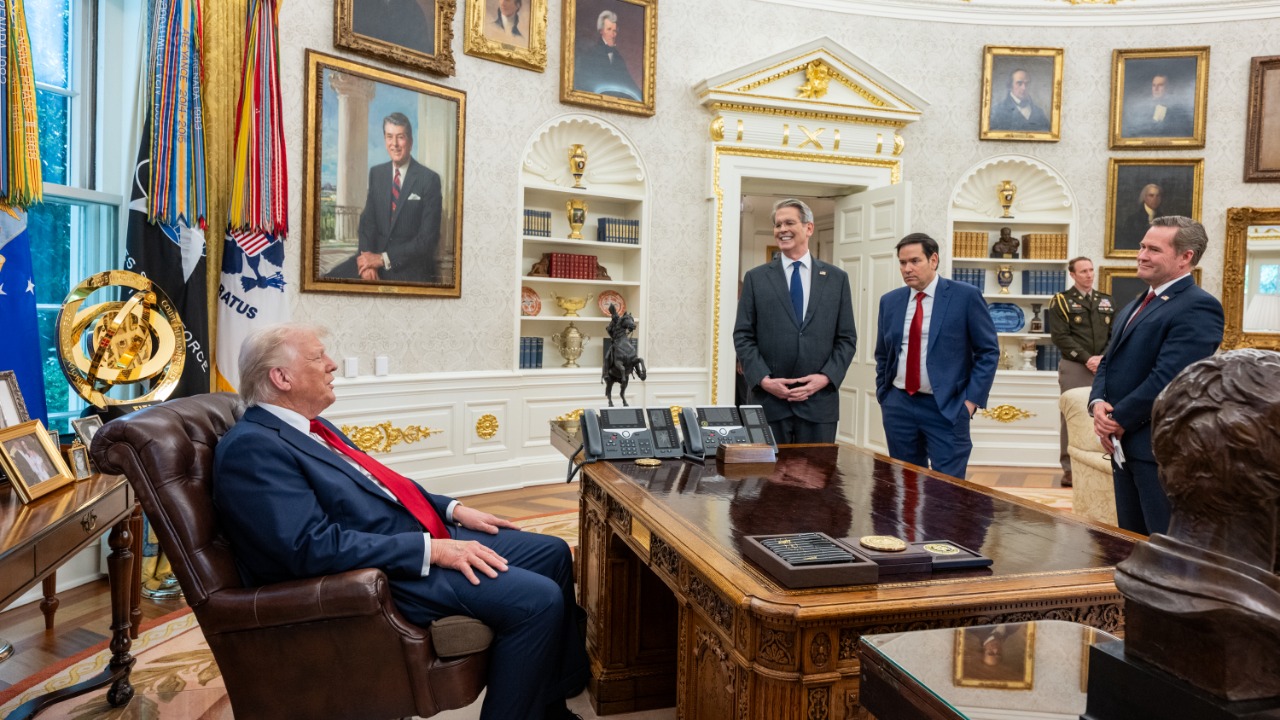
President Trump’s partnership with Scott Bessent marks a strategic shift in U.S. economic policy. Their collaboration focuses on reducing the country’s dependency on foreign debt, particularly from China, while seeking to enhance trade relations. Trump, leveraging his position, aligns with Bessent’s financial acumen to drive policies that prioritize domestic economic strength and minimize external influence on U.S. fiscal affairs.
This alliance has already begun to manifest in legislative changes and economic policies, notably through the imposition of tariffs and renegotiation of trade agreements. The duo’s influence has been felt in recent economic policies aimed at strengthening U.S. manufacturing and reducing reliance on imports. The recent tariff adjustments highlight their commitment to recalibrating trade dynamics in favor of the U.S.
Impact on U.S.-China Relations
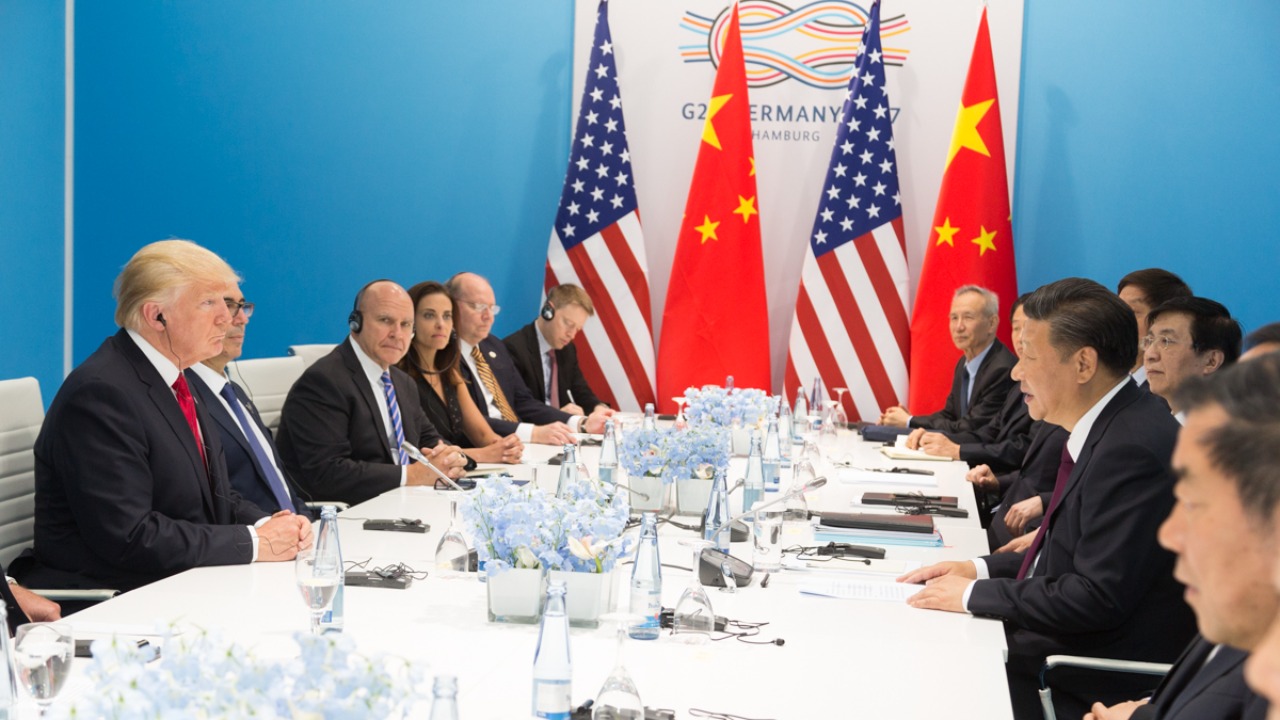
The Trump-Bessent strategy is dramatically altering the historical dynamics of U.S.-China trade relations. Traditionally, China has been a major creditor to the U.S., but new approaches aim to rebalance this relationship. By focusing on reducing debt held by foreign powers and restructuring trade agreements, the U.S. is signaling a shift towards greater self-reliance and economic independence. This move has created a ripple effect, impacting global trade practices and economic partnerships.
China’s response to these strategies has been measured yet strategic. The Chinese government has implemented its own economic measures, potentially as a counter to the U.S.’s new debt strategy. These include exploring alternative markets and strengthening diplomatic ties with other nations, indicating a cautious but proactive approach to U.S. policy changes.
Economic Implications for American Families

The introduction of new tariffs has direct implications for American consumers. As tariffs increase the cost of imported goods, families are witnessing a rise in consumer prices. This is particularly evident in sectors like technology and automobiles, where imports play a significant role. A report on higher prices highlights the immediate impact on household budgets, raising concerns about affordability and access to essential goods.
Looking ahead, the long-term economic outlook remains uncertain. While supporters argue that these strategies will bolster domestic production and strengthen the U.S. economy, critics warn of potential isolation from global markets. The outcome hinges on the balance between fostering domestic growth and maintaining international trade partnerships.
Critiques and Support
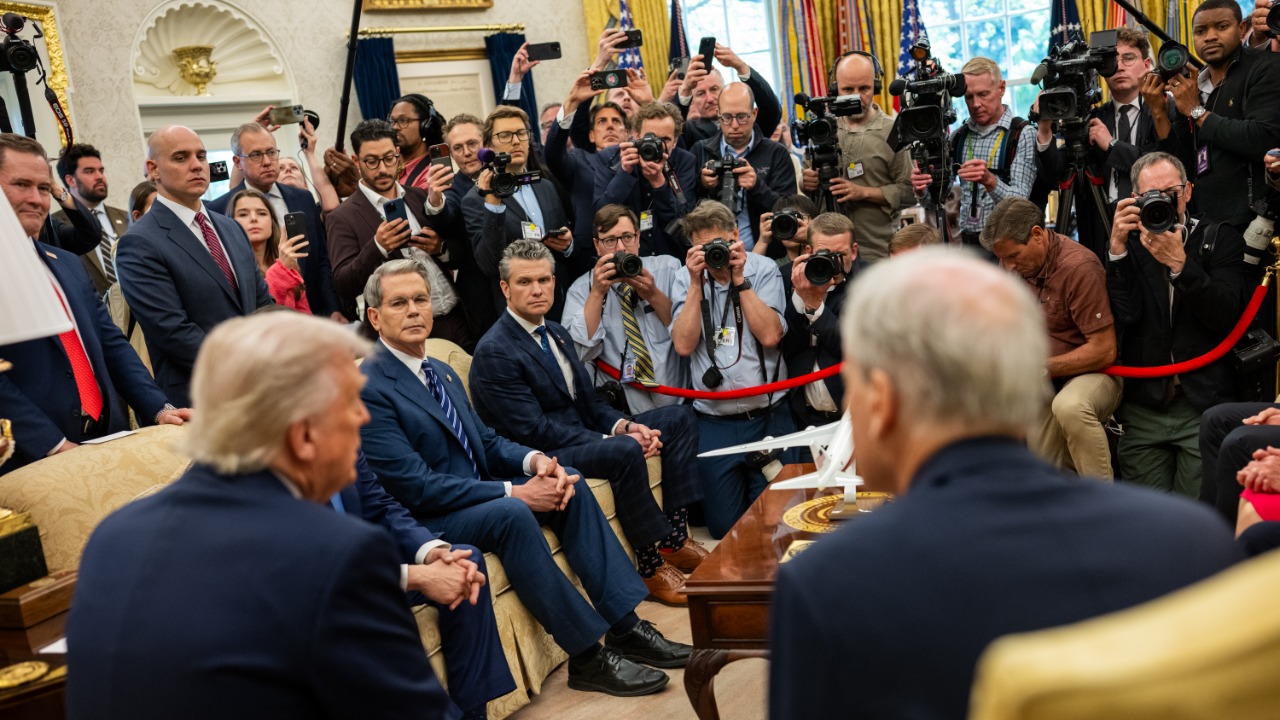
The Trump-Bessent strategy has sparked a spectrum of reactions. Opposition from economists and political figures highlights concerns about the potential destabilization of international relations and the U.S.’s economic standing. Critics argue that such policies might lead to short-term gains at the expense of long-term economic stability and global influence.
Conversely, there is strong support from political allies and economic experts who view this approach as a strategic move towards reducing foreign debt dependency. They argue that by reshaping trade relations and focusing on domestic growth, the U.S. can achieve greater economic resilience. A policy analysis on why the U.S. should negotiate with China underscores the importance of these strategies in strengthening national economic interests.

Grant Mercer covers market dynamics, business trends, and the economic forces driving growth across industries. His analysis connects macro movements with real-world implications for investors, entrepreneurs, and professionals. Through his work at The Daily Overview, Grant helps readers understand how markets function and where opportunities may emerge.

