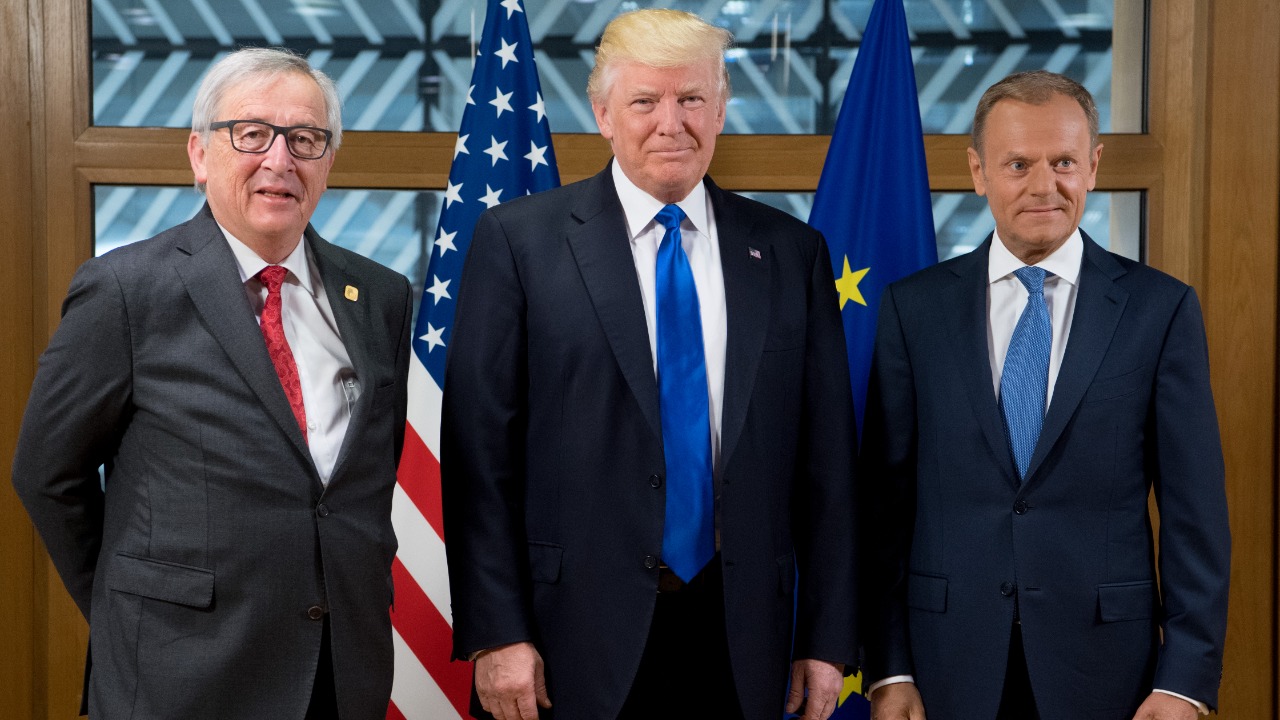
The recent agreement between former President Donald Trump and the European Union to ease trade tariffs marks a significant milestone in international trade relations. The deal aims to dismantle a series of tariffs imposed during Trump’s presidency, fostering a new era of economic cooperation between the United States and the EU. The agreement highlights a potential shift towards renewed economic collaboration, impacting various sectors on both sides of the Atlantic.
The Historical Context of US-EU Trade Relations
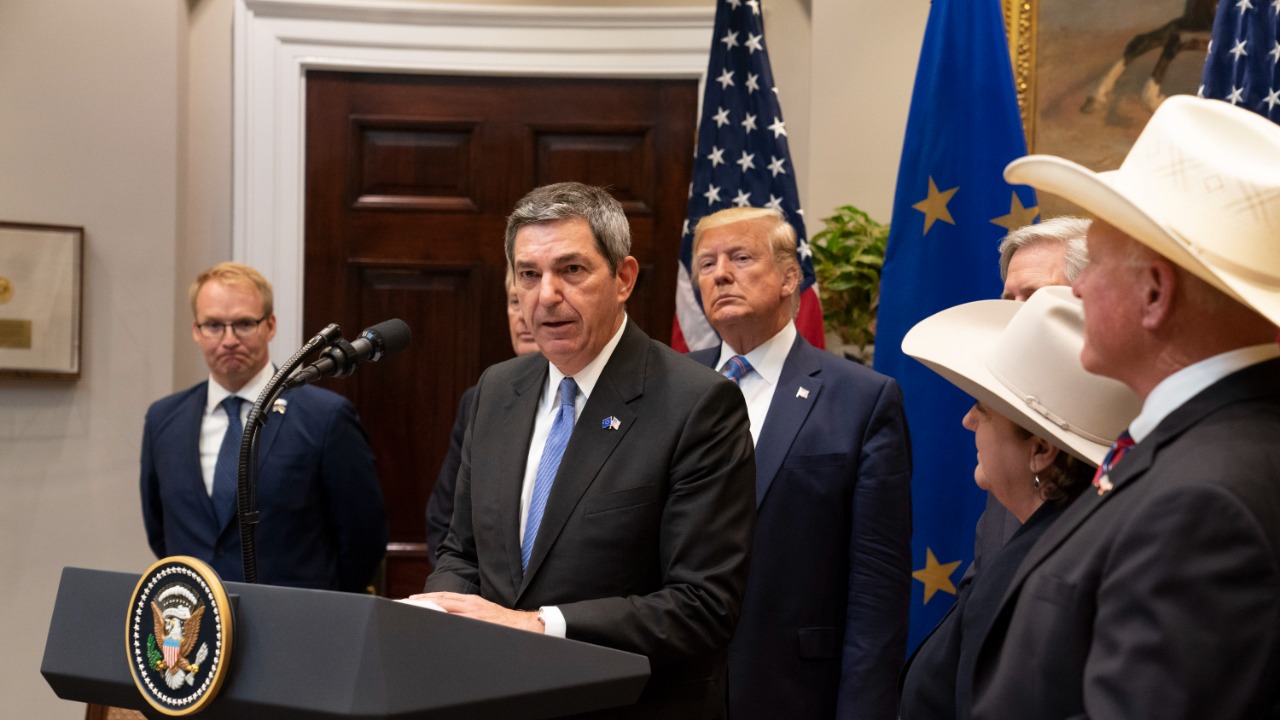
Historically, trade relations between the US and the EU have been riddled with tensions, particularly during Trump’s presidency, when a series of tariffs were imposed on European goods. These measures targeted key sectors such as steel and aluminum, leading to retaliatory tariffs from the EU. This tit-for-tat strategy strained economic relations and added to the geopolitical tension between the two major economies.
International trade agreements have played a crucial role in shaping US-EU economic interactions over the years. While some agreements have successfully facilitated trade, others have fallen short, often due to political and economic disparities. Key figures such as former President Trump and EU leaders like Ursula von der Leyen have been instrumental in navigating these complex negotiations, ensuring that both parties’ interests are considered.
Key Components of the Trump-EU Tariff Deal
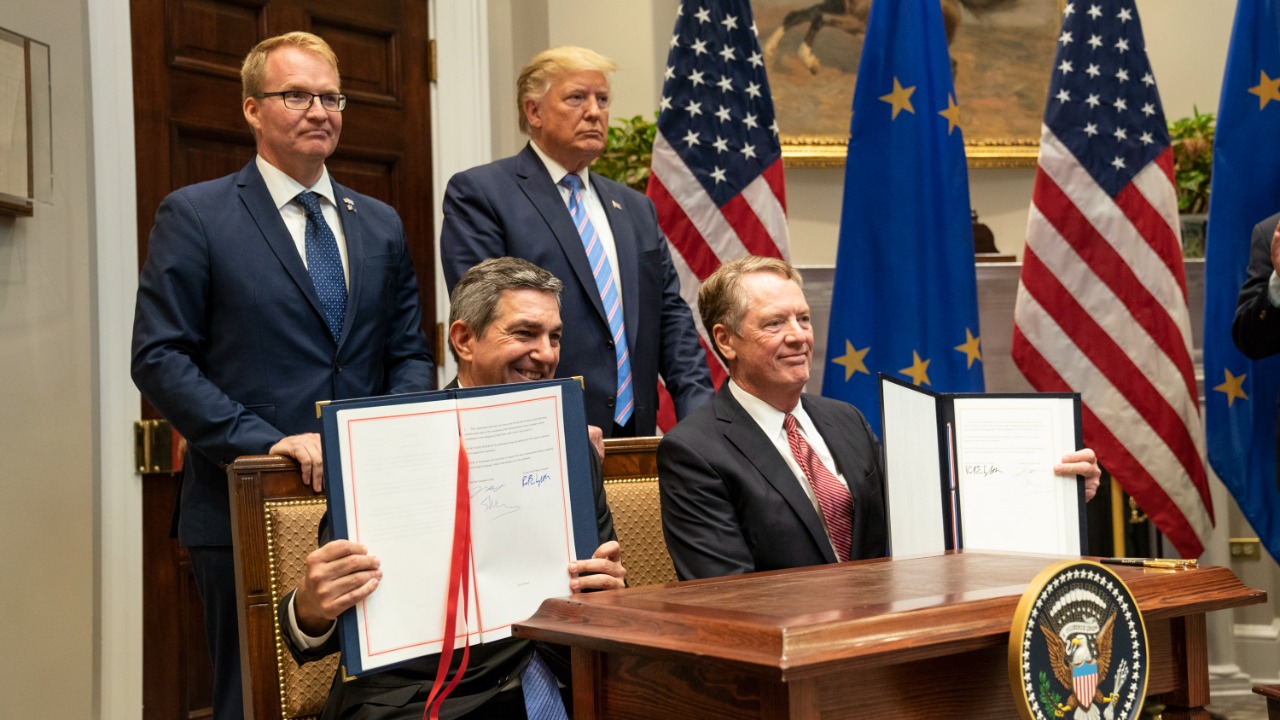
The recent tariff deal includes significant reductions and eliminations in various sectors, notably impacting industries like automotive and agriculture. The agreement aims to alleviate economic burdens previously exacerbated by high tariffs, promoting increased trade flow and economic growth. This move is expected to benefit American farmers and European car manufacturers, among others.
In the short term, the deal is poised to boost specific industries by reducing costs and increasing market access. However, the long-term economic implications remain to be seen, as businesses and economists evaluate the broader impacts. Reactions from various sectors have been largely positive, with business leaders expressing optimism about the potential for increased competitiveness and market opportunities.
Political Dynamics and Negotiation Strategies
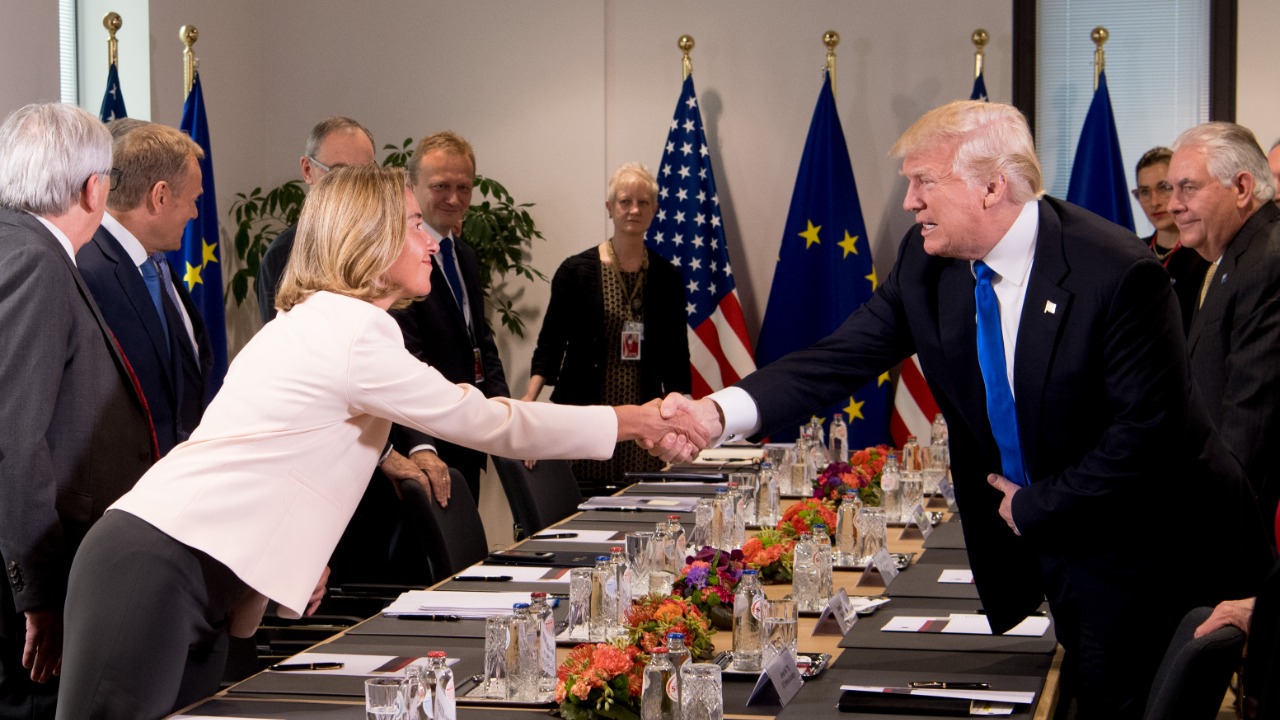
Behind the scenes, the negotiation process involved intricate strategies and compromises from both sides. Diplomacy played a pivotal role in reaching the agreement, with negotiators balancing national interests and international cooperation. The successful resolution of these negotiations highlights the importance of diplomatic channels in international trade relations.
Domestic politics also significantly influenced the deal, with internal pressures in both the US and EU shaping its timing and terms. The agreement reflects a calculated response to political and economic challenges faced by both parties, indicating a strategic alignment that could pave the way for future collaborations.
Global Implications and Future Prospects

On a global scale, this deal is likely to impact other international trade agreements and geopolitical alliances. By addressing long-standing trade issues, the US and EU set a precedent for resolving similar disputes globally. However, potential challenges, such as compliance and enforcement, may arise during implementation, requiring ongoing dialogue and cooperation.
Looking ahead, the future of US-EU trade relations appears promising, with possibilities for further extensions or amendments to the current agreement. As both parties continue to navigate the complexities of international trade, their ability to maintain a cooperative and mutually beneficial relationship will be crucial. The ongoing evolution of these relations will undoubtedly shape the broader economic landscape.

Grant Mercer covers market dynamics, business trends, and the economic forces driving growth across industries. His analysis connects macro movements with real-world implications for investors, entrepreneurs, and professionals. Through his work at The Daily Overview, Grant helps readers understand how markets function and where opportunities may emerge.

