For billionaires, owning a vacation home can seem like a luxurious escape from their high-powered lives. However, the true cost of maintaining such properties extends far beyond the initial purchase price. From ongoing expenses to hidden societal impacts, the real price tag of these opulent retreats can be staggering.
Financial Implications of Ownership

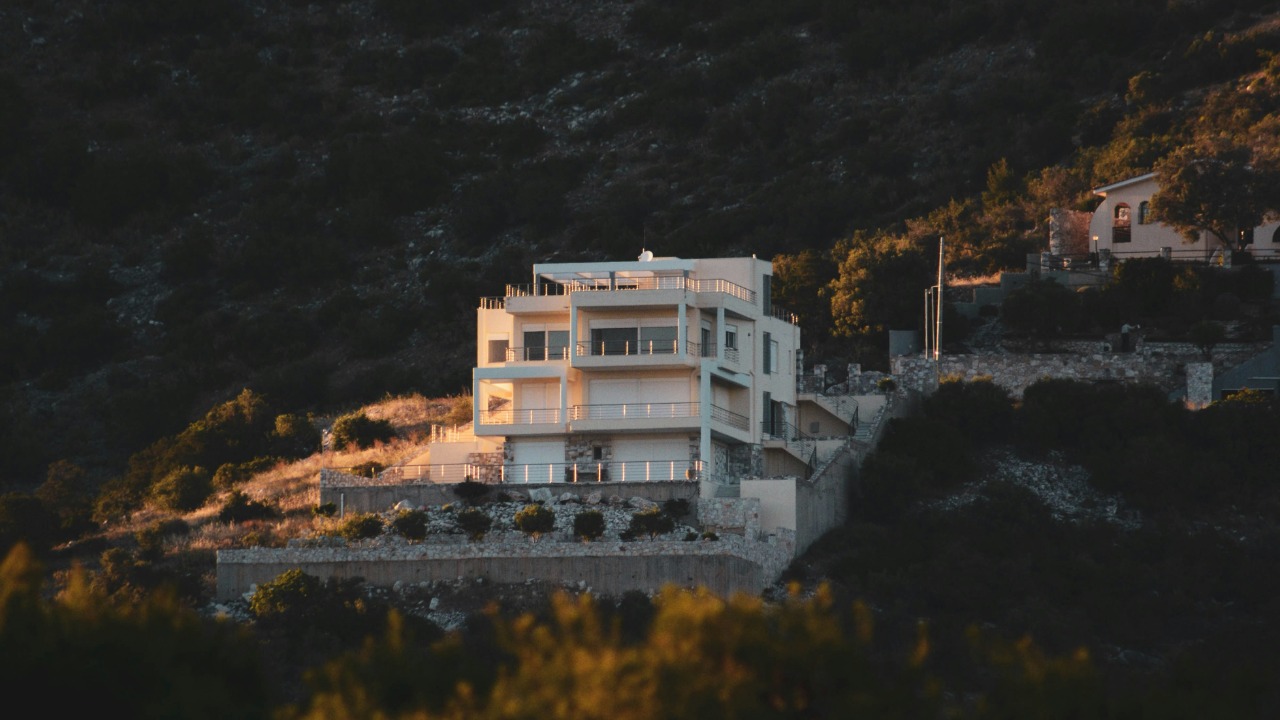
The allure of a vacation home often starts with the initial purchase price, which for billionaires can easily reach tens or even hundreds of millions of dollars. Financing these luxurious retreats usually involves complex financial maneuvers, often relying on substantial liquid assets or leveraging other investments. While the wealthy can afford such upfront costs, it’s worth noting that the purchase price is just the tip of the iceberg.
Maintenance and upkeep expenses are a constant financial drain. Staffing a luxury property involves hiring a team of professionals, from housekeepers and groundskeepers to private chefs and security personnel. Repairs and general upkeep can be exorbitant, particularly for properties located in remote or harsh environments. Furthermore, the cost of property taxes and insurance in exclusive locales adds another layer of financial responsibility. High property taxes reflect the premium value of these properties, while insurance premiums account for risks such as natural disasters, which are prevalent in many scenic areas.
Environmental Impact

The environmental footprint of maintaining a large vacation home is significant. These properties often boast extensive amenities, such as heated pools, sprawling gardens, and climate-controlled wine cellars, all contributing to excessive energy consumption. The carbon footprint of such opulent residences is magnified by their often underused state, as many are occupied only a few weeks per year.
The development of vacation homes can also disrupt local ecosystems and biodiversity. Construction often involves clearing large tracts of land, impacting local flora and fauna. Additionally, water usage for maintaining lush lawns and extravagant water features can strain local resources, particularly in areas prone to drought. Waste management becomes a concern as well, given the extensive waste generated by luxurious lifestyles.
Economic Effects on Local Communities

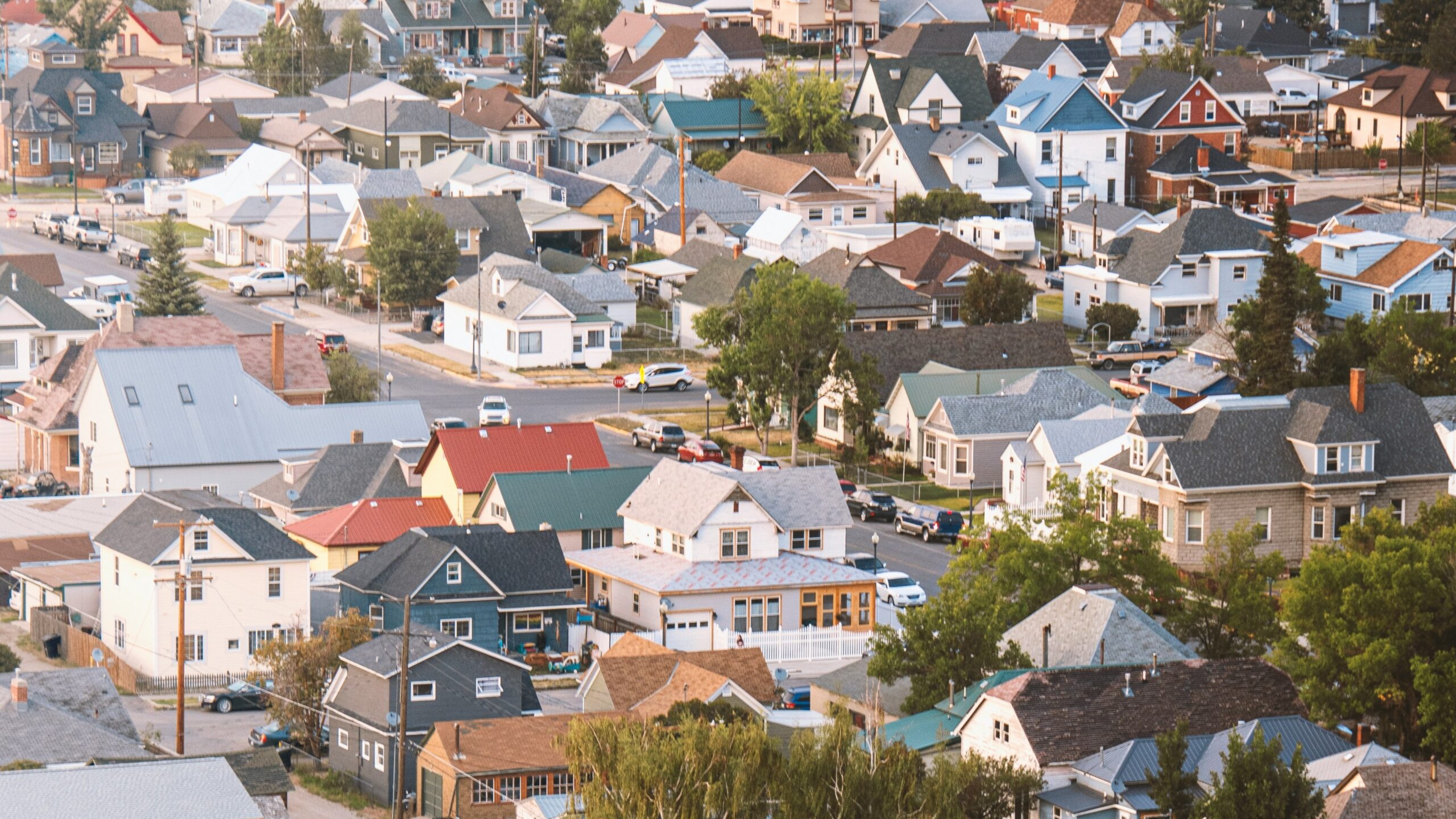
Billionaire-owned properties can significantly distort local real estate markets. As these high-net-worth individuals purchase prime locations, property values in the area can skyrocket, making it difficult for locals to afford housing. This real estate market distortion can drive out long-term residents and alter the community’s demographic makeup.
While the presence of luxury properties can create jobs in construction, hospitality, and maintenance, this economic boost is often offset by the deepening economic disparity. Wealth gaps widen as the local economy becomes increasingly dependent on the seasonal influx of wealthy visitors. Seasonal fluctuations can strain small businesses, which must adapt to periods of high and low demand, impacting their sustainability.
Social and Cultural Consequences
The arrival of billionaire vacationers can significantly alter the social dynamics of small communities. Local traditions and lifestyles may be overshadowed as communities adapt to cater to affluent outsiders. This shift can lead to a loss of cultural heritage, as longstanding customs and practices are replaced by the influence of luxury developments.
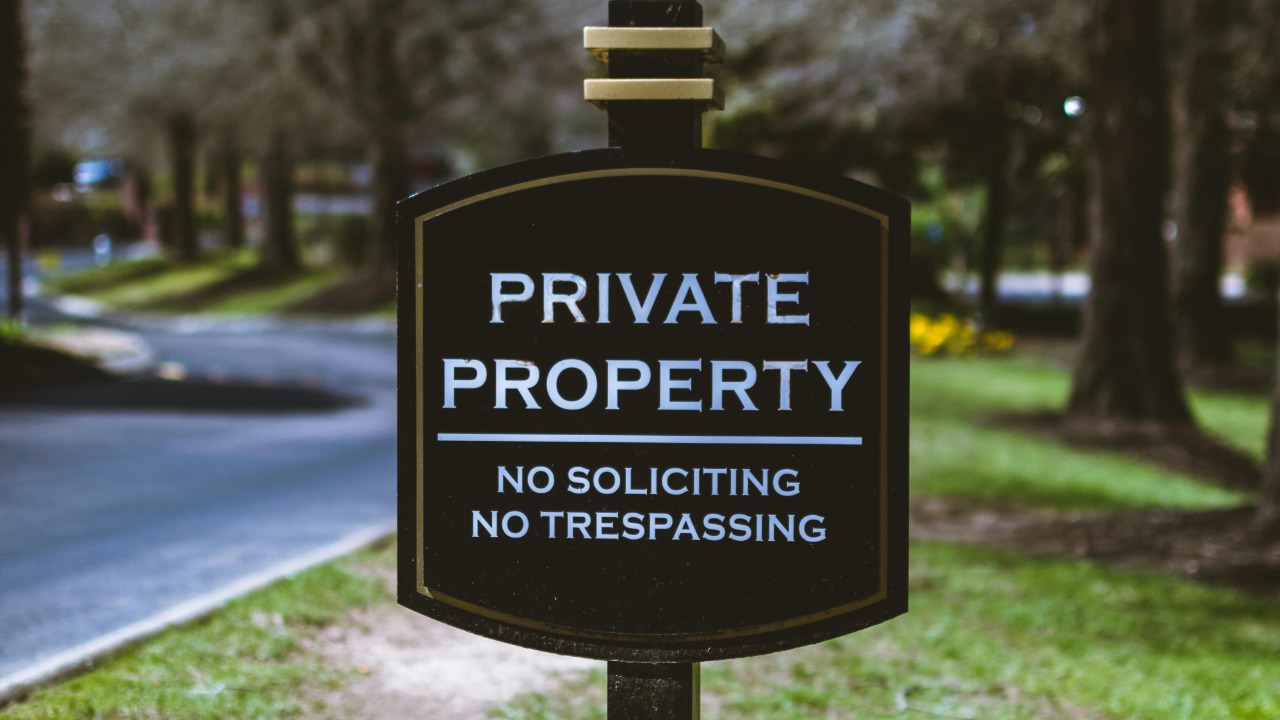
Furthermore, the presence of exclusive properties often leads to privacy and access issues. Natural resources and public spaces that once belonged to the community can become restricted, leading to tensions between new property owners and locals. The perception of gated communities can foster feelings of exclusion and resentment, further dividing communities.
Legal and Ethical Considerations
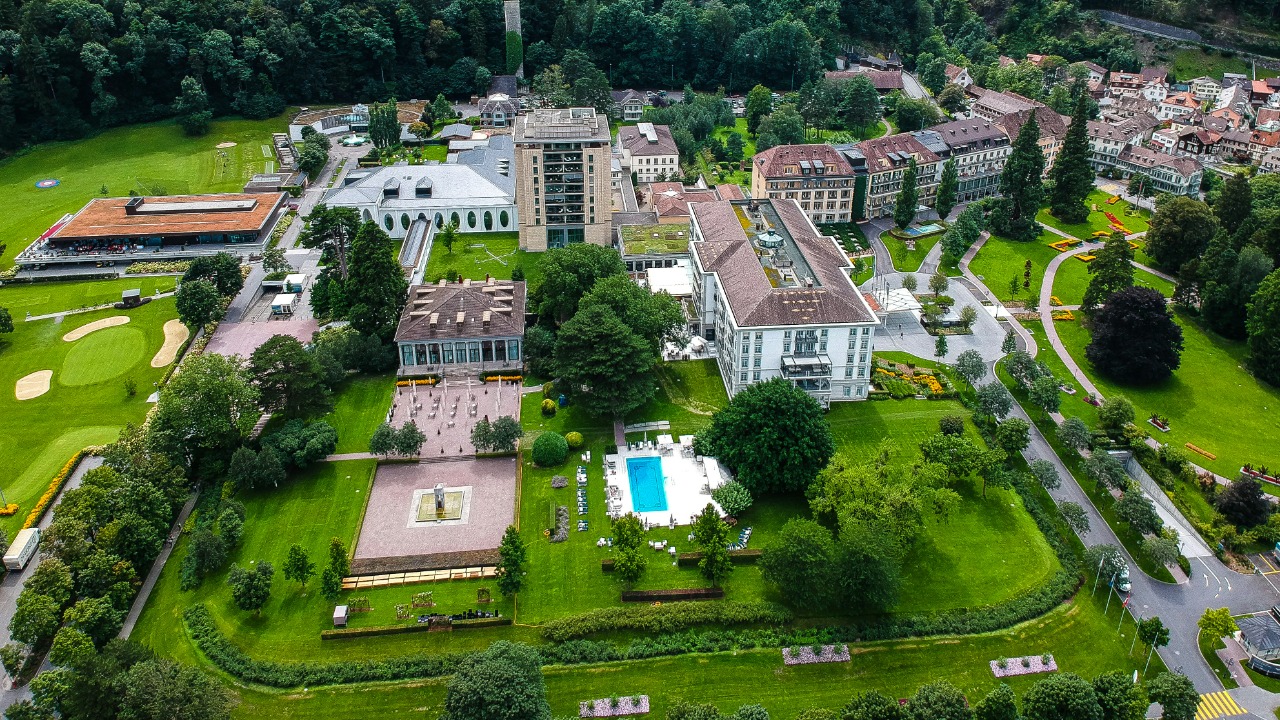
Billionaires often navigate a complex web of zoning and building regulations to build and expand their vacation properties. Their influence can sometimes sway local policies, leading to changes that may not benefit the broader community. Moreover, tax avoidance strategies are not uncommon, as the wealthy utilize legal loopholes to minimize their tax liabilities on luxury properties.
This raises ethical questions about wealth and responsibility. Owning multiple high-value properties in a world of increasing inequality prompts a reflection on the moral implications of such lifestyles. As society grapples with these disparities, the debate over the ethical use of wealth becomes ever more pertinent.

Elias Broderick specializes in residential and commercial real estate, with a focus on market cycles, property fundamentals, and investment strategy. His writing translates complex housing and development trends into clear insights for both new and experienced investors. At The Daily Overview, Elias explores how real estate fits into long-term wealth planning.