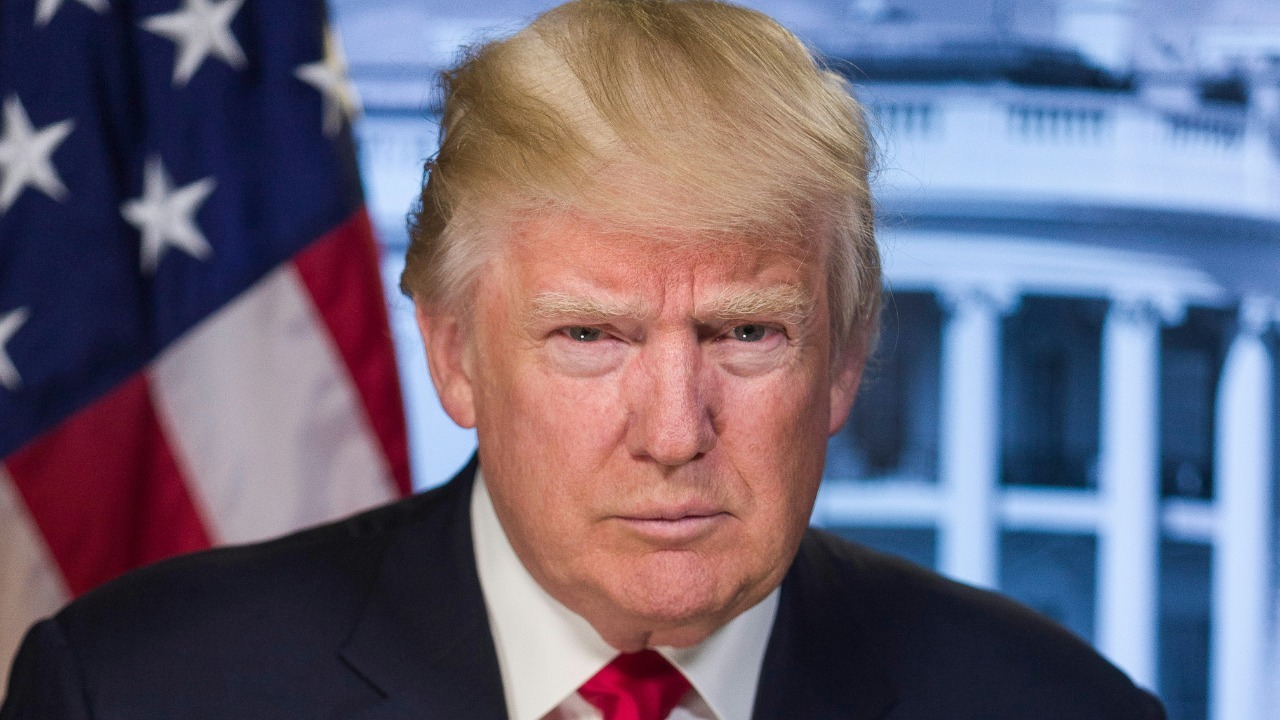
President Donald Trump has proposed a $2,000 “Tariff Stimulus Check” for low- and middle-income Americans, aiming to mitigate the impact of new tariffs on imports. This initiative seeks to provide direct financial relief to households under specific income thresholds, presenting it as an innovative economic stimulus linked to protectionist policies. However, experts caution that the plan may lead to unintended consequences, such as increased consumer prices and broader economic disruptions.
Trump’s Tariff Stimulus Proposal
President Donald Trump recently announced his plan to issue a $2,000 Tariff Stimulus Check to low- and middle-income Americans. This proposal is rooted in the idea of using revenue generated from tariffs on imported goods to fund these checks. The initiative is designed to provide financial relief directly to those who are most affected by the economic shifts caused by tariffs. Trump’s strategy is to use these funds as a form of economic redistribution, aiming to benefit working-class voters who may be feeling the pinch of rising costs due to tariffs. By tying the stimulus directly to tariff revenue, Trump positions this plan as a self-sustaining economic measure that does not require additional federal spending.
The mechanism behind the proposal involves collecting tariffs on imported goods and using this revenue to fund the $2,000 checks for eligible individuals or households. This approach is intended to ensure that the financial burden of tariffs is somewhat alleviated for those who are most vulnerable to price increases. Trump’s rationale for this approach is to create a direct link between the tariffs and the financial relief provided, thereby reinforcing the idea that the tariffs are ultimately beneficial to American workers and consumers. This proposal is part of a broader strategy to appeal to working-class voters by demonstrating tangible benefits from his trade policies.
Eligibility and Distribution Details
The eligibility criteria for receiving the $2,000 Tariff Stimulus Check are focused on low- and middle-income Americans. Specific income brackets will determine who qualifies for the check, ensuring that the aid is targeted towards those who are most likely to be affected by the economic impact of tariffs. The exact income thresholds have not been altered from the original proposal, maintaining a clear focus on supporting those in need. This targeted approach is designed to maximize the effectiveness of the stimulus by directing it towards individuals and families who are most likely to spend the money quickly, thereby stimulating the economy.
Distribution of the checks could follow models used in previous stimulus programs, such as direct deposits or mailed checks. However, this initiative is uniquely funded by tariff proceeds, which presents both opportunities and challenges. One of the logistical challenges is verifying eligibility to ensure that the aid reaches the intended recipients efficiently. This process will require coordination between various government agencies to accurately identify and distribute funds to eligible individuals. The success of this distribution method will be crucial in determining the overall effectiveness of the stimulus plan.
Intended Economic Benefits
The $2,000 Tariff Stimulus Check is expected to boost consumer spending among low- and middle-income Americans, providing immediate relief from rising costs associated with tariffs. By injecting cash directly into the hands of consumers, the plan aims to stimulate economic activity and support domestic growth. This approach is designed to leverage tariff revenue to provide a stimulus without increasing federal deficits, aligning with Trump’s broader economic strategy. The proposal seeks to demonstrate that tariffs can be used as a tool for economic redistribution, benefiting those who are most affected by trade policies.
Past stimulus programs have shown that direct payments to consumers can have short-term positive impacts on household finances. By providing immediate financial relief, these programs can help stabilize consumer spending and support economic recovery. The $2,000 Tariff Stimulus Check is intended to replicate these benefits, providing a financial cushion for those who are struggling with increased costs due to tariffs. This approach is part of a broader effort to use trade policy as a means of supporting domestic economic growth and stability.
Unintended Consequences of the Plan
While the $2,000 checks are intended to provide relief, the tariffs funding them could inadvertently raise prices on everyday imported goods. This price increase could offset the benefits of the stimulus for low- and middle-income Americans, who may find themselves paying more for essential items. The plan’s reliance on tariffs as a funding source introduces the risk of inflationary pressures, which could lead to higher costs that disproportionately affect the same income groups targeted by the checks. This potential outcome highlights the complexity of using tariffs as a tool for economic redistribution.
Additionally, the implementation of broader tariffs could lead to retaliatory trade measures from other countries. Such measures might harm U.S. exporters and create job losses in affected sectors, further complicating the economic landscape. The potential for trade disputes and their impact on the U.S. economy underscores the risks associated with relying on tariffs as a primary funding source for the stimulus. These unintended consequences could undermine the intended benefits of the plan, highlighting the need for careful consideration of the broader economic implications.
Broader Policy Implications
President Donald Trump’s tariff-focused economic strategy is designed to appeal to his political base, but the complexities of the $2,000 check proposal raise questions about its sustainability. The use of volatile tariff revenue for direct payments to low- and middle-income Americans presents challenges in terms of long-term viability. Expert critiques have highlighted the risks associated with relying on tariffs as a funding source, particularly given the potential for economic disruptions and retaliatory trade measures. These concerns underscore the need for a comprehensive approach to economic policy that balances short-term relief with long-term stability.
Alternatives to the proposal, such as tax credits or other relief measures, might avoid the unintended consequences tied to tariffs. These options could provide similar benefits without the associated risks of inflation and trade disputes. By exploring alternative approaches, policymakers can ensure that economic relief efforts are both effective and sustainable, supporting the broader goal of economic growth and stability. The debate over the $2,000 Tariff Stimulus Check highlights the complexities of using trade policy as a tool for economic redistribution, emphasizing the need for a nuanced approach to economic strategy.
More From TheDailyOverview
- Dave Ramsey warns to stop 401(k) contributions
- 11 night jobs you can do from home (not exciting but steady)
- Small U.S. cities ready to boom next
- 19 things boomers should never sell no matter what

Grant Mercer covers market dynamics, business trends, and the economic forces driving growth across industries. His analysis connects macro movements with real-world implications for investors, entrepreneurs, and professionals. Through his work at The Daily Overview, Grant helps readers understand how markets function and where opportunities may emerge.

