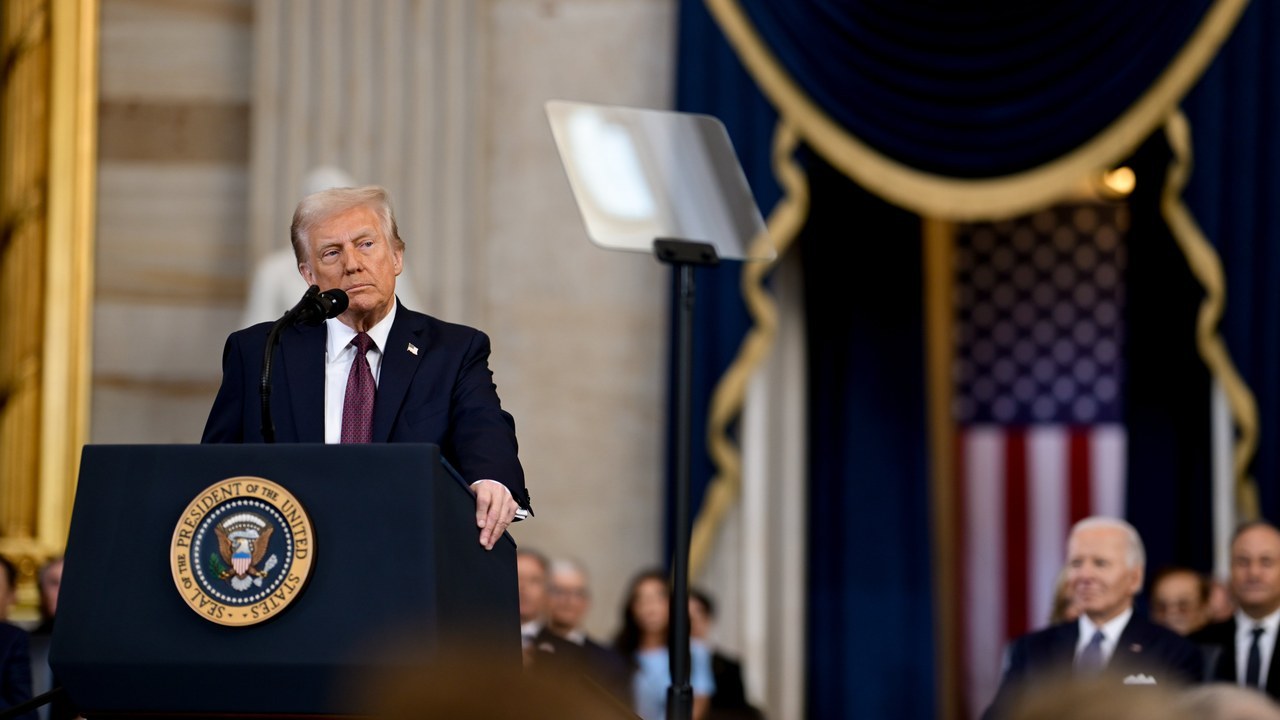
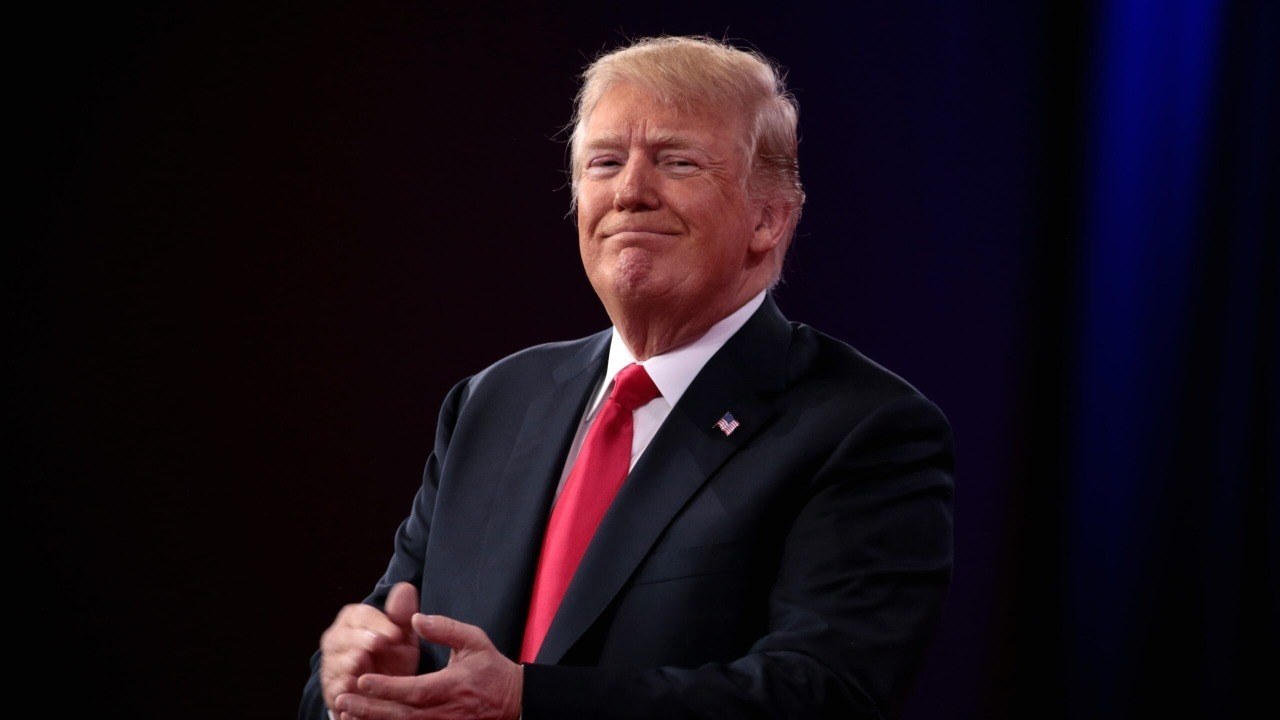
President Donald J. Trump has moved to sharply curtail Wall Street’s role in the nation’s housing market, signing an executive order that targets large investors buying up single family homes. Framed as a defense of the American Dream, the order seeks to stop big financial firms from competing directly with families for starter houses and suburban rentals. It is the most aggressive federal intervention yet in the fast‑growing business of institutional single family rentals.
The move follows a political drumbeat that began earlier this month, when President Trump vowed to ban large investors from scooping up detached houses and promised that his Administration was “taking steps” to make that happen. The new directive does not instantly unwind existing portfolios, but it does aim to choke off future acquisitions and to push federal agencies, regulators and even corporate landlords toward a very different housing landscape.
The executive order and what it actually does
At the center of the shift is a presidential action titled Restrictions on the Sale of Single family homes by the Federal Government, which directs agencies to stop facilitating bulk purchases of houses by large institutional buyers. Within the text, the order instructs officials that, “Within 60 days of the date of this order,” departments must craft rules to keep government‑owned or financed homes from ending up in the hands of a “large institutional investor.” That language gives agencies a tight window to translate the president’s rhetoric into binding policy.
In parallel, the White House released a detailed Fact Sheet that describes how President Donald J. Trump Stops Wall from Competing with Main Street Homebuyers by limiting how many detached houses large firms can buy or hold. The White House presentation stresses that the policy is designed to keep corporate landlords from amassing vast portfolios of single family homes that might otherwise be owned by individual families.
Trump’s populist housing pitch
President Trump has wrapped the order in the language of economic populism, casting it as a way to restore balance between Wall Street and ordinary buyers. In the text of the directive, he writes that “My Administration will take decisive action to stop My Administration will take decisive action to stop Wall Street from treating America‘s neighborhoods like a trading floor and to empower families to pursue the American Dream.” That framing positions the crackdown as a cultural as well as economic intervention, suggesting that homes should be places to live, not just assets to trade.
The White House has reinforced that message through a branded campaign under the banner of The White House initiative titled STOPPING WALL STREET FROM COMPETING with Main Street buyers, underscoring that the policy is meant to resonate with first‑time purchasers rather than investors. That branding dovetails with Trump’s broader message that he is siding with households over financial elites in the fight over scarce housing supply.
How far the “ban” really goes
Despite the tough talk, the new rules stop short of an outright, immediate prohibition on institutional ownership of single family rentals. An Article Summary of the order notes that it does not immediately force big landlords to sell existing portfolios, and instead focuses on curbing future acquisitions and limiting federal support for such deals. Following a Following Jan pledge by Trump to crack down on such investors, the order is best understood as a sweeping framework that will rely on regulators and, potentially, Congress to fill in the details.
Earlier in the month, President Trump had said he would ban large investors from buying single family homes, but even sympathetic analysts noted that “It isn’t clear whether congressional approval would be needed for such a ban.” The executive order now on the books reflects that legal uncertainty, leaning heavily on federal control over financing, tax treatment and agency sales rather than attempting to criminalize private transactions outright.
Wall Street, regulators and the enforcement muscle
The order is explicitly aimed at Wall Street firms that have spent the past decade turning foreclosed houses into sprawling rental empires. The White House has said the directive will bar the federal government from supporting such purchases, cutting off a pipeline of cheap financing and bulk sales that helped fuel the rise of corporate landlords after the last housing crash. By targeting the flow of government‑linked deals, Trump is betting that he can reshape investor behavior without directly seizing or voiding existing contracts.
Enforcement will not rest solely with housing agencies. According to The Blueprint, the order calls on the DOJ and FTC to scrutinize investor behavior in the single family market, signaling that antitrust and consumer‑protection tools could be used against landlords that dominate local neighborhoods. A separate analysis of how Trump moves to curb institutional ownership of single family rentals notes that the executive order signed by Trump is meant to change the incentives for big landlords that have treated scattered houses as a scalable asset class.
Political theater and policy stakes
Trump’s move is also a political bet that voters will reward a visible clash with financiers over housing. In coverage of how Trump pushes for lower rates and a ban on investor home purchases, reporter ALEX VEIGA notes that the president is pairing the crackdown with pressure on interest rates, arguing that cheaper mortgages and fewer investor bids will make homes more affordable. That combination allows Trump to claim he is attacking the problem from both sides of the ledger: financing costs and competition for listings.
At the same time, the administration is careful to present the policy as a measured response rather than a radical experiment. A President Donald briefing emphasizes that the rules are targeted at very large players, not small landlords, and that they are meant to prevent Wall Street from Competing with Main rather than to dismantle the rental market. That nuance will matter for how courts, investors and voters judge the policy in the months ahead.
More From TheDailyOverview
*This article was researched with the help of AI, with human editors creating the final content.

Elias Broderick specializes in residential and commercial real estate, with a focus on market cycles, property fundamentals, and investment strategy. His writing translates complex housing and development trends into clear insights for both new and experienced investors. At The Daily Overview, Elias explores how real estate fits into long-term wealth planning.