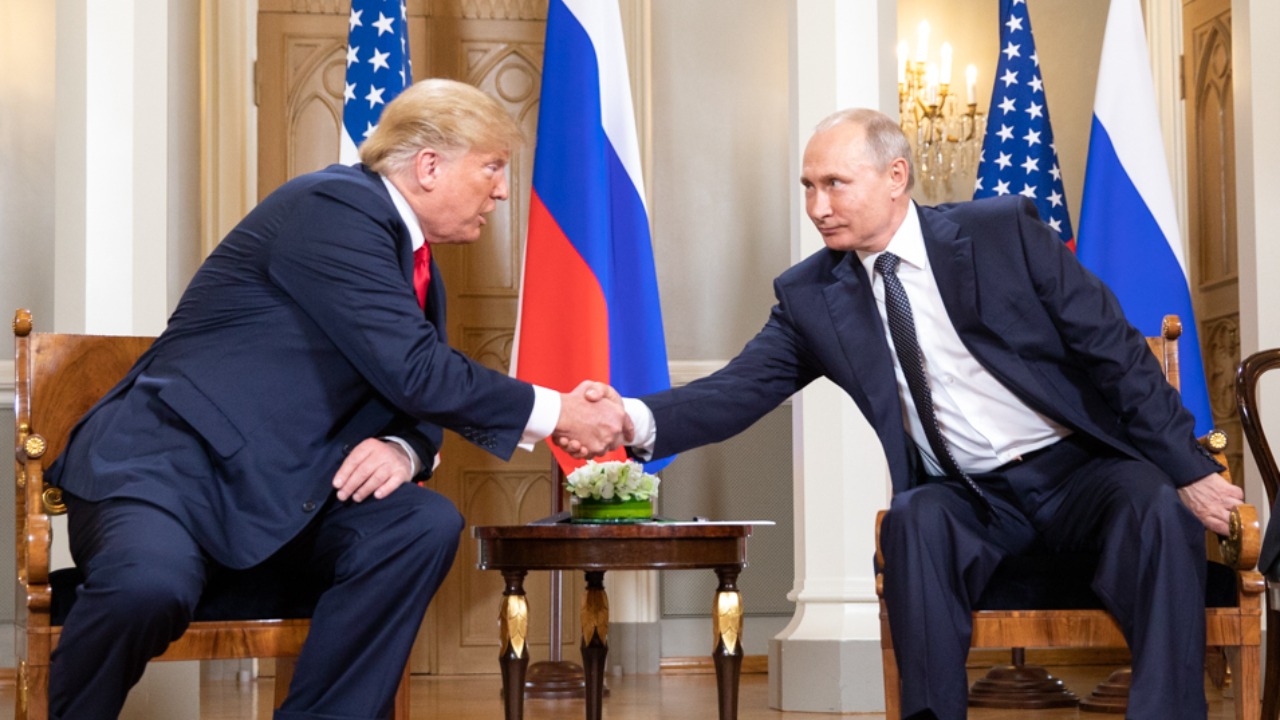
President Trump has imposed significant U.S. oil sanctions by targeting Russia’s two largest oil companies, marking a notable shift in his administration’s stance toward President Putin amid ongoing tensions over Ukraine. This move has prompted warnings from major oil industry leaders about potential disruptions to global supplies, emphasizing the immediate economic impacts. Meanwhile, Trump is considering exempting Hungary’s Prime Minister Viktor Orban from these sanctions, potentially creating exceptions for key allies.
Trump’s Sanctions Announcement Targets Russian Energy Sector
The latest U.S. sanctions against Russia represent a substantial escalation in efforts to pressure President Putin’s regime by targeting the country’s two largest oil giants. These measures aim to significantly disrupt Russia’s energy exports, building on previous restrictions but expanding in scope to exert broader economic pressure. The announcement, made on November 4, 2025, marks a pivotal shift from earlier U.S. policies that were more lenient toward Russian oil, reflecting a strategic change in response to ongoing geopolitical tensions.
By focusing on the energy sector, the sanctions seek to undermine a critical source of revenue for Russia, which relies heavily on oil exports to fund its government and military operations. This approach is designed to weaken Russia’s economic stability and, by extension, its geopolitical influence. The timing of these sanctions is particularly significant, as it coincides with heightened tensions over Russia’s actions in Ukraine, signaling a more aggressive U.S. posture in the region.
Oil Industry Warns of Supply Disruptions
Major oil industry leaders have expressed concerns that the new sanctions will lead to significant disruptions in global energy markets. According to E&E News, CEOs from leading oil companies have warned that curbing Russian oil output could result in supply shortages, which would have ripple effects across the global economy. These industry projections highlight the potential for increased volatility in oil prices, as markets adjust to the reduced availability of Russian oil.
Since the sanctions were announced, there has been noticeable price volatility, reflecting the market’s response to the anticipated supply constraints. This shift marks a departure from the relative stability that characterized the pre-sanction period, underscoring the immediate impact of the U.S. measures on global energy dynamics. The potential for prolonged disruptions raises concerns about the broader economic implications, particularly for countries heavily reliant on Russian oil imports.
Potential Shift in Putin’s Ukraine Strategy
The latest sanctions could compel President Putin to reconsider his strategic objectives in Ukraine, given the significant impact on Russia’s oil revenues. An analysis by Russia Matters suggests that the financial strain imposed by these measures might weaken Putin’s negotiating position, potentially leading to a moderation of his ambitions in the region. By targeting a key source of funding for Russia’s military activities, the U.S. aims to alter the calculus of the Kremlin’s foreign policy decisions.
For Ukraine, the escalation in sanctions represents a potential turning point in its ongoing conflict with Russia. By increasing economic pressure on Moscow, the U.S. hopes to create conditions conducive to a diplomatic resolution. However, the effectiveness of this strategy remains uncertain, as previous sanctions have failed to produce significant changes in Russia’s behavior. The stakes are high for all parties involved, as the outcome could reshape the geopolitical landscape in Eastern Europe.
International Allies Seek Sanctions Exemptions
In a move that could have significant implications for European energy security, President Trump is reportedly considering exempting Hungary’s Prime Minister Viktor Orban from the new Russian oil sanctions. According to The Washington Post, this potential exemption is part of an effort to maintain diplomatic ties with key allies, even as the U.S. seeks to isolate Russia economically. Such a carve-out would allow Hungary to continue receiving Russian oil, mitigating the impact of the sanctions on its energy supply.
The prospect of exemptions raises questions about the consistency of U.S. policy toward its allies and adversaries. While the sanctions aim to pressure Russia, allowing exceptions for certain countries could undermine their overall effectiveness. This approach highlights the complex balancing act faced by the U.S. as it navigates its relationships with European partners while pursuing a more confrontational stance against Russia. The broader geopolitical implications of these decisions will likely shape the future of U.S.-European relations and the global energy landscape.
More From TheDailyOverview
- Dave Ramsey says these two simple questions show whether you’re rich or poor
- Retired But Want To Work? Try These 18 Jobs for Seniors That Pay Weekly
- IRS raises capital gains thresholds for 2026 and what’s new
- 12 ways to make $5,000 fast that actually work

Grant Mercer covers market dynamics, business trends, and the economic forces driving growth across industries. His analysis connects macro movements with real-world implications for investors, entrepreneurs, and professionals. Through his work at The Daily Overview, Grant helps readers understand how markets function and where opportunities may emerge.


