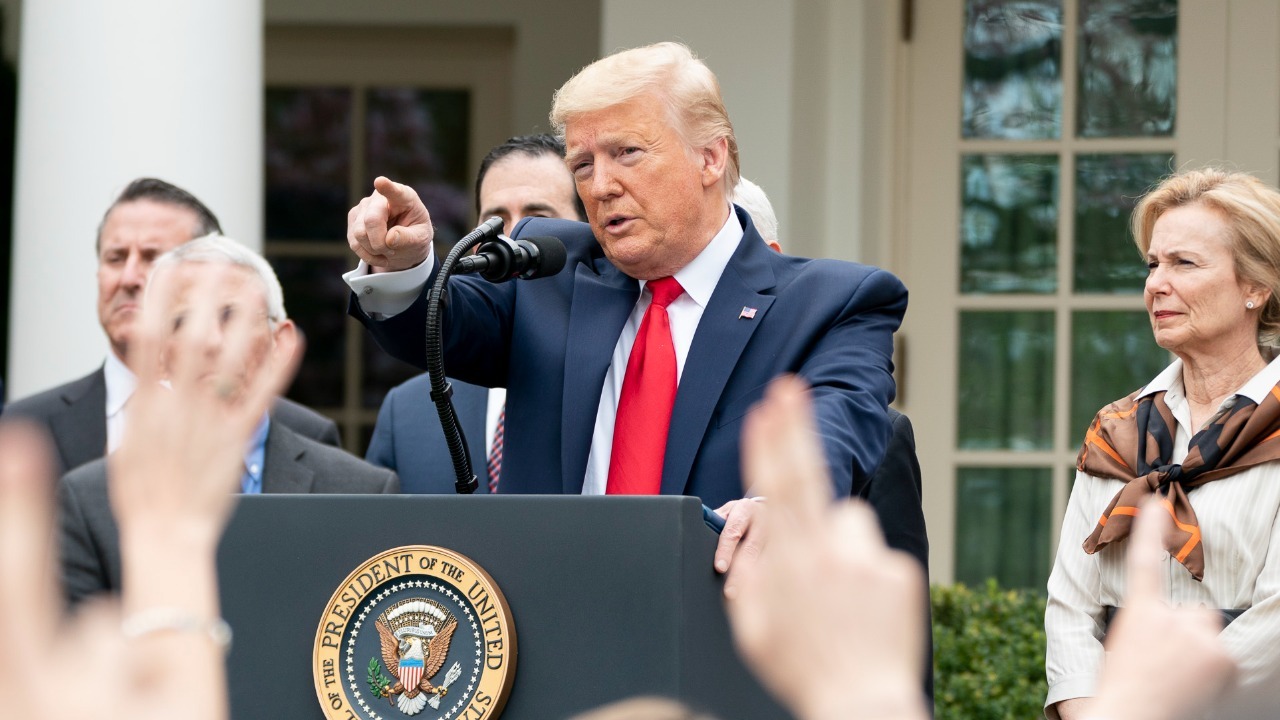
President Donald Trump has once again decided to withdraw the United States from UNESCO, raising questions about his persistent opposition to the organization. This move marks the second time the Trump administration has exited the international agency, citing reasons that resonate with his previous tenure.
Historical Context of US-UNESCO Relations
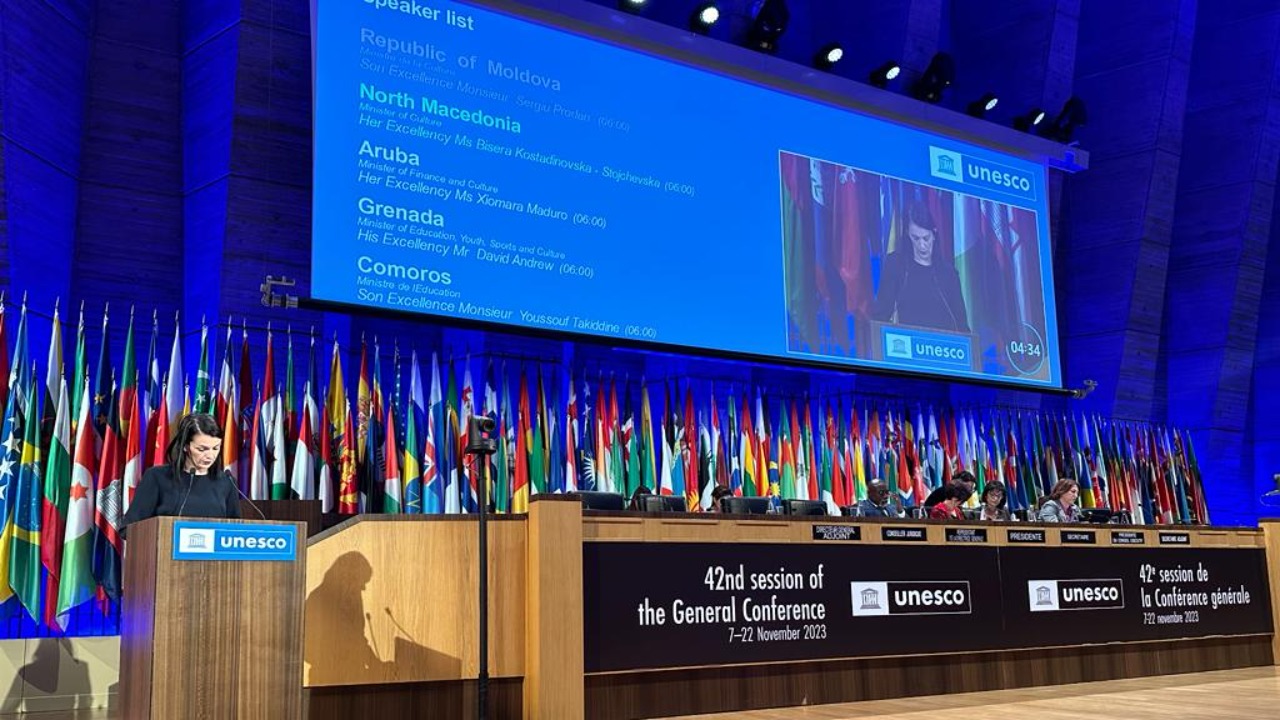
The United States has had a tumultuous relationship with UNESCO over the years. Initially, the U.S. withdrew from the organization in the 1980s, during the Reagan administration, citing concerns over alleged mismanagement and perceived anti-Western bias within the agency. This decision marked a significant turn in the U.S.’s engagement with international organizations focused on cultural and educational initiatives.
In contrast, the Obama administration took steps towards re-engagement with UNESCO, recognizing the importance of the organization’s work in fostering global cooperation in education, science, and culture. The U.S. resumed financial contributions and actively participated in UNESCO’s programs, signaling a renewed commitment to multilateralism. However, this approach faced challenges with the Trump administration’s first exit from UNESCO in 2017, primarily due to the agency’s perceived anti-Israel bias and other political considerations.
Reasons Behind the Latest Withdrawal

The latest withdrawal from UNESCO under the Trump administration is driven by several key factors. One of the most prominent reasons is the allegation of anti-Israel bias within the organization. This has been a consistent point of contention for the U.S., as it views UNESCO’s actions and resolutions as disproportionately critical of Israel, affecting its willingness to remain a member.
Financial considerations also play a significant role in the decision to exit. The Trump administration has consistently expressed concerns about the financial burden that international organizations like UNESCO impose on U.S. taxpayers. Coupled with Trump’s broader skepticism of multilateral organizations and agreements, the decision to withdraw aligns with his administration’s approach to reducing international commitments and focusing on national interests.
Reactions from UNESCO and Global Community

In response to the U.S. withdrawal, Audrey Azoulay, Director-General of UNESCO, expressed disappointment, emphasizing the value of U.S. participation in promoting global education, culture, and science. She highlighted the critical role that the U.S. has traditionally played in UNESCO, urging a reconsideration of the decision.
International reactions have been mixed, with some allies expressing concern over the potential impact on global initiatives. UNESCO member states have called for continued collaboration and dialogue, emphasizing the importance of multilateral engagement in addressing global challenges. The withdrawal raises questions about the future of key cultural and educational projects that rely on U.S. support and leadership.
Implications for US Diplomacy and Global Influence

The decision to withdraw from UNESCO has significant implications for U.S. diplomacy and global influence. By stepping back from the organization, the U.S. risks weakening its cultural diplomacy and soft power, which have been instrumental in promoting American values and interests abroad. The absence of U.S. leadership in UNESCO could lead to a shift in influence towards other global powers, potentially altering the direction of international cultural and educational policies.
Moreover, the withdrawal may affect the U.S.’s ability to effectively cooperate on global issues related to science, education, and cultural heritage. By distancing itself from UNESCO, the U.S. could miss opportunities to collaborate on initiatives that address pressing global challenges, such as climate change, cultural preservation, and educational equity. This decision may also reflect broader trends in U.S. foreign policy, as the country navigates its role in an increasingly interconnected world.
The Path Forward: Possibilities for Re-engagement
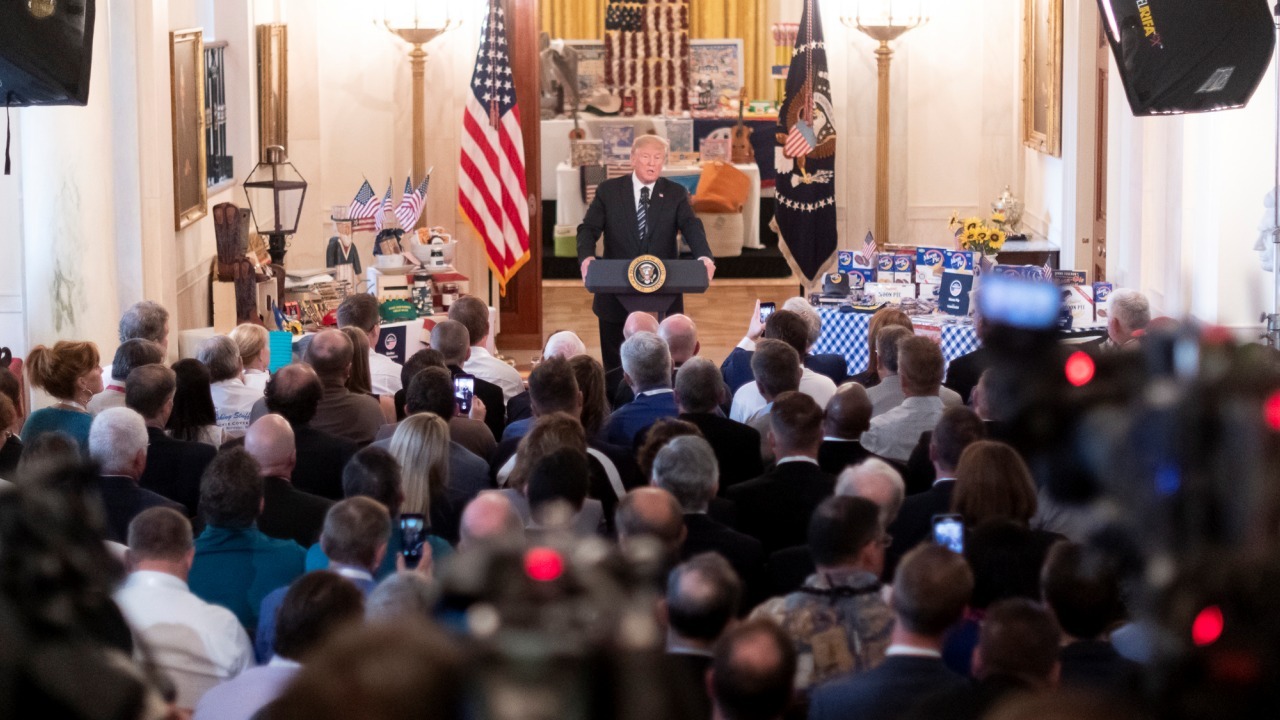
Despite the current withdrawal, there are pathways for the U.S. to rejoin UNESCO under a future administration. Legislative and diplomatic efforts could facilitate a return to the organization, with an emphasis on addressing the concerns that led to the initial withdrawal. Engaging in constructive dialogue with UNESCO and other member states could help rebuild trust and restore U.S. membership.
Domestic political dynamics will also play a crucial role in shaping future policy towards UNESCO. As political leaders weigh the benefits and drawbacks of international engagement, the possibility of rejoining UNESCO could become a topic of discussion in future election cycles. Ultimately, a commitment to multilateralism and global cooperation will be key to determining the U.S.’s future relationship with UNESCO and similar organizations.

Grant Mercer covers market dynamics, business trends, and the economic forces driving growth across industries. His analysis connects macro movements with real-world implications for investors, entrepreneurs, and professionals. Through his work at The Daily Overview, Grant helps readers understand how markets function and where opportunities may emerge.

