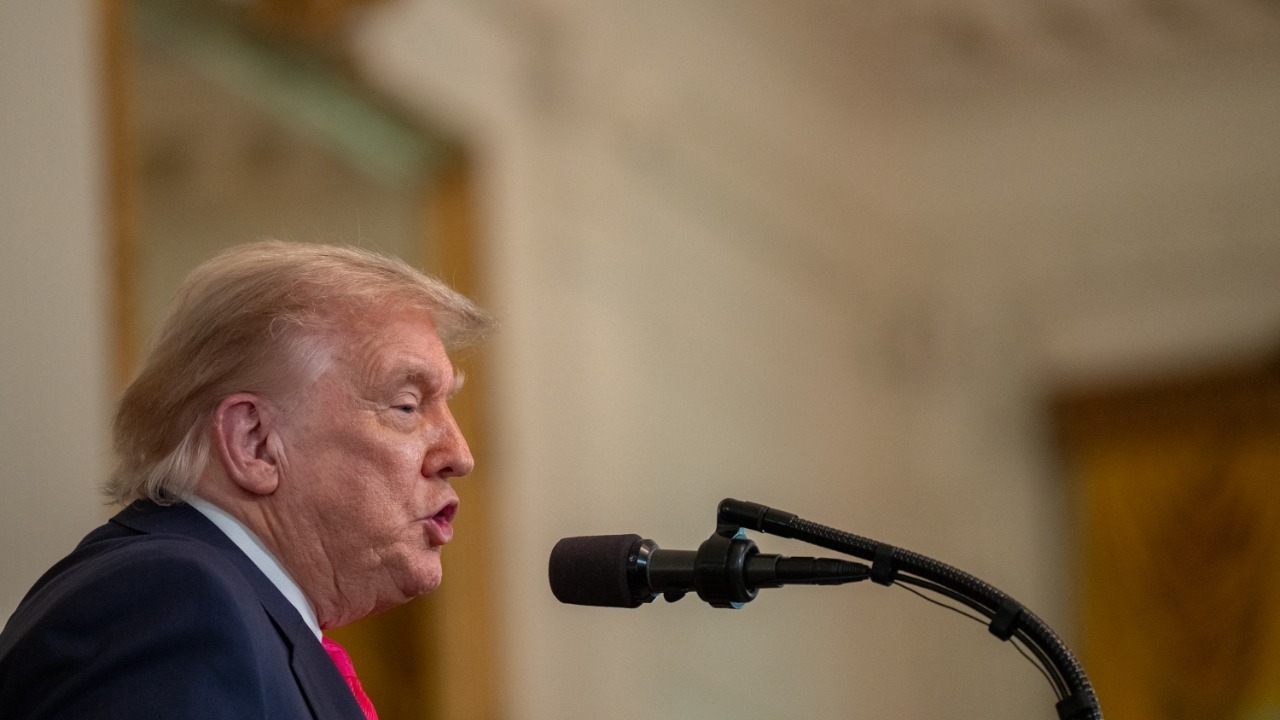
President Donald Trump has turned a simmering dispute with Wall Street into a full‑blown political fight, publicly swiping at JPMorgan Chase Chief Executive Officer Jamie Dimon after the banker warned that a Justice Department probe of Federal Reserve Chair Jerome Powell could damage the economy. The clash pits the White House’s aggressive posture toward the central bank against long‑standing norms of Fed independence, with markets watching to see whether this is a short‑term skirmish or the start of a deeper institutional confrontation.
At the center is the unprecedented criminal investigation into Powell and the Fed, which Trump insists is justified even as prominent financiers and economists argue it risks undermining confidence in monetary policy. By casting Dimon as self‑interested and “wrong,” Trump is signaling that he is prepared to challenge not only the Fed but also some of the most powerful figures in finance who question his approach.
The DOJ’s unprecedented probe of Powell
The Justice Department has launched an investigation into Powell and the Fed that Powell himself has described as without modern precedent for a sitting central bank chief. Powell said late Sunday that the central bank had received grand jury subpoenas from the Department, a step that pulled the Fed directly into a criminal inquiry at the very start of the trading week and raised questions about how monetary policy decisions are being scrutinized by Federal Reserve Chair.
Powell has publicly pushed back as Trump’s DOJ escalates the inquiry, framing it as a threat to the Fed’s ability to set policy free from political pressure. In a televised interview, he responded to questions about the subpoenas and the broader investigation, which The Justice Department has directed at the Fed’s handling of interest rates and its oversight of the financial system, underscoring that the Fed’s mandate is to pursue stable prices and maximum employment, not to serve any administration’s short‑term political goals, even when that administration is led by Trump.
Dimon’s warning and Wall Street’s revolt
Jamie Dimon has emerged as one of the most prominent critics of the probe, warning that targeting Powell could rattle markets and stoke inflation by eroding trust in the Fed’s independence. Earlier Tuesday, Dimon expressed concern that the investigation into Fed Chair Jerome Powell over the cost of the central bank’s policies and their impact on credit card rewards programs could chill the Fed’s willingness to act decisively, especially if officials fear that unpopular moves might trigger more legal scrutiny, a risk he laid out as he spoke about Earlier Tuesday.
Dimon has not been alone. Wall Street’s relationship with the Trump administration is souring as other Bank executives warn the White House that sustained attacks on the Fed and on the credit card industry could harm growth and unsettle investors. In a pointed message delivered on a Tuesday, senior figures argued that undermining Chairman Jerome Powell could harm the economy, with some stressing that Wall Street has long relied on a clear separation between politics and rate‑setting, a separation they see being eroded by Wall Street.
Trump’s counterattack on Dimon
President Trump has responded by going directly after Dimon’s motives, arguing that the JPMorgan boss is defending his own bottom line rather than the broader public interest. In remarks that quickly ricocheted through markets, President Trump lashed out at JPMorgan Chase boss Jamie Dimon on Tuesday, flatly dismissing the Wall Street titan as “wrong” for warning that the DOJ’s Jerome Powell probe could undermine central bank independence and suggesting that Dimon’s stance was driven by self‑interest tied to President Trump.
Trump sharpened that line of attack during a visit to Detroit, where he continued his long‑running criticism of the Fed and Powell while calling for lower interest rates. At one point he suggested that “Jamie Dimon probably wants higher rates. Maybe he makes more that way,” casting the JPMorgan chief as someone who benefits from tighter policy even as borrowers struggle, a jab that came as Trump again pressed Powell to cut rates and argued that the Fed had been a drag on growth, a theme he returned to while speaking about Trump.
Fed independence under pressure
Behind the personal barbs lies a more consequential question: whether the United States is drifting away from the norm that monetary policy should be insulated from day‑to‑day politics. “Everyone we know believes in Fed independence,” Dimon said as he criticized the probe, adding that anything that chips away at that principle is “probably not a great idea,” a warning that echoed through trading desks as investors tried to gauge how far the White House is willing to go in challenging the Fed.
Trump has brushed aside those concerns, insisting that the investigation does not undermine central bank independence and instead reflects legitimate questions about how Powell has handled interest rates and bank regulation. In public comments, U.S. President Donald Trump pushed back on the idea that the DOJ inquiry chips away at the Fed’s autonomy, arguing that no official, including the Fed chair, is above scrutiny and that the administration will act accordingly if it finds wrongdoing, a stance that has left Powell and his colleagues trying to reassure markets that policy decisions remain grounded in economic data rather than in pressure from Federal.
Politics, credit cards and the stakes for consumers
The fight is not only about institutional turf; it is also about money flowing through household wallets and bank balance sheets. Chase CEO Jamie Dimon has already slammed the Trump administration’s move to investigate Powell, warning that the effort, combined with proposed crackdowns on credit card fees and rewards, could backfire by raising borrowing costs and reducing consumer perks, a concern he voiced as he argued that undermining the Fed while simultaneously targeting card programs is not a good idea for an economy where James Franey reported that 36.
Trump, for his part, has framed the confrontation as a populist push to cut costs for ordinary Americans and rein in what he portrays as an overmighty financial establishment. In a televised exchange, President Donald Trump said JPMorgan Chase Chief Executive Officer Jamie Dimon was “wrong” to suggest he was undermining the Fed, arguing instead that his administration is standing up to banks that he says extract billions from consumers through fees and high rates, a message he delivered while defending the DOJ probe and his broader campaign against the Chase.
More From The Daily Overview

Silas Redman writes about the structure of modern banking, financial regulations, and the rules that govern money movement. His work examines how institutions, policies, and compliance frameworks affect individuals and businesses alike. At The Daily Overview, Silas aims to help readers better understand the systems operating behind everyday financial decisions.

