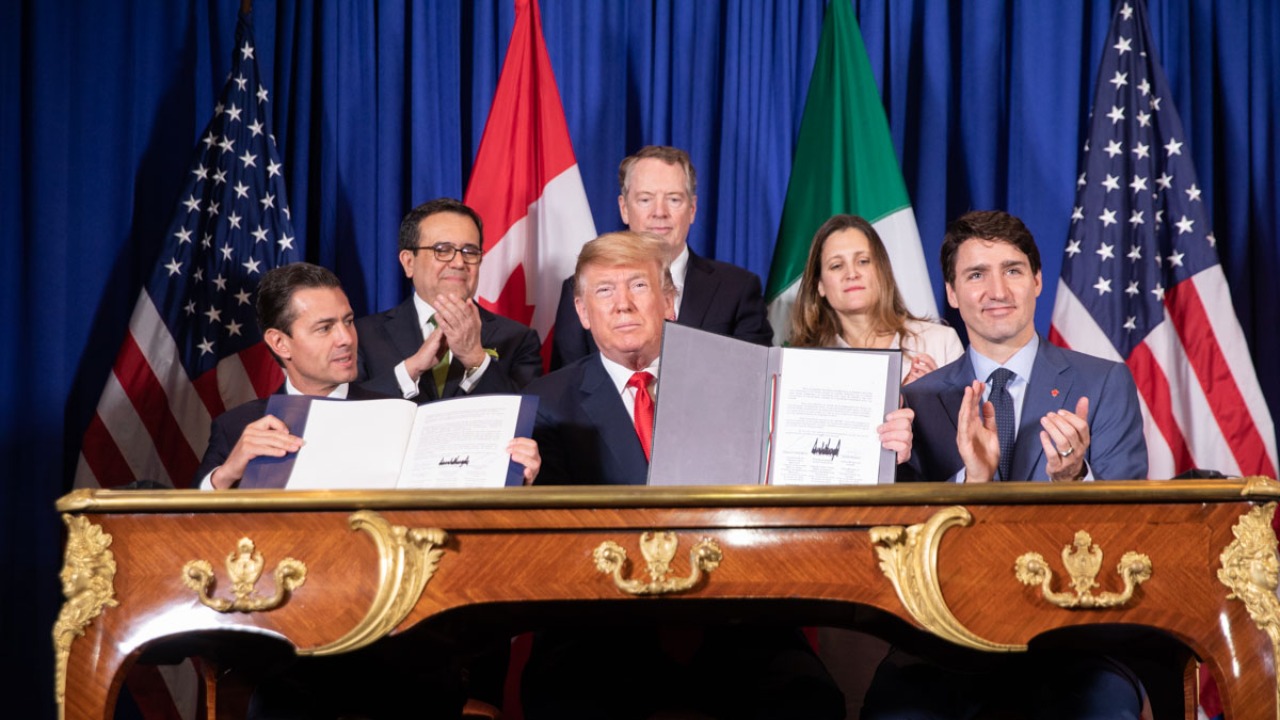
In a significant development in international trade relations, U.S. President Donald Trump announced a 90-day extension for Mexico to finalize a trade agreement. This decision highlights ongoing negotiations and the complexities involved in U.S.-Mexico economic interactions. The extension provides both nations with additional time to address critical issues and solidify terms beneficial to both sides.
The Background of U.S.-Mexico Trade Relations
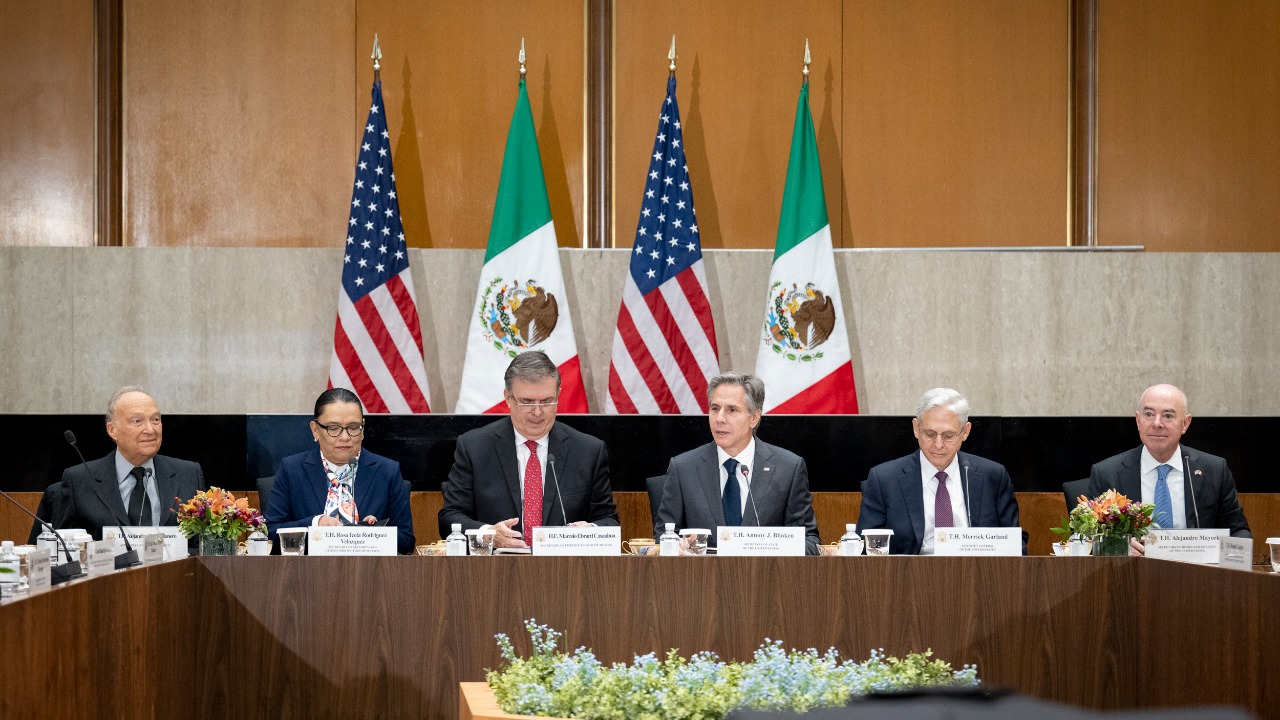
The trade relationship between the United States and Mexico has been marked by both cooperation and contention over the decades. Initially shaped by the North American Free Trade Agreement (NAFTA), the relationship evolved into the United States-Mexico-Canada Agreement (USMCA), an accord that aimed to modernize trade terms for the 21st century. The transition from NAFTA to USMCA addressed various issues, including labor rights and environmental concerns, reflecting the changing dynamics of globalization and regional trade.
Key trade issues continue to drive negotiations, notably tariffs and trade imbalances. During Trump’s presidency, tariffs were frequently used as a tool to renegotiate terms perceived as unfavorable to the U.S. For instance, in 2018, the U.S. imposed tariffs on Mexican steel and aluminum, sparking retaliatory measures. Additionally, migration policies have often intersected with trade discussions, further complicating the bilateral relationship. The migration issue became a significant factor during Trump’s tenure, as his administration linked immigration control to trade negotiations.
The 90-Day Extension: Implications and Expectations
The announcement of a 90-day extension for Mexico to finalize a trade deal with the U.S. suggests multiple underlying factors. Primarily, it may indicate that both countries require more time to iron out unresolved issues, particularly those related to labor rights and environmental standards. Additionally, the extension could be a strategic move to align the agreement with domestic political agendas in both nations. For the U.S., the extension could provide additional leverage to secure more favorable terms, while Mexico may use the time to build consensus domestically.
Expectations from both nations during this extended period are high. The U.S. aims to address trade deficits and ensure stronger enforcement of labor provisions, while Mexico seeks to maintain favorable access to the American market. Domestic politics in both countries play a crucial role in shaping negotiations. In the U.S., political leaders may use the extension to rally support among constituents who are affected by trade policy changes. Meanwhile, in Mexico, President Andrés Manuel López Obrador faces pressure to secure a deal that safeguards economic stability and growth.
Economic Impacts of the Trade Deal Delay

The delay in finalizing the trade deal has significant short-term economic implications, particularly for industries that are heavily reliant on U.S.-Mexico trade. Sectors such as agriculture and manufacturing are closely watching developments, as any disruption could impact supply chains and revenue. For instance, American farmers who export produce to Mexico could face uncertainty, potentially affecting pricing and market access.
In the long term, the successful negotiation of a trade deal could bolster economic growth in both countries by providing stability and strengthening bilateral ties. Conversely, if talks falter, it could lead to increased tariffs and trade barriers, adversely impacting industries and consumers. Market stability and investor confidence are also at stake, as businesses seek clarity on future trade terms to make informed investment decisions.
Stakeholder Reactions and Insights
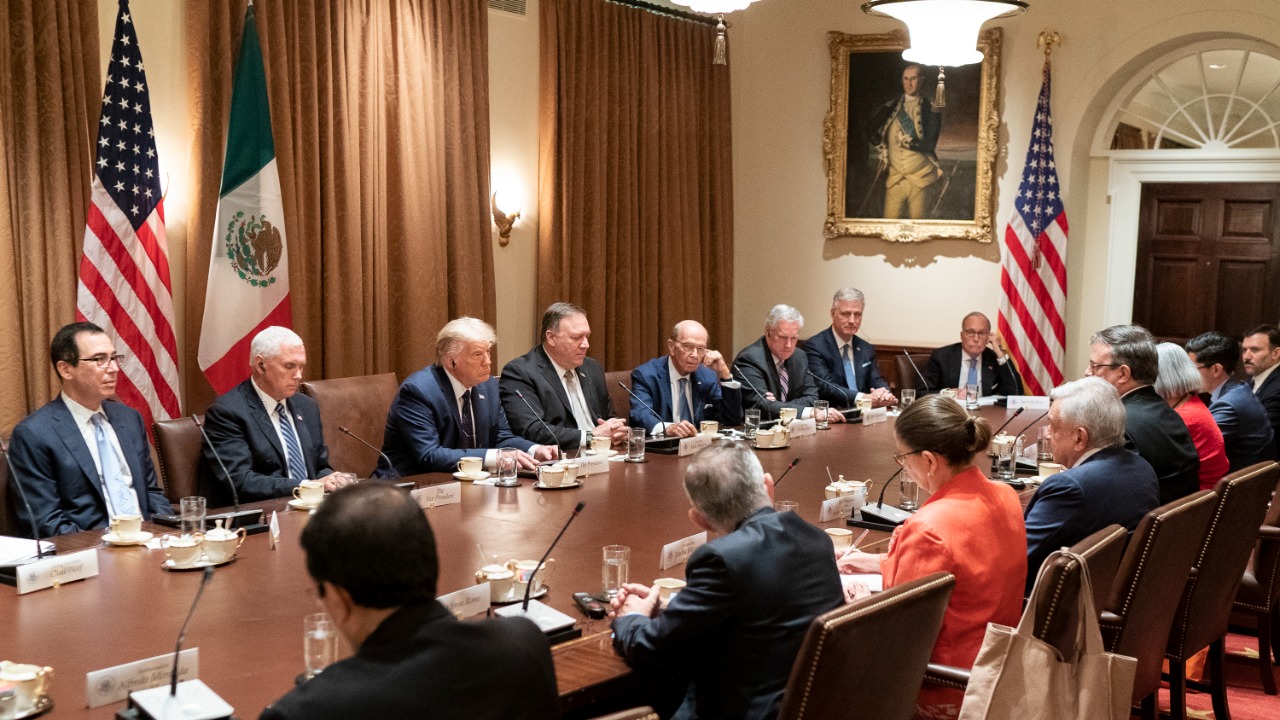
Reactions to the 90-day extension are varied among stakeholders. Government officials in both countries have expressed cautious optimism, emphasizing the importance of reaching a mutually beneficial agreement. Business leaders, particularly those in the automotive and agricultural sectors, are keenly interested in the outcomes, as the trade deal could significantly impact their operations and profitability.
Public opinion in both the U.S. and Mexico reflects a mix of anticipation and concern. In the U.S., there is interest in how the deal could affect job creation and economic growth, while in Mexico, citizens are closely monitoring how the agreement might influence economic stability and labor rights. Economic analysts provide insights into potential outcomes, suggesting that a comprehensive deal could enhance regional competitiveness and strengthen economic resilience.
The Road Ahead: Future of U.S.-Mexico Trade Relations
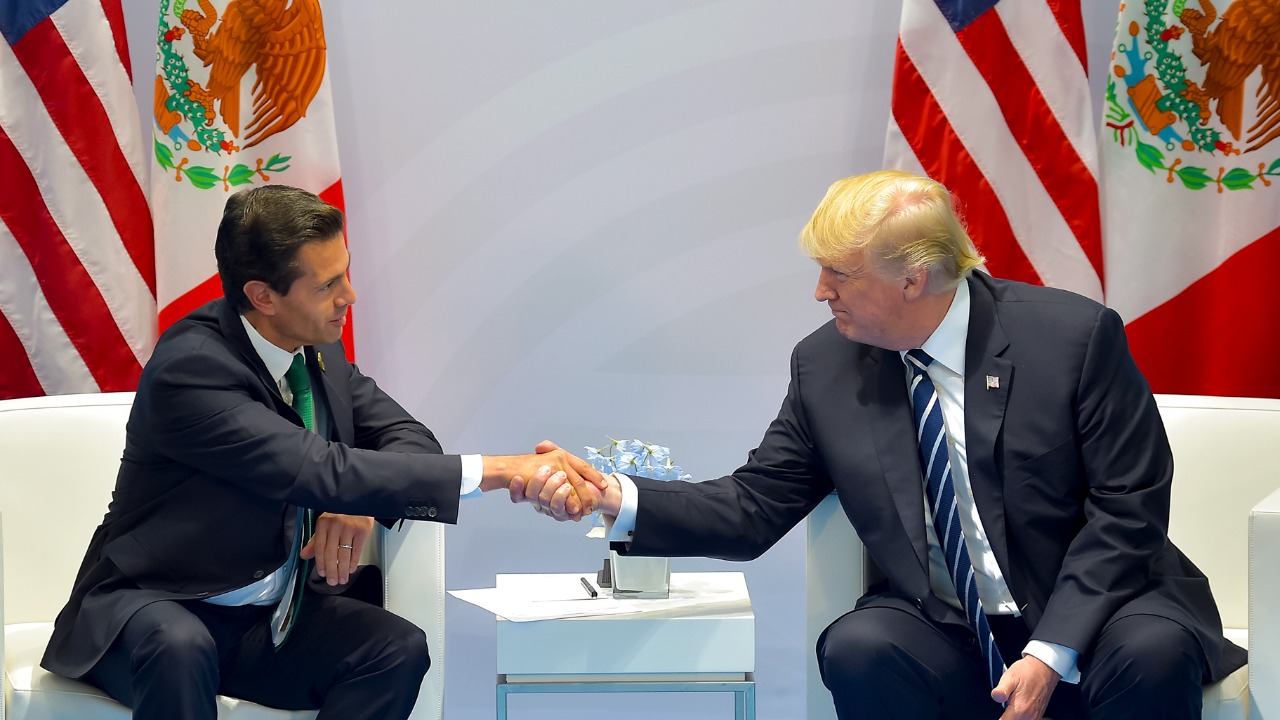
As the 90-day extension unfolds, various scenarios could emerge for the future of U.S.-Mexico trade relations. A successful deal finalization would likely lead to enhanced economic collaboration and greater integration of supply chains. However, further delays could result in heightened tensions and potential trade disputes. The broader geopolitical implications for North American trade and global trade dynamics are also noteworthy, as the U.S. and Mexico seek to maintain their competitive edge in the face of rising global competition.
Strategic considerations for future collaborations between the U.S. and Mexico extend beyond trade. Opportunities for partnerships in areas such as infrastructure development and technology innovation could pave the way for strengthened bilateral relations. As both nations navigate these complex negotiations, the focus remains on achieving outcomes that benefit their economies and societies. The road ahead will require careful diplomacy, strategic foresight, and a commitment to fostering a prosperous and cooperative regional future.

Grant Mercer covers market dynamics, business trends, and the economic forces driving growth across industries. His analysis connects macro movements with real-world implications for investors, entrepreneurs, and professionals. Through his work at The Daily Overview, Grant helps readers understand how markets function and where opportunities may emerge.

