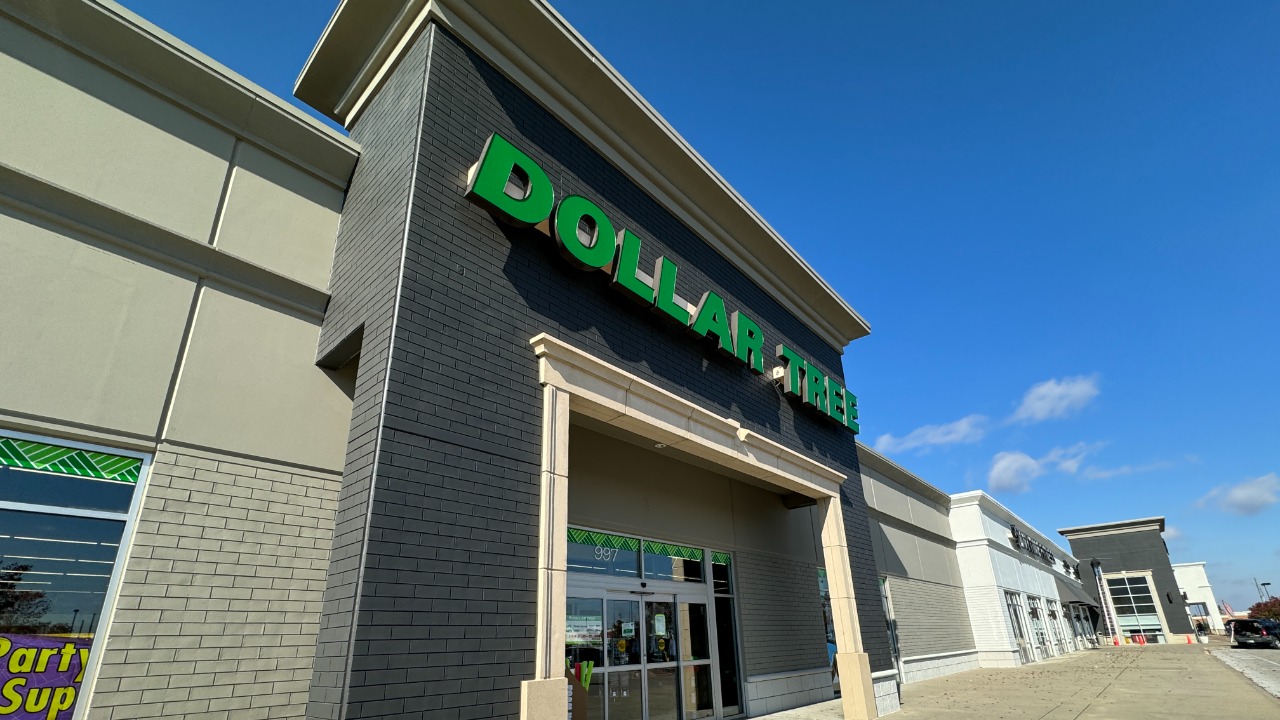
Dollar Tree’s recent shift in pricing strategy has ignited a storm of discontent among its loyal customer base. Traditionally known for its commitment to offering products at the fixed price of one dollar, the company’s decision to introduce higher price points has left many shoppers feeling alienated and frustrated. The reasons behind the change, customer backlash, and potential implications for the discount retail giant are explored in detail.
The New Pricing Strategy
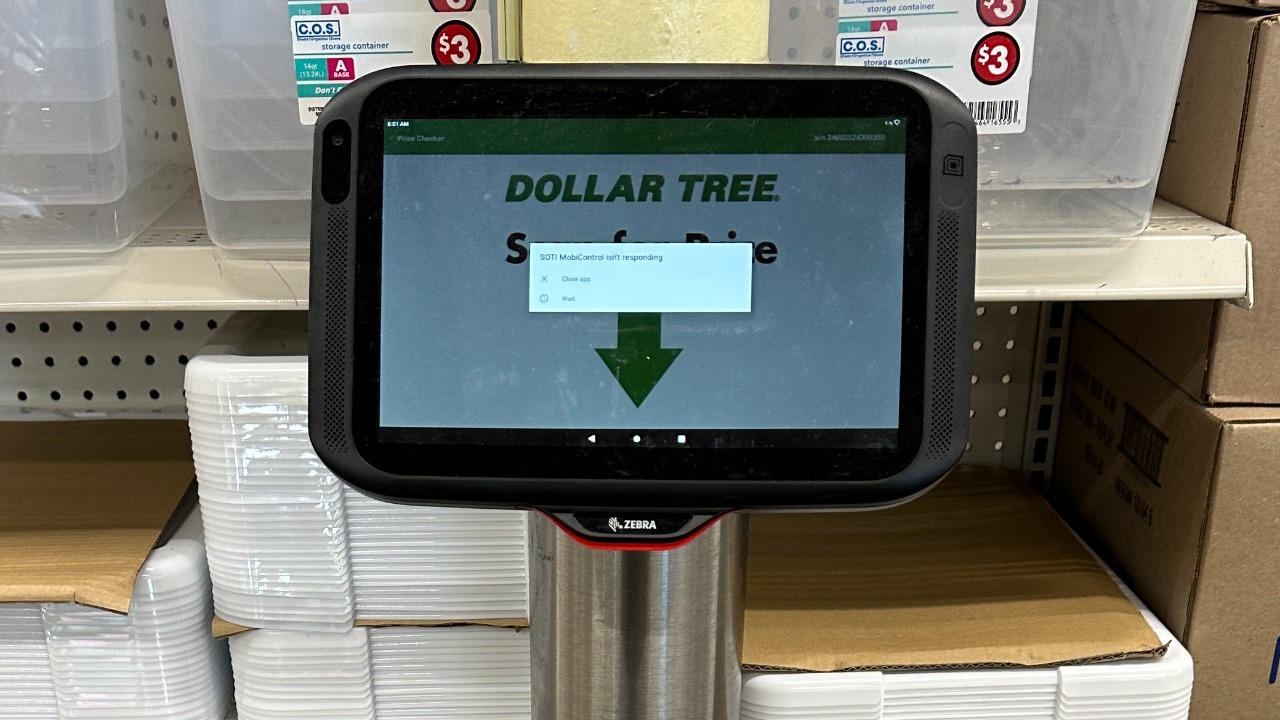
Dollar Tree, a staple in the discount retail market, has long been synonymous with its unwavering commitment to the one-dollar price point. However, the company has made significant changes to its pricing strategy, introducing new price points above the traditional dollar mark. This shift includes items priced at $1.25, $1.50, and even up to $5 in some locations. The goal behind these adjustments appears to be to offer a wider range of products with varying quality and features, a move that the company believes will attract a broader customer base.
Several factors have prompted Dollar Tree to deviate from its longstanding pricing model. Inflation has played a significant role, as the cost of goods and services continues to rise, placing pressure on the company’s profit margins. Additionally, ongoing supply chain challenges have increased operational costs, making it difficult to maintain the one-dollar price point. By introducing higher price points, Dollar Tree aims to offset these financial pressures while still providing value to its customers.
When comparing Dollar Tree’s new strategy with its competitors, it becomes evident that the company is aligning itself more closely with discount retailers like Dollar General and Family Dollar, both of which have long offered products at various price points. This move allows Dollar Tree to remain competitive in the discount retail market while adapting to the economic realities that affect all retailers.
Customer Reactions

The pricing changes have sparked a significant backlash among Dollar Tree’s customer base, particularly on social media platforms like X.com. Many customers have expressed their dissatisfaction, arguing that the company’s new pricing model goes against its core identity. One post lamented the loss of the “true Dollar Tree experience,” while another questioned whether the company could still justify its name.
In-store feedback has been equally telling. Customers and employees have shared mixed reactions, with some expressing frustration over the changes and others understanding the economic pressures that necessitate them. Many loyal shoppers are concerned about how these adjustments will affect their shopping habits, as they have come to rely on Dollar Tree for affordable essentials. Employees have also voiced concerns about the potential impact on store traffic and customer interactions, fearing that dissatisfaction could lead to a decline in customer visits.
The impact on customer loyalty is a critical aspect of this pricing shift. While some customers may continue to shop at Dollar Tree despite the changes, others may seek alternatives that better align with their budgetary constraints. This shift in loyalty could have long-term implications for the company, affecting its sales and market position.
Economic and Industry Implications
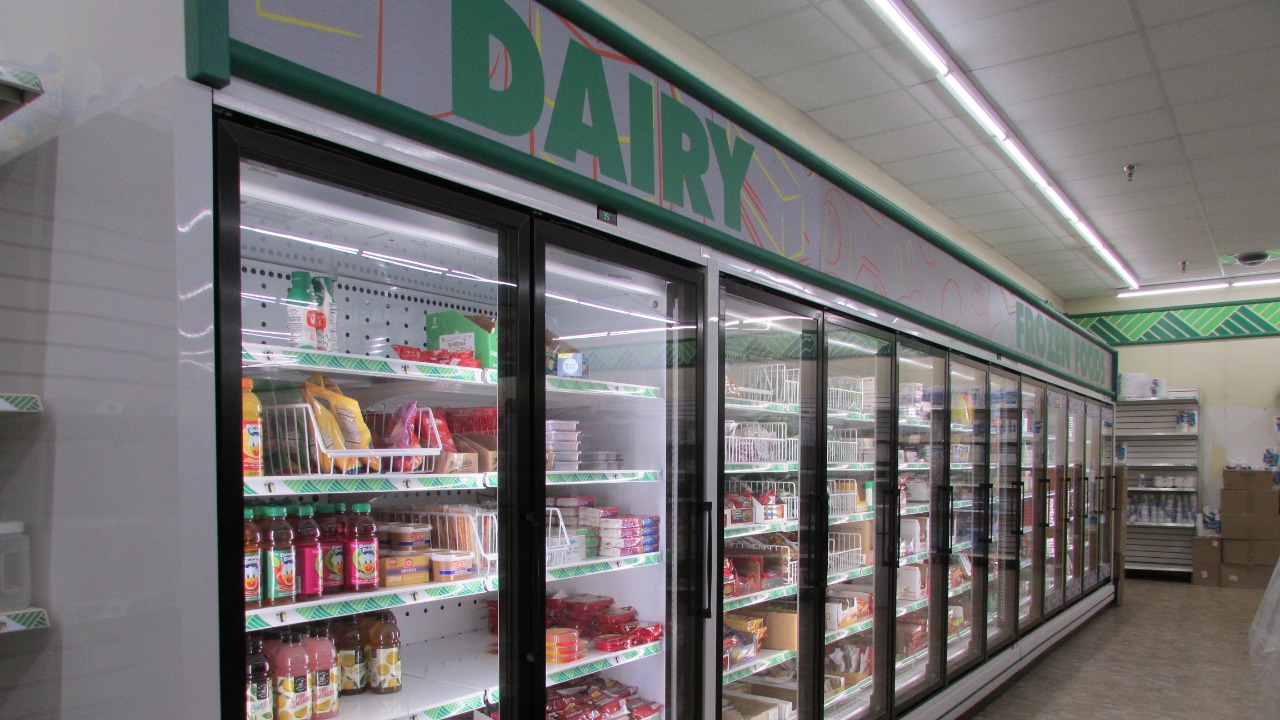
Inflation and supply chain issues are significant economic factors influencing Dollar Tree’s decision to adjust its pricing strategy. The rising costs of raw materials, transportation, and labor have put pressure on retailers to find ways to maintain profitability. By introducing higher price points, Dollar Tree is attempting to navigate these economic challenges while still offering value to its customers.
In the broader retail industry, many companies are facing similar challenges and are adjusting their strategies accordingly. The trend of increasing prices is not unique to Dollar Tree, as retailers across the board are grappling with inflationary pressures and supply chain disruptions. As a result, consumers are witnessing a shift in the discount retail landscape, with retailers exploring new pricing models to stay competitive.
The potential long-term financial impact on Dollar Tree is a topic of considerable interest. While the company hopes that the new pricing strategy will bolster its sales and profit margins, there is a risk that customer backlash could lead to a decline in sales. Additionally, changes in stock performance could occur if investors perceive the pricing strategy as a deviation from the company’s core values. Ultimately, the success of this strategy will depend on how well Dollar Tree can balance its need for profitability with maintaining customer satisfaction.
Corporate Response and Future Plans
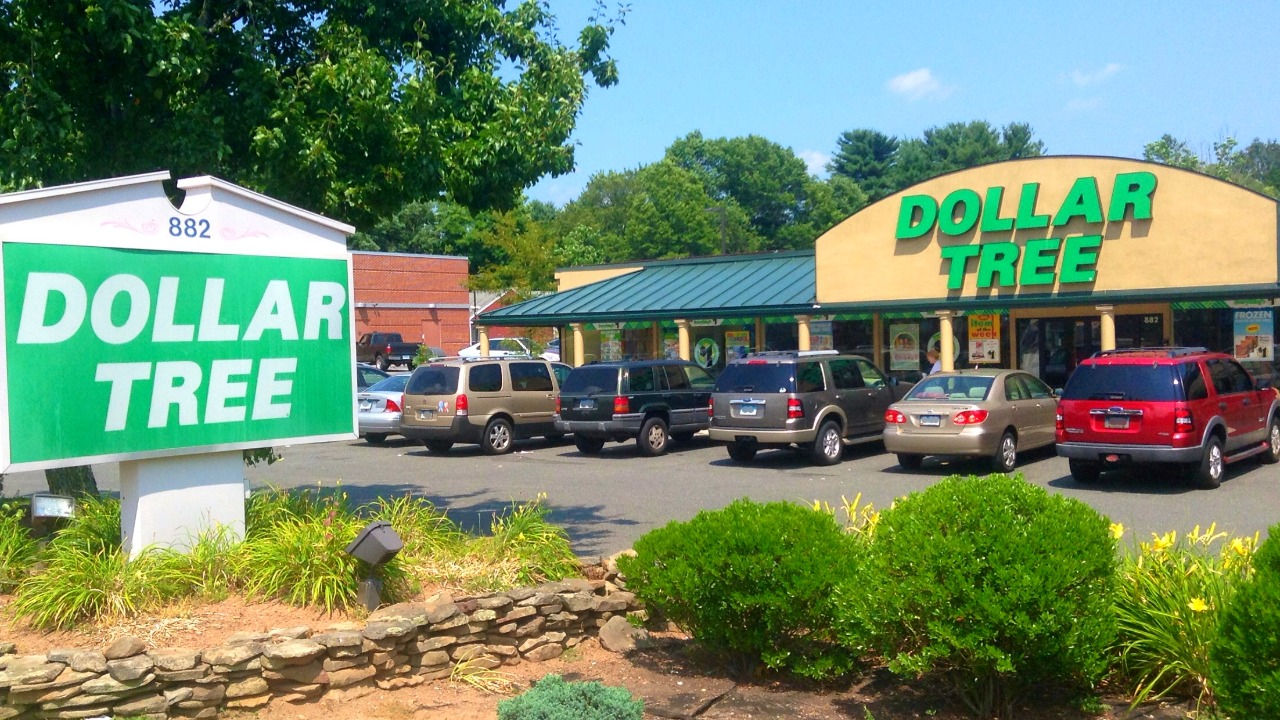
In response to the backlash, Dollar Tree has issued official statements defending its decision to adjust its pricing strategy. The company has emphasized the need to adapt to changing economic conditions and ensure its long-term viability. Dollar Tree’s communications have highlighted the benefits of the new pricing model, including the ability to offer a broader range of products and better quality items.
To mitigate customer dissatisfaction and restore brand loyalty, Dollar Tree has announced plans to enhance its customer experience. These plans include investing in store improvements, expanding product offerings, and exploring ways to provide added value to shoppers. By focusing on these strategic adjustments, Dollar Tree hopes to persuade customers that the pricing changes are ultimately in their best interest.
Looking to the future, Dollar Tree’s pricing strategy will likely continue to evolve as the company monitors customer reactions and market trends. The potential impact on the company’s market position will depend on its ability to effectively communicate the benefits of the new pricing model and maintain its reputation as a value-driven retailer. Whether Dollar Tree can successfully navigate this transition will be a critical factor in its future success.
Consumer Alternatives and Market Shifts

As Dollar Tree adjusts its pricing strategy, customers may begin to explore alternative retailers that offer competitive prices. Stores like Dollar General, Family Dollar, and even some online platforms are well-positioned to attract former Dollar Tree customers seeking affordable options. These alternatives may capitalize on the discontent among Dollar Tree shoppers, further intensifying competition in the discount retail sector.
The pricing shift at Dollar Tree may also influence broader consumer behavior in the discount retail market. As customers become more cost-conscious, they may prioritize retailers that offer the most value for their money. This shift could lead to changes in shopping habits, with consumers increasingly comparing prices and seeking out the best deals available.
In addition to exploring other brick-and-mortar options, disgruntled Dollar Tree customers may turn to digital platforms for their discount shopping needs. Online retailers and marketplaces offer convenience and competitive pricing, making them an attractive alternative for budget-conscious consumers. As the retail landscape continues to evolve, the rise of online discount shopping could further disrupt traditional retail models.

Silas Redmond writes about the structure of modern banking, financial regulations, and the rules that govern money movement. His work examines how institutions, policies, and compliance frameworks affect individuals and businesses alike. At The Daily Overview, Silas aims to help readers better understand the systems operating behind everyday financial decisions. He also covers scams, fraud cases and the audits that expose them.