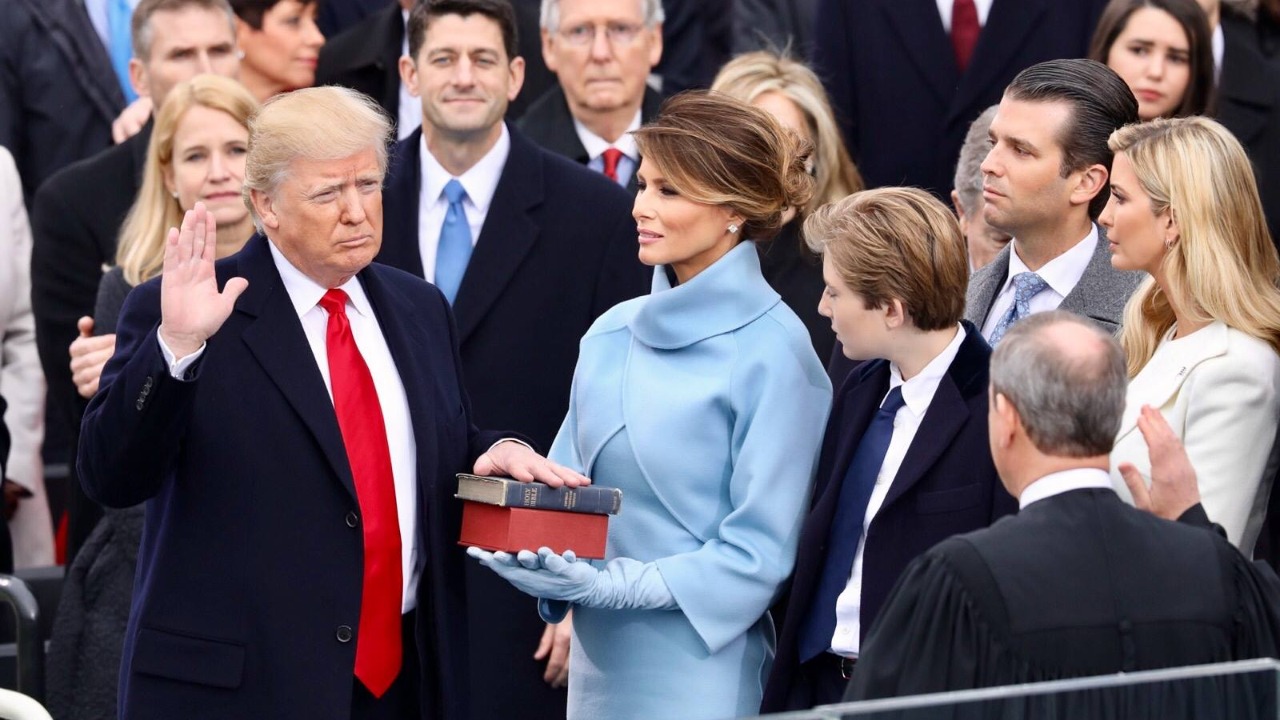
In a surprising move, President Trump paused student-loan forgiveness for nearly 2 million borrowers on income-based repayment plans. This decision, which has sparked widespread debate, may have significant implications for borrowers and the broader economy. Here, we explore the rationale behind the pause, its potential impacts, and the future of student loan policies.
The Rationale Behind the Pause

Political and economic considerations may have played a significant role in President Trump’s decision to pause student-loan forgiveness. The desire to reduce government spending aligns with conservative fiscal policies that prioritize budget cuts and reduced national debt. This decision might reflect an effort to relieve the federal budget from the financial burden posed by large-scale loan forgiveness, especially amid economic uncertainties. The move could be seen as a strategy to appeal to fiscally conservative constituents who favor limited government intervention in financial markets.
Legal and logistical challenges also complicate the implementation of widespread student-loan forgiveness. Legal issues, such as challenges to the authority of the executive branch to forgive loans without congressional approval, pose significant hurdles. Moreover, the administrative capacity required to manage and oversee the process effectively, while preventing fraud, adds another layer of complexity. These factors might have contributed to the decision to halt forgiveness temporarily until these issues are adequately addressed.
Impact on Borrowers

The pause on student-loan forgiveness has exacerbated financial pressures on borrowers, especially those from low-income or marginalized communities. Many borrowers now face prolonged debt burdens, impacting their ability to achieve financial milestones such as buying a home or saving for retirement. The delay in achieving these goals can have ripple effects on the economy, potentially slowing down growth in sectors reliant on consumer spending.
Beyond financial strain, the psychological and emotional effects on borrowers are significant. The uncertainty surrounding student debt relief contributes to increased stress and anxiety, affecting borrowers’ mental health and overall well-being. The indefinite nature of the pause leaves many in limbo, unsure of their financial future and feeling trapped under the weight of unresolved debt.
The Future of Student Loan Policies
Exploring potential policy alternatives is crucial in addressing the burgeoning student-loan debt crisis. Options such as interest rate reductions, extended repayment terms, or targeted relief for specific borrower groups could provide relief without necessitating full loan forgiveness. These strategies might offer a balanced approach, providing relief to borrowers while maintaining fiscal responsibility.
Bipartisan approaches to student debt present another avenue for reform. Finding common ground between political parties could lead to innovative solutions that address the core issues of student-loan debt. By considering proposals from both sides of the aisle, policymakers might forge a path toward sustainable and equitable reforms that receive broad support.
Broader Implications for the Higher Education System

The pause in forgiveness could have far-reaching effects on college affordability and access. As potential students weigh the costs and benefits of higher education, concerns about rising debt might deter enrollment, particularly among low-income and minority students. This trend could exacerbate existing disparities in educational attainment and economic mobility. There’s also a pressing need to reevaluate income-based repayment plans to ensure they effectively support borrowers while maintaining fiscal responsibility. By refining these programs, policymakers can create a system that balances borrower support with the need for sustainable government spending. As discussions continue, efforts to enhance the efficacy and accessibility of these plans could prove crucial in navigating the complex landscape of higher education financing.

Silas Redman writes about the structure of modern banking, financial regulations, and the rules that govern money movement. His work examines how institutions, policies, and compliance frameworks affect individuals and businesses alike. At The Daily Overview, Silas aims to help readers better understand the systems operating behind everyday financial decisions.

