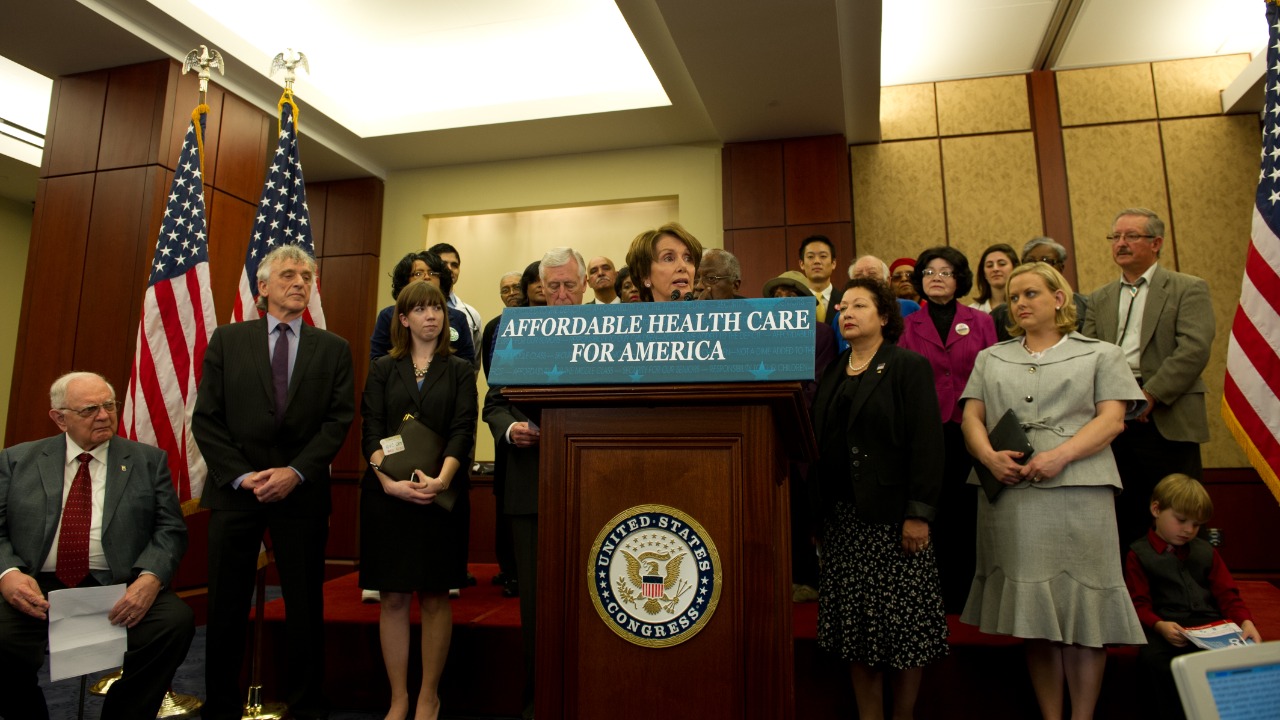
Millions of Americans are bracing for a significant increase in their health insurance costs under the Affordable Care Act (ACA) next year, with potential hikes reaching up to $1,247. This development raises concerns about the affordability and accessibility of healthcare for many individuals and families who rely on these plans. Understanding the factors contributing to these rising costs is crucial for policymakers and consumers alike.
Factors Contributing to Premium Increases

One of the primary drivers behind the rising ACA premiums is the current economic impact, particularly inflation. As the cost of living increases, so do the costs associated with healthcare services. Hospitals, clinics, and other medical facilities must adjust their pricing to cover higher operational and labor costs, which in turn leads to increased insurance premiums. This economic strain is felt across the board, affecting both consumers and providers in the healthcare sector.
Additionally, recent legislative and policy changes have played a role in shaping the landscape of ACA premiums. Changes in federal funding, shifts in healthcare policy, and state-level decisions can all contribute to fluctuations in insurance costs. For example, any reduction in subsidies or changes to the insurance mandate can lead to higher out-of-pocket expenses for consumers, as insurance companies adjust their pricing models to reflect the new regulatory environment.
Moreover, the rising costs within the healthcare system cannot be overlooked. The price of pharmaceuticals continues to climb, and provider fees are increasing, which directly impacts insurance rates. As providers charge more for their services, insurance companies must adjust their premiums to maintain financial viability. This cycle of increasing costs is a significant factor contributing to the overall rise in ACA premiums.
Implications for Consumers

The potential financial burden on individuals and families, particularly those in lower-income brackets, is a significant concern. For many, the increased premiums could mean choosing between paying for health insurance and meeting other basic needs. This financial strain is especially pronounced for those who do not qualify for subsidies, as they face the full brunt of the premium hikes without additional support.
These premium increases may also force consumers to make difficult decisions regarding their healthcare coverage. Some individuals might opt to switch to plans with higher deductibles and lower premiums, which can lead to higher out-of-pocket costs in the event of a medical emergency. Others might decide to forgo insurance altogether, hoping to avoid the immediate expense but risking substantial financial consequences if they require significant medical care.
Access to necessary healthcare services is also at risk if consumers opt to forego insurance due to cost increases. As individuals lose coverage, they may delay or skip essential medical care, leading to poorer health outcomes and potentially higher costs in the long run. This scenario underscores the critical importance of finding ways to make healthcare coverage both affordable and accessible.
Responses from Policymakers and Stakeholders

In response to the projected premium increases, some government initiatives are being considered to mitigate the impact on consumers. Policymakers are exploring various strategies, such as expanding subsidies and tax credits, to help offset the rising costs. These measures aim to provide financial relief to those most affected by the premium hikes, ensuring that healthcare remains within reach for vulnerable populations.
Insurance providers also play a crucial role in addressing premium increases. Some companies are actively seeking ways to manage consumer costs by negotiating better rates with healthcare providers or offering more varied plan options to suit different budgets. However, the effectiveness of these approaches depends on the willingness of all parties involved to collaborate and find mutually beneficial solutions.
Healthcare advocacy groups are vocal about their concerns regarding the rising premiums and are making recommendations to address the issue. These groups often call for more transparent pricing models and advocate for policies that promote affordability and accessibility. Their actions underscore the importance of continued dialogue between stakeholders to develop sustainable solutions to the challenges facing the healthcare system.
Strategies for Consumers to Manage Costs

One way consumers can manage the increased costs is by exploring available subsidies and tax credits. These financial aids can significantly reduce the burden of higher premiums for those who qualify. By understanding the eligibility requirements and application processes for these subsidies, consumers can potentially lower their healthcare expenses.
Comparing different ACA plan options is another effective strategy. Consumers should carefully evaluate the various plans available to them, considering factors such as premiums, deductibles, and out-of-pocket maximums. By selecting a plan that aligns with their healthcare needs and financial situation, individuals can make more informed decisions that help manage costs.
Utilizing preventive care services covered under ACA plans is also crucial in reducing long-term healthcare expenses. Regular check-ups, screenings, and vaccinations can help detect and prevent health issues before they become more severe and costly to treat. By taking advantage of these services, consumers can maintain their health while potentially avoiding higher medical expenses down the line.
The Broader Impact on the Healthcare Landscape

Increased healthcare costs have far-reaching implications for the broader economy. As premiums rise, employers may face challenges in providing affordable health benefits to their employees, potentially leading to reduced job satisfaction and productivity. Some studies suggest that higher healthcare costs could even contribute to job losses, as companies struggle to manage their expenses. This dynamic highlights the interconnectedness of healthcare costs and economic stability.
Long-term healthcare reform may be necessary to address systemic issues contributing to rising insurance costs. Policymakers and stakeholders must consider comprehensive approaches that tackle the root causes of these increases, such as high pharmaceutical prices and inefficiencies within the healthcare system. By developing sustainable solutions, it may be possible to ensure more equitable access to care for all Americans.
The potential public health implications of reduced insurance coverage due to affordability issues are significant. As more individuals forego insurance, the risk of untreated health conditions increases, which can lead to poorer health outcomes and potentially higher public health costs. Recent research has shown that access to healthcare is a critical determinant of public health, underscoring the need for policies that promote affordability and accessibility. For more insights into the impact of healthcare access on public health, consider exploring the findings outlined in this study.

Nathaniel Cross focuses on retirement planning, employer benefits, and long-term income security. His writing covers pensions, social programs, investment vehicles, and strategies designed to protect financial independence later in life. At The Daily Overview, Nathaniel provides practical insight to help readers plan with confidence and foresight.

