Trump officials are promoting a cheaper alternative to Obamacare coverage, promising relief from rising premiums just as enhanced subsidies are set to wind down. The pitch is simple: skinnier plans, more flexibility, and lower monthly costs for people who feel priced out of the Affordable Care Act marketplaces. The catch is buried in the fine print, where limits on benefits, state crackdowns, and gaps in financial help can leave families exposed when they actually get sick.
As President Trump leans on insurers and Republicans rally around deregulation, the debate is shifting from how to shore up Obamacare to how aggressively to replace it with leaner, more market-driven options. I see a clear tension emerging between the promise of immediate savings and the long term risk that cheaper coverage will not be there when patients need it most.
The political push to cut premiums at any cost
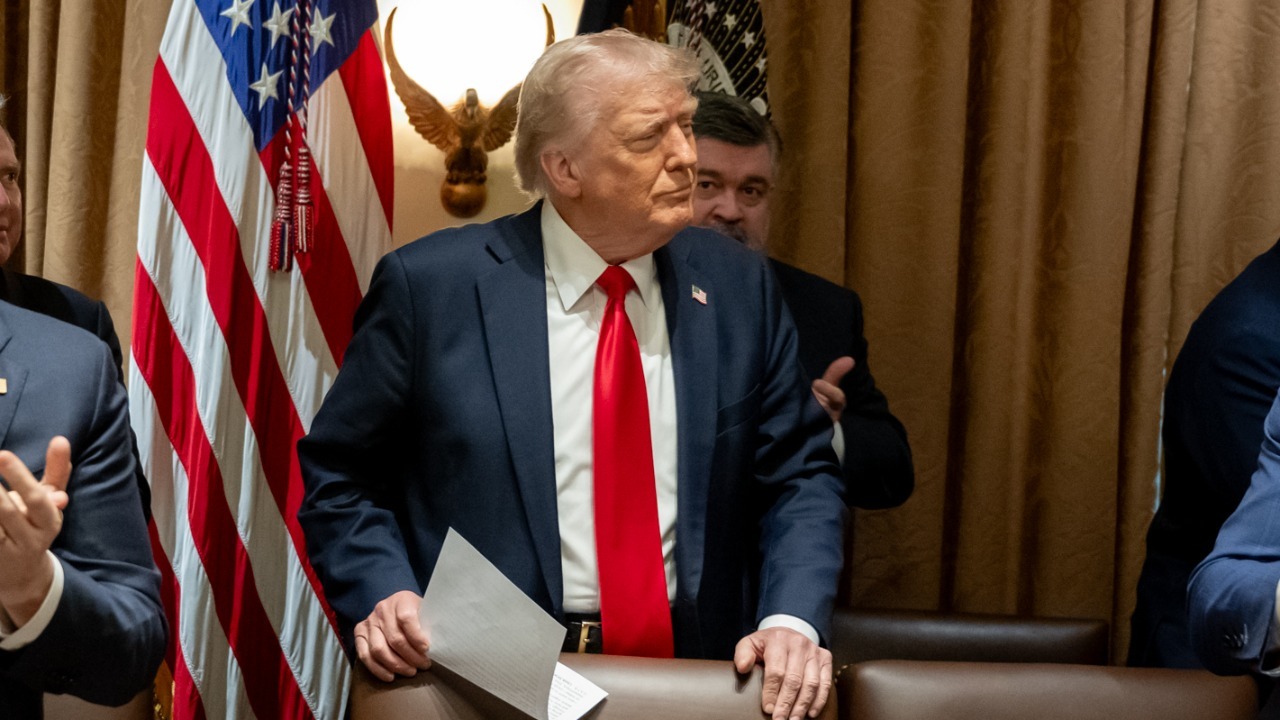
The starting point for the new strategy is a political imperative: show voters that premiums can fall quickly without pouring more federal money into Obamacare. President Trump has made that goal explicit, telling reporters that he plans to call major insurance companies to the White House and demand that they cut premiums, a move he framed as a “very big statement” about his administration’s priorities. In the same breath, he signaled that he is prepared to summon executives in the coming days to press them directly, according to reporting on his plan to summon insurance execs.
Behind the scenes, the message to the industry has been even blunter. In a separate account of the administration’s outreach, Trump officials have been described as pressuring insurers to “get their price down” ahead of expected 2026 rate filings, signaling that the White House wants to see concrete reductions before the next round of premium notices hits mailboxes. That pressure campaign, captured in coverage of how Trump pressures insurers to get their price down, sets the stage for a broader shift away from comprehensive ACA plans toward cheaper, less regulated products that can show immediate price cuts on paper.
Short term plans: the centerpiece of the “cheap” alternative
At the heart of the replacement effort is a renewed embrace of short term health insurance, a product that was once a niche stopgap and is now being marketed as a mainstream alternative to Obamacare. Trump officials have highlighted these policies as a way to offer lower monthly premiums to people who earn too much for subsidies or who feel they get little value from full ACA coverage. The appeal is obvious: stripped down benefits and looser rules let insurers charge far less than they do for regulated marketplace plans, which is why the administration has leaned on short term offerings as the most visible piece of its cheaper coverage push.
The tradeoff is that these plans are exempt from many of the consumer protections that define Obamacare, including guaranteed coverage of preexisting conditions and essential health benefits. Reporting on how the cheap health insurance promoted by Trump officials works has underscored that some states have already moved to ban or sharply restrict “short term” insurance because of concerns that people are being sold policies that look like real coverage but can legally exclude key services. That tension between lower premiums and weaker protections is the first big catch in the administration’s replacement strategy.
State backlash and the patchwork map of coverage
As short term plans have moved from the margins to the center of Republican health policy, state regulators have become an unexpected counterweight. Some states have concluded that the products are too risky to be sold as a long term substitute for ACA coverage and have either banned them outright or imposed strict limits on their duration and marketing. That resistance has created a patchwork in which a Trump backed alternative is available in one state but effectively off the table in the next, leaving consumers confused about what they can buy and how long it will last.
The friction is especially sharp in places that have seen aggressive marketing of these policies as a full replacement for Obamacare. One detailed account of the trend noted that the cheap health insurance promoted by Trump officials has this catch, pointing out that some states have banned “short term” insurance altogether. When a product is legal in one jurisdiction and prohibited in another, the promise of a simple national alternative to Obamacare starts to look more like a maze of local rules and legal risks.
What happens when enhanced subsidies fade
The timing of the Trump team’s push is not accidental. Enhanced federal subsidies that have kept Obamacare premiums in check are scheduled to expire, raising the prospect that millions of Americans will face steep increases if Congress does not act. One analysis of the looming cliff warned that, without a fix, Premiums on average would go up 114% for consumers, a figure drawn from an analysis by KFF that has become a rallying point in the fight over how to avoid a premium shock.
For people who rely on ACA plans, that kind of spike would be devastating, especially for those just above the subsidy cutoff who already feel squeezed. A separate 2025 KFF Marketplace Enrollees Survey traces how Congress used the American Rescue Plan Act, or ARPA, during the COVID crisis to temporarily increase financial help and expand eligibility, which pulled more people into coverage on the ACA Marketplaces. As those ARPA level subsidies wind down, the administration’s cheaper alternatives are being framed as a way to cushion the blow without extending what Republicans see as an expensive federal commitment.
Republican deregulation versus Democratic subsidy extensions
On Capitol Hill, the policy divide is stark. Democrats have rallied behind the Lower Health Care Costs Act, formally labeled S. 3385, which would provide a clean three year extension of the enhanced subsidies that ARPA created and that now underpin much of the ACA’s affordability. Their argument is that the federal government should keep paying more of the tab so that consumers can stay in comprehensive plans rather than being nudged into skimpier coverage that might fail them when they get sick, a position reflected in summaries of how Democrats back the Lower Health Care Costs Act.
Republicans, by contrast, have coalesced around a different bill that leans heavily on deregulation and scaled back federal involvement. Reporting on a GOP alternative to Obamacare subsidy extension notes that the House Republican leadership’s bill aims to lower prices through rolling back rules, with supporters claiming it could cut health insurance prices by 11%. The philosophical split is clear: Democrats want to preserve and subsidize the ACA framework, while Republicans want to relax regulations and promote cheaper, less comprehensive options as a replacement.
Health savings accounts: a tax break with a built in limit
Alongside short term plans, Trump officials have elevated health savings accounts as a central pillar of their replacement vision. The idea is to let people set aside pre tax dollars to pay for medical expenses, giving them more control and, in theory, more incentive to shop carefully for care. President Trump has repeatedly called for expanding these accounts, and his allies argue that HSAs can help bridge the gap between high deductible plans and out of pocket costs, especially for healthier enrollees who do not expect to use much care in a given year.
The catch is that, under current law, those health savings accounts cannot be used to pay insurance premiums, a restriction that sharply limits their usefulness for people who rely on ACA plans. Reporting by Amanda Seitz, working with KFF Health News, spells out that Trump wants more health savings accounts, but a catch is that they cannot pay insurance premiums, which is precisely the cost that has become most painful for people in the individual market. For lower income Americans who depend on subsidies to afford coverage, a tax advantaged savings tool that does not touch premiums is a limited solution at best.
How marketplace enrollees actually experience the tradeoffs
To understand how these policy shifts land in real lives, it helps to look at what current marketplace enrollees say about their coverage. The 2025 KFF Marketplace Enrollees Survey offers a window into that experience, documenting how people who signed up for ACA plans during and after the COVID period weigh premiums, deductibles, and access to care. Many respondents report that the enhanced subsidies from the American Rescue Plan Act made the difference between being able to afford coverage and going uninsured, reinforcing the idea that federal help, not just deregulation, has been central to the law’s recent stability.
At the same time, the survey shows that even with ARPA level assistance, enrollees still struggle with high deductibles and out of pocket costs, which is part of what makes the promise of cheaper alternatives so politically potent. When Trump officials point to short term plans or expanded HSAs as a way to lower monthly bills, they are speaking directly to frustrations captured in the KFF Marketplace Enrollees Survey. The risk is that in chasing lower premiums, policymakers may steer people into coverage that looks affordable until a serious diagnosis exposes the limits of what it actually pays for.
The fine print: exclusions, gaps, and legal gray zones
When I look closely at the replacement products being promoted, the most troubling patterns show up in the fine print. Short term plans can exclude preexisting conditions, cap benefits, and omit entire categories of care such as mental health or maternity, all while using marketing that suggests they are comparable to ACA compliant coverage. Legal experts have warned that consumers often do not realize these gaps until they file a claim and discover that a hospitalization or ongoing treatment is not covered, a dynamic that has already prompted some states to intervene.
One detailed account of how these policies work in practice highlighted that the cheap health insurance promoted by Trump officials has led to disputes that end up in the hands of attorneys, including an Arkansas based lawyer who has represented consumers who thought they were buying real insurance. When coverage denials collide with medical bills that can run into the tens or hundreds of thousands of dollars, the savings on monthly premiums can evaporate quickly, leaving families worse off than if they had stayed in a more expensive but more comprehensive ACA plan.
The real “big catch” for consumers
Pulling these threads together, the big catch in the Trump administration’s cheaper Obamacare replacement is that the savings are front loaded while the risks are deferred. Lower premiums today come at the price of weaker protections tomorrow, especially for people who develop serious illnesses or who already live with chronic conditions. The combination of short term plans, limited use health savings accounts, and deregulation may work for a subset of healthy, higher income consumers, but it leaves others exposed to the very medical debt and coverage gaps that the ACA was designed to prevent.
As Nov and Dec debates unfold in Washington, with House Republican leaders touting deregulation and Democrats defending subsidy extensions, Americans are being asked to choose between two very different visions of health coverage. One vision leans on market forces and cheaper, skinnier plans, as seen in the push for House Republican alternatives and the promotion of short term insurance. The other vision doubles down on federal support through measures like the Lower Health Care Costs Act and extended ARPA level subsidies. For consumers trying to navigate that choice, the headline promise of cheaper coverage is only the beginning of the story; the real test is whether the policy they pick will still protect them when they need it most.
More From TheDailyOverview

Nathaniel Cross focuses on retirement planning, employer benefits, and long-term income security. His writing covers pensions, social programs, investment vehicles, and strategies designed to protect financial independence later in life. At The Daily Overview, Nathaniel provides practical insight to help readers plan with confidence and foresight.

