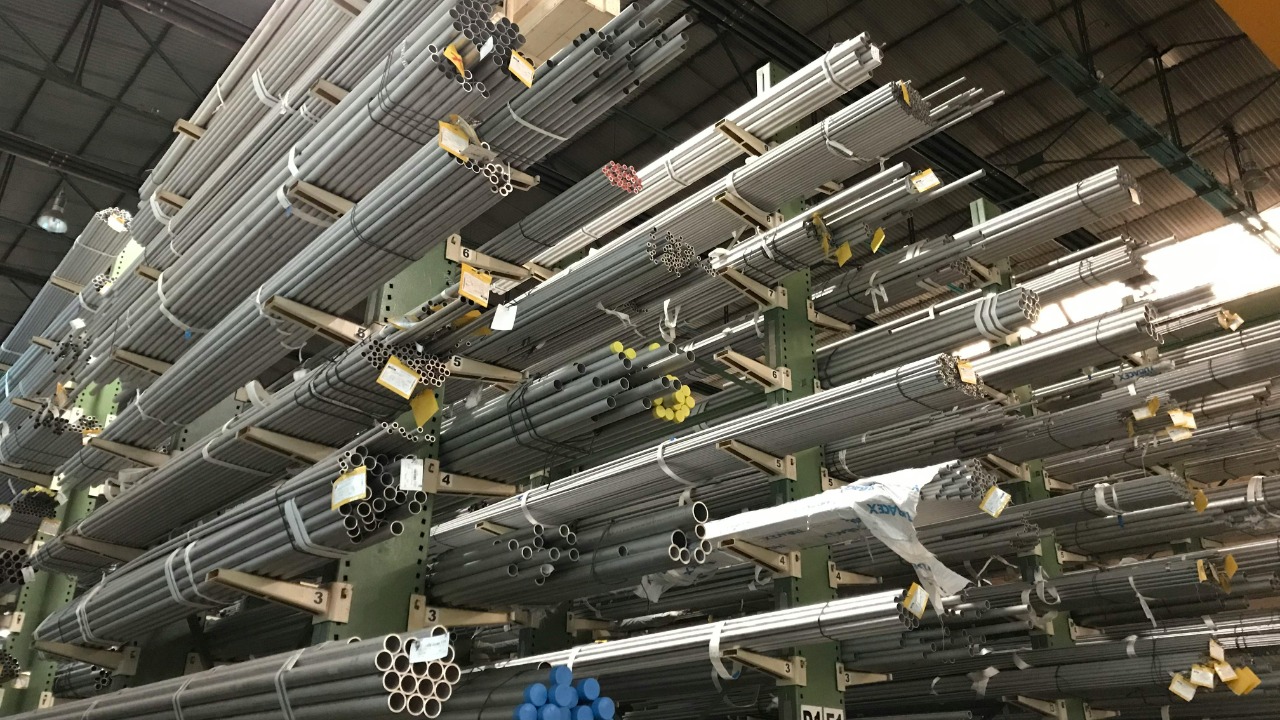
Donald Trump is preparing a sweeping rollback of tariffs on steel and aluminum, setting up a sharp reversal from the aggressive duties his administration put in place in 2025. Those tariffs raised rates to 25% on many steel and aluminum imports in March, then to 50% on a broader set of products in June, under a series of Section 232 proclamations. The shift now is being driven by a court block issued on May 28, 2025, rising economic pressure from manufacturers and consumers, and internal debate over how far and how fast to unwind the current 25% and 50% rates.
At stake are three big questions: what pushed Trump toward a rollback after months of escalation, how lower tariffs would ripple through industries and prices, and how much uncertainty still hangs over the timing and scope of any change. Those questions are complicated by the legal architecture of the existing proclamations, the technical reach of the Harmonized Tariff Schedule, and conflicting political incentives around jobs, inflation and trade leverage.
Current Tariff Landscape and Recent Escalations
The starting point for any rollback is a tariff structure that has become both higher and broader since early 2025. In February, a Primary presidential proclamation on steel reset Section 232 duties at 25% on a wide range of imports, effective March 12, 2025, and terminated country exemptions and alternative arrangements that had previously softened the blow. The document directed that the new 25% rate be written into the Harmonized Tariff Schedule of the United States, or HTSUS, for steel products classified in chapter 73, and it curtailed the product exclusion process that many manufacturers had relied on to secure relief.
On the aluminum side, a separate Primary proclamation on aluminum raised the Section 232 duty from 10% to 25%, also effective March 12, 2025, and likewise terminated multiple alternative agreements and exemptions. That text, described in the source as “Provides the” legal baseline for aluminum, extended the 25% rate to derivative aluminum articles in HTSUS chapter 76 and sharply limited future exclusions. Together, the steel and aluminum proclamations were implemented through follow-on actions that instructed Customs and Border Protection, or CBP, to collect the higher duties and ensured that HTSUS updates appeared in the Federal Register-backed tariff schedule.
Current Tariff Landscape and Recent Escalations
The tariff posture hardened further in June 2025, when a new Primary proclamation on adjusting imports raised Section 232 duties on covered steel and aluminum articles to 50% effective 12:01 a.m. EDT on June 4, 2025. The text specifies that this 50% rate applies only to the steel content classified in HTSUS chapter 73 and the aluminum content in chapter 76, which matters for complex goods that mix multiple materials. It also directs CBP to issue guidance and emphasizes that the higher rate is grounded in the same Section 232 national security authority that underpinned earlier tariffs.
To connect these presidential orders to binding tariff lines, the administration relied on implementing documents that cite Federal Register notices such as 90 Fed. Reg. 11249 and 90 Fed. Reg. 11251. Those notices translate the proclamations, including Proclamation 10895 and Proclamation 10896, into precise HTSUS subheadings and duty rates, while a related Primary interim rule from BIS lays out how additional derivative steel and aluminum articles can be swept into the 232 regime under an “inclusions” process. That same BIS rule confirms that the earlier, more flexible exclusions framework has been removed, leaving importers with fewer procedural avenues to escape the 25% and 50% duties even before any new rollback is announced.
The Reported Rollback Initiative
Against that backdrop, Trump is now plotting what aides describe as a sweeping rollback that would pull Section 232 rates for steel and aluminum back toward their pre-2025 levels and potentially restore some form of targeted exemptions. According to people familiar with internal discussions, the working concept is to reverse the June jump to 50% on HTSUS chapter 73 and chapter 76 content and to revisit the March move that set both steel and aluminum at 25%, though it remains unclear whether the administration would go all the way back to the earlier 25% steel and 10% aluminum structure or stop at an intermediate step. Any such plan would require new proclamations to unwind or modify the existing orders and fresh instructions to CBP and the agencies that manage the tariff schedule.
The legal trigger for this rethink came from a federal court decision on May 28, 2025, when judges blocked parts of the tariff program in a case that challenged Trump’s authority to extend Section 232 measures in the way the June proclamation attempted. Reporting from The Guardian describes the ruling as a block on certain tariffs, which has forced the administration to weigh whether to appeal, narrow the measures or use a rollback to defuse the dispute. Officials have floated different scenarios in background conversations, from a full reversal of the 50% rates to a more calibrated cut that would keep some leverage while easing pressure on import-dependent manufacturers, but there are no on-the-record quotes that spell out final numbers, timelines or which HTSUS lines might regain exemptions.
Economic Pressures Driving the Shift
Legal risk is only one part of the story; economic data has been cutting against the higher tariffs as well. Research cited by Major coverage of a New York Fed study finds that foreign exporters responded to U.S. tariffs by trimming their own prices, but not nearly enough to shield American buyers from most of the increase. The analysis reports that a 10% U.S. tariff was associated with just a 1.4% decline in export prices, which left the bulk of the duty to be absorbed down the supply chain. Using that relationship, a 25% tariff would be expected to push up the landed cost of an imported input by roughly 21% even after foreign suppliers adjust, while a 50% tariff would push it much higher.
The same New York Fed researchers, drawing on a detailed dataset, estimated that U.S. importers passed through 94% of tariff costs to domestic prices from Jan to Aug 2025, 92% in Sep and Oct, and 86% in Nov. That pattern suggests that although foreign exporters did cut prices somewhat, U.S. firms and consumers still shouldered most of the burden, especially in the months when the 25% and 50% rates were being phased in. As exclusions were terminated under the February steel and aluminum proclamations and the BIS inclusions process added more derivative articles into the 232 net, those pass-through rates translated into higher costs for everything from auto parts and construction materials to beverage cans, fueling calls from manufacturers for relief and giving Trump an economic rationale for a rollback alongside the legal one.
Industry and Stakeholder Reactions
Steel and aluminum producers have argued that the current 25% and 50% tariffs are necessary to protect domestic capacity, but their downstream customers have been far more critical. Companies that import semi-finished steel under HTSUS chapter 73 or aluminum sheet and plate under chapter 76 have seen their input costs jump in line with the New York Fed pass-through estimates, and many lost the ability to seek relief once the February proclamations ended or curtailed the exclusion process. The BIS interim rule on the inclusions process has added another layer of uncertainty by creating a mechanism for the government to pull additional derivative articles into the 232 regime without restoring any broad-based way for firms to opt out.
Trade lawyers and industry groups have focused on the way the inclusion procedures interact with the June move to 50%, warning that more products could be swept into the higher rate even as Trump talks about rolling tariffs back. Some have flagged specific HTSUS subheadings for derivative articles, such as fasteners or tubing that incorporate steel or aluminum, as especially vulnerable to being added under the inclusions process. That procedural backdrop helps explain why manufacturers have welcomed talk of a sweeping rollback, while unions and domestic producers remain wary that any reduction in the 232 shield could expose them to renewed import competition before they have fully adjusted to the earlier waves of globalization.
Broader Trade Policy Implications
A major retreat from the current Section 232 levels would signal a broader shift in U.S. trade policy, away from the more aggressive protectionism of the 50% tariffs and back toward a posture that still uses duties but at lower, more targeted levels. The USITC’s 2025 HTS revision 4 shows how wide the tariff coverage has become, with detailed lines for steel and aluminum articles across chapters 73 and 76, and any rollback would require another round of revisions and Federal Register notices to reset rates. That process would not only affect the immediate cost of imported metal but also send a signal to trading partners about whether Washington is prepared to dial down unilateral measures in favor of negotiated arrangements.
Some analysts have argued, in commentary highlighted by News-Decoder, that higher tariffs could spur green innovation by making it more attractive to invest in low-carbon domestic steel and aluminum production, though that remains an opinion rather than a settled outcome. A rollback could soften that potential incentive while easing cost pressure on manufacturers of electric vehicles, solar equipment and other clean technologies that rely heavily on metal inputs. The trade-offs underscore how Trump’s tariff decisions have become entangled with industrial policy and climate goals, not just traditional concerns about trade deficits and national security.
Unresolved Questions and Next Steps
For now, the biggest unknowns are timing, scope and process. Trump has not yet issued new proclamations to unwind the 25% and 50% rates, so the existing Section 232 framework, including the June 4 effective date at 12:01 a.m. EDT for the 50% duties, remains in force. It is unclear whether the administration will seek congressional backing for any rollback or rely solely on the same presidential authority it used to impose the tariffs, and there is no public schedule for when draft language might be circulated to agencies or trading partners. The court block reported on May 28, 2025, has added pressure to move quickly, but it has also raised the stakes of getting the legal rationale right.
Internationally, the unresolved questions extend to how a rollback would intersect with World Trade Organization challenges and bilateral negotiations, and whether trading partners would respond by lifting their own retaliatory measures or holding out for deeper changes. Domestically, manufacturers and consumers are watching for signs of concrete relief after months in which New York Fed data showed pass-through rates of 94%, 92% and 86%, while steel and aluminum producers brace for the possibility that their tariff shield could shrink. If Trump follows through on a sweeping rollback, the immediate effect could be to lower input costs and ease some inflationary pressure, but the longer-term impact on investment, jobs and the credibility of Section 232 as a policy tool will depend on how carefully the next round of proclamations is crafted and how closely they track the legal and economic lessons of the past year.
More From The Daily Overview
*This article was researched with the help of AI, with human editors creating the final content.

Grant Mercer covers market dynamics, business trends, and the economic forces driving growth across industries. His analysis connects macro movements with real-world implications for investors, entrepreneurs, and professionals. Through his work at The Daily Overview, Grant helps readers understand how markets function and where opportunities may emerge.

