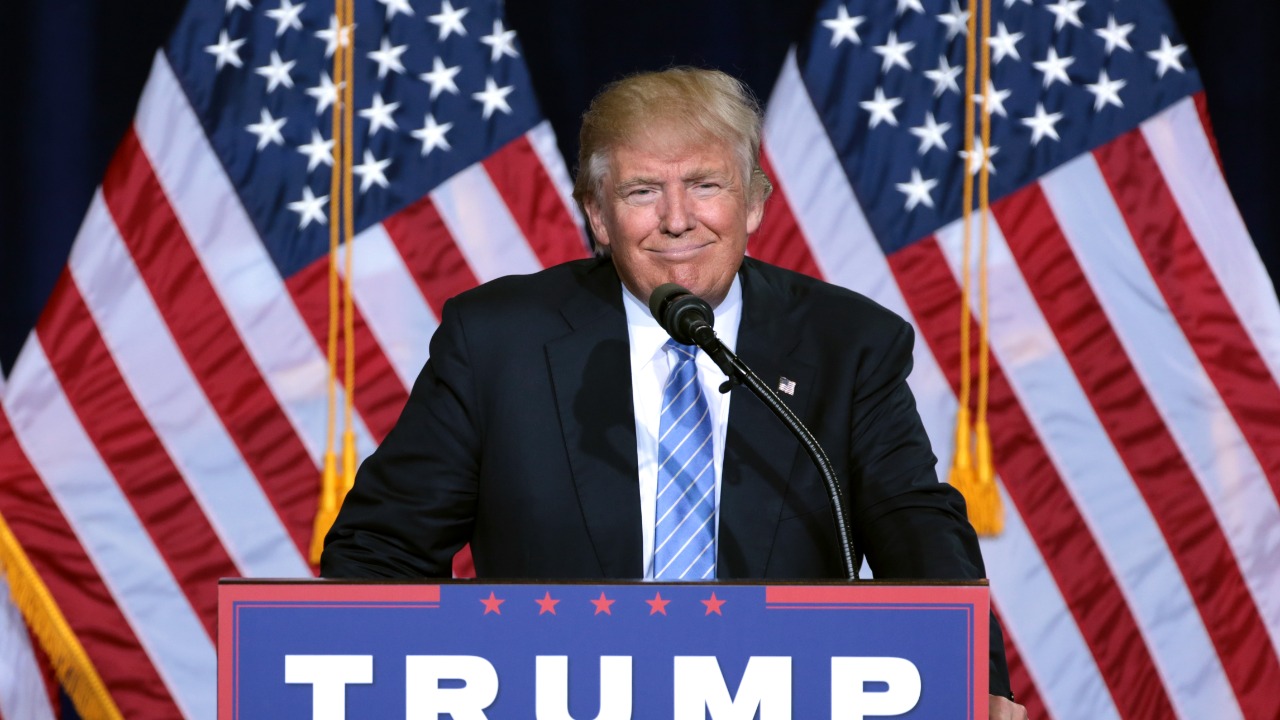
In a bold move, the Trump administration has announced plans to cut over 60 workplace regulations, a decision that has sparked intense debate across political and social arenas. Proponents argue that these cuts will invigorate economic growth and reduce bureaucratic red tape, while critics warn of potential setbacks in worker safety and rights.
The Motivation Behind the Cuts

Key motivations driving the Trump administration’s initiative to slash workplace regulations include the promise of enhanced economic growth. Advocates of deregulation argue that by eliminating cumbersome regulations, businesses can reduce operational costs and improve efficiency, ultimately fostering an environment conducive to expansion. This perspective is grounded in the belief that less regulatory interference allows companies to allocate resources more effectively, paving the way for innovation and increased competitiveness.
Another significant factor is the administration’s desire to reduce bureaucracy. By minimizing governmental oversight, the aim is to streamline operations within the workplace, potentially leading to increased productivity. This approach aligns with a broader conservative agenda that prioritizes free-market principles over regulatory measures. The belief is that a less intrusive government enables a more dynamic economic landscape, where businesses have the freedom to navigate their paths without excessive external constraints.
Potential Impact on Worker Safety

However, the proposed cuts raise concerns about the potential impact on worker safety. Reductions in regulations could lead to weakened safety standards, increasing the risk of workplace accidents and injuries. Safety protocols and accident prevention measures are often underpinned by regulations that ensure a baseline level of protection for employees. Without these safeguards, there is a fear that businesses might prioritize cost-saving measures over employee well-being.
Health implications are another critical aspect of this debate. Stringent regulations often play a crucial role in maintaining safe working conditions and minimizing health risks. The absence of such regulations could expose employees to hazardous environments, leading to detrimental health outcomes. An analysis of past deregulation efforts reveals instances where the relaxation of safety standards resulted in increased workplace incidents, underscoring the importance of maintaining robust regulatory frameworks.
Economic and Business Implications

The business community’s response to the proposed regulation cuts varies across sectors. Some small businesses view the initiative as a welcome relief from burdensome regulations that stifle growth. For larger corporations, the cuts could mean reduced compliance costs and increased flexibility in their operations. However, there is a delicate balance between job creation and job security. While deregulation may stimulate economic activity and potentially lead to job creation, there is a risk that it could also result in job instability as companies adjust to new operational dynamics.
Long-term economic effects are a subject of speculation, with projections suggesting that deregulation could have profound implications over the next decade. The proposed changes could reshape the economic landscape, influencing factors such as investment patterns, labor market dynamics, and overall economic growth. While the immediate effects might manifest as increased business activity, the broader implications warrant careful consideration to ensure sustainable economic development.
Political and Social Repercussions
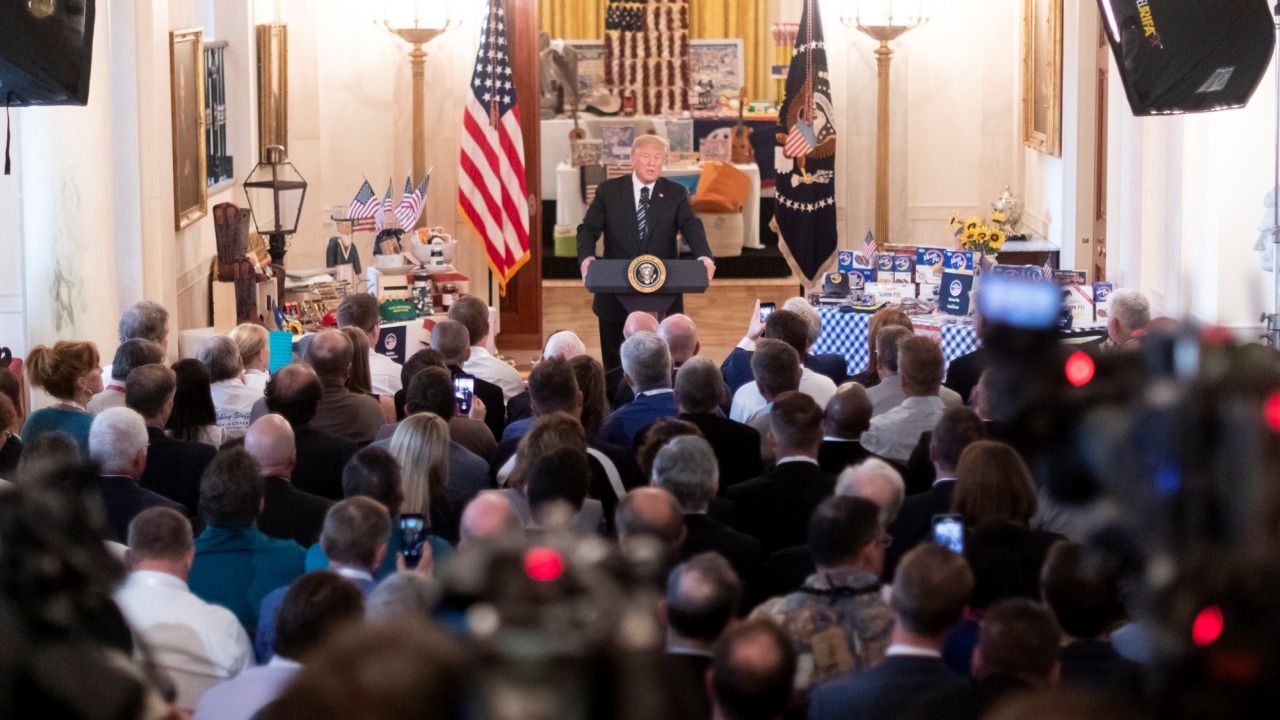
The proposed cuts have sparked varied responses from the American public and labor unions. Public opinion is divided, with some viewing the initiative as a necessary step towards reducing governmental overreach, while others express concerns about potential implications for worker rights and safety. Labor unions, in particular, have voiced strong opposition, fearing that the deregulation move could undermine hard-won protections for workers.
Politically, the initiative could have significant repercussions for future elections and the Trump administration’s political capital. The move aligns with the administration’s broader agenda of deregulation, appealing to its conservative base. However, it also risks alienating segments of the electorate concerned about worker rights and social equity. The potential for these changes to disproportionately affect marginalized communities adds another layer of complexity to the debate, raising important questions about social equity and justice.
Comparison with Previous Administrations
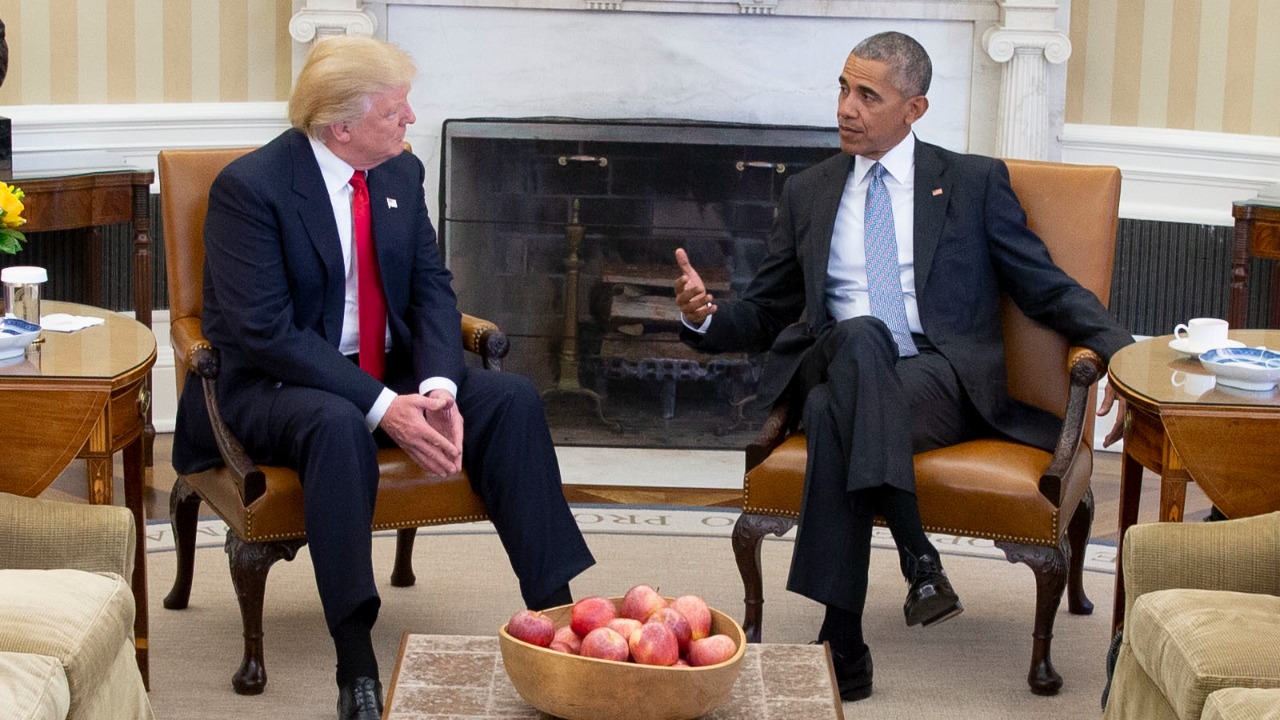
To understand the broader context of the current deregulation push, it’s essential to compare Trump’s approach with previous administrations. Historically, workplace regulation has been a contentious issue, with each administration adopting different stances. The Obama administration, for instance, implemented numerous regulations aimed at enhancing worker safety and rights, while the Bush administration pursued a more balanced approach between regulation and business interests.
Lessons learned from past deregulation efforts highlight the importance of striking a balance between economic growth and worker protection. Previous attempts have shown that while deregulation can stimulate economic activity, it can also lead to unintended consequences, such as compromised safety standards. As the political landscape evolves, future administrations may choose to revisit workplace regulations, potentially reversing or modifying the changes introduced by the Trump administration.
International Perspective

On a global scale, the U.S. workplace regulations, once the proposed cuts are implemented, may diverge significantly from international standards. Countries with stringent regulatory frameworks might view the U.S. approach as a departure from established norms, potentially affecting international trade agreements and partnerships. The relaxation of regulations could lead to competitive disparities, where U.S. businesses gain a cost advantage over international counterparts operating under stricter guidelines.
International criticism of the deregulation move is likely, with foreign governments and international bodies expressing concerns about its implications. The global response could influence future diplomatic relations and negotiations, as countries assess the impact of these changes on their domestic industries and global trade dynamics. As the U.S. navigates these complex international waters, it must consider the broader implications of its regulatory decisions on its global standing and economic relationships.

Grant Mercer covers market dynamics, business trends, and the economic forces driving growth across industries. His analysis connects macro movements with real-world implications for investors, entrepreneurs, and professionals. Through his work at The Daily Overview, Grant helps readers understand how markets function and where opportunities may emerge.