
General Motors (GM) has been grappling with significant financial difficulties tied to tariffs instituted during the Trump administration. These challenges reached a peak with a $1.1 billion impact in the second quarter alone. The situation highlights the intricate relationship between political decisions and their ripple effects on key industries, particularly automotive, within the global marketplace.
Background on Tariff Policies Under Trump Administration
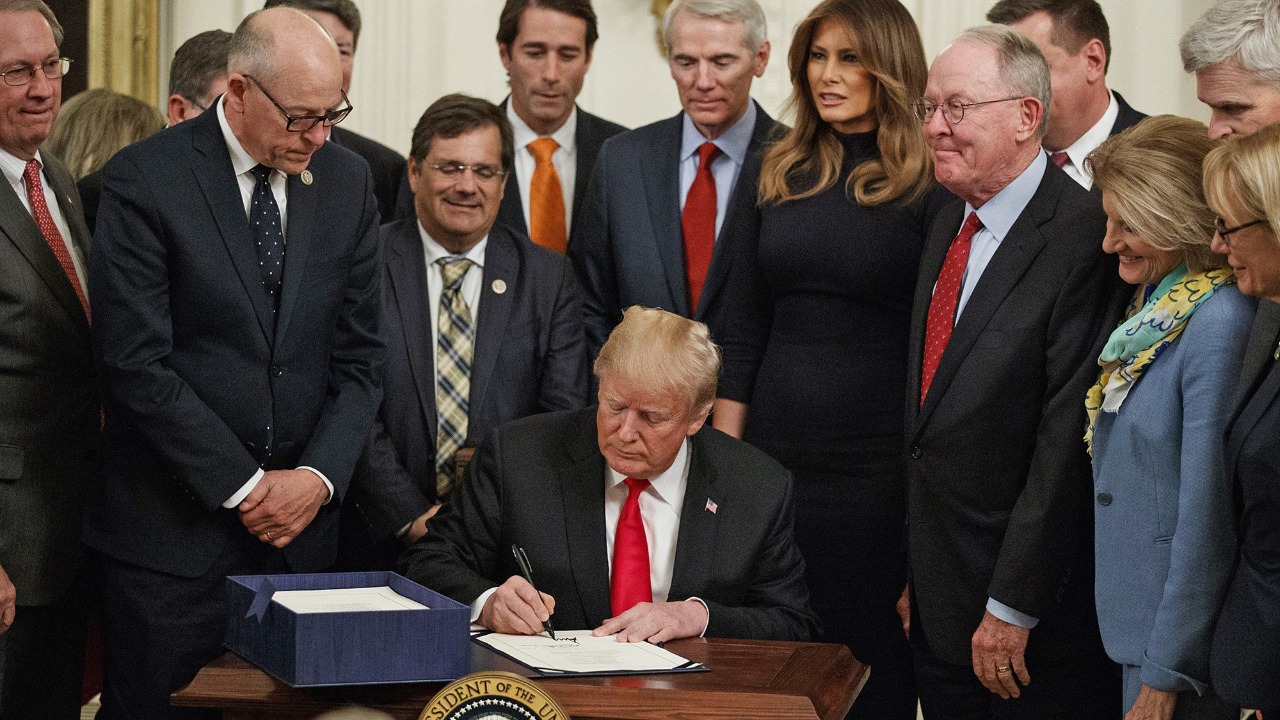
The Trump administration implemented a series of tariff policies aimed at reshaping the United States’ trade dynamics. These policies targeted a range of sectors, with significant emphasis on China and other major trade partners. The automotive industry, a cornerstone of the U.S. manufacturing sector, found itself in the crosshairs of these measures. Justifying these tariffs, the administration argued that they were necessary to protect American jobs and curb perceived unfair trade practices.
However, the rationale behind these tariffs was met with mixed reactions. Supporters believed they would strengthen domestic industries by reducing reliance on imported goods. Critics, however, pointed to the potential for retaliatory measures from affected countries and the risk of escalating trade tensions. For the automotive sector, the tariffs translated into higher costs for imported parts, which are integral to the production processes of companies like GM.
Financial Impact on GM

General Motors reported a staggering $1.1 billion financial hit due to these tariffs in just the second quarter of the fiscal year. This loss underscored the tangible impact of political decisions on corporate financial health. The added costs from tariffs on essential materials and components directly affected GM’s bottom line, forcing the company to reevaluate its financial strategies.
Beyond the direct financial loss, the tariffs also influenced GM’s stock performance and investor confidence. Shareholders responded cautiously, concerned about the long-term implications of these additional expenses on GM’s profitability. The company’s leadership faced the challenge of communicating these impacts to stakeholders while devising strategies to mitigate further financial setbacks.
Effects on the Automotive Supply Chain

The tariffs disrupted the automotive supply chain by increasing costs for imported materials and components, which are vital for vehicle production. GM, like other automakers, had to navigate these challenges by reassessing their supply chain strategies. The increased costs were often passed down the supply chain, impacting suppliers and, ultimately, consumers.
To counter these disruptions, GM and other companies looked for alternative sourcing strategies and considered investing in domestic manufacturing capabilities. However, these adjustments required time and resources, further complicating their immediate financial outlook. The situation highlighted the vulnerability of global supply chains to political and economic shifts, emphasizing the need for strategic agility in the face of uncertainty.
Reactions from Industry Stakeholders

GM executives and other industry leaders expressed concern over the tariff impacts, emphasizing the need for stable trade policies that support industry growth. Statements from company executives underscored the challenges posed by increased operational costs and the strategic measures being taken to address them.
Industry associations and trade groups also voiced their positions, calling for more predictable trade policies that allow for long-term planning. These groups advocated for dialogue between the government and industry stakeholders to ensure that tariff policies do not undermine the competitiveness of domestic manufacturers on the global stage.
Long-term Implications for Global Trade

The tariffs’ impact extends beyond immediate financial losses and supply chain disruptions, potentially altering trade relationships between the U.S. and key automotive markets such as Japan and China. The introduction of these measures has led to a strategic reevaluation of trade partnerships and manufacturing locations, with potential long-term consequences for global trade dynamics.
Looking ahead, the future of trade policies remains uncertain, with subsequent administrations potentially taking different approaches. Predictions for future trade policies suggest a possible shift towards more collaborative and less confrontational strategies. These changes could influence the automotive industry, shaping the competitive landscape and determining how companies like GM navigate the complexities of international trade in the years to come.

Grant Mercer covers market dynamics, business trends, and the economic forces driving growth across industries. His analysis connects macro movements with real-world implications for investors, entrepreneurs, and professionals. Through his work at The Daily Overview, Grant helps readers understand how markets function and where opportunities may emerge.

