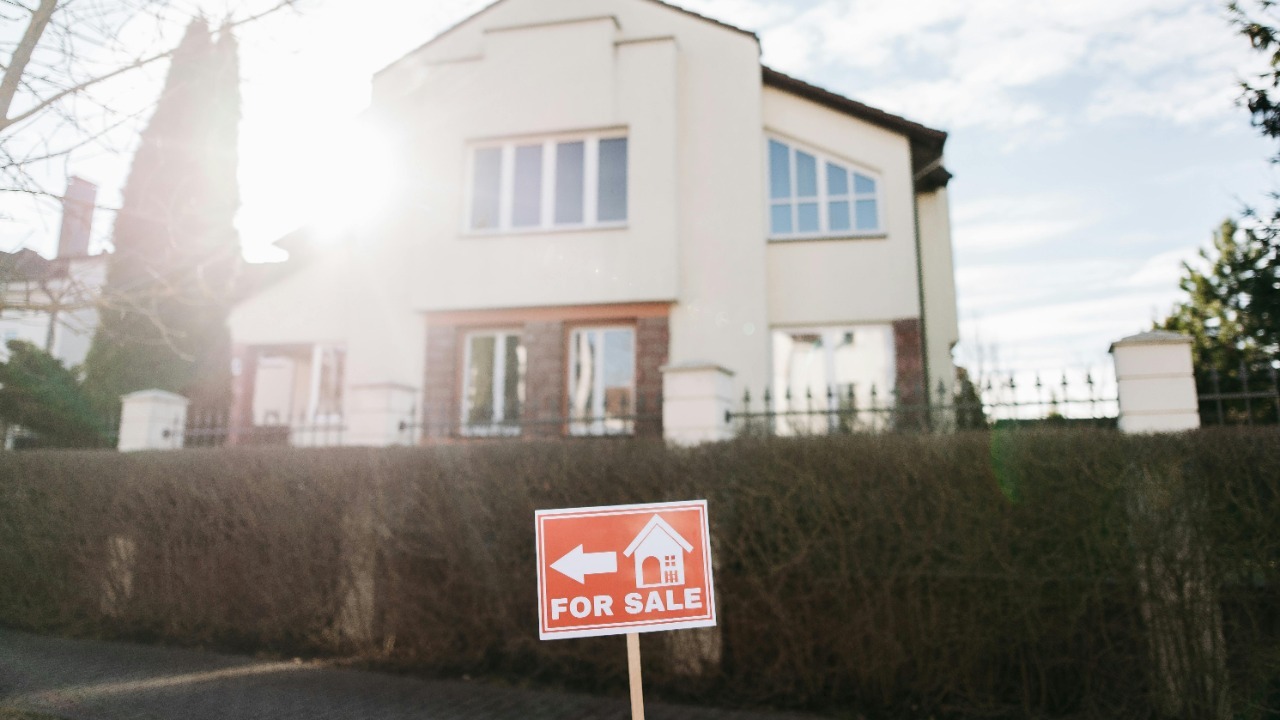
US home sales are nearing their lowest point since 1995, sparking concerns about the real estate market’s overall health. Analysts suggest that reaching a specific mortgage rate could be the key to reigniting buyer demand and reversing this downward trend. This potential shift offers a glimmer of hope for those looking to enter the housing market or upgrade their current living situation.
The Current State of US Home Sales
The current state of US home sales is drawing comparisons to 1995, marking the worst performance in nearly three decades. This decline is not just a statistical anomaly but a reflection of broader economic and social factors. High inflation rates, coupled with stagnant wage growth, have eroded purchasing power, making it difficult for potential buyers to afford homes. Additionally, the lingering effects of the COVID-19 pandemic have reshaped work and living preferences, influencing where and how people choose to live.
Regional differences also play a significant role in the current housing market landscape. While some areas, particularly in the Sun Belt, continue to see relatively strong demand due to population growth and economic opportunities, other regions are experiencing a slowdown. The Northeast and Midwest, for example, have seen more significant declines in home sales, partly due to demographic shifts and economic challenges. These regional disparities highlight the complex nature of the housing market and the varying factors influencing buyer behavior across the country.
In addition to economic factors, the psychological impact of market volatility cannot be underestimated. Potential buyers often hesitate to make significant financial commitments during uncertain times, fearing further declines in property values or unexpected economic downturns. This cautious approach contributes to the current stagnation in home sales, as individuals opt to wait for more stable conditions before entering the market. Furthermore, the availability of homes has been affected by supply chain disruptions and labor shortages in the construction industry, which have slowed the pace of new home builds and renovations, further constraining the market.
The Role of Mortgage Rates

Mortgage rates are a critical factor in the housing market, and analysts believe that a “magic” mortgage rate could reignite buyer demand. Historically, lower mortgage rates have made homeownership more affordable, encouraging more people to enter the market. This trend has been observed in previous economic cycles, where reductions in interest rates have led to increased home sales and a more robust housing market.
Currently, mortgage rates are fluctuating, and predictions for the near future suggest potential decreases. If rates fall to the level that analysts consider the “magic” number, it could open the floodgates for buyers who have been waiting on the sidelines. This potential shift could provide a much-needed boost to the housing market, offering opportunities for both buyers and sellers to benefit from renewed activity.
Beyond the immediate effects of mortgage rates on affordability, their influence extends to consumer confidence and market psychology. When rates are perceived to be on a downward trend, potential buyers may feel a sense of urgency to lock in favorable terms, spurring increased activity. Conversely, when rates are high or unpredictable, potential buyers may delay purchases, anticipating better conditions in the future. This dynamic underscores the importance of clear communication from financial institutions and policymakers to manage expectations and encourage informed decision-making among consumers.
Potential Impact on Buyers and Sellers

A shift in mortgage rates could have significant implications for both first-time homebuyers and those looking to upgrade. For first-time buyers, lower rates could mean the difference between renting and owning, providing an opportunity to build equity and invest in their future. For those looking to upgrade, reduced rates could make larger or more desirable properties more attainable, facilitating moves that might have been financially out of reach.
Sellers could also benefit from increased buyer demand. A more active market could lead to quicker sales and potentially higher prices, as competition among buyers drives up offers. Real estate agents and brokers stand to gain from this increased activity as well, with more transactions leading to greater opportunities for commissions and business growth. However, the situation also presents challenges, such as navigating a competitive market and ensuring that buyers and sellers are well-informed about their options.
For sellers, the potential for increased demand due to lower mortgage rates could also mean a more competitive market environment. This scenario might encourage homeowners who were previously hesitant to sell to list their properties, hoping to capitalize on favorable conditions. However, this influx of listings could also lead to a more balanced market, where buyers have more options and sellers need to be strategic in pricing and marketing their homes to stand out. Additionally, the role of technology in real estate transactions is becoming increasingly significant, with virtual tours and online platforms playing a crucial role in connecting buyers and sellers in a rapidly evolving market.
Long-Term Economic Implications

The broader economic implications of sustained low home sales are significant. A sluggish housing market can have ripple effects throughout the economy, impacting industries such as construction, home improvement, and mortgage lending. These sectors rely heavily on a robust housing market, and prolonged downturns can lead to job losses and reduced economic activity.
Potential policy responses or interventions could be considered to stabilize the housing market. These might include measures to make homeownership more accessible, such as tax incentives or subsidies for first-time buyers. Additionally, efforts to address underlying economic issues, such as wage stagnation and inflation, could help improve the overall health of the housing market. The impact on related industries underscores the importance of a stable housing market for the broader economy, highlighting the need for careful monitoring and strategic interventions.
For more detailed insights, you can read the full article on Moneywise.
In the long term, the health of the housing market is closely tied to broader economic indicators such as employment rates and consumer spending. A robust housing market can stimulate economic growth by increasing demand for goods and services related to homeownership, from furniture and appliances to landscaping and maintenance services. Conversely, a prolonged downturn in home sales can dampen consumer confidence and reduce spending, creating a feedback loop that further constrains economic growth. Policymakers must therefore consider a holistic approach that addresses both immediate market conditions and underlying economic challenges to foster a sustainable recovery.

Elias Broderick specializes in residential and commercial real estate, with a focus on market cycles, property fundamentals, and investment strategy. His writing translates complex housing and development trends into clear insights for both new and experienced investors. At The Daily Overview, Elias explores how real estate fits into long-term wealth planning.