President Donald Trump has signaled that he is prepared to sign legislation that would force the public release of federal records related to Jeffrey Epstein, turning a long-simmering transparency fight into an immediate test of how far Washington is willing to go in exposing a notorious sex-trafficking case. His comments have raised expectations among victims’ advocates and civil libertarians, while also sharpening anxiety among political and business elites whose names could appear in the files.
The bill, which has drawn rare bipartisan interest, would direct agencies to declassify and disclose a broad set of Epstein-related documents unless they meet narrow national security or privacy exemptions. Trump’s pledge puts the White House at the center of a debate over how to balance public accountability, institutional embarrassment, and the legal rights of people who appear in investigative records but were never charged.
Trump’s on-camera promise and what it actually covers
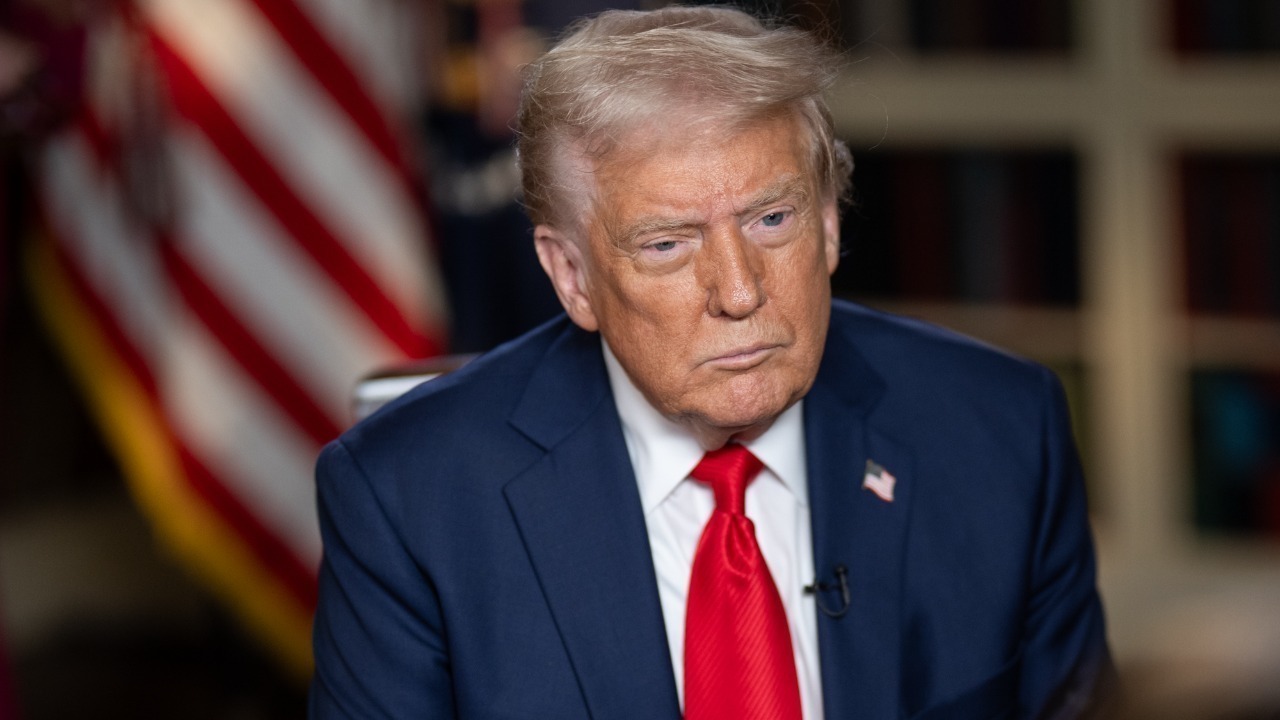
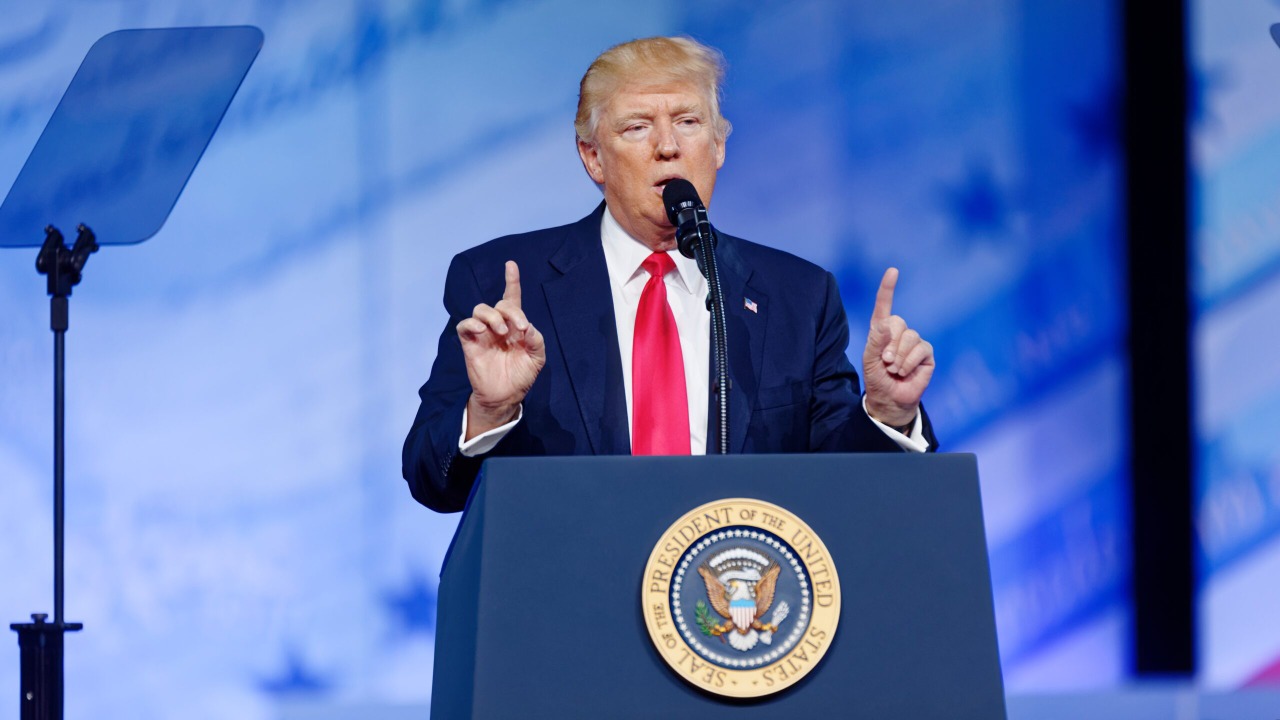
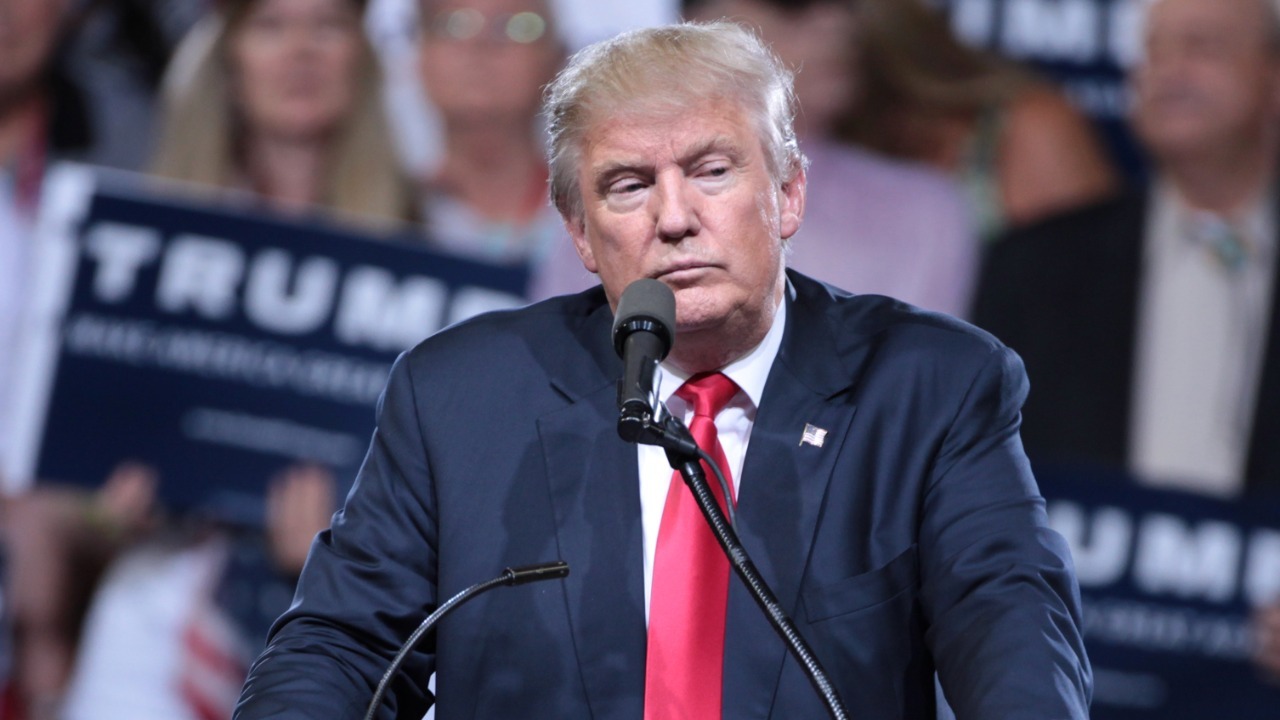
I see Trump’s latest remarks as both a political calculation and a substantive commitment, because he is not just musing about transparency in the abstract but explicitly tying himself to a bill that could soon reach his desk. In a recent exchange, he said he would approve legislation requiring the release of Epstein-related records if Congress sends it to him, framing the move as a straightforward matter of letting the public “see what happened” in the case. That assurance, delivered in front of cameras and shared widely online, has already been clipped into short segments that show him affirming that he would sign such a measure once it arrives at the White House.
Video from a brief gaggle captures Trump responding to a question about the proposal and stating that he is “fine” with the idea of making the files public, a moment that has been circulated in a short news segment that highlights his willingness to sign an Epstein records bill if it reaches his desk, as seen in one broadcast clip. A longer on-air discussion of his comments underscores that he is aligning himself with the broad concept of disclosure rather than quibbling over specific redactions, with anchors replaying his pledge and analysts debating how much authority the bill would give the executive branch to withhold sensitive material, a dynamic that is evident in a televised segment shared through cable coverage.
How the Epstein files bill is moving through Congress
For Trump’s promise to matter, Congress has to deliver a bill, and lawmakers have already begun sketching out how a disclosure regime would work. Reporting on Capitol Hill describes a measure that would instruct federal agencies to comb through their Epstein-related holdings, identify investigative and intelligence records, and release them on a rolling schedule unless they fall under narrow exemptions for national security, ongoing law enforcement, or the protection of victims’ identities. The legislation is being compared to past transparency efforts that forced the release of records on historical controversies, with sponsors arguing that the Epstein case has reached a similar threshold of public interest.
Coverage of the negotiations notes that House and Senate backers are working through details such as which agencies would be covered, how quickly they would have to act, and what kind of review board, if any, would referee disputes over redactions, issues that have been laid out in a detailed rundown of congressional maneuvering. Another account of the legislative push explains that the proposal has already drawn support from members in both parties who see the Epstein saga as a test of whether the government can confront institutional failures in handling sex-trafficking and abuse cases, and it notes that the bill’s sponsors are explicitly working on language that would send a clear directive to the president once it passes both chambers, a trajectory described in a broader look at how the House and Senate are lining up behind the measure.
What kinds of records could be exposed
When I look at the scope of what might be released, it is clear that the stakes go far beyond a few high-profile names. The bill is expected to sweep in investigative files from federal prosecutors, internal communications from agencies that handled Epstein’s earlier cases, and potentially intelligence reports that touched on his travel, associates, or financial dealings. That could mean memos about the controversial plea deal he received in Florida, correspondence between Justice Department officials, and records of how federal authorities responded to allegations from victims over a span of years.
One detailed overview of the proposal notes that the legislation would cover records held by agencies that investigated Epstein or interacted with him in an official capacity, including case files, interview notes, and internal emails, and that it would set default timelines for public release unless specific harm can be shown, a structure described in reporting on how the Epstein records bill would operate. Another analysis emphasizes that the measure could also touch on documents that reference prominent business leaders, politicians, and other public figures who appear in flight logs, visitor lists, or correspondence but were never charged, raising complex questions about privacy and reputational harm that lawmakers are still trying to address, concerns that are highlighted in a policy-focused look at how Trump has said he would sign a bill to release Epstein-related files.
Trump’s political calculus and his history with Epstein
Trump’s embrace of the bill cannot be separated from the political context in which he is operating, including his own past proximity to Epstein and his current posture as a president who frequently casts himself as an outsider willing to expose entrenched interests. He has previously been asked about his interactions with Epstein in the early 2000s and has tended to minimize the relationship, stressing that he cut ties long before Epstein’s 2019 arrest and that he had “a falling out” with him. By backing a disclosure bill, Trump is effectively betting that full or partial release of federal records will not implicate him in a way that undercuts that narrative, and may instead reinforce his claim that he distanced himself from Epstein.
In a recent interview, Trump was pressed directly on whether he would sign a measure requiring the release of Epstein-related documents, and he responded that he would, while also reiterating that he was “not a fan” of Epstein and had barred him from his properties, a stance captured in a sit-down conversation shared through a video interview. Another segment shows him fielding questions about whether he is concerned that his own name could appear in the files and replying that he is “not worried” and that transparency is more important, a line of argument that appears in a separate clip of Trump discussing the Epstein records legislation.
Transparency, privacy, and what happens if the bill reaches Trump’s desk
If Congress sends the bill to the White House, Trump will face a set of competing pressures that go beyond his personal history. On one side are victims’ advocates and transparency groups who argue that the government owes the public a full accounting of how Epstein was able to operate for so long, including any institutional failures or preferential treatment he received. On the other are civil liberties lawyers and some lawmakers who warn that releasing raw investigative files could expose victims’ identities, unfairly tar people who were never charged, or reveal sensitive law enforcement techniques that are still in use.
Trump has tried to position himself squarely on the side of disclosure, telling one interviewer that he is “for” releasing the records and that he would sign the bill if it arrives on his desk, comments that were highlighted in a segment where he was asked whether he would approve an Epstein files measure and answered that he would, as reflected in a recent exchange. Another account of his remarks quotes him saying that he is “in” on the idea of making the files public and that he believes the American people should see what is in them, language that appears in a write-up of his pledge that he will sign the Epstein records bill if it reaches him.
Whether that promise translates into a swift signature will depend on how aggressively Congress pushes the measure and how executive branch lawyers interpret its exemptions once it is on the president’s desk. If the bill advances in its current form, Trump will have to decide whether to accept a broad mandate for disclosure that could unsettle powerful institutions or to seek changes that carve out more room for secrecy, a choice that will test how far his rhetoric about transparency extends when it collides with the realities of governing.
More From TheDailyOverview
- Dave Ramsey warns to stop 401(k) contributions
- 11 night jobs you can do from home (not exciting but steady)
- Small U.S. cities ready to boom next
- 19 things boomers should never sell no matter what

Grant Mercer covers market dynamics, business trends, and the economic forces driving growth across industries. His analysis connects macro movements with real-world implications for investors, entrepreneurs, and professionals. Through his work at The Daily Overview, Grant helps readers understand how markets function and where opportunities may emerge.