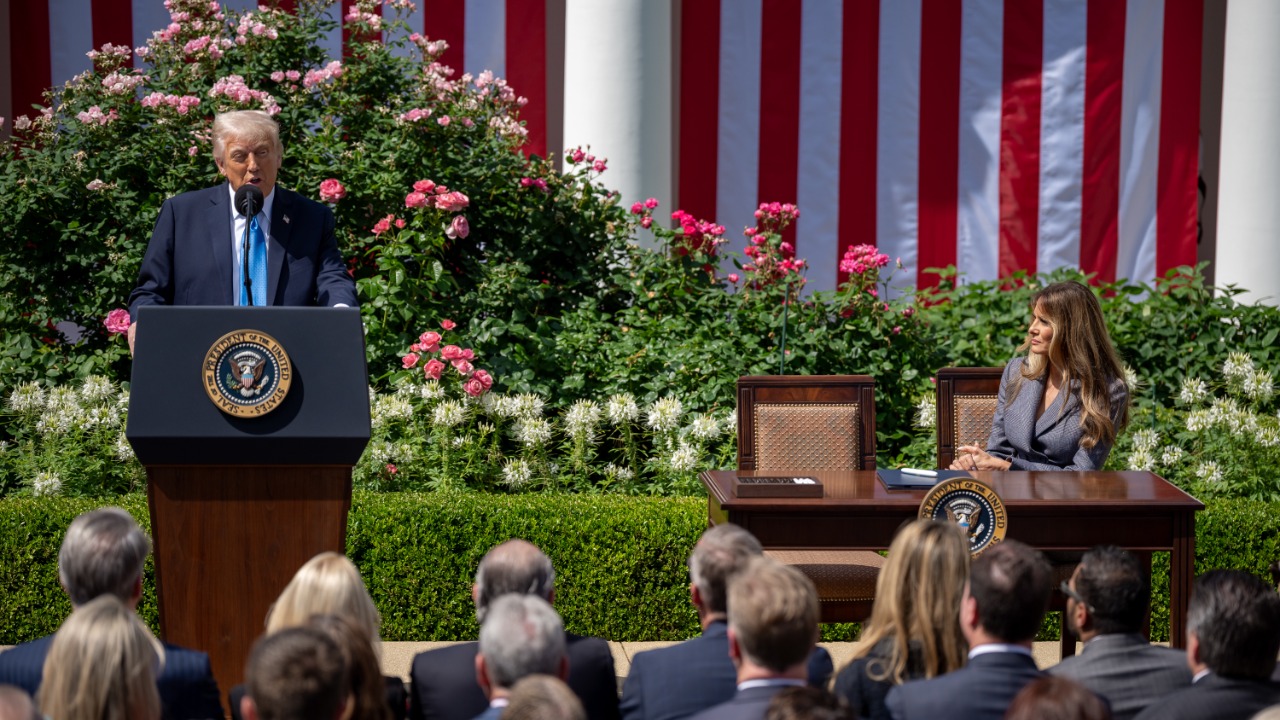
In a recent statement, President Donald Trump suggested that implementing trade tariffs could potentially eliminate income taxes for Americans earning under $200,000. This bold claim has sparked widespread debate among economists, policymakers, and citizens, as it raises questions about the feasibility and impact of such a policy shift. As the United States continues to grapple with economic challenges, Trump’s proposal brings fresh perspectives to the ongoing debate about tax reform.
The Rationale Behind Tariffs as a Tax Solution
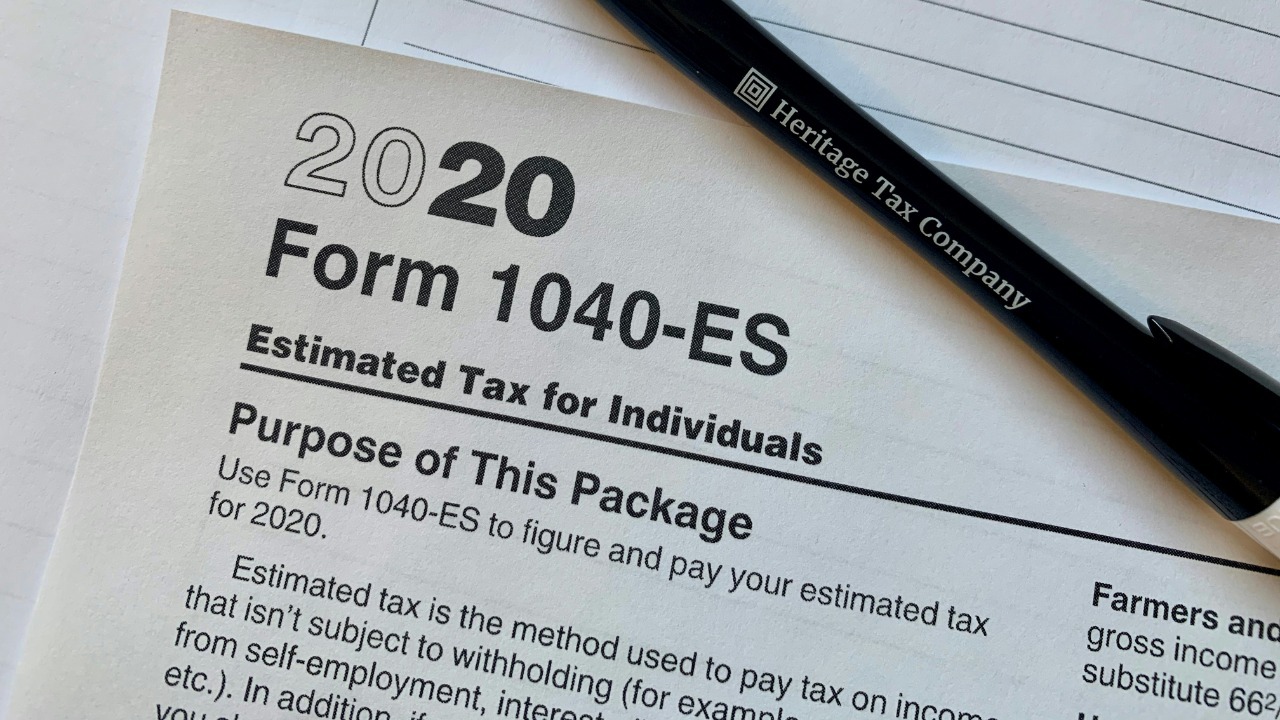
Trump’s proposal hinges on the idea that by imposing tariffs on foreign goods, the government could raise sufficient revenue to offset the need for income taxes on individuals making less than $200,000 annually. The concept is based on the premise that tariffs, by taxing imported goods, would generate a steady stream of income for the federal government, thereby alleviating the tax burden on middle-class Americans. This approach would, theoretically, shift the tax responsibility from individuals to companies engaged in international trade.
This isn’t the first time tariffs have been suggested as a substitute for more traditional forms of taxation. Similar ideas have surfaced in the past, with varying degrees of success and failure. In the 19th century, for example, tariffs were a primary source of federal revenue in the United States before the establishment of the income tax in 1913. While some economists see merit in revisiting tariff-based revenue models, others caution against the potential pitfalls. Experts like those at the Progressive Policy Institute have highlighted the challenges, noting that such a system might disproportionately impact lower-income consumers if tariffs lead to higher retail prices.
Economic Implications of Increased Tariffs
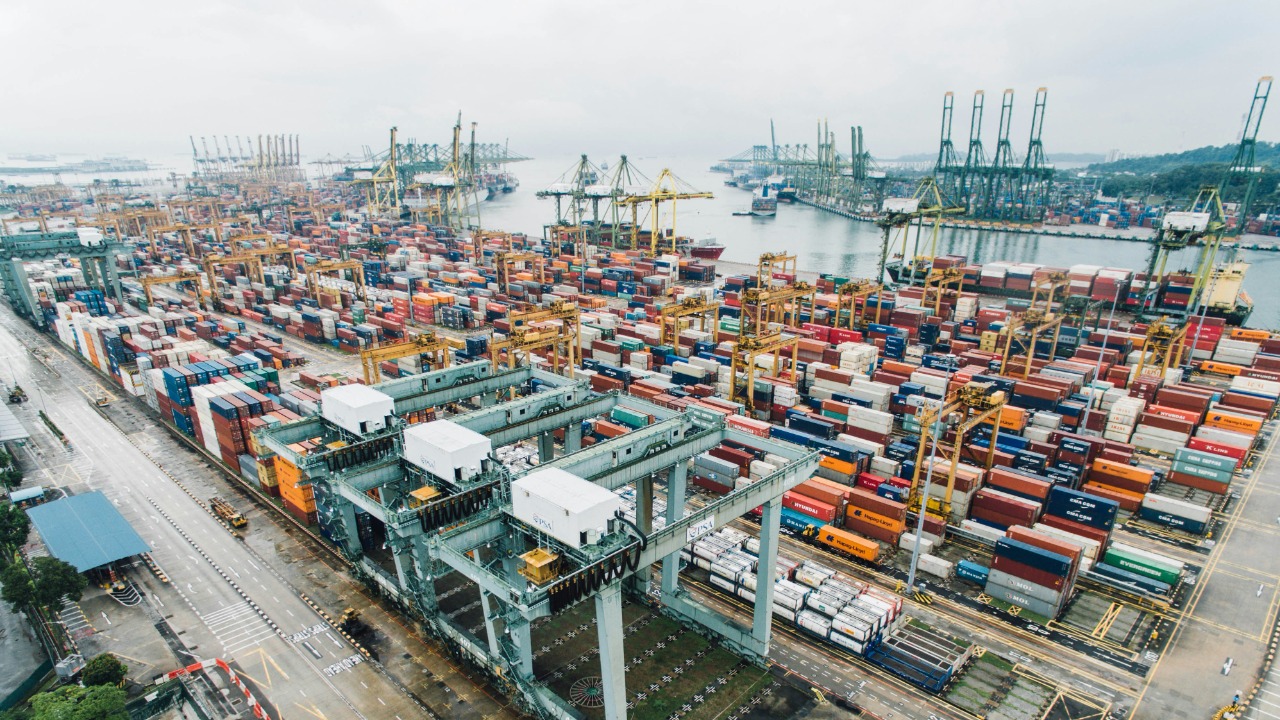
One of the primary concerns with increasing tariffs is their potential effect on the domestic economy. By raising the cost of imported goods, tariffs can lead to higher consumer prices, which may offset any tax relief benefits for middle-income households. This effect was notably observed during the trade tensions initiated by the Trump administration in 2018, which resulted in higher prices for goods like washing machines and electronics. Businesses, especially those reliant on global supply chains, could face increased operational costs, potentially leading to downsizing or relocation to more tariff-friendly regions.
Internationally, altering trade dynamics through increased tariffs could have both risks and benefits. While it might incentivize domestic production and protect local industries, it could also provoke retaliatory measures from trade partners, leading to a cycle of escalating tariffs that disrupt global trade. The long-term predictions by economists are mixed; while some foresee potential growth in domestic industries, others warn of strained international relations and reduced competitiveness of American products abroad.
Criticism and Support from Political and Economic Circles

The proposal has elicited varied reactions from policymakers. Supporters argue that it could provide much-needed relief to middle-income Americans and encourage domestic production. Critics, however, point out that the complexities of global trade and the potential for negative repercussions on consumer prices and international relations make it a risky strategy. Some politicians see tariffs as a tool for economic nationalism, while others view them as a double-edged sword that might harm more than help.
Economic experts are similarly divided. Some financial analysts believe that a shift towards tariff-based revenue could spark innovation and growth in certain sectors. Others caution that the broader economic implications could be detrimental. The idea that tariffs could replace income taxes has been met with skepticism by many economists, who argue that the unpredictable nature of international trade could lead to unstable revenue streams. According to Investment News, the potential for retaliatory tariffs could further complicate the economic landscape.
Comparative Analysis: Tariffs vs. Income Taxation
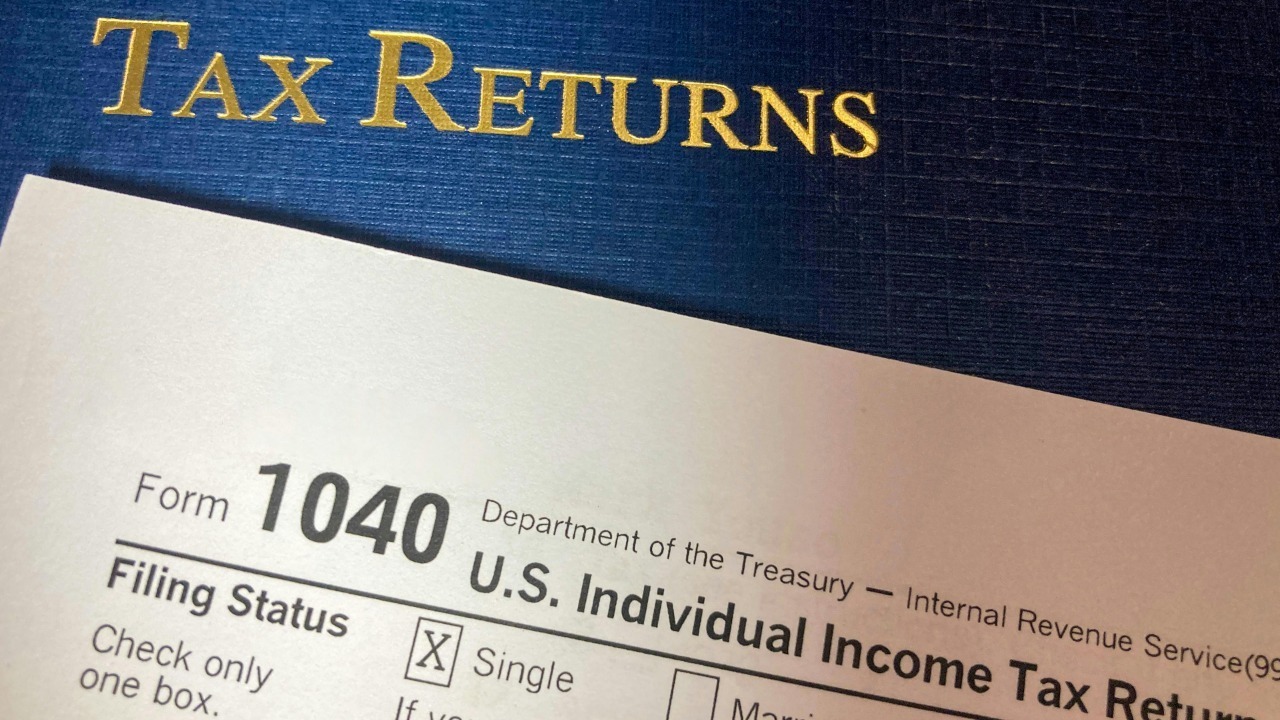
Historically, tariffs have played a significant role in U.S. tax policy, particularly before the establishment of the federal income tax. During the 19th century, tariffs were a primary revenue source for the government, but the economic context was vastly different. The U.S. economy was less interconnected with the global market, and the domestic manufacturing sector was the backbone of economic growth.
Relying on tariffs instead of income taxes presents both advantages and disadvantages. On the one hand, it could simplify the tax code and reduce administrative burdens associated with income tax collection. On the other hand, it might lead to unequal tax burdens, as lower-income families could end up paying more due to increased prices on essential goods. Looking at case studies from other countries, such as those in the European Union that have experimented with different tax mixes, provides valuable insights. For example, Investment News highlights that countries with high tariffs often experience increased consumer prices, which can negate the intended benefits of tax relief.
The Path Forward: Potential Next Steps for U.S. Tax Policy
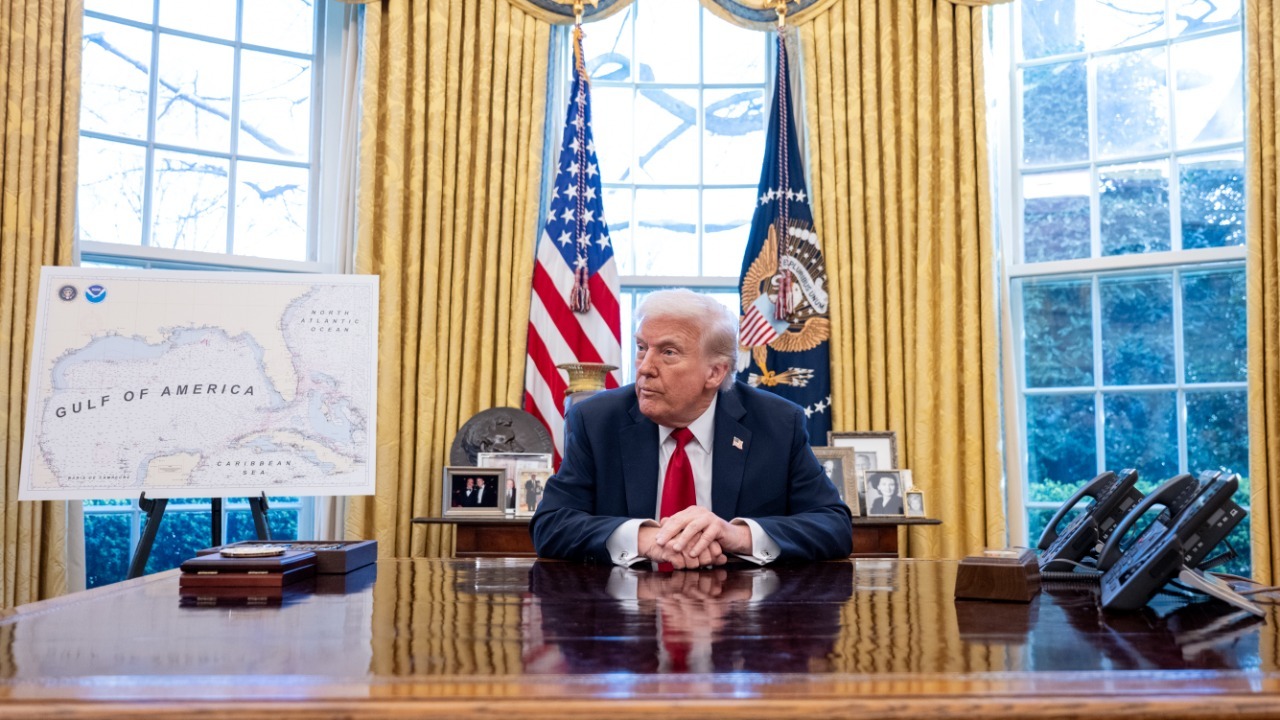
Should Trump’s proposal gain traction, it would face significant legislative hurdles before becoming reality. Passing such a policy would require bipartisan support in Congress, which is often challenging given the current political climate. Additionally, the potential impact on international trade agreements and existing tariffs would need careful consideration.
In the broader context of U.S. tax policy, other solutions have been proposed to alleviate tax burdens on middle-income Americans. These include expanding tax credits, reducing payroll taxes, and implementing progressive tax reforms. As debates continue, key issues to watch include the balance between fostering domestic growth and maintaining healthy trade relations. The ongoing discussion about tax reform and economic strategy is crucial as the nation navigates the complexities of a global economy. For more insights, the Progressive Policy Institute offers detailed analyses of potential tax reforms and their implications.

Julian Harrow specializes in taxation, IRS rules, and compliance strategy. His work helps readers navigate complex tax codes, deadlines, and reporting requirements while identifying opportunities for efficiency and risk reduction. At The Daily Overview, Julian breaks down tax-related topics with precision and clarity, making a traditionally dense subject easier to understand.

