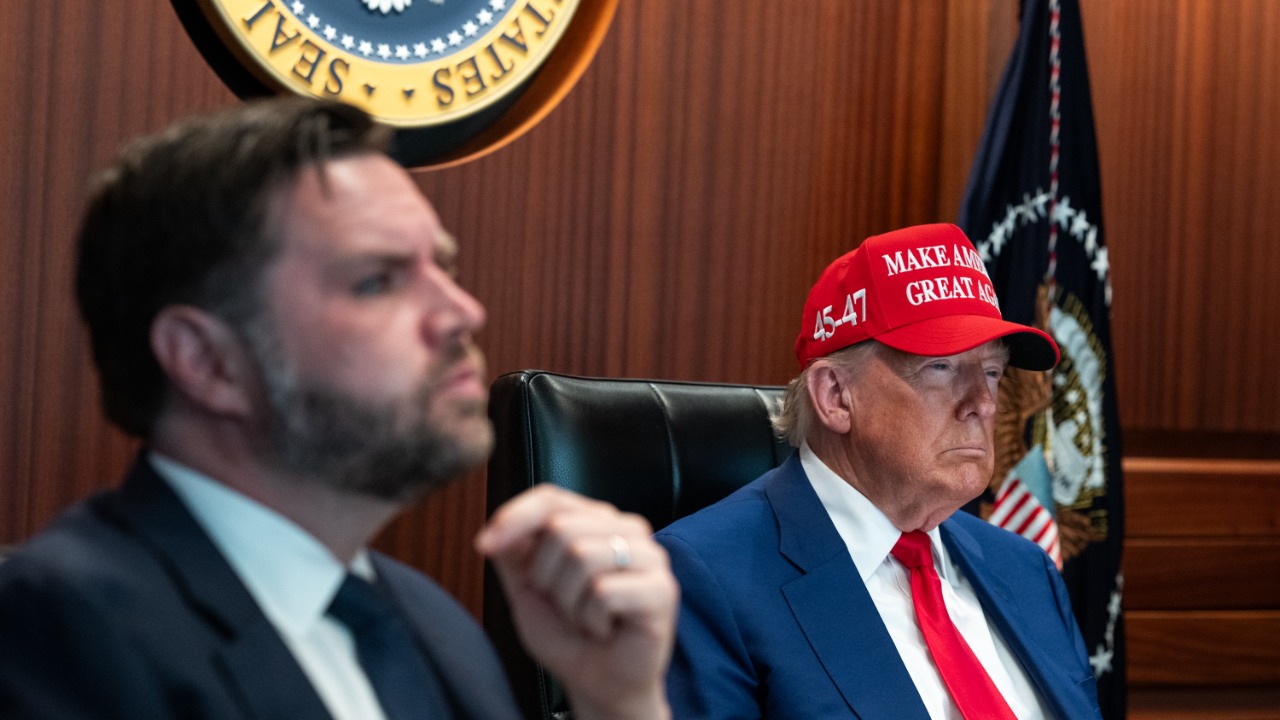
The Supreme Court is poised to examine a pivotal case that challenges President Trump’s use of tariffs, marking the first significant test of his presidential powers in this domain. The case, initiated by a small toymaker, is set for oral arguments on November 4, 2025. Despite the looming legal battle, Trump has expressed confidence, citing alternative tariffs as a contingency plan. His administration is actively preparing backup strategies to maintain import fees, a notable shift from previous approaches that lacked such foresight.
The Origins of the Tariffs Challenge
The Supreme Court’s upcoming deliberation on tariffs represents a critical examination of presidential authority in trade policy. This case is the first substantial legal challenge to Trump’s trade policies since their inception, highlighting the contentious use of tariffs as a tool of executive power. The involvement of a small toymaker as the plaintiff underscores the case’s significance, as it could redefine the scope and application of import duties in the United States. This legal showdown is not just about tariffs; it is about the broader implications for presidential power and trade policy.
The White House’s primary strategy, or Plan A, is to secure a favorable ruling from the Supreme Court. This approach reflects a more composed and prepared administration compared to earlier phases of Trump’s trade policy implementation. The administration’s confidence in its legal position suggests a strategic shift, aiming to solidify its trade defenses while preparing for potential setbacks. This case could set a precedent for how future administrations wield tariff powers, making its outcome crucial for stakeholders across various industries.
Trump’s Stance Ahead of Oral Arguments
President Trump has publicly conveyed his confidence in the face of the Supreme Court challenge, emphasizing the robustness of his tariff policies. On November 4, 2025, he reiterated his belief in the legality and necessity of the tariffs, while also highlighting the existence of other tariffs as a viable Plan B. This dual approach not only provides a safety net against a potential court rejection but also shifts the narrative from a singular reliance on the Supreme Court’s decision.
The broader context of this case involves a critical examination of Trump’s presidential powers concerning tariffs. The arguments will focus on the legality and scope of these measures, with significant implications for the administration’s ability to unilaterally impose such duties. This case is a litmus test for the balance of power between the executive branch and the judiciary, with potential ripple effects on future trade policies and international relations.
Backup Plans to Sustain Import Charges
In anticipation of a possible Supreme Court rejection, Trump’s staff is diligently developing backup plans to continue imposing import charges. This proactive stance marks a departure from previous White House strategies, which lacked such contingency measures. The administration’s acknowledgment of a Plan B underscores its commitment to maintaining trade defenses, regardless of the court’s decision. This approach reflects a more strategic and resilient posture in navigating complex trade challenges.
The potential implications of the Supreme Court’s ruling extend beyond the immediate case. A decision against the tariffs could reshape the landscape of U.S. trade policy, influencing how future administrations approach similar measures. The backup strategy, if activated, would demonstrate the administration’s adaptability and determination to uphold its trade objectives. This case serves as a critical juncture in the ongoing debate over the use of tariffs and the limits of presidential authority in economic policy.
More From TheDailyOverview
- Dave Ramsey warns to stop 401(k) contributions
- 11 night jobs you can do from home (not exciting but steady)
- Small U.S. cities ready to boom next
- 19 things boomers should never sell no matter what

Grant Mercer covers market dynamics, business trends, and the economic forces driving growth across industries. His analysis connects macro movements with real-world implications for investors, entrepreneurs, and professionals. Through his work at The Daily Overview, Grant helps readers understand how markets function and where opportunities may emerge.

