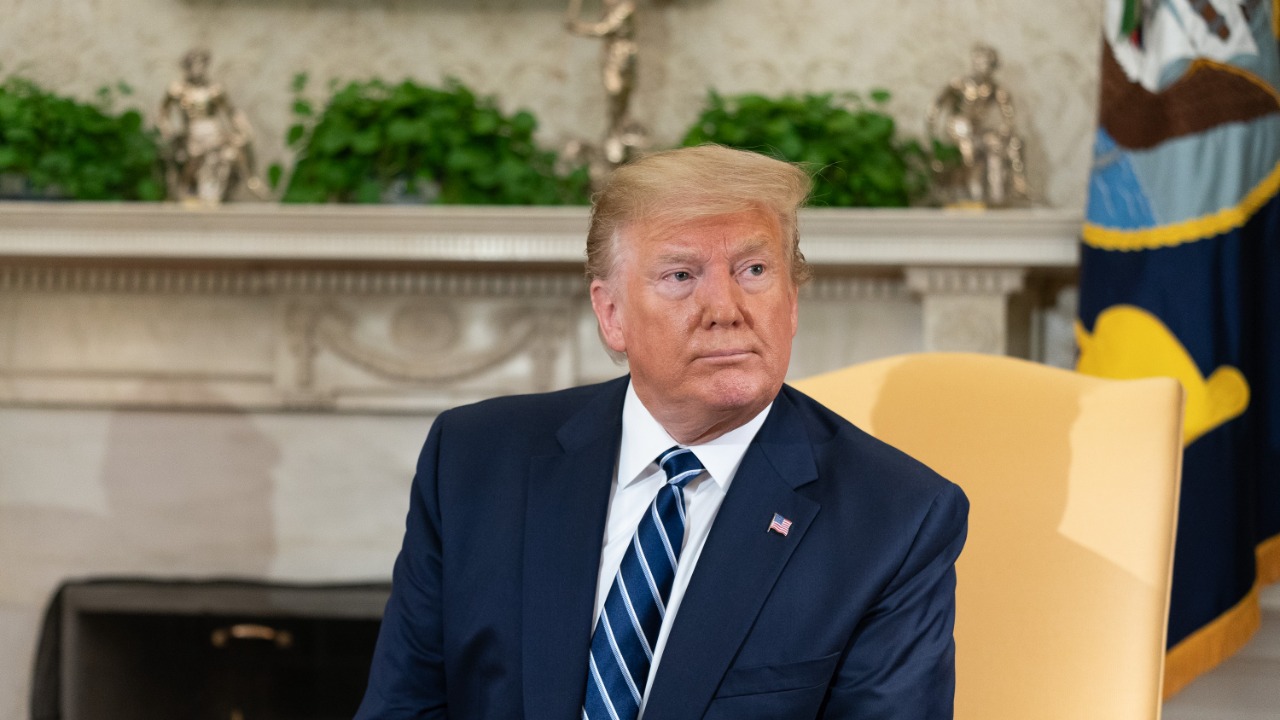
President Trump has threatened to impose a 10% tariff on Canadian imports following a controversial TV ad featuring Ronald Reagan that aired during the World Series on October 26, 2025. This ad, which criticized Trump’s tariff policies, has been a point of contention, with Trump accusing Canada of not removing it promptly. The tariff threat is part of Trump’s broader trade strategy, which includes new tariffs on Canada while simultaneously seeking to ease tensions with China through potential tariff reductions and discussions involving Nvidia. In response, Canadian officials, including Mark Carney, have been positioning Canada as a reliable trade partner to ASEAN nations.
Trump’s Initial Tariff Announcement
On October 26, 2025, President Trump announced new tariffs on Canada, citing ongoing trade disputes and the need for reciprocal measures in bilateral relations. This announcement was made as Trump was also working to de-escalate trade tensions with China, aiming to secure a “great deal” through potential tariff reductions. The timing of these Canada-focused tariffs marked a significant shift from previous USMCA negotiations, introducing fresh uncertainty for cross-border commerce. The move underscores Trump’s strategic pivot in international trade policy, balancing aggressive stances with Canada while seeking cooperation with China.
The announcement of these tariffs coincided with Trump’s efforts to reduce trade tensions with China, highlighting a strategic pivot toward sealing a “great deal” through potential tariff reductions. This dual approach reflects a nuanced strategy in Trump’s trade policy, where he seeks to leverage tariffs as both a punitive measure and a negotiating tool. The implications for stakeholders are significant, as businesses on both sides of the U.S.-Canada border face increased uncertainty and potential disruptions in trade flows.
The Controversy Surrounding the TV Ad
The controversy erupted when Trump threatened a 10% extra import tax on Canada for not pulling down an anti-tariffs ad featuring Ronald Reagan sooner. The ad aired during the World Series on October 26, 2025, and was described as controversial, prompting Trump’s public ire. On October 27, 2025, Trump issued explicit warnings of a 10% tariff hike on Canadian imports as retaliation. The ad’s content, opposing Trump’s tariff policies, escalated the rhetoric, with Trump tying the delay in its removal directly to punitive trade actions.
Coverage of the incident detailed how the ad’s content, which opposed Trump’s tariff policies, escalated the rhetoric, with Trump tying the delay in its removal directly to punitive trade actions. This development has significant implications for U.S.-Canada relations, as it highlights the sensitivity of political messaging and its potential impact on international trade policies. The stakes are high for Canadian exporters, who may face increased costs and barriers in accessing the U.S. market if the tariffs are implemented.
Contrasting Developments with China and Canadian Responses
While tensions with Canada have escalated, the U.S. and China reached a trade framework agreement on October 27, 2025. This development underscores the divergent bilateral strategies being pursued by the Trump administration. As Trump simultaneously threatened the 10% tariff on Canada, he was also working to finalize a “great deal” with China involving tariff cuts and Nvidia-related agenda items. This dual-track approach reflects a complex balancing act in Trump’s trade policy, where he seeks to manage multiple international relationships with differing strategies.
In response to Trump’s threats, Mark Carney, a prominent Canadian official, pitched Canada as a “reliable” partner to ASEAN leaders on October 26, 2025. This move aims to mitigate potential economic fallout from escalated U.S. tariffs by strengthening trade ties with other international partners. The stakes for Canada are significant, as the country seeks to diversify its trade relationships and reduce its reliance on the U.S. market amid rising tensions. Carney’s outreach to ASEAN nations highlights Canada’s proactive approach in navigating the challenges posed by Trump’s tariff threats.
These developments illustrate the complex dynamics of international trade under the Trump administration, where aggressive tariff policies are used as both a tool for negotiation and a means of exerting pressure on trade partners. As the situation unfolds, businesses and policymakers will need to closely monitor the evolving landscape and adapt their strategies accordingly to navigate the challenges and opportunities presented by these shifting trade policies.
More From TheDailyOverview
- Dave Ramsey warns to stop 401(k) contributions
- 11 night jobs you can do from home (not exciting but steady)
- Small U.S. cities ready to boom next
- 19 things boomers should never sell no matter what

Grant Mercer covers market dynamics, business trends, and the economic forces driving growth across industries. His analysis connects macro movements with real-world implications for investors, entrepreneurs, and professionals. Through his work at The Daily Overview, Grant helps readers understand how markets function and where opportunities may emerge.

