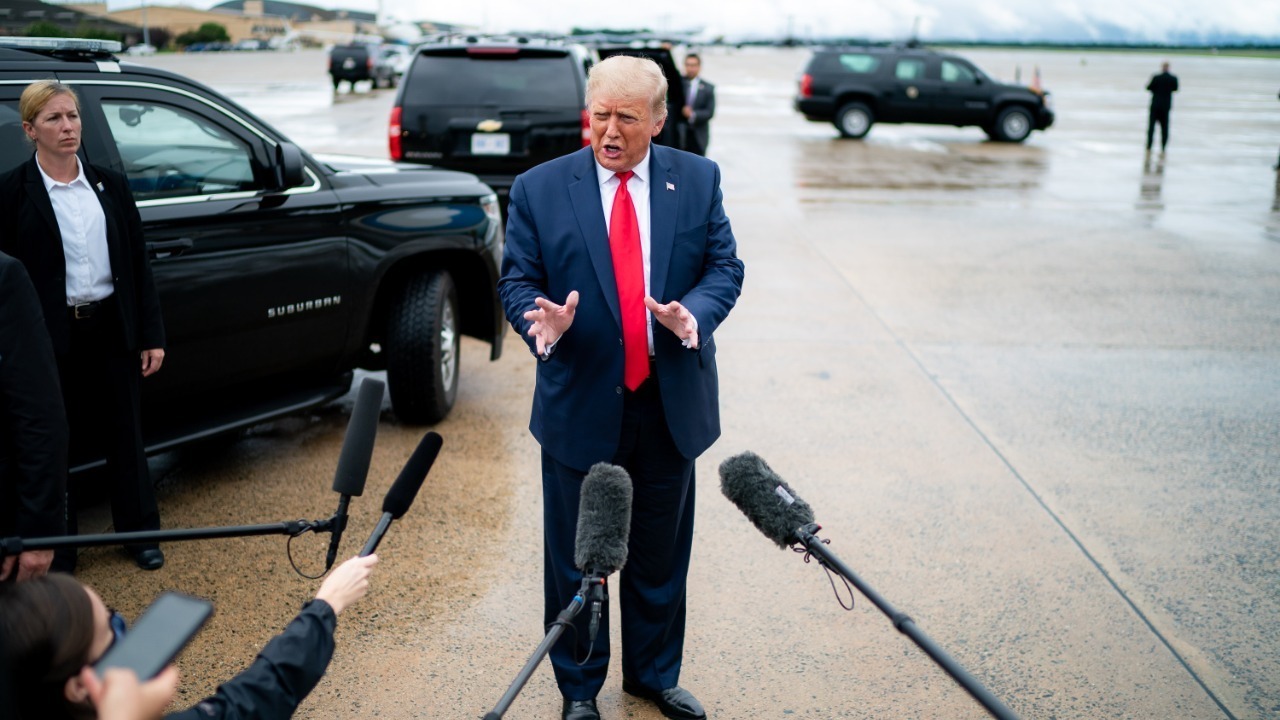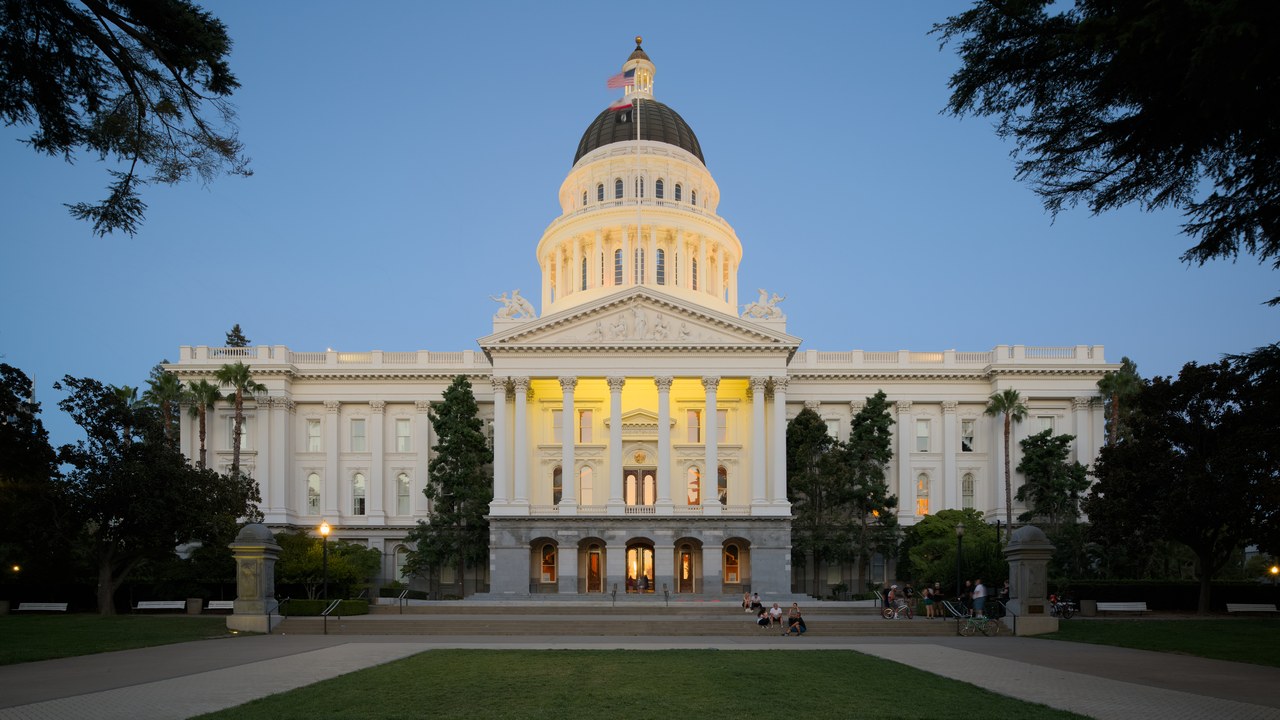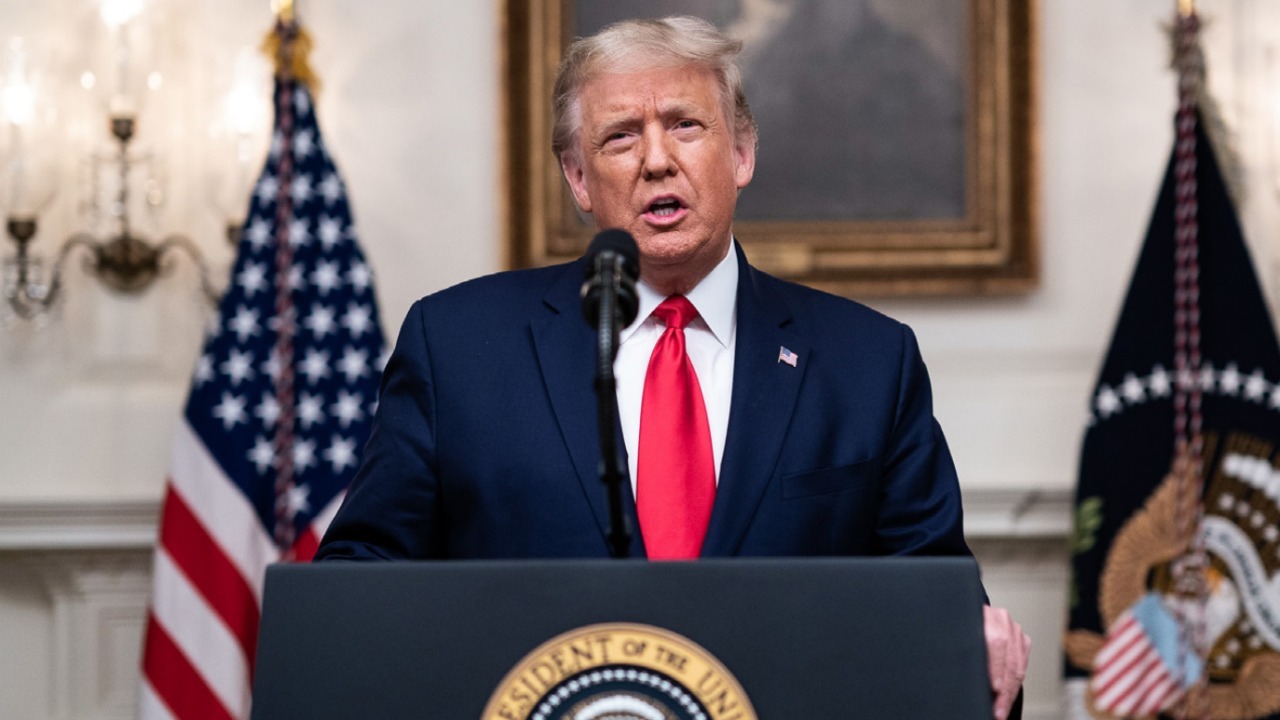
President Donald Trump is preparing to halt federal payments to jurisdictions with sanctuary policies starting February 1, a sweeping move his allies frame as a crackdown on crime and misuse of public money. The plan would target cities and states that limit cooperation with federal immigration authorities, potentially touching everything from housing grants to transportation dollars. I want to look at whether the promised payoff, less fraud and less crime, matches what the law and the data actually suggest.
At stake is not only the future of sanctuary rules but also the basic balance of power between the White House, Congress and local governments. The record from earlier legal fights, and a growing body of research on public safety in immigrant communities, points to a far more complicated picture than the simple narrative of “lawless” cities that the administration is selling.
What Trump is actually threatening to do on February 1
When President Trump spoke about sanctuary jurisdictions earlier this week, he put the threat in stark terms, saying that “Starting February 1st, we’re not making any payments to sanctuary cities or states having sanctuary cities, because they do everything they can to protect criminals, to protect illegal aliens, and to protect anybody that supports sanctuary cities.” That promise, reported in detail by Starting February, goes far beyond the narrower grant conditions that past administrations have tried to attach to law enforcement funds. It is framed as a blanket freeze on “any payments” to governments that maintain these policies.
The political context around that threat is equally aggressive. The White House has promoted the effort as part of a broader push to “end” sanctuary rules, with supporters arguing that “Ending sanctuary policies is important to public safety, important to the integrity of immigration laws, and helpful in reducing the number of criminal aliens who have been protected.” That framing, highlighted in coverage of the administration’s latest moves to expand its campaign against sanctuary jurisdictions, underscores how central the crime narrative has become to this strategy, even as legal experts and researchers question whether the promised safety benefits will materialize in practice, as seen in recent analysis of Ending these policies.
The legal minefield: can a president really cut “all” funds?
Even before getting to crime statistics, the February 1 deadline runs into a basic constitutional question: can a president unilaterally shut off virtually all federal money to disfavored cities and states. A law professor who spoke to reporter Chris Tye, identified as an Anchor and political Reporter at CBS News Chicago, noted that the threat could reach money for housing, transportation and public safety, but also stressed that the details of how the administration writes the rules will determine whether it survives in court. Earlier efforts to condition grants on immigration cooperation were already narrowed by judges who found the executive branch had gone beyond what Congress authorized.
That history is crucial. In August of a previous year, a federal judge blocked the Trump administration from cutting off federal funding for dozens of sanctuary cities and counties, finding that the earlier order was “very, very open-ended” and raised serious separation of powers concerns. Legal scholars who have surveyed the first round of sanctuary litigation, including a Texas Law Review article cited in a recent commentary, argue that the Constitution gives Congress, not the president, the power of the purse, and that sweeping threats to withhold all federal funding from sanctuary cities and states are likely to be struck down again, as underscored in a detailed See survey of those cases.
The limits of executive power are not unique to immigration. When Trump threatened to permanently cut off funding to the World Health Organization and withdraw United States membership, analysts pointed out that much of that money had been appropriated by Congress and that it was “not immediately clear” how Trump, identified in that report as Donald Trump, could legally withhold those funds without legislative approval. That earlier clash over WHO funding, captured in a Trump focused analysis, foreshadowed the same structural problem now facing the sanctuary freeze: presidents can redirect some discretionary grants, but turning off the spigot for “any payments” collides with Congress’s control over federal spending.
Do sanctuary policies actually drive crime, or reduce it?
The administration’s core claim is that sanctuary rules turn cities into magnets for criminals, but the best available research does not back that up. A 2017 report on counties that do not honor detainers from ICE found a correlation with lower crime rates and stronger local economies compared with similar places that fully cooperate with federal immigration enforcement, according to an overview of sanctuary policies that examined how these jurisdictions handle ICE requests. That finding is echoed in a broader review of sanctuary policies that concludes there is no evidence they produce a crime wave and some evidence they coincide with safer communities.
Other work has gone deeper into the numbers. An analysis of FBI crime data by Tom Wong, a professor of political science at the University of California, San Diego, compared sanctuary and non sanctuary counties and found that the former had either similar or lower crime rates, including lower homicide rates, than comparable non sanctuary counties, according to a detailed analysis. A separate assessment of sanctuary cities, which defined them as places where city officials or police departments are expressly barred from using local resources to enforce federal immigration law, similarly found no evidence that these policies increase crime or undocumented immigration, as summarized in a Sanctuary Cities, Crime, review.
The one study that worries critics, and how it fits the bigger picture
Critics of sanctuary rules often point to economic models suggesting that such policies could, in theory, lower the opportunity cost of crime for some individuals. One peer reviewed paper, summarized in an Abstract of research on sanctuary cities and crime, argues that sanctuary policies may attract criminals and produce a spiral of declining public safety. That model focuses on how reduced deportation risk might change incentives for a subset of offenders, and it has been cited by those who see sanctuary rules as inherently dangerous.
But when I stack that work against the broader empirical record, it looks more like an outlier than a consensus. A comprehensive overview of sanctuary policies published by the American Immigration Council, available in a detailed Sanctuary Policies report, emphasizes that most studies find either no statistically significant impact on crime or modest reductions in certain offenses. Another synthesis of research on Places with Welcoming Policies, which describes them as Safer for All, concludes that, Again and again, studies show no correlation between sanctuary policies and higher crime, and in some cases link them to better health and economic outcomes, as laid out in a data rich Places analysis.
That broader pattern is consistent with a separate political fact check that reviewed available research and concluded that there is no statistically significant evidence that sanctuary policies increase crime, and even a possible decrease in some categories, a point underscored in a detailed But the review. Taken together, the data suggest that if the February 1 freeze is justified as an anti crime measure, it rests on a thin slice of the literature rather than the weight of the evidence.
More From TheDailyOverview

Silas Redman writes about the structure of modern banking, financial regulations, and the rules that govern money movement. His work examines how institutions, policies, and compliance frameworks affect individuals and businesses alike. At The Daily Overview, Silas aims to help readers better understand the systems operating behind everyday financial decisions.