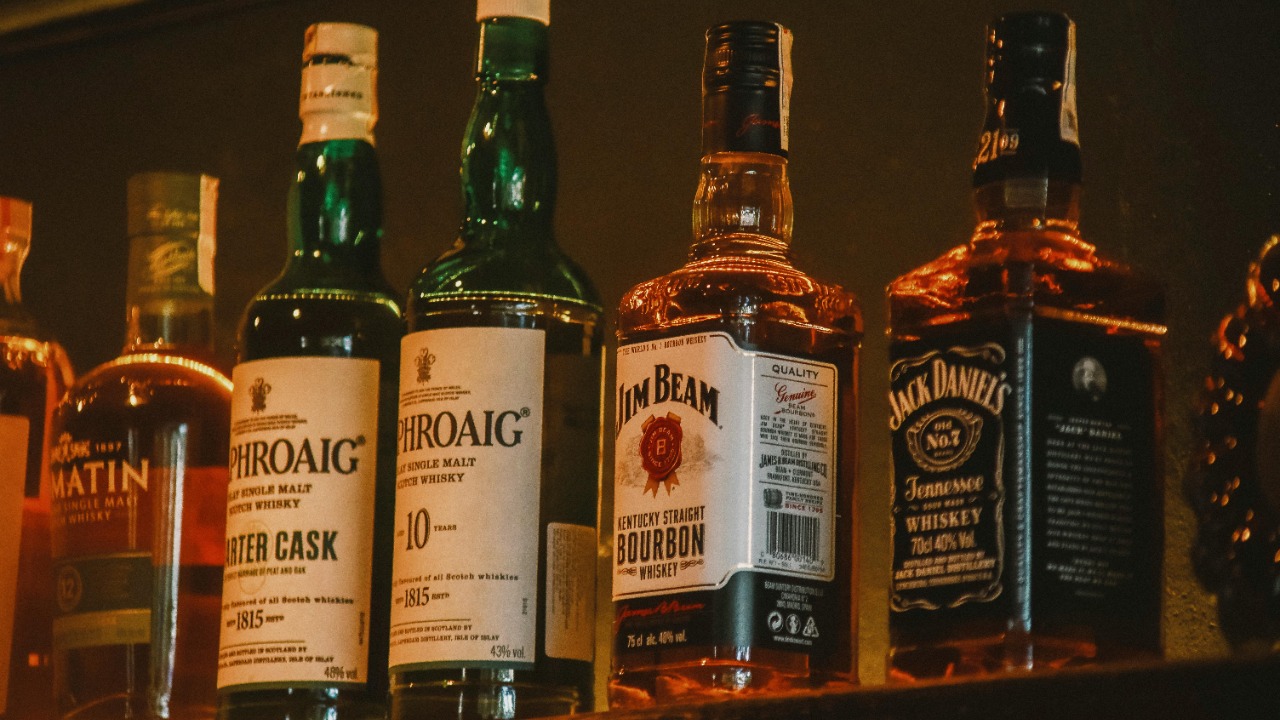
Donald Trump’s trade war rhetoric may sound abstract from a rally stage, but the costs land in very specific places: on Kentucky’s bottling lines, in its barrel warehouses, and in the paychecks of workers who depend on bourbon exports. The tariffs that defined his first term helped trigger retaliation from trading partners, and the bourbon industry has been one of the visible targets. If similar policies were revived, trade critics warn that the hit to export revenue could ripple through a state economy where every stable job already matters and where employment benchmarks from the U.S. Bureau of Labor Statistics (BLS) show limited slack in many counties.
For Kentucky, the stakes go well beyond a single product. Bourbon is tightly woven into tourism, agriculture, trucking, and glass and barrel manufacturing. When tariffs make American whiskey more expensive overseas, that pressure shows up not only in distillery balance sheets but also in hiring decisions in counties that have few alternative employers. In this context, even a modest percentage change in export‑related payrolls can matter in places where a single large facility may account for dozens of jobs, and where state employment data are tracked in increments as specific as 698 or 526 covered workers in a given county and quarter.
Kentucky’s job base on the line
To understand how a renewed trade war could “gut Kentucky jobs,” the analysis has to start with a baseline: how many people are working now, and how steady those jobs look. The official yardstick comes from the Quarterly Census of Employment and Wages, a benchmark dataset that tracks covered employment across the state. In its report on Kentucky county employment for the third quarter of 2024, the BLS presents county‑level covered employment in detailed counts, including examples where a mid‑sized county reports about 698 jobs in a particular industry and a smaller county reports closer to 526, underscoring how thin some local labor markets are.
Those figures are not broken out by bourbon or even by distilling, but they set the scale of what is at risk. When a signature export industry faces sustained foreign tariffs, the immediate concern is not that the entire statewide employment count in that BLS release will suddenly collapse. A more realistic fear, as labor economists and industry advocates often note, is that a relatively small but high‑wage cluster of distilling and related jobs could shrink, especially in rural counties where a single large distillery can shape the local labor market. The same BLS tables that show a county with 48 covered establishments or another with 27 employers in a key sector highlight how losing even 45 export‑linked positions can materially change the options available to workers in that area.
How tariffs hit bourbon first
Trade wars rarely unfold on a blank slate. When the Trump administration imposed tariffs on steel, aluminum, and a range of Chinese goods, major trading partners responded by targeting politically and culturally symbolic U.S. exports. Bourbon fit that bill: it is legally defined as a distinctive American product, and Kentucky dominates its production. Retaliatory tariffs on American whiskey made bottles from brands like Jim Beam and Maker’s Mark more expensive in key overseas markets, cutting into demand and squeezing margins on what had been one of the industry’s faster‑growing export revenue streams in the years before those tariffs, according to trade association summaries and company earnings commentary.
The structure of bourbon production magnifies that pressure. Distilleries invest years of capital into aging barrels before they can sell a single bottle, so they cannot quickly pivot away from export‑heavy strategies when tariffs hit. Instead, they face a choice between absorbing the added cost, raising prices abroad, or scaling back production plans. Industry filings and trade group statements have described those retaliatory tariffs as costing bourbon producers substantial sums in lost sales and foregone expansion, with some operators publicly warning that the combination of higher input prices and weaker foreign demand would slow hiring. While precise figures vary by company and market and are not itemized in the BLS employment data, the pattern is consistent in those industry accounts: the trade war made it harder to sell Kentucky whiskey overseas just as global demand had been climbing.
From export pain to local payrolls
The leap from lost export revenue to lost Kentucky jobs is not automatic, but it is also not hypothetical. Distilleries are capital‑intensive operations that support a web of contractors and suppliers, from grain farmers and cooperages to trucking firms and tourism operators. When overseas orders slow or margins tighten, management often responds by delaying new hires, trimming overtime, or postponing facility upgrades. These decisions may not show up immediately in statewide employment totals, yet they can be felt acutely in towns where the distillery is the anchor employer and where alternative work is scarce, particularly in counties whose total covered employment is measured in the low hundreds rather than tens of thousands.
This is where the BLS benchmark data becomes more than a spreadsheet. The same Kentucky QCEW release that reports covered employment counts in the hundreds also reflects average weekly wage levels that help gauge how well workers are doing in those jobs at specific points in time, such as the third quarter of 2024. If distilleries respond to tariff‑driven pressure by holding down wage growth or shifting more work to temporary contractors, that can weaken the earnings profile of entire counties even if headline employment levels appear stable. Analysts who argue that tariffs “protect American jobs” often skip this step, focusing on factory headcounts in targeted industries while overlooking the slower wage growth and delayed hiring in export‑oriented sectors caught in the crossfire.
Why “America First” backfires in bourbon country
Supporters of Trump’s trade war often frame tariffs as a tool to defend American manufacturing and correct unfair practices abroad. That argument tends to center on steel mills and auto plants, not on whiskey warehouses in Bardstown or Clermont. Yet the bourbon story illustrates how a narrow focus on one set of factories can hurt another set of workers whose jobs also depend on global markets. When foreign governments design retaliation lists, they do not limit themselves to the sectors Washington is trying to shield; they choose products that carry political and cultural weight, and American whiskey has become one of those pressure points in recent trade disputes.
Critics of the “America First” approach argue that the policy design treated exports like bourbon as acceptable collateral damage in a broader fight over trade balances and industrial policy. From a Kentucky worker’s perspective, there is little comfort in being told that their lost overtime or canceled expansion is the price of a national strategy that rarely mentions them by name. The BLS employment benchmarks show how many Kentuckians are on payrolls at a given moment in specific quarters; they do not distinguish between jobs saved in one industry and jobs quietly sacrificed in another. That accounting blind spot, opponents contend, has allowed trade‑war advocates to claim success while leaving export‑driven regions to absorb the fallout in the form of slower wage gains and fewer new positions.
Rethinking trade fights before the next round
Looking ahead, the key question is not whether Kentucky can survive another round of tariffs; the state’s workers have weathered plant closures and commodity swings before. The more relevant question, raised by trade policy researchers and local officials alike, is why federal trade strategy keeps treating export‑heavy sectors like bourbon as expendable, even when they are central to a state’s identity and tax base. A better approach would start by mapping how retaliation tends to land and by building protections or adjustment support for those communities into the initial policy design, rather than scrambling to respond after the damage is done.
More From The Daily Overview
*This article was researched with the help of AI, with human editors creating the final content.

Grant Mercer covers market dynamics, business trends, and the economic forces driving growth across industries. His analysis connects macro movements with real-world implications for investors, entrepreneurs, and professionals. Through his work at The Daily Overview, Grant helps readers understand how markets function and where opportunities may emerge.


