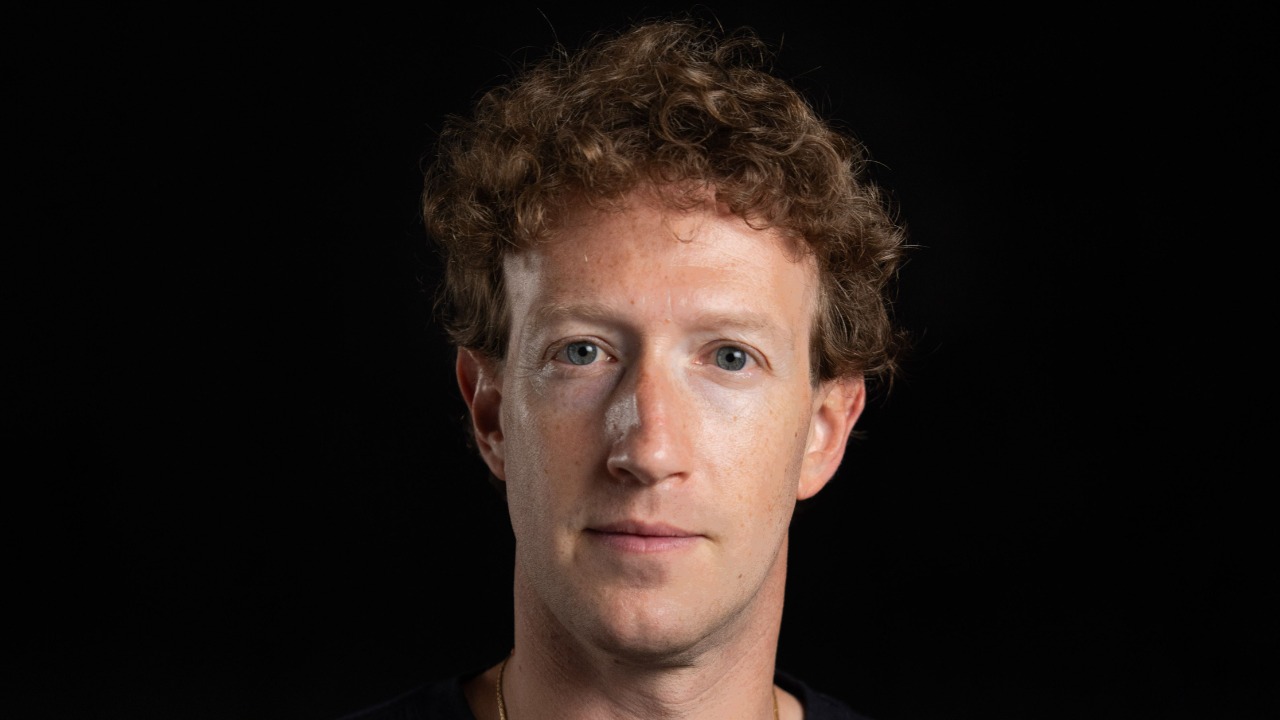
Mark Zuckerberg’s decision to plant roots in Florida has become a convenient symbol in a much bigger fight over how far California should go in taxing extreme wealth. As California voters weigh a proposed “New tax on the wealth of billionaires,” the image of one of the world’s richest tech founders decamping to a low-tax state has sharpened the political stakes. The debate is not just over revenue, but over which state gets to define the social contract for the digital age’s richest winners.
The proposed wealth tax ballot measure, formally labeled 2025-024, would test whether a single state can meaningfully tax fortunes that exist mostly on paper and can be moved with a signature. California is already home to many billionaires, including several of the wealthiest people in the world, which makes it the natural laboratory for this experiment. The question is whether a high-profile move like Zuckerberg’s becomes a one-off headline or the opening shot in a sustained tax war between California and low-tax rivals such as Florida.
California’s billionaires in the crosshairs
California’s own fiscal experts have been clear about the stakes. In its analysis of the ballot initiative labeled “New tax on the wealth of billionaires,” the state’s Legislative Analyst’s Office explains that California is home to many billionaires and that several of the wealthiest people in the world live there. That concentration of wealth is exactly why supporters see the 2025-024 proposal as a logical step: the fortunes they want to tax are already clustered inside the state’s borders, and the state already leans heavily on high earners to fund its schools, health programs, and infrastructure.
As described in that official review, the measure would impose a new levy on the wealth of people whose fortunes reach into the billions, separate from the taxes they already pay on income. The Legislative Analyst’s Office frames “wealth” in this context as the value of things like stocks, business ownership stakes, and other assets, rather than just cash. By design, the proposal is aimed at a very small group of residents at the top of the distribution, not at ordinary homeowners or even typical millionaires, and the state analysis is explicit that California’s billionaire class is the intended target.
Why Zuckerberg’s Florida move matters
Mark Zuckerberg’s shift toward Florida living has been widely interpreted as part of a broader billionaire migration away from high-tax states, even though his personal motives are not documented in the official California analysis. His move does provide a vivid example for opponents of the wealth tax, who argue that California is already pushing its richest residents to look elsewhere. When one of the world’s best-known tech founders chooses a state famous for lower taxes and looser regulation, that choice becomes political shorthand for a deeper unease about California’s direction.
Zuckerberg’s relocation can be read less as a cause and more as a symptom of a long-running tension: California wants to keep drawing talent and capital, but it also wants those gains to show up in public budgets. The 2025-024 proposal lands in the middle of that tension. Supporters can point out that the Legislative Analyst’s Office has already documented how many of the world’s richest individuals live in California and argue that their wealth should contribute more directly to shared services. Critics counter that high-profile moves like Zuckerberg’s show how fragile that strategy could be if even a small share of those fortunes decide they prefer Florida’s approach instead.
The design and limits of a state wealth tax
The official review of the “New tax on the wealth of billionaires” initiative offers a detailed look at how a state wealth tax might work in practice. It explains that the proposal would focus on the value of assets held by extremely wealthy residents, rather than on the income those assets produce. In other words, the tax would apply to the net worth of billionaires, not to the money they realize when they sell stock or receive dividends. That design choice reflects a belief among proponents that the largest fortunes grow faster than traditional income taxes can capture, especially when wealthy individuals can time when they sell assets.
At the same time, the Legislative Analyst’s Office flags an important limit: the proposal would not apply to certain money once it has left the state’s reach. The analysis notes that some types of wealth or transactions would fall outside the tax’s scope, highlighting the practical challenge of taxing assets that can be shifted into different forms or jurisdictions. This is where the California-versus-Florida contrast becomes sharp. A billionaire who becomes a Florida resident may still own companies and properties that tie back to California, but the state’s ability to tax the person’s overall wealth would be constrained. The design of 2025-024 tries to work within those legal limits, yet it cannot erase them.
Florida’s pitch and California’s risk
Florida’s appeal in this debate rests on a simple message: lower taxes, lighter touch. While the Legislative Analyst’s Office does not analyze Florida policy directly, the contrast is implicit in how the California measure is framed. If California is preparing to tax wealth itself for the richest residents, a state that does not tax personal income at all becomes a natural comparison point. For billionaires who can work from anywhere and run global companies through digital tools, the choice between a high-tax and a low-tax state is not just about weather or lifestyle; it is about how much of their fortune remains under their control.
Much of the public discussion treats billionaire migration as a one-way threat: if California taxes wealth, the rich will simply leave, and the state will lose. The Legislative Analyst’s Office analysis of 2025-024 suggests a more complicated picture. Because California already hosts many billionaires and several of the wealthiest people in the world, it also has advantages that Florida lacks: proximity to the networks, companies, and markets that helped create those fortunes. The risk of departures is real, but it is not absolute. A state that offers world-class universities, leading tech clusters, and deep capital markets can still hold significant appeal even with a tougher tax code.
A brewing interstate tax war
Zuckerberg’s Florida move underscores an emerging competition among states over who gets to write the rules for the billionaire age. The “New tax on the wealth of billionaires” initiative would make California one of the first states to go after net worth directly, and the Legislative Analyst’s Office has already framed that debate by emphasizing just how concentrated extreme wealth is within its borders. Florida, by contrast, has built its brand on the idea that it will not make such demands, and that billionaires can enjoy their fortunes with minimal state interference.
That tension is likely to persist as long as states pursue sharply different tax strategies. If California voters approve 2025-024, other high-tax states could feel pressure to consider similar measures, if only to avoid being undercut in their own revenue base while California tests the model. Low-tax states, meanwhile, may double down on their pitch to the ultra-rich, pointing to moves like Zuckerberg’s as proof that their strategy works. The Legislative Analyst’s Office has already put key facts on the table: California is home to many billionaires, including several of the wealthiest people in the world, and the “New tax on the wealth of billionaires” is designed with them in mind. Whether those billionaires stay put or follow Zuckerberg to places like Florida will shape whether this tax competition ends in a truce, an arms race, or a quiet retreat.
More From The Daily Overview
*This article was researched with the help of AI, with human editors creating the final content.

Grant Mercer covers market dynamics, business trends, and the economic forces driving growth across industries. His analysis connects macro movements with real-world implications for investors, entrepreneurs, and professionals. Through his work at The Daily Overview, Grant helps readers understand how markets function and where opportunities may emerge.