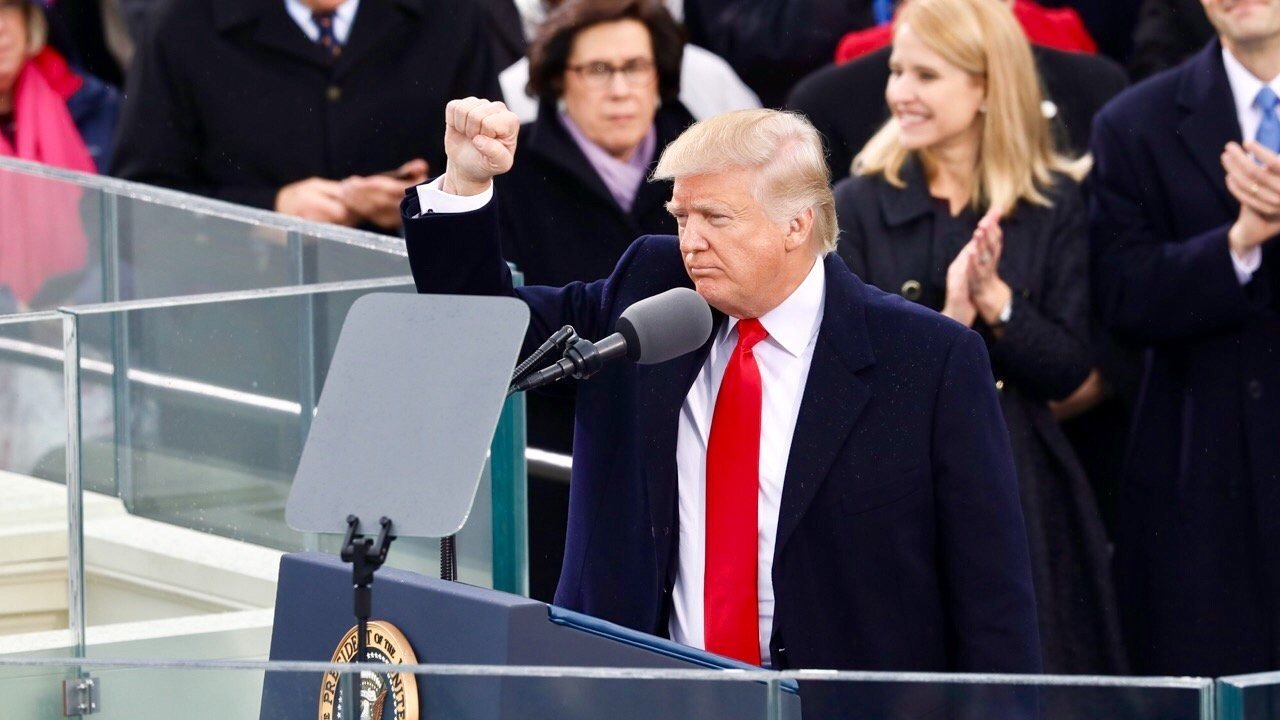
President Donald Trump used Truth Social on February 17, 2026, to declare that tax refunds this filing season will be “substantially greater than ever before,” telling Americans, “Don’t spend all of this money in one place!” The boast follows months of White House messaging that the One Big Beautiful Bill Act, signed into law in July 2025, will deliver record refunds. But the size of those refunds owes less to generous new tax cuts than to a mechanical quirk: the IRS never updated payroll withholding tables after the law passed, meaning workers overpaid federal taxes throughout 2025 and are now getting the excess back in one lump sum.
What Trump Promised on Truth Social
In his post, Trump claimed that “in some cases, estimates are that over 20% will be returned to the Taxpayer,” framing the refund season as a direct result of his legislative agenda. The message followed weeks of coordinated promotion by the administration. White House Press Secretary Karoline Leavitt had already called the 2026 refund season record-breaking during a press briefing, and the White House projected that refunds could be $1,000 higher on average than in prior years.
Congressional Republicans echoed the message. Rep. Mike Kelly and Ways and Means Chairman Jason Smith issued a joint statement calling the refund projections a “big, beautiful success story”, asserting an extra $1,000 bump per return based on analyst projections. That $1,000 figure traces to research by Piper Sandler, which the White House and congressional offices have cited repeatedly. A separate release circulated through the Ways and Means Committee similarly touted projections that 2026 refunds would be the largest on record, reinforcing the administration’s narrative that the law is delivering historic tax relief.
Why Refunds Grew: Withholding Math, Not Just Tax Cuts
The One Big Beautiful Bill Act introduced several new deductions applied retroactively to tax year 2025, including breaks on tips, overtime pay, certain Social Security benefits for seniors, and auto loan interest. Because the law was enacted in July 2025, those provisions took effect partway through the tax year. Taxpayers who earned overtime in 2025, for instance, could see a bigger refund when they file in 2026 based on the new overtime deduction, though the mechanics of claiming it can be complex for filers who did not itemize.
The real driver of the refund surge, however, is administrative. The IRS announced that it would make no changes to withholding tables or key payroll information return forms for tax year 2025. That decision meant employers continued withholding taxes at the old, higher rates even after the new deductions became law. Workers effectively lent the federal government more money than they owed all year, and the refund check simply returns that overpayment. The Tax Foundation confirmed this dynamic, noting that refunds will be larger than typical in the 2026 filing season because of the Act, but that the size of the refund reflects the gap between what was withheld and what the new law actually required.
The Gap Between a Refund and a Tax Cut
Trump’s “don’t spend” quip carries an irony that the administration’s own framing obscures. A larger refund does not necessarily mean a larger tax cut. If withholding tables had been updated promptly after the law passed, workers would have seen slightly bigger paychecks spread across the second half of 2025 instead of a single large refund in early 2026. The lump-sum effect makes the benefit feel bigger than it is. According to J.P. Morgan Asset Management, the expected refund surge is tied directly to retroactive effective dates combined with unchanged withholding, not to an unusually large reduction in overall tax liability.
This distinction matters for household budgets. A family that received, say, an extra $1,000 in their refund did not necessarily save $1,000 in taxes. They may have simply had $1,000 more withheld from their paychecks over the course of 2025. The money was always theirs; the government held it interest-free for months. Telling those families not to “spend it all in one place” treats a delayed return of their own earnings as a gift, which is a framing choice that benefits the political narrative far more than it reflects the underlying economics.
Overtime and Tips: New Deductions With Fine Print
Among the Act’s most publicized provisions is the “no tax on overtime” deduction. Taxpayers who earned overtime pay in 2025 could see a bigger refund during the 2026 filing season, but the benefit comes with income limits. According to reporting from CNBC, the deduction phases out for single filers above $150,000 and joint filers above $300,000. Workers who did not itemize their returns or whose employers did not separately track overtime hours on W-2 forms may find the deduction difficult to claim without additional documentation, especially if payroll systems did not clearly distinguish overtime from base pay throughout 2025.
The tip income provision follows a similar pattern. Service workers who depend on tips may qualify for a new deduction on a portion of their reported gratuities, but the rules are layered with eligibility thresholds and record-keeping requirements that are easy to miss. Bars and restaurants that pool tips or rely on informal cash payments may not have the kind of detailed records the IRS expects if it scrutinizes claims. Tax preparers say that, in practice, some lower- and middle-income workers will only capture the full benefit if they seek professional help, which can erode the value of the deduction. The complexity stands in contrast to the administration’s simple slogans about protecting overtime and tips, and it underscores how the law’s design can limit access to the most heavily advertised benefits.
How Republicans Are Selling the Law Back Home
Republican lawmakers who helped write and pass the One Big Beautiful Bill have spent months tying the 2026 refund season to their broader economic message. In legislative updates to constituents, Rep. Mike Kelly has pointed to his vote for the package as proof that he is backing tax relief and support for small employers, highlighting provisions he says will help local firms hire and expand. In one such communication, Kelly emphasized that he backed the bill to support tax cuts for small businesses, arguing that the same law now driving larger refunds will also lower long-term tax burdens and spur investment in his district.
Kelly has also cast the legislation as a regional economic catalyst, telling readers in western Pennsylvania that the new rules on deductions, expensing, and payroll taxes will be a “gamechanger” for his region. That messaging blends the short-term optics of unexpectedly large refunds with longer-term promises about jobs and growth. Yet the structure of this year’s refunds (rooted largely in unchanged withholding tables) suggests that the windfall many households are seeing is not a permanent feature of the tax code. Unless Congress or the IRS repeats the same withholding decision in future years, refunds are likely to shrink even if the underlying tax cuts remain in place, potentially creating confusion for taxpayers who have been told to expect the “largest ever” checks as a recurring benefit.
What Taxpayers Should Watch for Next Year
The politics of the 2026 refund season are playing out against a backdrop of growing scrutiny of how tax laws are communicated to the public. Nonpartisan advocates have urged taxpayers to distinguish between their total tax liability and the size of the check they receive in the spring, noting that an overemphasis on refunds can obscure whether a household is actually better off. As the One Big Beautiful Bill’s provisions become fully integrated into the tax system and withholding tables eventually adjust, many filers may see their refunds fall even if they are still paying less tax overall than before the law. That shift could set up a political backlash if voters interpret smaller refunds as a broken promise rather than a sign that their paychecks have quietly grown.
For now, taxpayers who want to understand how the law affects them directly can start with their own pay stubs and prior-year returns, comparing how much was withheld in 2025 to earlier years and how their final tax bill changed after applying the new deductions. They can also look to official resources, such as the public information available through the House of Representatives, to track how their elected officials voted and what future changes to the tax code might be coming. As the debate over the One Big Beautiful Bill continues, the 2026 filing season offers a case study in how technical decisions about timing and withholding can turn a modest tax change into a headline-grabbing “refund surge”—and how easily that surge can be mistaken for something it is not.
More From The Daily Overview
*This article was researched with the help of AI, with human editors creating the final content.

Julian Harrow specializes in taxation, IRS rules, and compliance strategy. His work helps readers navigate complex tax codes, deadlines, and reporting requirements while identifying opportunities for efficiency and risk reduction. At The Daily Overview, Julian breaks down tax-related topics with precision and clarity, making a traditionally dense subject easier to understand.

