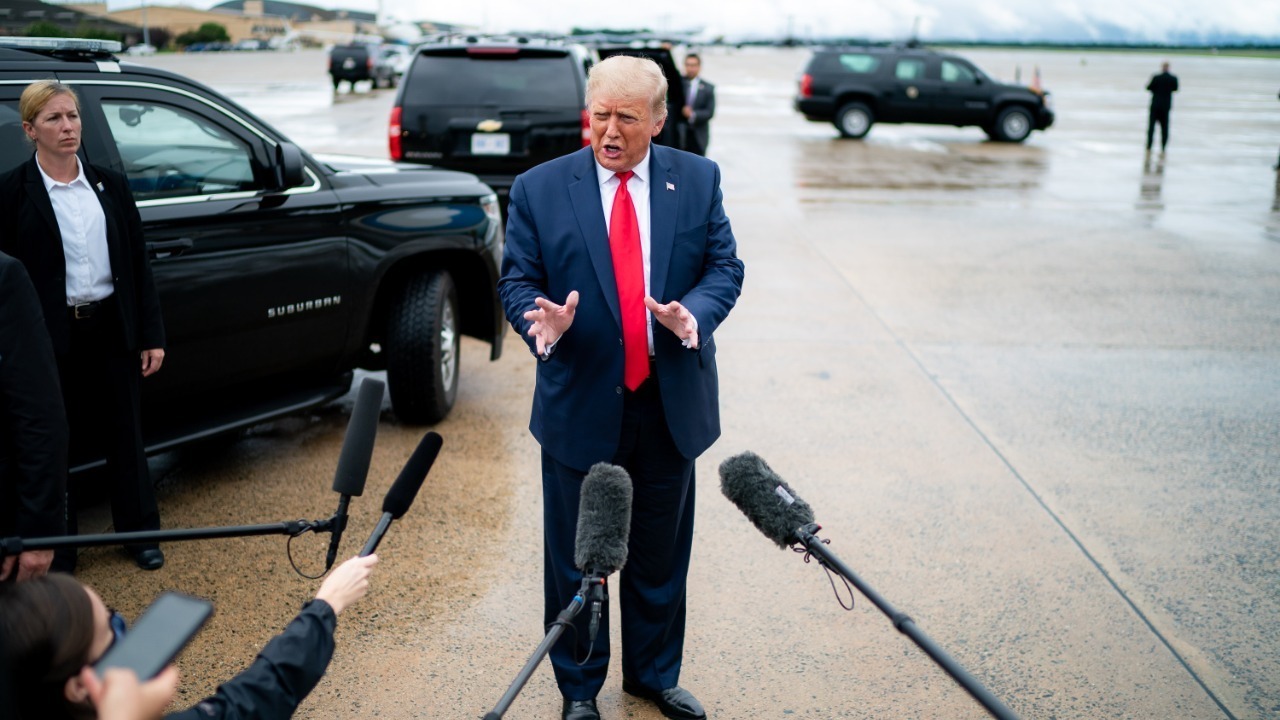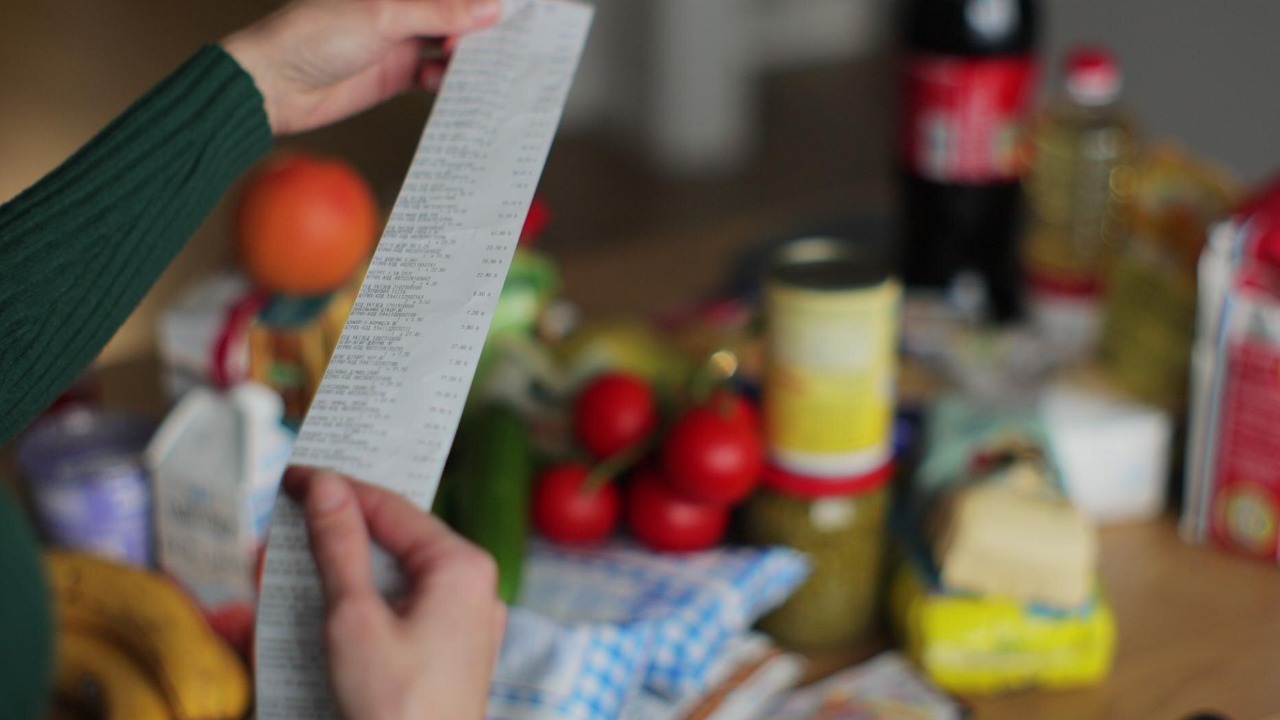
Donald Trump returned to the White House promising to “end inflation” on Day 1 of his second presidency, casting himself as the candidate who would make groceries, gas and rent feel affordable again. A year later, the headline numbers show price growth has cooled sharply from the pandemic peak, but the cost of living has not snapped back to pre‑inflation levels. The gap between that sweeping promise and the reality of still‑elevated prices is where the economic story now sits.
Annual inflation is back in a range many economists consider manageable, yet households are still wrestling with budgets stretched by several years of cumulative increases. I see a picture in which Trump can credibly claim progress on slowing inflation’s pace, while critics just as credibly argue that he has not delivered the reset he pledged.
Headline inflation is lower, but prices are still high
By the standard yardstick of inflation, the United States has moved into calmer waters. The Consumer Price Index for all items rose 2.7 percent over the 12 months through December, according to Consumer Price Index all items. That 2.7 percent annual rate is a far cry from the spikes that defined the early 2020s and is broadly in line with the 2.7% figure cited by trackers that peg the current US inflation rate at 2.7% in Jan. A separate gauge of the overall price level, the Consumer Price Index for All Urban Consumers, shows the index at 326.030 in Dec 2025, meaning prices are roughly one third higher than in the base period.
Monthly data tell a similar story of moderation rather than disappearance. In December, the official News Releases on CPI reported that, In December, the Consumer Price Index for all items rose 0.3%, with shelter and food still pushing costs higher. A separate market analysis echoed that pattern, noting that December CPI Rose 0.3 From the Previous Report. For families, that means the emergency of runaway inflation has eased, but each month still adds a little more to the bill, and the level of prices locked in by earlier surges remains.
Trump’s “defeated inflation” claim meets a more modest reality
President Trump has framed this backdrop as a decisive victory. At high‑profile events, including his appearance in Davos, President Trump has argued that his policies have tamed price growth that, in his telling, spiraled Under the Biden Administration, and he has presented the current environment as proof that he has “defeated” inflation. The White House has highlighted a series of “wins,” including a claim that the administration Drove gas prices to their lowest level in nearly five years, with prices below $3 per gallon in 43 states and below $2 per gallon in some places, as part of a broader narrative of restored prosperity.
Independent data, however, paint a more restrained picture. One analysis of the inflation trend concluded that, But the numbers tell a more modest story. While inflation has indeed cooled, it is far from the ideal rate, coming in at 2.7% in Dec, a figure that aligns with the 2.7% rate reported by the US Inflation Rate tracker in January. In Davos remarks amplified by the administration, President Trump showcased what he called remarkable economic achievements, but outside economists have stressed that a 2.7% rate is closer to “under control” than “over.”
Gas, food and everyday costs tell a more complicated story
On the ground, the inflation story is less about the single headline number and more about what people pay at the pump and the supermarket. Official data show that Gasoline (all types) prices continued to decline, falling 3.4 percent in 2025, 3.4 percent in 2024, 1.9 percent in 2023 and 1.5 in 2022, a multi‑year slide that predates Trump’s return but has accelerated on his watch. Trump himself has leaned into that trend, promising, “We’re going down and getting gasoline below $2 a gallon, bring down the price of everything from electricity rates to groceries,” a line highlighted in an interactive look at Trump’s Economy at. Energy experts quoted there caution that presidents have limited direct control over global oil markets, but they agree that gas prices are now lower than they have been in nearly five years.
Food and other essentials have not offered the same relief. The Consumer Price Index for all items rose 2.7 percent from December 2024 to December 2025, and within that, Food prices increased for both groceries and food away from home. A review of household budgets found that, According to the Harvard Business School, the costs of everyday household items have risen following the Trump administration’s policy shifts, even as the White House touts cheaper fuel. Separate reporting has underscored that Here are some key takeaways from how much food costs have increased under President Trump‘s second term, with Average food prices in many categories still climbing faster than wages for lower‑income workers.
Tariffs, “wins” and the hidden inflation in trade policy
Trump’s economic strategy has leaned heavily on tariffs, which he argues protect American jobs and give the United States leverage abroad. In his own messaging, he has pointed to strong consumer spending and job creation as evidence that the approach is working, a case laid out in a set of 7 charts that show how the economy looked in Donald Trump‘s first year of his second presidency. The administration’s own scorecard lists trade actions alongside claims that its policies have Drove gas prices lower and put more income back in consumers’ pockets, reinforcing Trump’s argument that he has delivered on his economic pledges.
Economists who have dug into the tariff math see a different kind of inflationary pressure building. One detailed estimate found that, However, based on today’s tariff rate, the average consumer will pay an additional $1,300 to $1,700 in 2026 compared with what they would have paid without the tariffs, a direct hit to household budgets that does not always show up cleanly in headline CPI. Another analysis of how Trump’s trade and tax mix is affecting affordability concluded that, Despite the Trump administration’s claims, the costs of everyday items have risen faster than overall inflation for some categories, with the personal consumption expenditures price index and related measures reflecting that squeeze, according to According to the Harvard Business School Pricing Lab. That is why some experts argue that Trump’s “victory” over inflation looks less convincing once trade‑related costs are folded back into the picture.
Household finances: inflation may be tamed, but affordability is not
Even with inflation slowing, many families feel little relief because their paychecks have to stretch across a price level that is permanently higher. A review of the first year of Trump’s second term noted that 7 charts show how the economy looked in that period, By Madison Hoff and Allie Kelly, and highlighted that while jobs and output have grown, renters and lower‑income households report that making ends meet is “increasingly difficult.” A separate look at Trump’s campaign‑trail vow, Trump Said He Would End Inflation on Day 1 of His Presidency, asked readers to See Where We Stand Now and found that inflation Since January has eased but not vanished, with the piece urging readers to Learn More about how Trump Said He would lower grocery bills and other costs.
More From The Daily Overview
*This article was researched with the help of AI, with human editors creating the final content.

Grant Mercer covers market dynamics, business trends, and the economic forces driving growth across industries. His analysis connects macro movements with real-world implications for investors, entrepreneurs, and professionals. Through his work at The Daily Overview, Grant helps readers understand how markets function and where opportunities may emerge.