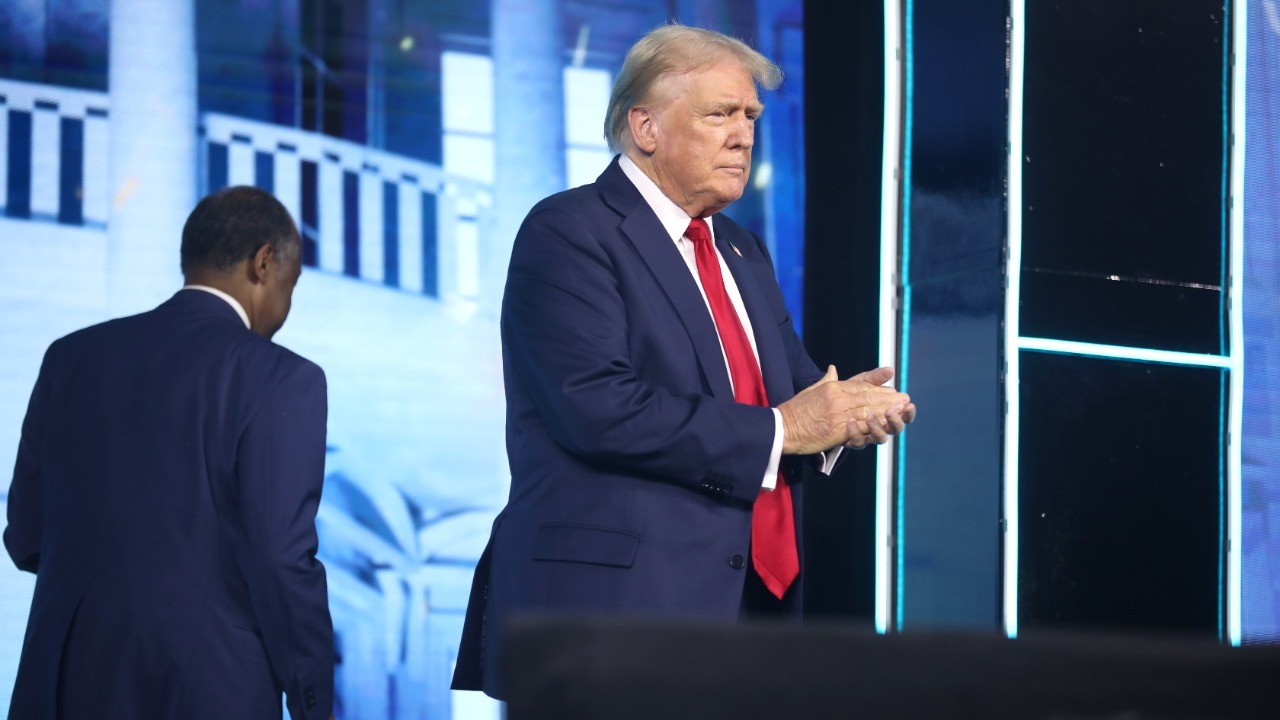
When President Trump ran for a second term, he put a simple, dramatic pledge at the center of his economic pitch: he said he would cut household energy bills by 50% within his first year back in office. Twelve months on, the numbers on electricity, natural gas and home heating tell a very different story. Instead of a halving of costs, most families are confronting higher monthly statements and a more fragile energy system.
I set out to compare that 50% promise with what has actually happened to prices at the meter and the pump, and to the policies behind them. The picture that emerges is of a White House that has aggressively expanded fossil fuel production and dismantled clean‑energy supports, while leaving Americans exposed to volatile fuel markets, utility rate hikes and a grid straining under new demands.
The 50% promise meets the utility bill reality
Donald Trump did not hedge his words on the campaign trail. During his 2024 run, Donald Trump told voters he would cut their energy bills in half within a year of returning to the Oval Office, a pledge that became a shorthand for his broader promise to unleash domestic production. One year into Trump 2.0, detailed analysis of household data shows the opposite trend: electricity bills are up, not down, with average charges rising by a precise 6.7% across the United States. That gap between a promised 50% cut and a 6.7% increase is not a rounding error, it is a fundamental miss on the core economic claim of his campaign.
The strain is showing up in painful ways. As power costs climb, utilities have been disconnecting more households that fall behind on payments, with New York the most prominent example of a spike in shutoffs for unpaid bills. One advocate captured the reversal bluntly, saying that, Instead of reducing electric bills by 50%, the president’s actions have raised the cost of home energy for all Americans. That warning about Americans struggling to keep the lights on is borne out in the data, which show a broad pattern of higher charges and more households at risk of losing service.
Gasoline relief, but not a 50% cut to “energy bills”
Supporters of President Trump point to one clear bright spot: the price at the pump. According to President Trump‘s own allies, Gasoline prices have fallen about 20%, helped by a global oversupply of oil and the administration’s aggressive “Drill, baby, drill” posture. In that narrow sense, the White House can claim progress on one piece of the energy puzzle, and drivers filling up a 2023 Ford F‑150 or a 2024 Toyota RAV4 are paying less per gallon than they did a year ago. Yet even sympathetic analysts acknowledge that this drop is driven largely by international market dynamics rather than domestic policy alone, with In the past year cheaper crude has been largely driven by a global oversupply of oil.
Even if you credit the administration for that 20% drop, it does not translate into a halving of overall household energy costs, which are dominated by electricity and natural gas. The original pledge was to cut “energy bills” in half, not just to deliver Cheap gasoline. Analysts note that in the past year, cheaper crude has been largely driven by a series of production decisions abroad, while domestic policy has added uncertainty and barriers in other parts of the energy system. As one expert put it, And the thing that basically just increases prices is increasing uncertainty or barriers to energy, a dynamic that can offset any savings drivers see at the pump when they open their utility apps.
Why your power and gas bills are still climbing
To understand why home energy costs are rising even as some fuels get cheaper, it helps to look at what is happening behind the scenes at utilities and on the grid. Across the country, Americans are facing higher and higher utility bills, with households paying 9.6 percent more on average in 202 compared with earlier years, and regulators warning of further increases between 2025 and 2027. One major driver is the cost of natural gas, which remains the backbone fuel for both electricity generation and home heating. Reports on Higher natural gas prices describe how Another reason for the increase in Americans’ energy bills is the increase in the past year in the national benchmark price for gas, which utilities then use as justification for their rate increases.
Those fuel costs are colliding with a structural squeeze on the grid. Residents of 49 States and Washington, D.C., are facing increasing electric and natural gas bills as a result of what one assessment calls a multipronged storm of high natural gas costs, extreme weather and increasing demand from artificial intelligence data centers, a trend summed up in the question What has changed. That surge in demand has already forced policymakers to consider extraordinary steps, including an emergency capacity auction that officials are pressing the grid operator PJM to hold to prevent data center driven rate increases, even though it will not provide immediate relief to the grid. In short, the forces pushing your bill higher are structural and long‑term, and they have not been offset by the administration’s short‑term focus on drilling.
Trump’s policy choices: more drilling, less clean energy
President Trump has framed his energy agenda as a war on red tape, arguing that if he simply lets producers pump more oil and gas, household costs will fall. His allies boast that there are 250 Actions the Trump Administration and Congressional Republicans Have Taken to Unleash Our Energy Potential, from Ditching Maduro Wil to loosening drilling restrictions on federal lands. During his presidential campaign throughout 2024, then‑candidate Trump repeatedly tied this deregulatory push to household budgets, a link that financial writers revisited in pieces like During the discussion of Ways Trump and how his Energy Policies Could Impact Your Monthly Budget, including the risk of Higher Electricity Bills.
At the same time, the administration has moved aggressively to slow or reverse the build‑out of renewable power that could provide cheaper electricity over the long term. Environmental advocates describe a pattern that runs From illegally keeping coal plants online to gutting clean energy manufacturing and canceling offshore wind and solar farm projects, a strategy they call capricious and contrary to law. Energy reporters have also documented how Large solar and wind projects have been slowed or canceled, while the administration has cut funds for green energy projects, a pattern highlighted in coverage that invited listeners to Listen to a 4:35 segment on why High hopes for cheaper power have not materialized. By prioritizing short‑term fossil output over long‑term investment in cheaper renewables and efficiency, the administration has limited the tools available to actually bend monthly bills downward.
Who is paying the price for a broken pledge
One year after Trump’s inauguration for his second term, critics argue that the damage to environmental and consumer policy is unprecedented, and that it is ordinary households who are paying the price. A detailed Year in Review on How the Trump Administration and its Economic Policies Made Life Less Affordabl for families points to more expensive health care and utilities as central examples. Another assessment of residents in 49 states and Washington, D.C., underscores that the burden of higher electric and natural gas bills falls hardest on low‑income households, renters and people of color, who have the least ability to invest in insulation, rooftop solar or new heat pumps.
More From TheDailyOverview

Grant Mercer covers market dynamics, business trends, and the economic forces driving growth across industries. His analysis connects macro movements with real-world implications for investors, entrepreneurs, and professionals. Through his work at The Daily Overview, Grant helps readers understand how markets function and where opportunities may emerge.

