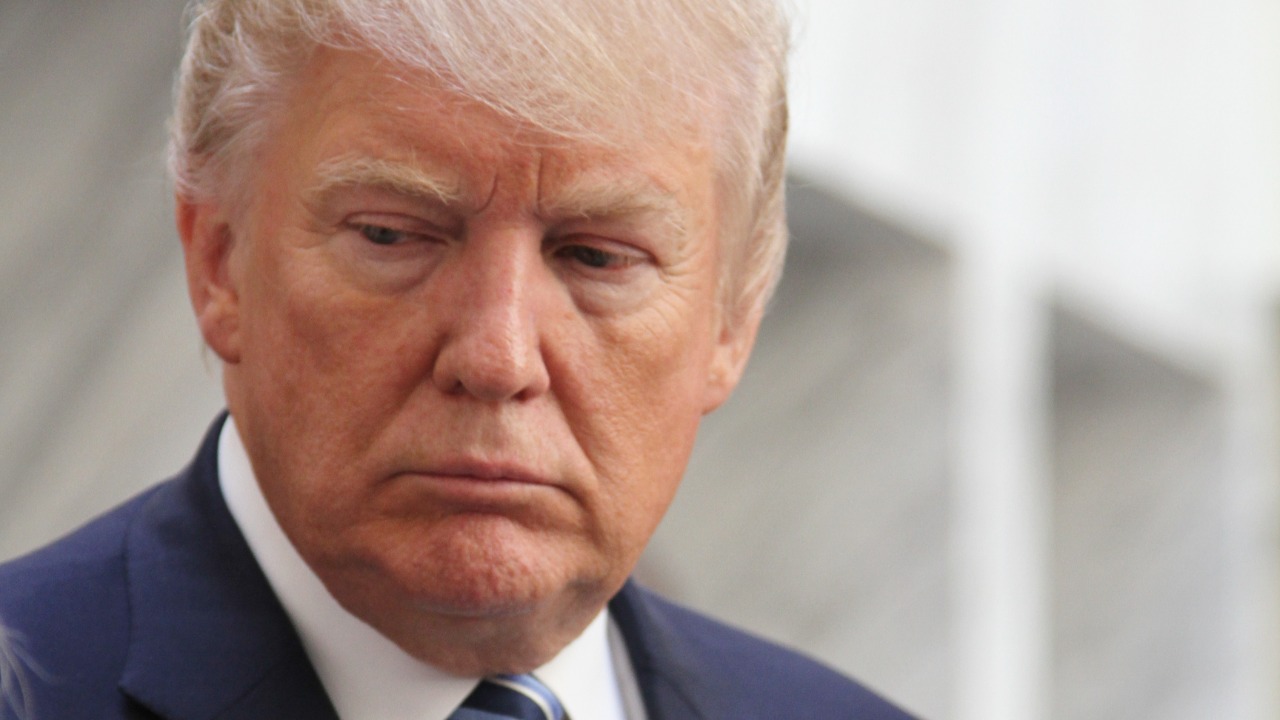
On September 24, 2025, President Donald Trump issued a stark warning, suggesting that a court ruling against tariffs could lead to a Great Depression similar to that of 1929. Trump emphasized that there is “no way” America could recover from such a “tragedy” if such a ruling were to occur. His comments have sparked widespread debate about the potential economic implications and the role of tariffs in the current economic landscape.
The Warning from Trump
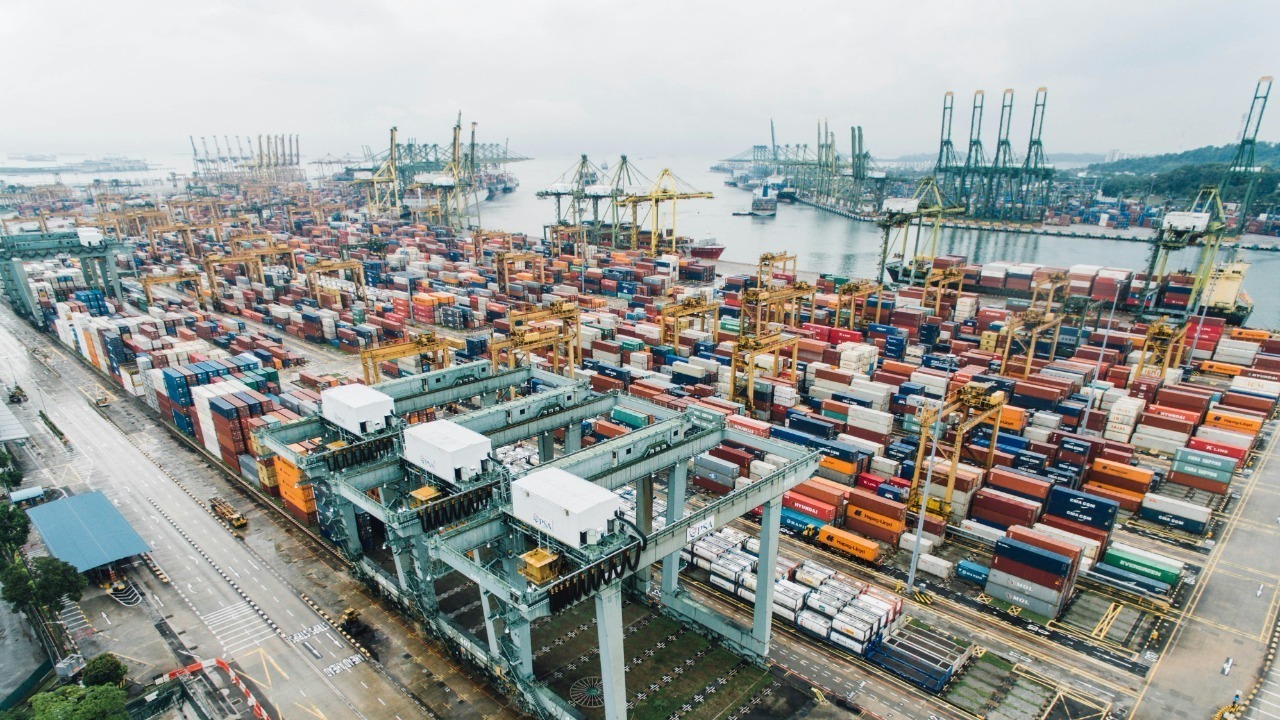
Donald Trump’s warning about a potential 1929-style Great Depression if the court rules against tariffs has captured significant attention. He asserted that there is “no way” America can recover from such a “tragedy,” highlighting the gravity of the situation in his view. Trump’s comments underscore his belief in the critical role that tariffs play in maintaining economic stability and protecting American industries from foreign competition. His statement comes amid ongoing legal challenges to tariffs, which have been a cornerstone of his economic policy.
The former president’s remarks reflect his long-standing position on tariffs as a tool for economic protectionism. Trump has consistently argued that tariffs are necessary to safeguard American jobs and industries from unfair foreign competition. His warning suggests that removing these tariffs could have catastrophic consequences for the U.S. economy, drawing parallels to the economic collapse of 1929. This perspective is not without controversy, as it raises questions about the balance between protectionism and free trade in today’s global economy.
Historical Context of the 1929 Great Depression

The Great Depression of 1929 was a severe worldwide economic downturn that lasted for a decade. It began with the stock market crash in October 1929, leading to widespread unemployment, deflation, and a significant contraction in economic activity. The impact on the American economy was profound, with industrial production plummeting and millions of Americans losing their jobs and savings. This historical context provides a backdrop for understanding the potential severity of the economic consequences Trump warns about.
Comparing economic indicators from 1929 to the present day reveals both similarities and differences. While today’s economy is more diversified and interconnected globally, the threat of a significant economic downturn remains a concern. Tariffs have historically played a role in economic stability, with some economists arguing that protectionist measures contributed to the severity of the Great Depression. This historical perspective is crucial in evaluating the potential impact of current tariff policies and the legal challenges they face.
The Role of Tariffs in the Current Economic Landscape
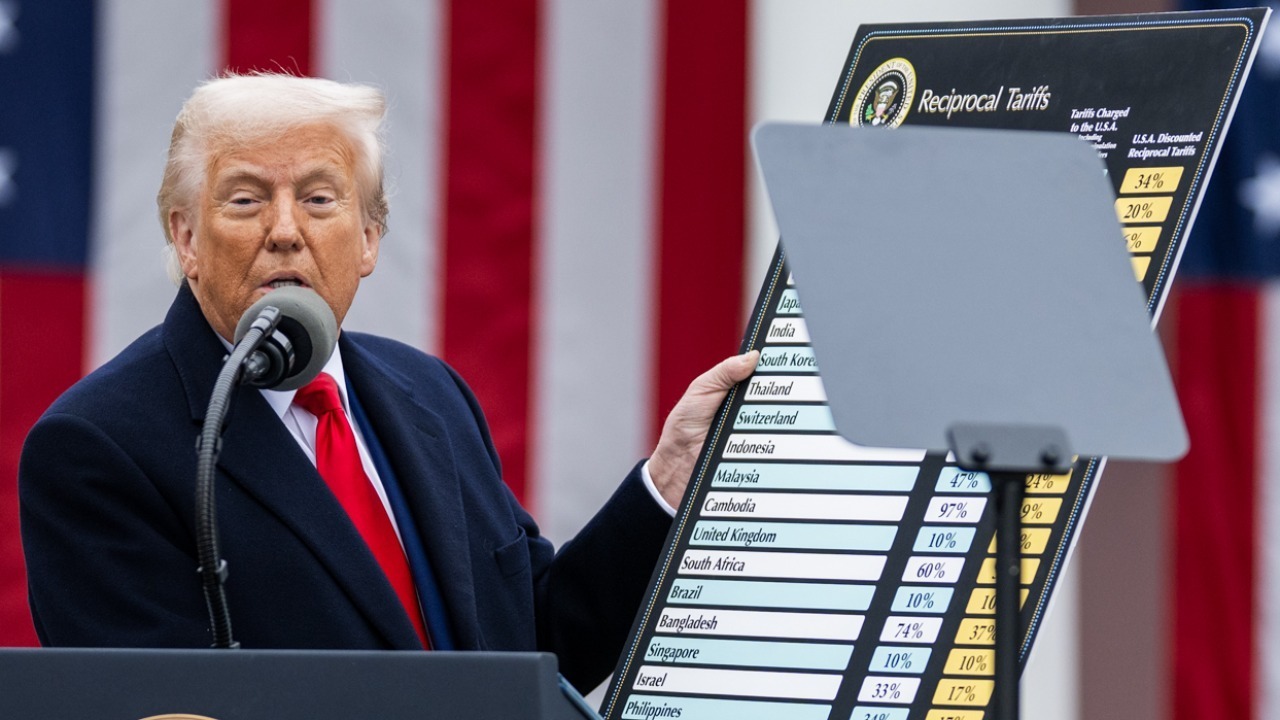
Tariffs have been a central component of economic policy under Trump’s administration, aimed at protecting American industries and reducing trade deficits. The current tariffs in place target a range of imported goods, with the intention of encouraging domestic production and job creation. However, these measures have faced legal challenges, prompting Trump’s recent warning about the potential consequences of a court ruling against them.
The legal challenges against tariffs have sparked debate among economists and policymakers. Some argue that tariffs are necessary to level the playing field for American businesses, while others contend that they lead to higher consumer prices and retaliatory measures from trading partners. The potential impact of removing tariffs is a contentious issue, with differing perspectives on how it would affect the U.S. economy. Economists and policymakers continue to debate the merits and drawbacks of tariffs, highlighting the complexity of the issue.
Potential Economic Outcomes

If the court rules against tariffs, the potential economic consequences could be significant. Some experts predict that removing tariffs could lead to increased competition from foreign imports, potentially harming American industries and leading to job losses. However, others argue that it could also result in lower consumer prices and increased access to foreign markets, providing a boost to the economy.
Alternative economic strategies could mitigate the impact of such a ruling. These might include increased investment in domestic industries, trade agreements that promote fair competition, and policies that support innovation and workforce development. Economic experts offer varying predictions on the likelihood of a depression if tariffs are removed, with some suggesting that the economy is resilient enough to withstand such changes, while others caution against underestimating the potential risks.
Political and Public Reactions
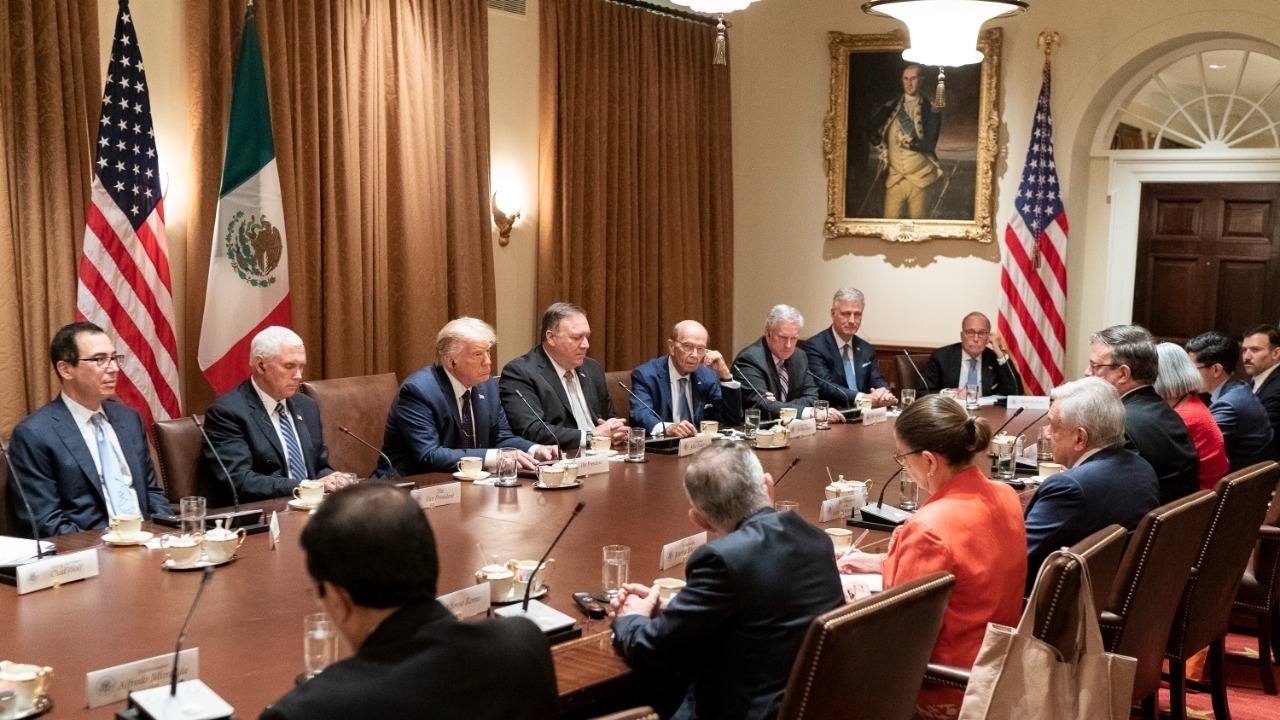
Trump’s warning has elicited a range of reactions from political figures and parties. Some support his stance on tariffs, viewing them as essential for protecting American jobs and industries. Others criticize his approach, arguing that it risks alienating trading partners and undermining global economic cooperation. The political discourse surrounding tariffs reflects broader debates about economic policy and the role of government in regulating trade.
Public opinion on tariffs and the potential economic risks highlighted by Trump is divided. Some Americans support protectionist measures as a means of safeguarding domestic industries, while others are concerned about the impact on consumer prices and international relations. Media coverage and public discourse continue to explore the complexities of tariffs and economic stability, highlighting the importance of informed debate on these critical issues.

Grant Mercer covers market dynamics, business trends, and the economic forces driving growth across industries. His analysis connects macro movements with real-world implications for investors, entrepreneurs, and professionals. Through his work at The Daily Overview, Grant helps readers understand how markets function and where opportunities may emerge.

