
A comprehensive examination of the various versions of FICO scores has been made available, shedding light on their significance for personal finance. This exploration is crucial as recent trends, noted on September 20, 2025, reveal a decline in Gen Z’s credit scores, prompting advice for those facing similar challenges. Understanding these dynamics is essential for navigating the complexities of credit management.
Understanding FICO Score Versions

FICO scores are a critical component of the financial landscape, serving as a key indicator of creditworthiness for individuals. Different versions of FICO scores have been developed to meet the specific needs of various financial institutions. These versions are tailored to provide a more accurate assessment of a consumer’s credit risk, which can vary significantly depending on the type of credit being sought. For instance, a lender offering auto loans might prioritize different aspects of a credit profile than a mortgage lender.
The role of FICO score versions in consumer credit evaluation and lending decisions cannot be overstated. Each version is designed to highlight particular financial behaviors and patterns that are most relevant to specific types of lending. This allows lenders to make more informed decisions, ultimately benefiting both the lender and the consumer by aligning credit offerings with the consumer’s financial behavior and history.
Key Differences Among FICO Score Versions

The distinct features of various FICO score versions are crucial for understanding how they impact lending decisions. According to a report from September 23, 2025, these versions differ in the weight they assign to different credit factors. For example, some versions may place more emphasis on recent credit activity, while others might focus on long-term credit history. This differentiation allows lenders to choose the version that best aligns with their risk assessment criteria.
Financial institutions might prefer certain FICO score versions over others based on their specific lending goals and the types of credit products they offer. A bank specializing in credit cards might opt for a version that closely examines revolving credit usage, whereas a mortgage lender might prioritize a version that evaluates long-term payment history. This selective use of FICO score versions helps institutions manage risk more effectively and tailor their credit offerings to suit different consumer profiles.
Impact on Different Generations

Recent trends have highlighted a concerning drop in Gen Z’s credit scores, as reported on September 20, 2025. This decline has sparked discussions about the underlying causes and potential implications for this generation. According to an article from AOL, several factors may contribute to this trend, including economic challenges and changing financial behaviors among younger consumers.
The implications of declining credit scores for Gen Z are significant, as they may face increased difficulty in securing favorable credit terms. This could impact their ability to purchase homes, finance education, or even obtain competitive rates on auto loans. Understanding these dynamics is crucial for developing strategies to support Gen Z in improving their financial health and creditworthiness.
Strategies for Managing Credit Scores
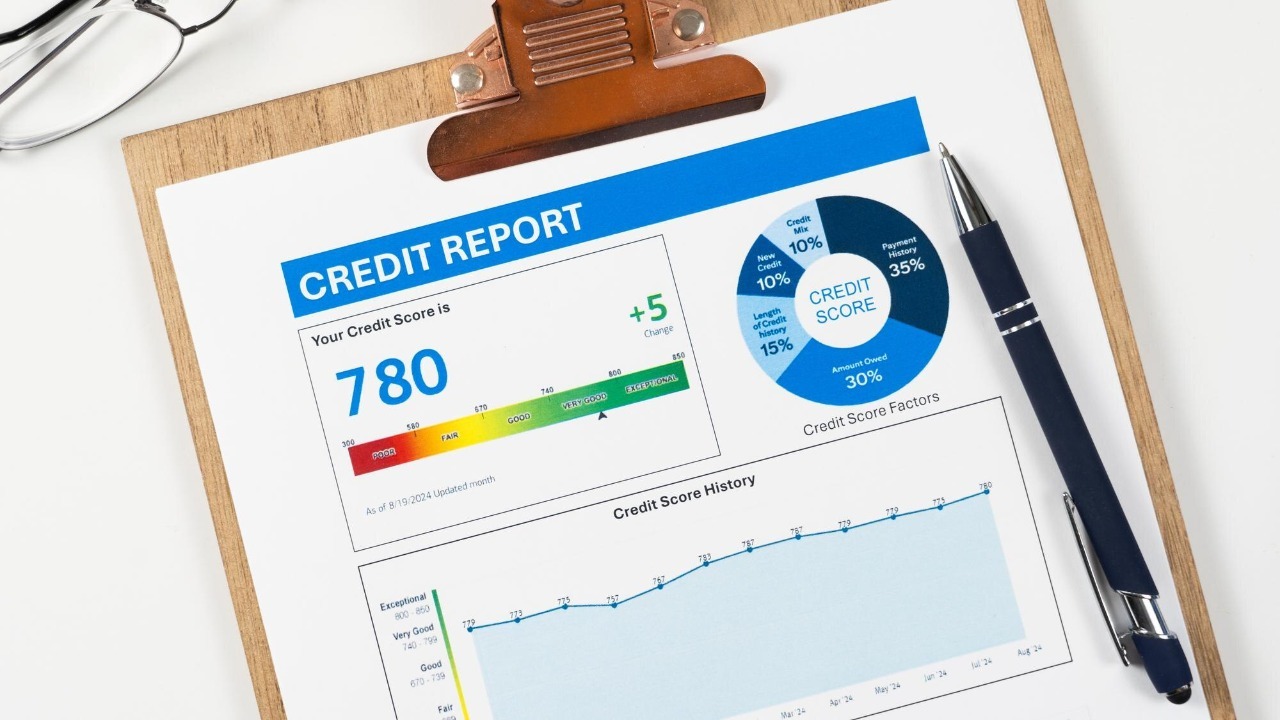
For individuals experiencing a drop in their credit scores, practical advice is essential. The AOL article from September 20, 2025, offers several strategies for managing and improving credit scores. These include maintaining a low credit utilization ratio, making timely payments, and regularly reviewing credit reports for errors. By implementing these practices, consumers can work towards enhancing their credit profiles across different FICO score versions.
Maintaining and improving FICO scores requires a proactive approach. Consumers should focus on building a strong credit history by using credit responsibly and avoiding behaviors that could negatively impact their scores. Additionally, understanding the specific factors that influence different FICO score versions can help individuals tailor their financial strategies to achieve better credit outcomes. By staying informed and taking deliberate actions, consumers can navigate the complexities of credit scoring and secure more favorable financial opportunities.

Cole Whitaker focuses on the fundamentals of money management, helping readers make smarter decisions around income, spending, saving, and long-term financial stability. His writing emphasizes clarity, discipline, and practical systems that work in real life. At The Daily Overview, Cole breaks down personal finance topics into straightforward guidance readers can apply immediately.

