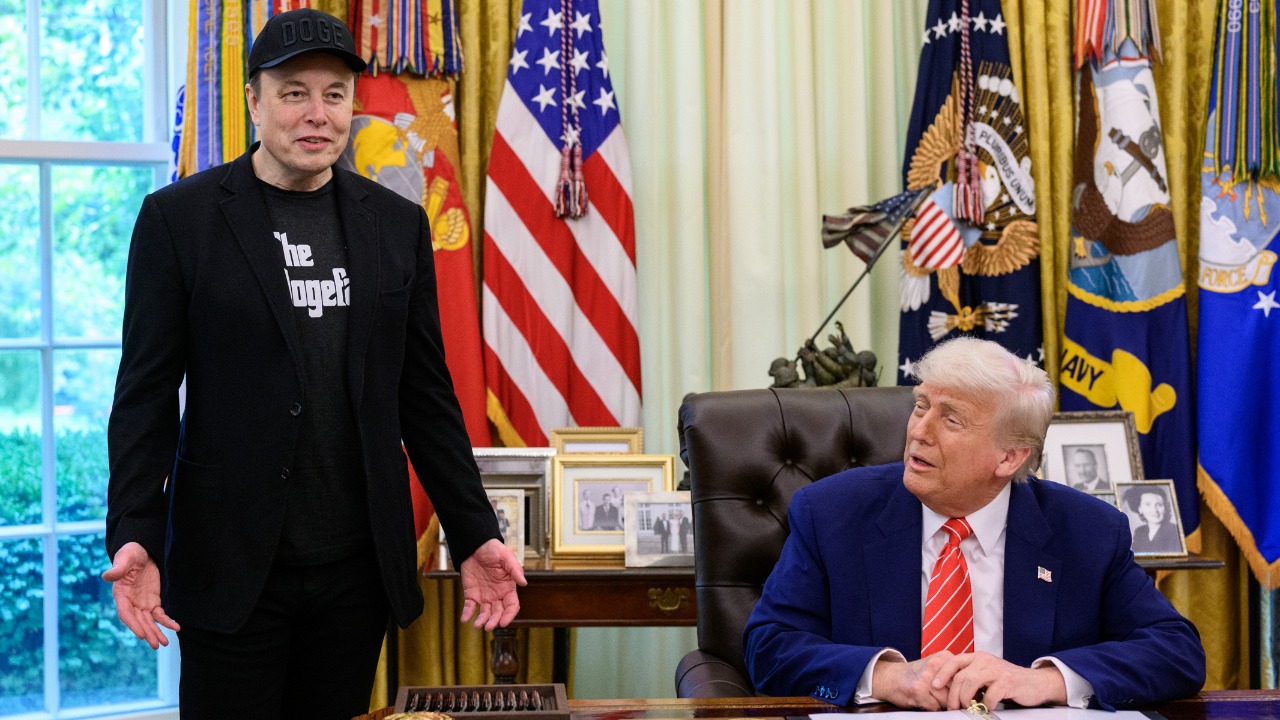
Elon Musk, the CEO of Tesla and SpaceX, has recently found himself at the center of a public exchange with former President Donald Trump. The dispute began when Trump claimed that Musk’s companies would continue to benefit from government subsidies. In response, Musk has offered a counter-narrative, sparking a wider conversation about the role of subsidies in the tech and automotive industries.
The Origins of the Subsidy Debate
Understanding Government Subsidies
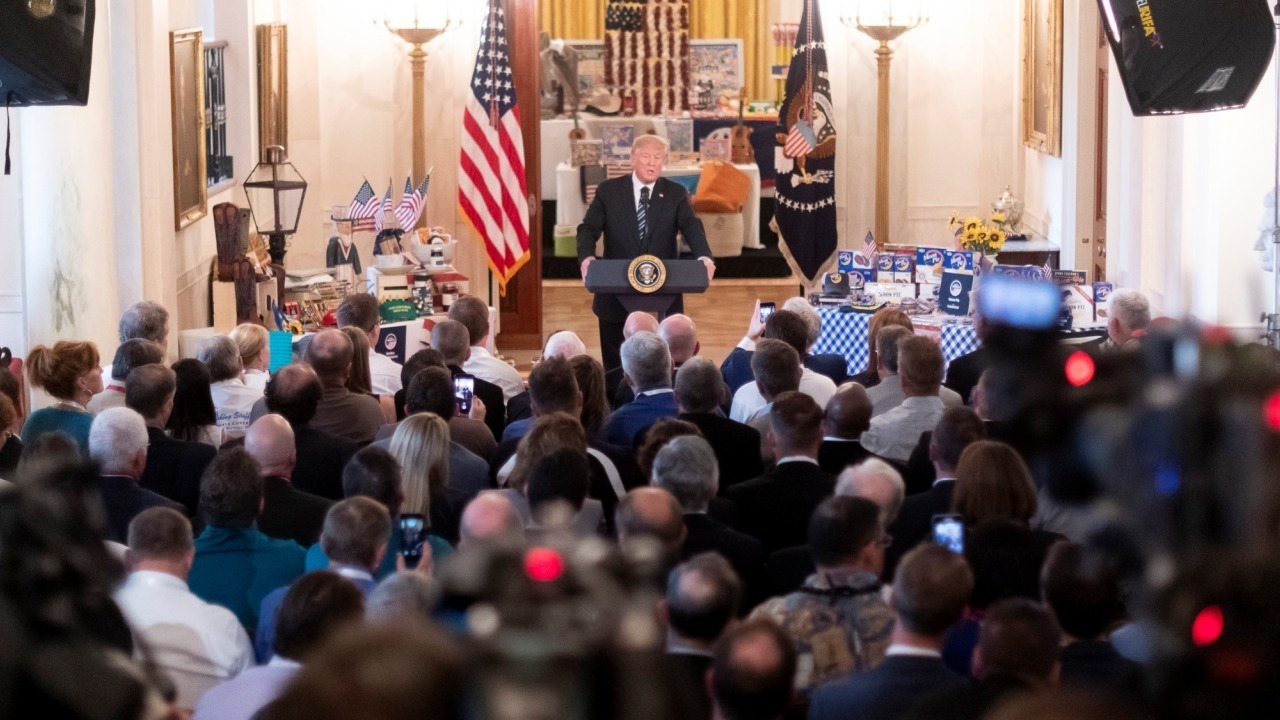
Government subsidies have long been a critical component in fostering innovation and growth in various industries, particularly in tech and automotive sectors. Subsidies can provide crucial financial support for research and development, allowing companies to take risks and innovate. According to a study published in Nature, subsidies can significantly impact industries by enabling breakthroughs that might not be feasible otherwise. In the context of the tech industry, subsidies have often been directed towards advancing green technologies and electric vehicles, areas where Tesla has been a prominent player.
Trump’s Stance on Subsidies
Donald Trump has had a complicated relationship with federal subsidies. While he has at times praised the private sector’s independence, he has also been critical of what he perceives as undue reliance on government support. A recent article in the New York Post highlights Trump’s comments about Musk and other industry leaders, suggesting that these companies could thrive without federal aid. This stance reflects a broader skepticism towards government intervention in the market, a viewpoint that has resonated with many of his supporters.
Elon Musk’s Response and Its Implications
Musk’s Counterarguments
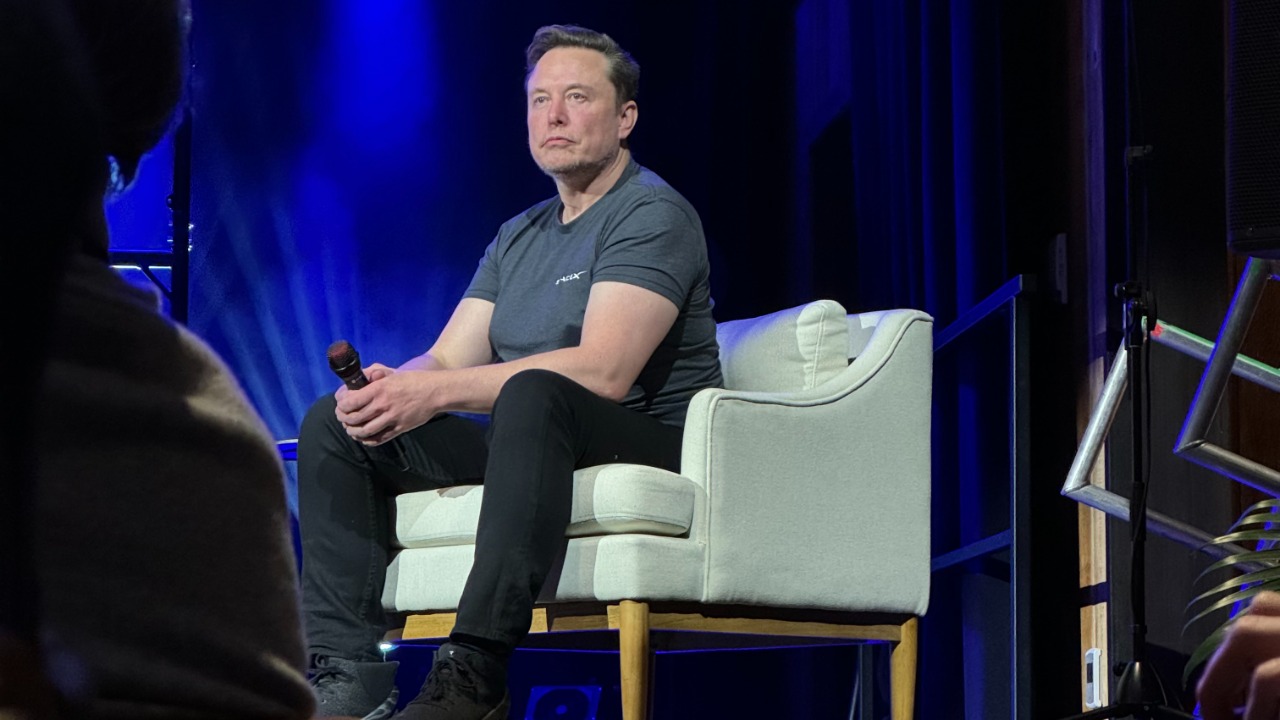
In response to Trump’s claims, Elon Musk has been quick to defend his companies’ achievements independent of government subsidies. According to a Quartz article, Musk pointed out that both Tesla and SpaceX have delivered substantial technological advancements that stand on their own merit. He emphasized that while subsidies have played a role in their development, the companies’ success is not solely reliant on them. Musk’s rebuttal is not just a defense of his companies but also an assertion of their market viability.
Impact on Tesla and SpaceX
Musk’s response could influence public perception of Tesla and SpaceX, potentially affecting stock prices and investor confidence. By asserting the independence and innovation of his companies, Musk aims to reassure stakeholders that they are investing in robust and forward-thinking enterprises. The public exchange with Trump also highlights the delicate balance between private success and public support, a dynamic that continues to shape the narrative around Tesla’s Model S and SpaceX’s Falcon 9.
The Broader Impact on Climate Policy and Private Sector Innovation
Role of Private Sector Champions
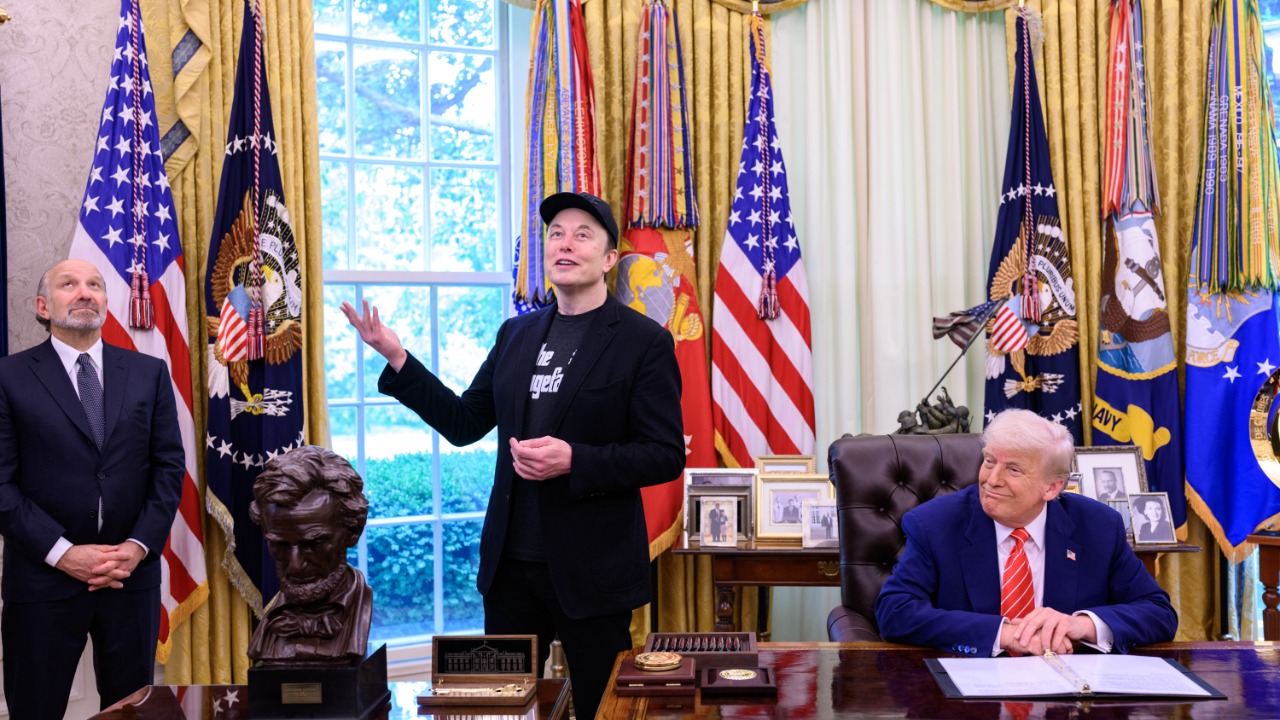
Private sector leaders like Elon Musk play a crucial role in shaping climate policy and driving innovation. A study on ResearchGate discusses how figures like Musk interact with government agendas, influencing environmental initiatives and policy decisions. By advocating for sustainable practices and technological advancements, these leaders can help bridge the gap between government objectives and industry capabilities.
Future of Subsidies in Tech and Climate Change Initiatives
Looking ahead, the future of government subsidies in the tech sector and climate change initiatives remains uncertain. As administrations change, so too can the approach to subsidies and support for innovation. The potential policy shifts could either bolster or hinder the progress of companies like Tesla and SpaceX, which have been at the forefront of green technology. As the global emphasis on sustainability grows, the role of subsidies and the private sector’s influence will likely continue to evolve.
The Media’s Role in Shaping Public Perception

Media Coverage and Public Opinion
Media coverage plays a significant role in shaping public opinion on issues like subsidies and corporate success stories. The exchange between Musk and Trump, as covered by outlets like the New York Post and Quartz, highlights how narratives can be crafted and disseminated to influence public perception. These stories can impact how the public views the necessity and effectiveness of subsidies, as well as the legitimacy of claims made by high-profile business leaders.
The Power of Public Discourse
Public discourse is crucial in shaping both policy decisions and corporate strategies. Influential personalities and media platforms drive these conversations, often setting the agenda for broader societal discussions. By engaging in public debates, figures like Musk and Trump can sway opinions and potentially influence policy outcomes, underscoring the power of dialogue in the public sphere.

Grant Mercer covers market dynamics, business trends, and the economic forces driving growth across industries. His analysis connects macro movements with real-world implications for investors, entrepreneurs, and professionals. Through his work at The Daily Overview, Grant helps readers understand how markets function and where opportunities may emerge.