
With the rise of digital payment platforms like Venmo, individuals are exploring creative ways to contribute financially to national causes. One innovative idea is to use Venmo to help reduce the United States national debt. The feasibility, mechanisms, and potential impact of such an initiative offer a fresh perspective on citizen involvement in national finance.
The Current State of the U.S. National Debt

The U.S. national debt, a complex issue with far-reaching implications, results from factors such as government spending, tax policies, and economic conditions. As of 2023, the debt stands at approximately $31 trillion, fueled by expenditures like military spending, healthcare, and social security. Analysts warn that unchecked growth in debt can lead to higher interest rates and reduced public investment, which may stifle economic growth.
Efforts to curb this mounting debt include policy measures like spending cuts, tax reforms, and initiatives to boost economic growth. However, these measures often face political gridlock. Public perception of the national debt varies, with some viewing it as a pressing concern, while others remain unaware or indifferent. Increasing awareness and understanding of the debt issue is crucial for fostering public support for effective solutions.
The Role of Digital Payment Platforms in Modern Finance

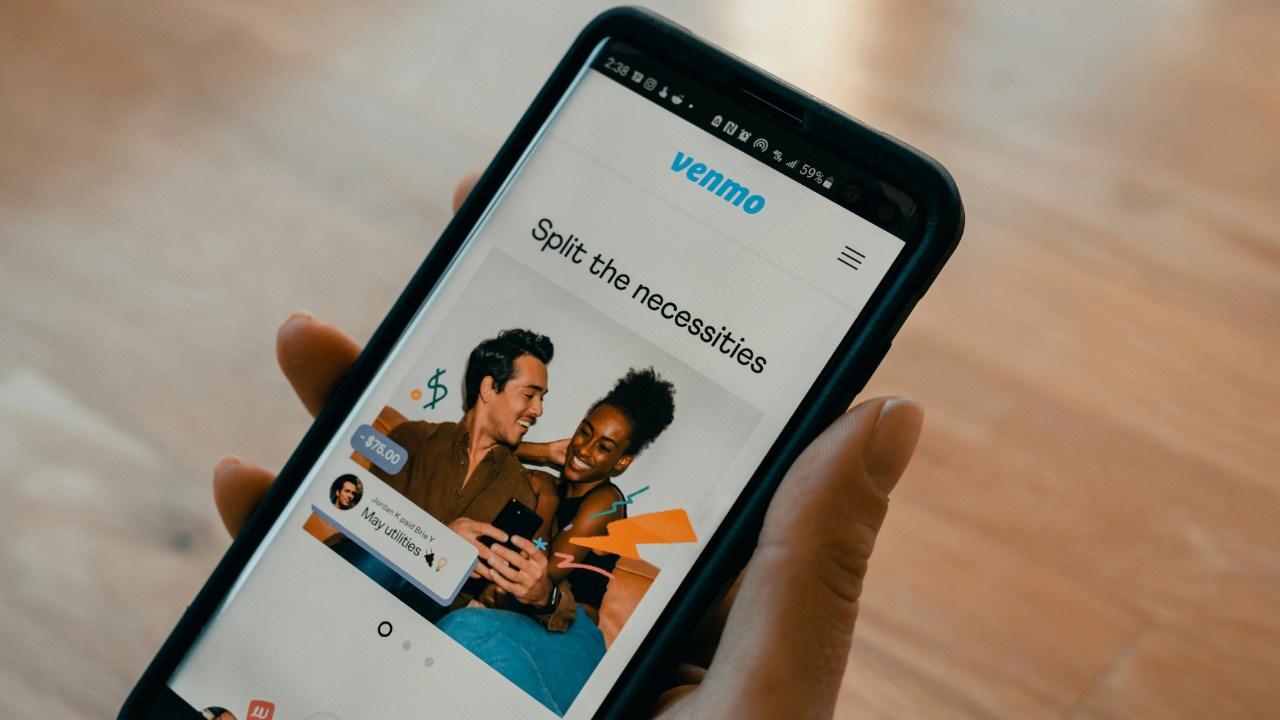
Digital payment technologies have revolutionized how people manage money, offering convenience and efficiency. From PayPal to Cash App, these platforms facilitate seamless transactions, influencing personal finance behavior. Venmo, a subsidiary of PayPal, has gained popularity among younger demographics for its social features and ease of use.
Venmo’s influence extends beyond personal transactions; it’s become a tool for charitable giving. Successful fundraising campaigns, like those during the COVID-19 pandemic, demonstrate the platform’s potential to mobilize resources quickly. These case studies highlight how digital platforms can bridge the gap between individuals and larger causes, offering a blueprint for using Venmo in national debt reduction efforts.
Venmo as a Tool for National Debt Reduction

The idea of using Venmo to contribute to the national debt involves transferring funds directly to the U.S. Treasury. This process would require coordination with government entities to ensure secure and transparent transactions. The initiative could be similar to existing donation programs, but with a modern twist that leverages Venmo’s technology.
However, the legislative and regulatory landscape presents challenges. Policies governing financial transactions and donations to the government would need to be adapted to accommodate digital payments. Additionally, there are potential limitations, such as transaction fees and privacy concerns, that must be addressed to make this initiative viable. Despite these challenges, the potential for public engagement through Venmo remains promising.
Public Engagement and Awareness

Encouraging public participation in debt reduction initiatives requires strategic planning. Social media and influencers play a pivotal role in spreading awareness and promoting the cause. Campaigns that resonate emotionally and offer clear, achievable goals are more likely to garner support. Additionally, leveraging Venmo’s social features can create a sense of community and shared purpose among contributors.
Incentives for contributing via Venmo could include tax deductions or public recognition. These incentives can motivate individuals to participate while also raising awareness about the national debt issue. Collaboration with financial experts and policymakers can further enhance the effectiveness of these strategies, inspiring a cultural shift towards proactive financial citizenship.
Potential Impact and Future Implications
Estimating the financial impact of public contributions to the national debt via Venmo is challenging, yet optimistic. Even small contributions, when aggregated, could make a significant dent in the debt over time. This approach could also inspire other innovative solutions for government funding, encouraging a more engaged and financially literate citizenry.
Long-term implications for government funding and public finance policy are profound. Citizen-led contributions could lead to more transparent and accountable governance, fostering trust between the government and the public. This model of civic engagement might also pave the way for future innovations in financial technology, offering new avenues for individuals to contribute to national and global causes.
Exploring these possibilities requires cross-sector collaboration and a willingness to embrace new technologies. As digital payment platforms continue to evolve, so too will the opportunities for individuals to play a direct role in shaping the financial future of their nations.

Silas Redman writes about the structure of modern banking, financial regulations, and the rules that govern money movement. His work examines how institutions, policies, and compliance frameworks affect individuals and businesses alike. At The Daily Overview, Silas aims to help readers better understand the systems operating behind everyday financial decisions.

